Verdict, analysis, and key features for each pick.
#1 Pick
Best Overall
Gotham Steel
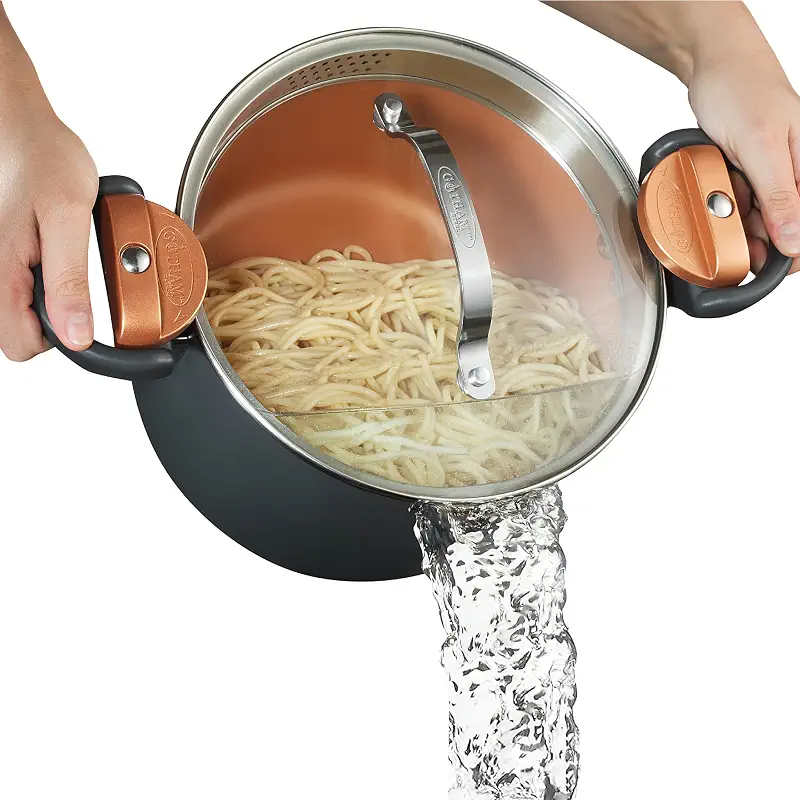
Gotham Steel 5 Quart Stock Pot Multipurpose Pasta Pot with Strainer Lid & Twist and Lock Handles, Nonstick Ceramic Surface Makes for Effortless Cleanup with Tempered Glass Lid, Dishwasher Safe | Twist and Lock Handles, Non Toxic Ceramic Non Stick Coating, for Cooking Soup, Spaghetti, Rice, Dishwasher Safe - Copper
4.5(14,205)
Nonstick ceramic stock pot with built-in strainer lid and twist-lock handles for fuss-free rice and pasta cooking.
Ideal for: Home cooks who prioritize cleanup ease and consistent results with rice, pasta, and one-pot meals.
The Gotham Steel ceramic pot excels at one-pot rice meals without the cleanup headache. The 5-quart capacity handles everything from small weeknight portions to family gatherings, and the titanium-reinforced ceramic surface releases even sticky, slightly overcooked rice with minimal oil. Users consistently praise how the twist-and-lock strainer lid prevents water from sloshing sideways when draining, and the lightweight aluminum body makes it comfortable to maneuver full pots without the strain of traditional stainless steel. The tempered glass lid lets you monitor water absorption without lifting and losing steam, which matters when you're chasing that perfect grain texture.
One meaningful trade-off: the ceramic coating requires gentler care than bare aluminum, and metal utensils will scratch it over time. For cooks who season and sear (think caldero-style sofrito prep), this isn't ideal. If you want to brown rice in hot oil before adding broth, or if your kitchen relies on high-heat stir-frying, the Gotham Steel's nonstick surface makes it a less natural choice compared to traditional uncoated pots. Still, for gentle simmering, soup-based dishes, and everyday rice, it's hard to beat the convenience and cleanup speed.
The pot performs well across all standard cooktops (gas, electric, ceramic, halogen) and is oven-safe up to 300°F, giving it flexibility beyond the stove. Dishwasher-safe design and years of durability reported by long-term owners make it a solid workhorse.
Pros
Ceramic coating releases rice without sticking or oil
Built-in strainer lid prevents water spillage when draining
Lightweight aluminum body easy to lift and pour
Cons
Ceramic surface scratches with metal utensils over time
Not ideal for high-heat searing or stir-frying
Key features
5-quart capacity with tempered glass lid for monitoring
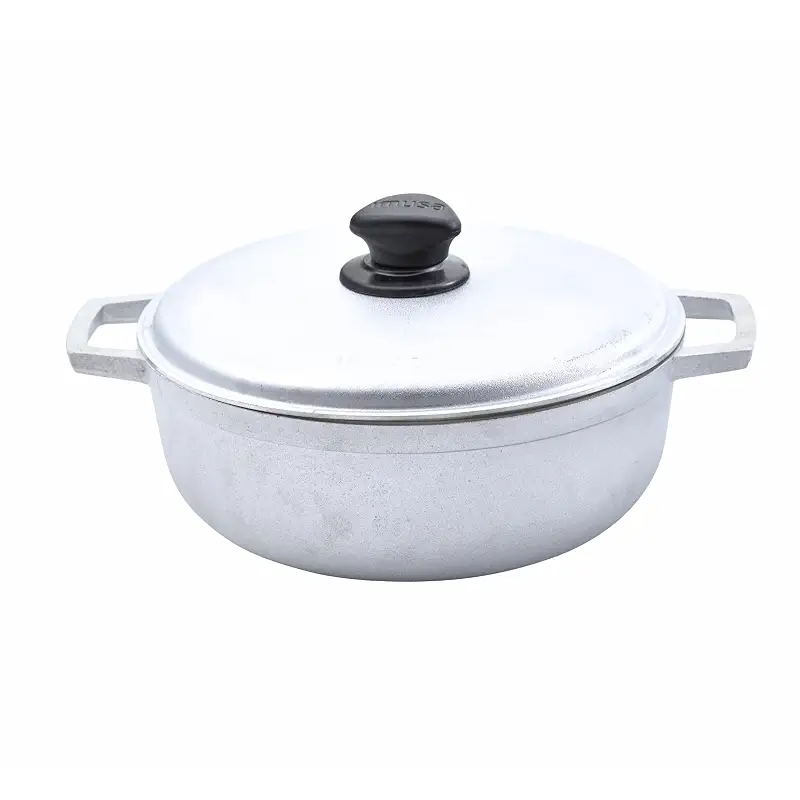
Ideal for: Cooks seeking authentic traditional recipes, those who value seasoning and patina, and kitchens that prioritize heat retention.
The Imusa caldero brings heritage and heat retention to rice cooking. Cast aluminum is heavier than the nonstick alternatives, which means it absorbs and distributes heat with remarkable consistency across the base: a key advantage for traditional recipes where even flame coverage matters. The uncoated cooking surface seasons over time, developing a natural patina that actually improves nonstick properties the more you cook, much like a cast-iron skillet. For South Asian, Hispanic, and Caribbean cooks who grew up with this shape and material, the caldero's sloped sides and rounded bottom are purpose-built for rice, beans, and stews that need stirring and careful heat management.
The 4.8-quart size sits comfortably between everyday portions and large gatherings, and the tight-fitting glass lid with steam vent keeps moisture locked in during the crucial cooking window. Compared to the Gotham Steel's modern convenience angle, the Imusa takes a slower, more intentional approach to cooking, and many users report that this actually produces superior rice texture because the mass of the pot resists temperature swings.
However, lid fitment has been a recurring concern in reviews; some units arrive with gaps that let steam escape unevenly. Hand washing is recommended to preserve the natural seasoning, and the handles do get hot: thick pot holders are essential. This is not a grab-and-pour pot like the Gotham; it's a tool that rewards technique and attention.
Pros
Cast aluminum develops natural seasoning over time
Excellent even heat distribution across thick base
Sloped sides support traditional stirring and serving
Cons
Lid fitment inconsistent across units; may need foil seal
Handles become very hot; requires pot holders always
Key features
4.8-quart cast aluminum caldero made in Colombia
Natural uncoated surface seasons and improves with use
Tight-fitting glass lid with steam vent included
Oven safe without lid, dishwasher safe
#3 Pick
Best for Modern Stovetops
Frynest
5.5-Quart 11-Inch Traditional Caldero Pot with Silver Aluminum Lid, Aluminum Rice Pot for Arroz, Beans, Soups and Stews, Induction Compatible
4.7(39)
Induction-compatible caldero with uncoated aluminum interior and wide base for responsive heat on any cooktop.
Ideal for: Home cooks with induction or modern electric cooktops seeking a versatile uncoated aluminum caldero.
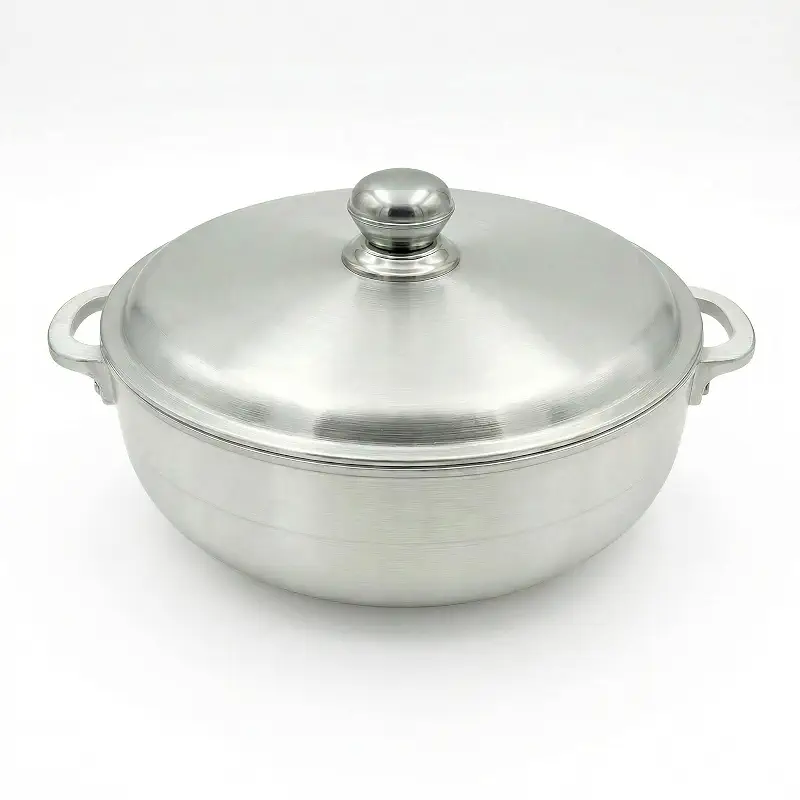
The Frynest caldero splits the difference between tradition and modern kitchen needs. Its 5.5-quart capacity and wide 11-inch mouth give plenty of room for rice, and the uncoated aluminum interior provides the responsive heat that caldero devotees expect: no nonstick coating to wear down, just pure thermal conductivity. What sets it apart is the flat, induction-ready base, which means it works seamlessly on induction cooktops, something older calderos cannot do. For cooks with modern glass-top ranges, this eliminates a major limitation.
The pot heats up quickly and distributes warmth evenly, reducing cold spots in the bottom where rice can scorch. The metal lid (also induction-safe) sits flush and traps steam efficiently, and both pot and lid are dishwasher safe for low-effort cleanup. One buyer reported success seasoning the pot before use and achieving perfectly fluffy rice with no sticking.
The main drawback mirrors other uncoated calderos: handles get extremely hot during cooking, making bare-hand contact risky. Early reviews also flag some inconsistency in size (buyers ordering 5.5-quart receiving larger sizes) and induction compatibility issues on certain glass-top models, so verification with the seller may be needed. Where the Frynest differs from the Imusa is in build precision; the Frynest's flat base and measured construction suggest tighter manufacturing tolerances, though the review count is still modest compared to more established brands.
Pros
Flat base compatible with induction and all cooktops
Uncoated aluminum interior for responsive, even heating
Metal lid retains heat and moisture effectively
Cons
Aluminum handles become intensely hot during cooking
Some reports of size inconsistency and induction compatibility issues
Key features
5.5-quart traditional caldero with 11-inch wide mouth
Induction-compatible flat base and all-aluminum construction
Uncoated interior heats quickly without nonstick wear
Metal lid oven safe to 350°F, dishwasher safe
#4 Pick
Best Space-Saving Design
universal
Universal (6 Quart - 15 Cups) Square Caldero – Cast Aluminum Cooking Pot with Lid, Oven Safe Dutch Oven Pot for Rice, Soups, Stews, Roasting & Everyday Cooking
4.6(419)
Square caldero with 6-quart capacity, casting wider cooking surface than traditional round pots.
Ideal for: Kitchen dwellers with limited stovetop space, cooks seeking cast aluminum durability, and those wanting efficient storage.
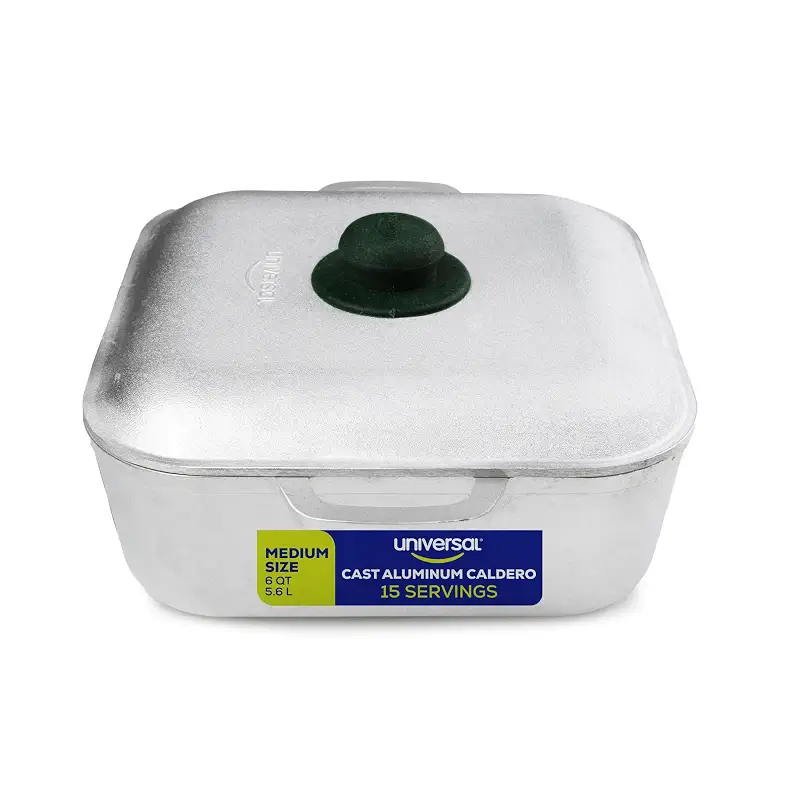
The Universal square caldero reimagines the shape to address a real kitchen pain point: round pots waste corner space on rectangular cooktops and stovetops. This 10-inch square design fits more efficiently while delivering the same 6-quart volume, and buyers report that the extra usable surface area actually improves heat distribution and makes stirring feel more natural. Cast aluminum construction mirrors the Imusa and Frynest approach, providing reliable, even heating for rice, stews, and braised dishes without nonstick coatings to peel.
The pot handles stovetop and oven transitions well (lid not oven safe, but pot itself goes to the broiler), making it adaptable for recipes that start on the burner and finish in heat. The eco-friendly rice husk lid knob is a nice design touch, and early buyers praise the overall build quality and value proposition. Compared to the Gotham Steel's focus on cleanup convenience, this pot appeals to cooks who want traditional heat retention and are willing to hand-wash in exchange for durability and the square-footprint advantage.
One realistic caveat: the handles and lid knob don't have heat insulation, so they become quite hot during cooking. Buyers also note the lid fitment isn't always perfectly flush in all corners, though this doesn't prevent cooking success. The square design is still novel enough that some cooktops may not support it as evenly as a round base, so compatibility with your specific stove is worth considering.
Pros
Square footprint uses cooktop space more efficiently
Cast aluminum interior resists rust and seasons naturally
6-quart capacity suits family meals and batch cooking
Cons
Handles and lid knob get extremely hot, require mitts
Lid fitment inconsistent; not always flush in all corners
Key features
10-inch square caldero with 6-quart capacity
Durable cast aluminum resists rust and deformation
Compatible with gas, electric, and glass-ceramic cooktops
Dishwasher safe with non-slip bottom for stability
#5 Pick
Best for Large Batches
Kirecoo
Kirecoo 8 Quart Stainless Steel Induction Stock Pot with Visible Lid | Heavy Duty, Even Heat, Thick Nonstick Base, Deep Cookware for Soup Pasta & Spaghetti, Ideal for Canning, Boiling & Simmering
4.4(1,904)
Heavy-duty stainless steel stock pot with 8-quart capacity, 5-layer induction base, and glass lid for scaling recipes.
Ideal for: Home cooks batch-preparing rice, families serving large meals, and those seeking durable stainless steel for long-term use.
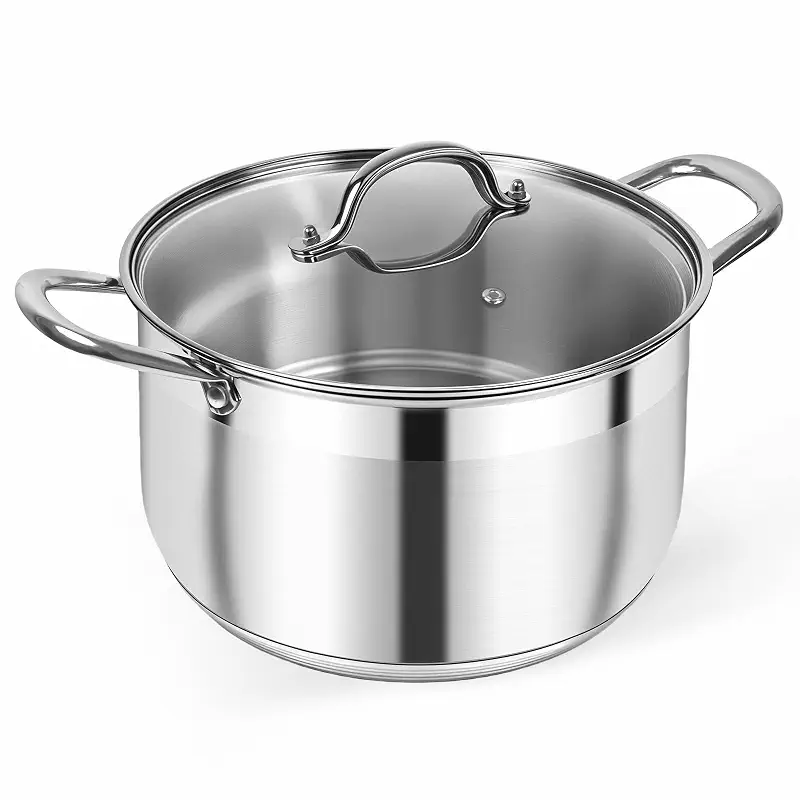
The Kirecoo stainless steel pot is built for volume cooking and versatility. At 8 quarts, it's the largest in this comparison, making it ideal for households that batch-cook rice and broth for the week, or for cooks who regularly host gatherings. The 5-layer base (aluminum, iron, aluminum core) ensures rapid heating and even distribution across the entire surface, crucial when you're filling a large pot with water and rice. Stainless steel resists reactivity with acidic or salty ingredients (a real advantage over aluminum for long-simmering broths), and the material won't develop patina or require seasoning: it simply cleans and lasts.
The tempered glass lid with steam vent lets you monitor rice without lifting, and the nonstick interior (a less common feature in large stainless pots) reduces the risk of sticking or scorching, especially helpful when you're cooking at volume and can't hover over the burner. Riveted handles feel secure even when the pot is full and hot. Induction compatibility rounds out the package, making this pot adaptable to future kitchen upgrades.
Where the Kirecoo differs from the caldero range is in aesthetic and cooking philosophy. This is pure function: professional-grade thermal performance with minimal fuss. Trade-offs include the weight (significantly heavier than aluminum options when full), a longer preheat time than smaller calderos, and occasional reports of spots on the stainless exterior that need elbow grease to remove. If you're comparing this to the best pot for chili or other long-simmered braises, the 8-quart capacity and thermal mass genuinely excel; rice cooks just as well, but the pot shines when volume is your priority.
Pros
8-quart capacity ideal for batch cooking and gatherings
5-layer base heats quickly and distributes evenly
Nonstick interior reduces sticking on large volumes
Cons
Significant weight when full requires careful handling
Takes longer to preheat than lighter aluminum calderos
Key features
8-quart stainless steel stock pot with 5-layer base
Nonstick interior for effortless food release and cleanup
Induction-compatible and works on all cooktop types
Tempered glass lid with steam vent, oven safe to 350°F
How to Choose the Best Rice Pot
Four trade-offs that actually matter when matching a pot for cooking rice to your kitchen.
Capacity and Household Size
A 5-quart pot handles everyday cooking for 4–6 people comfortably, while 8-quart models suit batch cooking or frequent entertaining. Consider not just your household size but how you actually cook: if you make large batches and freeze portions, a 6- to 8-quart caldero or stock pot saves multiple rounds of cooking. Smaller pots heat and cool faster, so they're better for solo or couple cooking where speed matters.
Material and Heat Distribution
Uncoated aluminum calderos (cast or stamped) excel at even, responsive heating and season naturally over time, ideal for traditional recipes. Nonstick ceramic pots offer convenience and easier cleanup but require gentler care and aren't suited to high-heat searing. Stainless steel with a multi-layer base resists reactivity and scratching, making it the most durable long-term choice, though heavier and slower to heat. Match the material to your cooking style: heavy, patient simmer versus quick weeknight prep.
Cooktop Compatibility
Gas and electric coil burners work with any pot shape. Glass-ceramic and induction cooktops require flat, responsive bases; most modern calderos now include induction plates, but older cast calderos may not. Check the product details if you're upgrading to an induction stove. Round pots center more easily on most burners, while square designs waste less stovetop real estate but may sit unevenly on older cooktops.
Lid Quality and Steam Control
A tight-fitting lid with a steam vent is essential for consistent rice doneness: it traps moisture while allowing excess pressure to escape safely. Glass lids let you monitor cooking without lifting, preserving heat and steam. Metal lids are more durable and heat-resistant but block visibility. Ensure the lid sits flush; gaps allow steam to escape unevenly and can lead to undercooked or mushy rice. Some calderos develop lid fitment issues, so read recent reviews from your exact model before ordering.
Handle Design and Heat Safety
Pots for rice cooking sit on heat for extended periods, so handle insulation matters. Silicone or rubberized handles stay cooler, while bare aluminum or metal gets extremely hot and requires thick pot holders throughout cooking. For smaller pots lifted frequently (draining pasta or fluffing rice), cool handles are genuinely safer. Larger stockpots may have two side handles plus a lid knob: check that all three stay manageable without burns.
Frequently asked
Quick answers to the questions readers ask most.
What's the difference between a caldero and a stock pot?
Calderos are traditionally round-bottomed or wide-mouthed aluminum pots with sloped sides, designed for slow simmering and gentle stirring: perfect for rice, beans, and stews. Stock pots are taller, often stainless steel, with straighter sides optimized for boiling large volumes of water or broth. A caldero prioritizes heat retention and even warming; a stock pot prioritizes capacity and rapid boiling. For rice cooking specifically, calderos excel, though a well-made stock pot works fine too.
Can I use a nonstick pot for cooking rice?
Yes, and it has real advantages: rice releases easily, cleanup is minimal, and you need little to no oil. However, nonstick coatings wear over time, especially if you use metal spoons or subject the pot to high heat. If you cook rice frequently (multiple times weekly), a ceramic or seasoned aluminum pot may outlast a nonstick option. Nonstick is ideal for occasional rice cooking or households that prioritize convenience and dishwasher use over long-term durability.
Should I hand-wash or use the dishwasher?
Hand washing preserves uncoated calderos and maintains their seasoning; dishwashers can strip the natural patina. Nonstick and stainless pots tolerate dishwashers better, though hand washing extends their life. Most modern rice pots list dishwasher safety in specs, but gentle hand washing with a soft sponge is always the safest approach, especially if you want your pot to last a decade or more.
Why does my rice stick to the bottom of the pot?
Sticking usually signals uneven heat, insufficient water, or the pot settling onto a cooktop with a cold zone. Make sure your burner size matches the pot base, and use a medium heat setting once water comes to a boil. Uncoated aluminum pots need proper seasoning; cook greasy or salty dishes first to build a natural nonstick layer. If you're using an induction cooktop, confirm the pot has a magnetic base: incompatible bases heat poorly and create hot spots.
Which pot is easiest to clean after cooking rice?
Nonstick ceramic pots like the Gotham Steel require only a rinse or quick sponge wipe, making them easiest overall. Seasoned calderos clean readily once the seasoning is established (first few uses may stick slightly). Stainless steel pots are durable but water spots and mineral buildup can show, requiring more attention to dry fully. If cleanup speed is your priority, nonstick ceramic wins; if you tolerate a few extra minutes for durability, calderos or stainless steel are worth it.