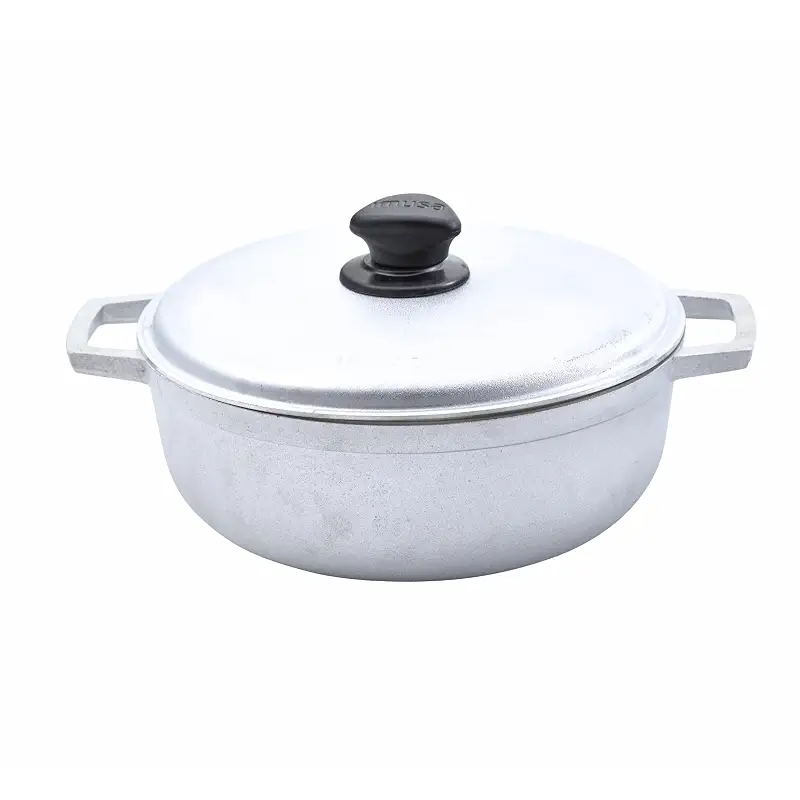
Ideal for: Home cooks preparing traditional rice, beans, stews, and Hispanic recipes for family meals.
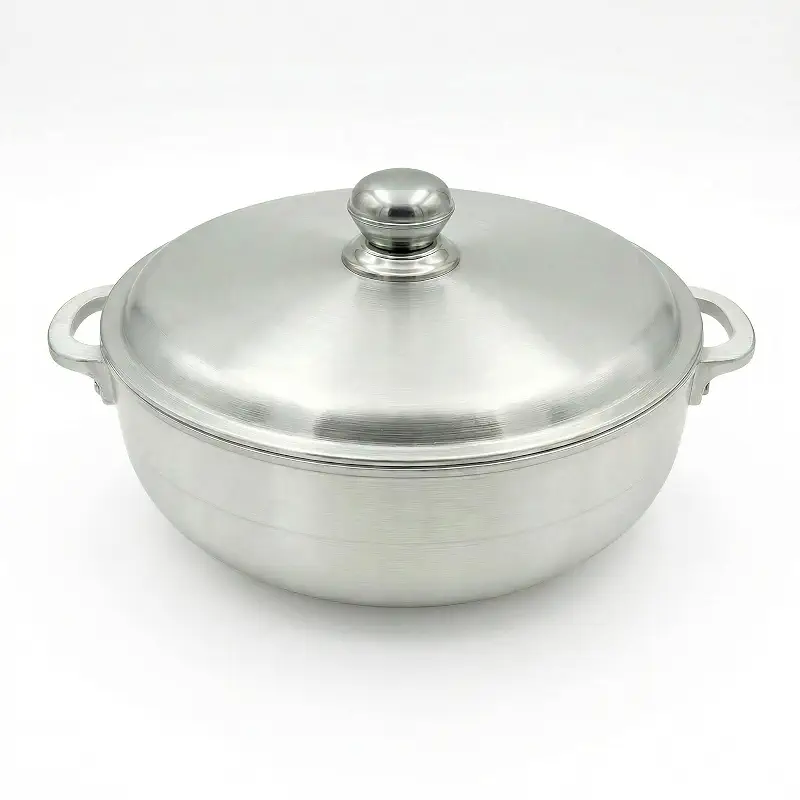
The Imusa caldero has earned a loyal following in kitchens where rice and beans are everyday staples. The 4.8-quart capacity and cast-aluminum construction deliver heat across the entire base, which matters when you're cooking for a family. Owners consistently report that rice comes out fluffy and evenly cooked, and the pot transitions beautifully from stovetop to table as a serving dish.
Lid fit is a real concern in this lineup, though, and it shows up repeatedly in reviews. Some buyers receive units where the lid sits loose or doesn't seal properly, which affects moisture control during cooking. If you're primarily making rice where steam retention is crucial, this inconsistency warrants careful inspection upon arrival. Many satisfied owners suggest keeping foil handy as a backup just in case.
Compared to the Gotham Steel nonstick option, the Imusa trades modern ceramic coating for traditional seasoning and a wider, shallower shape that's specifically designed for rice-centric cooking. If you cook predominantly Hispanic or Caribbean dishes and prefer aluminum over nonstick surfaces, this is where many home cooks land.
Pros
Cast aluminum heats evenly across entire base without hot spots
Large 4.8-quart capacity handles family-sized portions
Sturdy, thick walls develop seasoning over time for natural nonstick quality
Doubles as serving dish when brought straight to table
Cons
Lid fit inconsistency reported by multiple reviewers; loose seals affect moisture control
Uncoated surface requires seasoning and careful handling to prevent discoloration
Key features
4.8-quart cast-aluminum body with uncoated cooking surface
Tight-fitting glass lid with steam vent for moisture management
Oven safe without lid; traditional wide shape for even rice cooking
Easy-grip handles and seasons naturally over time for improved nonstick properties
#2 Pick
Best for Multipurpose Cooking
Gotham Steel
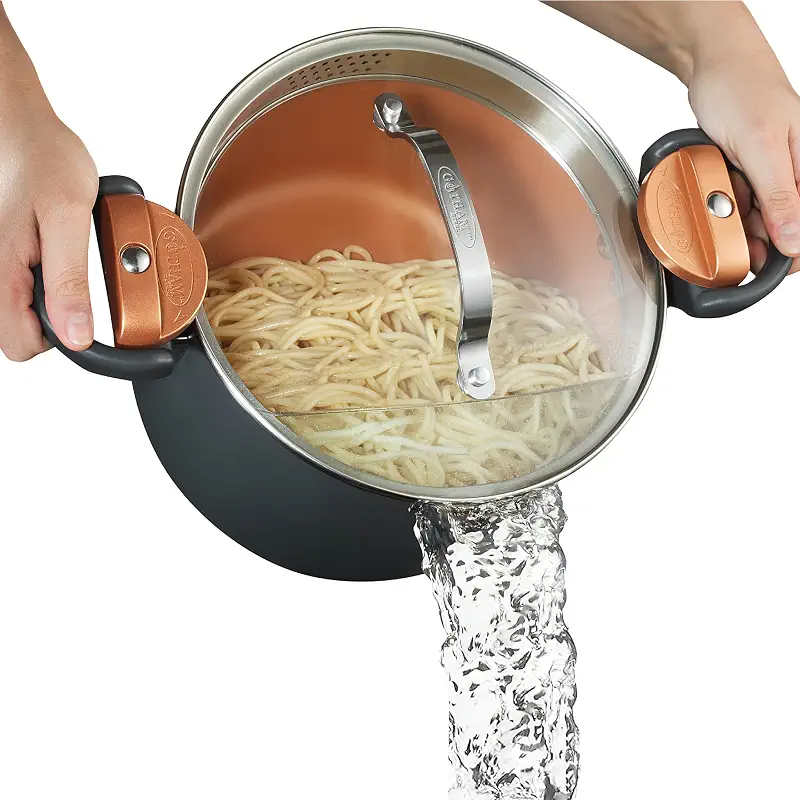
Gotham Steel 5 Quart Stock Pot Multipurpose Pasta Pot with Strainer Lid & Twist and Lock Handles, Nonstick Ceramic Surface Makes for Effortless Cleanup with Tempered Glass Lid, Dishwasher Safe | Twist and Lock Handles, Non Toxic Ceramic Non Stick Coating, for Cooking Soup, Spaghetti, Rice, Dishwasher Safe - Copper
4.5(14,205)
Nonstick ceramic stockpot with built-in strainer lid, ideal for pasta, rice, soups, and everyday one-pot meals.
Ideal for: Busy home cooks who cook pasta, rice, soups, and curries and value easy cleanup and multipurpose function.
The Gotham Steel 5-quart pot solves a common kitchen frustration: draining pasta without a separate colander. The twist-and-lock strainer lid keeps food secure while you pour, which appeals to anyone who's juggled pots and colanders. Owners love the ceramic titanium nonstick coating for effortless cleanup after cooking rice, curries, or reduced sauces. At under 3 pounds, it's light enough to handle comfortably even when full.
Heat distribution is solid across the aluminum base, and rice comes out without sticking when you use reasonable caution with oil or butter. The glass lid lets you monitor cooking progress without releasing steam. One trade-off: the ceramic surface, while durable, requires wooden or silicone utensils to maintain longevity, and some owners note the lid itself feels thinner than the pot body.
Where this differs from the traditional caldero is versatility. If you're splitting time between Asian rice bowls, Italian pasta nights, and everyday soups, the Gotham Steel's nonstick interior and strainer lid earn their counter space. It won't develop the seasoning patina of cast aluminum, but it handles whatever you throw at it with minimal sticking.
Pros
Built-in strainer lid eliminates need for separate colander when draining pasta or grains
Triple-coated ceramic titanium nonstick surface releases food with minimal oil
Lightweight aluminum body heats evenly without hot spots or scorching
Twist-and-lock handles keep lid firmly in place during draining and pouring
Cons
Ceramic nonstick requires wooden or silicone utensils; metal utensils risk coating damage
Lid material noticeably thinner than pot body; not as robust overall construction
Key features
5-quart nonstick ceramic stockpot with integrated strainer lid and twist-lock handles
PFOA-free titanium-reinforced ceramic coating rated for healthier, toxin-free cooking
Tempered glass lid with shatter resistance for visible cooking and heat retention
Oven safe up to 300°F; performs on gas, electric, ceramic, and halogen cooktops
#3 Pick
Best Budget Caldero with Induction Support
Frynest
5.5-Quart 11-Inch Traditional Caldero Pot with Silver Aluminum Lid, Aluminum Rice Pot for Arroz, Beans, Soups and Stews, Induction Compatible
4.7(39)
Affordable 5.5-quart aluminum caldero with flat induction-compatible base for rice, beans, and budget-conscious cooks.
Ideal for: Budget-conscious home cooks on induction cooktops who cook rice, beans, and stews regularly.
The Frynest caldero fills the niche for home cooks who want traditional caldero cooking at a lower price point and need induction compatibility. The 5.5-quart size is practical for smaller families, and the uncoated aluminum interior heats quickly with no cold pockets. Reviewers highlight excellent performance for rice and stews, and the flat base genuinely works on induction cooktops, which matters for anyone without gas or electric.
The metal handles become intensely hot during cooking, though, requiring you to use thick pot holders every time. That's a real safety consideration, especially in a busy kitchen with kids or if you're the type to grab handles reflexively. One buyer received a significantly larger pot than ordered, which suggests potential quality-control issues worth confirming upon arrival.
Compared to the Bobikuke Korean option, the Frynest stays true to the traditional caldero form and uncoated aluminum, while the Korean pot adds nonstick coating and a more compact, specialized shape. If you're prioritizing affordability and traditional cooking method over convenience features, this delivers solid value.
Pros
Induction-compatible flat base works on all cooktop types including induction
Rapid heat distribution eliminates cold pockets; rice cooks evenly throughout
Uncoated aluminum interior develops seasoning and improves with use
5.5-quart capacity handles family meals at entry-level price point
Cons
Solid metal handles conduct heat intensely; pot holders required at all times during cooking
Quality-control inconsistency: some buyers reported receiving larger pot than ordered
Key features
5.5-quart uncoated aluminum caldero with traditional wide base and rounded sides
Induction-compatible flat bottom; works on gas, electric, ceramic, and induction cooktops
Fitted metal lid oven safe up to 350°F for heat retention and moisture control
Dishwasher safe but hand wash recommended; smooth interior cleans easily
#4 Pick
Best Specialty Pot for Soups and Korean Dishes
Bobikuke
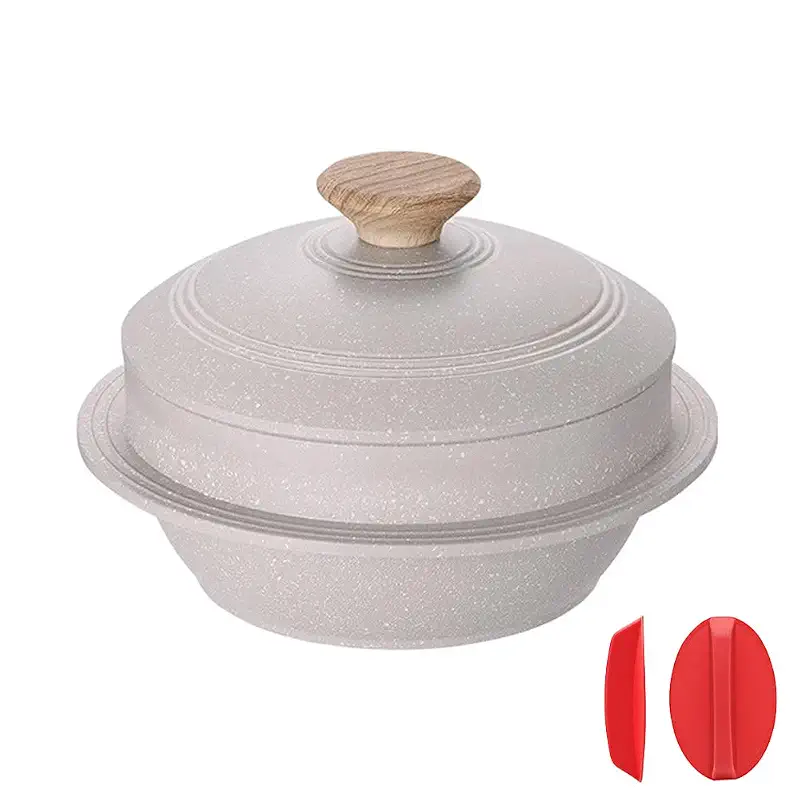
Korean Dutch Oven, Rice Pot, 63 oz Enameled Cast Aluminum Pot with Lid, Korean Stone Bowl for Induction, White
4.5(130)
Compact enameled aluminum Korean stone bowl with nonstick coating, ideal for stews, rice, and smaller household portions.
Ideal for: Home cooks preparing Korean soups, stews, and rice for one to two people; specialty Asian cuisine enthusiasts.
The Bobikuke Korean pot brings a different philosophy to rice cooking: smaller scale, specialty design, and even heat retention that appeals to two-person households or anyone who makes frequent Korean soups and stews. The 63-ounce capacity is modest compared to larger calderos, but it's precisely right if you cook for one or two and want to avoid leftovers. The multilayer nonstick coating means food releases easily, and the pot handles induction, gas, and electric cooktops.
Owners consistently praise how evenly this pot heats and how well it retains warmth, which keeps rice tender and soups at proper serving temperature. The included silicone pot holders are thoughtful safety touches. The aluminum construction is noticeably lightweight compared to cast options, which some view as convenient and others as less substantial.
Where the Bobikuke diverges from the Frynest caldero is design philosophy. The Korean pot prioritizes nonstick convenience and specialized heat retention for specific cuisines, while the Frynest sticks with traditional uncoated aluminum and broader versatility. If your repertoire centers on Korean and Asian comfort foods or you live alone, the Bobikuke's shape and coating make sense; if you're cooking large batches of paella or Spanish rice, you'd outgrow this quickly.
Pros
Multilayer nonstick coating allows food to release without added oils; easy cleanup
Excellent heat retention keeps rice tender and soups at ideal serving temperature
Induction compatible and works on all cooktop types; includes two silicone pot holders
Compact 63-ounce capacity ideal for smaller households; minimal storage footprint
Cons
Lightweight aluminum construction may feel less substantial than heavier cast-aluminum pots
Limited capacity unsuitable for large family meals or batch cooking
Key features
63-ounce enameled cast-aluminum Korean specialty pot with traditional circular shape
PFOA-free multilayer nonstick coating for healthy, effortless food release
Induction compatible and universal cooktop support; includes protective silicone handles
Heat-retentive design for slow-cooking, simmering, braising, and specialty soups
#5 Pick
Best Small Saucepan for Rice Portions
Sensarte
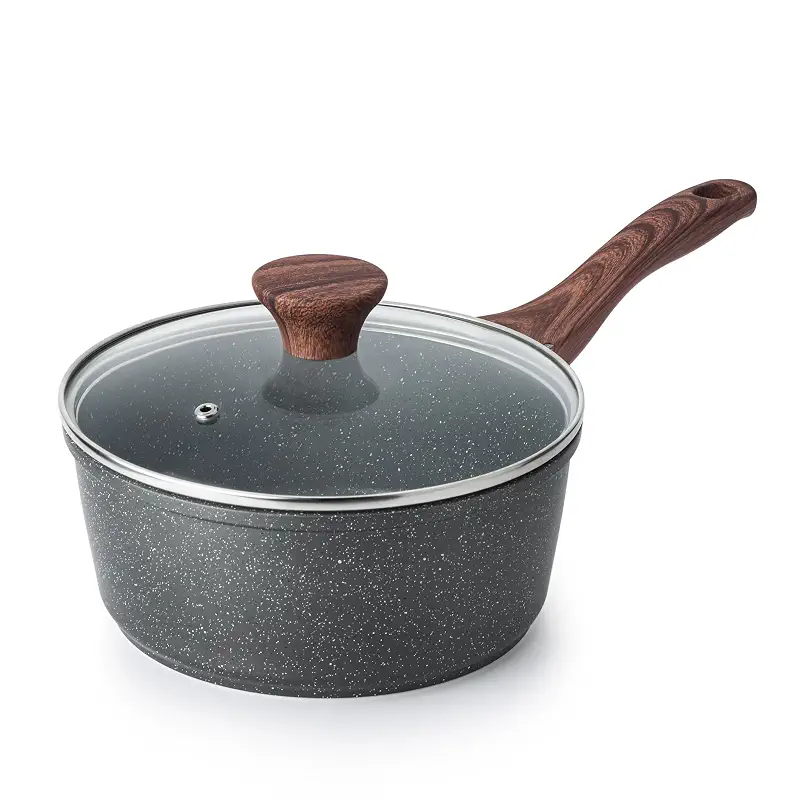
SENSARTE Nonstick Saucepan with Lid, 1.5 Quarts Small Pot with Swiss Granite Coating, Stay-cool Handle, Multipurpose Handy Sauce Pot Small Kitchen Cooking Pot, Induction Comptable, PFOA Free | Small Pot with Swiss Granite Coating, Sauce Pot Kitchen Cooking Pot, Induction Compatible
4.6(9,219)
Compact 1.5-quart nonstick saucepan with Swiss granite coating, perfect for individual or two-person rice bowls and side dishes.
Ideal for: Solo cooks, couples, and small households cooking individual rice portions or side dishes.
The Sensarte saucepan operates at the smallest end of the rice-pot spectrum, and that's its strength for specific situations. If you're cooking rice for one or two, heating grains, or preparing sauces alongside a main dish, this 1.5-quart vessel does the job without wasting space or energy. The Swiss granite nonstick coating earns consistent praise from owners for releasing rice and sauces without sticking, and the dual-pour-spout design prevents dribbling when you transfer rice to a serving bowl.
The construction feels substantial for its size, with a thick cast-aluminum core and induction-compatible stainless-steel base. The wooden handle and wooden lid knob stay cool during cooking, which is both practical and aesthetically pleasant. At under a pound, it won't strain your wrist or storage cabinet.
The limitation is obvious: at 1.5 quarts, this isn't a family pot. If you're regularly cooking rice for more than two people, you'd be refilling constantly. Compared to the larger calderos in this lineup, the Sensarte trades capacity for efficiency and ease of storage. It pairs well with the best pot for chili if you're outfitting a small kitchen or apartment with essential pieces, or as a companion pot to your main cookware.
Induction compatible with universal cooktop support; heats evenly without hot spots
Dual pour spouts on each side prevent dribbling and messy transfers
Lightweight and compact; stays cool-handled with wooden knob and handle throughout cooking
Cons
1.5-quart capacity unsuitable for families or batch cooking; requires frequent refilling
Small size limits versatility for larger dishes or entertaining
Key features
1.5-quart nonstick saucepan with Swiss ILAG granite coating and PFOA-free finish
Induction compatible high-magnetic stainless-steel base; heats quickly and evenly
Tempered glass lid with steam-vent hole; woodgrain bakelite handle stays cool
Dual pour-spout rim design prevents splashing; oven safe to 302°F
How to Choose the Right Rice Pot
Four trade-offs that actually matter when matching a pot to cook rice to your kitchen.
Size and Household Needs
Rice pot capacity ranges from 1.5 quarts for individuals to 5.5+ quarts for families. A 4- to 5-quart pot serves most households of four to six people. If you cook rice daily or prepare large batches for entertaining, lean toward the larger calderos. Smaller saucepans work for side portions or cooking for one to two. Consider your stove width too: a 12-inch caldero takes up most of a standard cooktop, which can be tight if you like cooking multiple dishes simultaneously.
Material and Heat Distribution
Cast aluminum calderos and uncoated aluminum pots heat quickly and develop seasoning over time, which improves their nonstick properties. They're durable and traditional, but require hand washing and careful storage to prevent discoloration. Nonstick ceramic-coated pots offer convenience and easy cleanup but need wooden or silicone utensils to preserve the coating. Each approach has trade-offs: aluminum feels more substantial and improves with age, while ceramic prioritizes hassle-free cooking for busy kitchens.
Cooktop Compatibility
Most traditional calderos work on gas and electric stovetops, but if you have induction, you need a pot with a flat, ferromagnetic base. Many modern aluminum pots now feature induction-compatible bottoms without sacrificing traditional design. Check the product specifications carefully, as induction compatibility varies significantly even within similar-looking pots. Some buyers discovered their induction cooktop rejected pots they thought would work, so verify before purchasing if induction is your primary cooking method.
Lid Quality and Moisture Control
A well-fitting lid with a steam vent is essential for rice cooking. Loose or misaligned lids let steam escape, resulting in dry rice or uneven cooking. Glass lids let you monitor progress without lifting, which helps maintain temperature. Metal lids with tight seals trap moisture better but require peeking blind. The rice water ratio and stovetop cooking steps work best when the lid stays in place throughout simmering, so inspect fit carefully before committing to your purchase.
Handle Design and Safety
Solid metal handles conduct heat intensely during cooking and require pot holders at all times. Silicone or woodgrain-wrapped handles stay cooler and more comfortable. If you have young children in the kitchen or tend to reach for pots reflexively, cooler-touch handles are worth prioritizing. Consider how the pot feels when full, too: a lightweight option is easier to maneuver, while heavier construction sometimes feels more durable and stable on the burner.
Frequently asked
Quick answers to the questions readers ask most.
Can I use a caldero for dishes other than rice?
Absolutely. Calderos excel at soups, stews, beans, braised meats, and sauces. Their wide, rounded shape and even heat distribution make them versatile for any dish that benefits from simmering or slow cooking. Many owners use their caldero for paella, curries, and even frying. The wide opening makes stirring and adding ingredients easy, which is why they've remained popular across many cuisines for generations.
How do I season an uncoated aluminum pot?
Wash the new pot thoroughly with soap and water, dry it completely, and wipe the interior with a thin coating of neutral oil. Place it on medium heat for a few minutes until it smokes lightly, then let it cool. Repeat this process two or three times. The oil polymerizes and creates a natural nonstick layer. After seasoning, cook fatty dishes like beans or stews to build up more seasoning. Avoid acidic foods initially, as they can strip the seasoning.
What's the difference between nonstick ceramic and traditional nonstick coatings?
Ceramic nonstick coatings are PFOA-free and made from minerals instead of synthetic fluoropolymers, making them a safer choice for health-conscious cooks. They perform well for rice and moderate cooking but wear faster than traditional nonstick under high heat or metal utensils. Traditional nonstick (Teflon) is more durable but contains chemicals some prefer to avoid. Ceramic is easier to clean and replace if it wears, while cast aluminum simply improves with time and requires no replacement.
Is induction compatibility important for rice cooking?
It depends on your cooktop type. If you cook on gas or electric, induction compatibility doesn't matter. If your kitchen has induction, it's essential. Induction cooktops only work with ferromagnetic metals like iron or specially treated aluminum, so a traditional caldero likely won't work. Many modern aluminum pots now include induction-compatible bases, but always verify specifications before purchasing if you rely on induction cooking.
How do I prevent rice from sticking in an uncoated aluminum pot?
Build seasoning gradually through repeated cooking, especially with fatty dishes. Use proper rice-to-water ratios and bring water to a boil before adding rice. Once rice is added, reduce heat to low and don't stir. The initial boil creates a slight crust that releases easily once rice finishes cooking. If sticking occurs, add a teaspoon of oil to the cooking water, and rinse your rice before cooking to remove excess starch, which contributes to adhesion.