Best WDT Tool for Espresso | Top Distributors for Baristas
Find the best WDT tool for espresso. Compare needle designs, build quality, and ergonomics for consistent puck prep. Guide to Weiss Distribution Technique tools.
Verdict, analysis, and key features for each pick.
#1 Pick
Best Overall
Meion
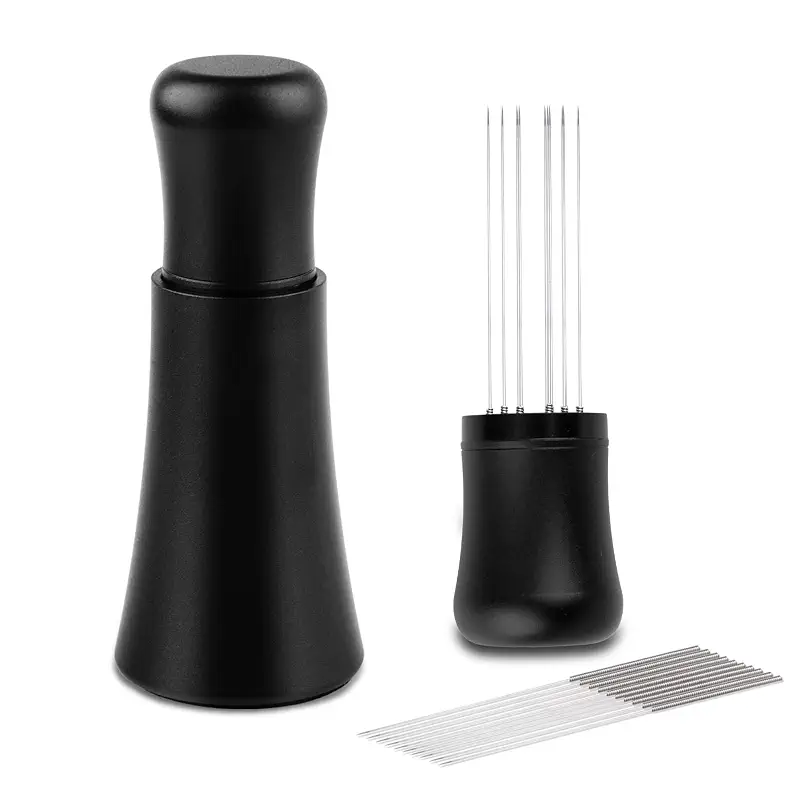
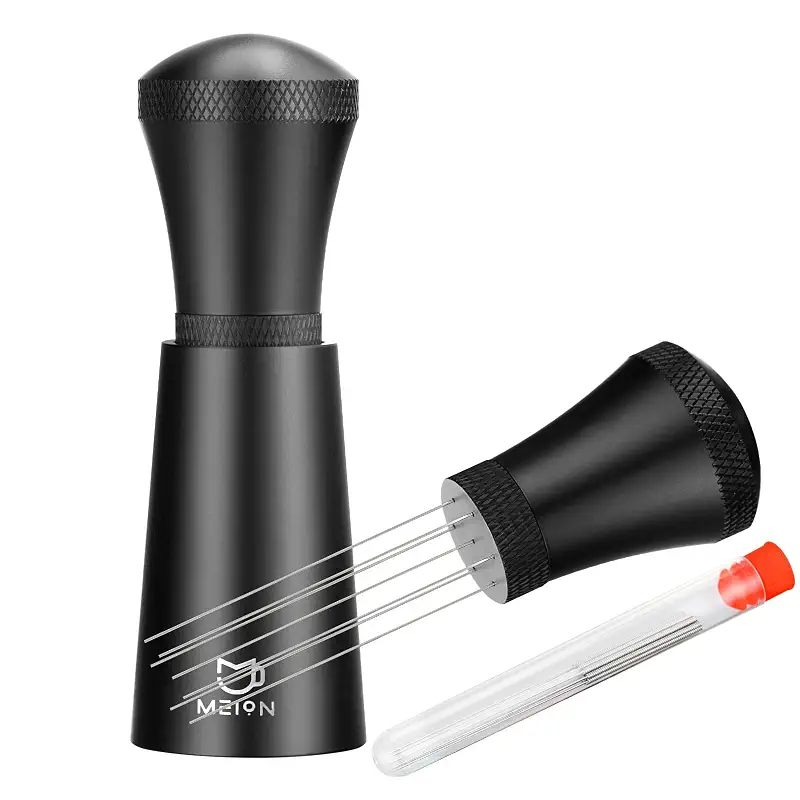
WDT Espresso Distribution Tool Espresso Stirrer Tools for Barista, 0.35mm 7 Needles Espresso Coffee Stirrer with Extra 7 Replaceable Needles, Aluminum Alloy Handle with Stand (Black)
4.6(1,593)
Well-balanced design with 14 replaceable needles, solid aluminum construction, and genuine value for daily espresso prep.
Ideal for: Budget-conscious home baristas who want proven functionality without paying for premium finishes.
This Meion tool offers the combination of practical engineering and affordability that draws home baristas back to it repeatedly. The 0.35mm needle diameter sits in the sweet spot for breaking clumps without over-agitating grounds, and the ability to configure anywhere from 3 to 7 needles lets you dial in the distribution pattern that suits your grinder. Many users land on three needles in a triangle as their preferred setup after initial experimentation.
Build quality here is straightforward and honest. Aluminum handle, stainless steel needles, and a weighted base that keeps everything stable on the counter. The included storage tube for spare needles eliminates the frustration of tracking down replacements later. Cleanup is fast: a quick rinse and the tool is ready to go.
Compared to the Subminimal Flick, this tool trades retractable mechanics and magnetic mounting for simplicity and lower cost. That's the right trade for anyone who values straightforward functionality over fidget-toy appeal. Where the Normcore emphasizes hand-feel and premium materials, this Meion focuses on the job itself without the aesthetic premium.
Pros
Configurable needle count from 3 to 7
Includes 14 total needles with storage tube
Aluminum handle and stand with solid weight
Easy to clean and assemble/disassemble
Cons
Needles are exposed when not in use
No magnetic or retractable features
Key features
0.35mm stainless steel needles, 14 total (7 installed, 7 spare)
Adjustable needle configuration from 3 to 7 needles
Aluminum alloy handle and base with protective stand
Food-grade 304 stainless steel construction
Includes needle storage tube for organization
#2 Pick
Best for Protection and Style
Subminimal
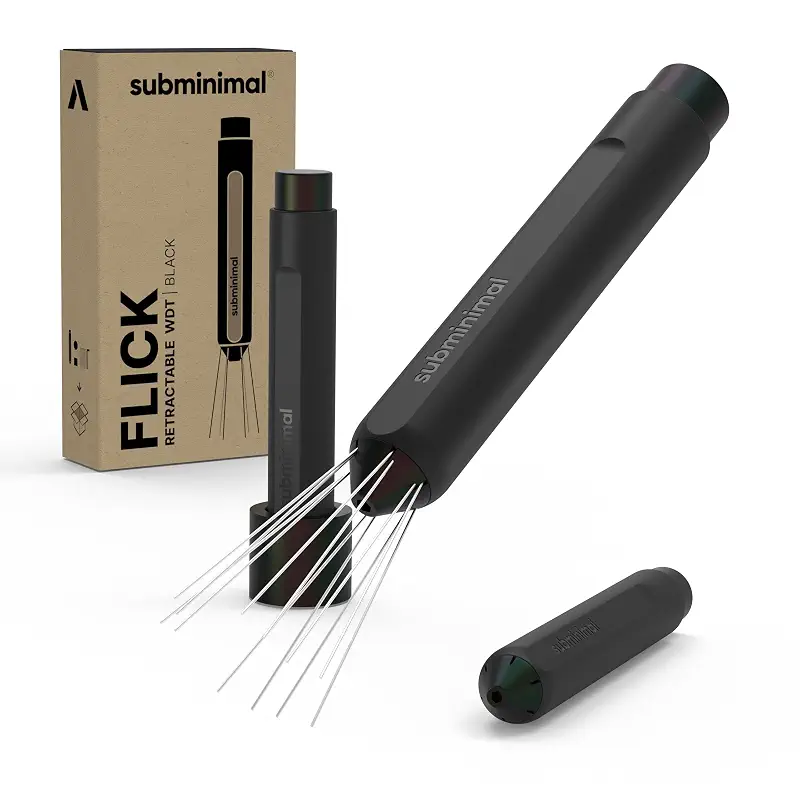
Subminimal Flick WDT Espresso Distribution Tool - Retractable Needle Tamper | Barista stirrer tool, coffee & espresso machine parts, includes two sets of replacement needles and base, magnetic release
4.7(803)
Premium retractable design with magnetic mounting options and protective needle storage ideal for espresso enthusiasts who value durability and aesthetics.
Ideal for: Espresso enthusiasts who value needle longevity, premium build quality, and integrated tool storage on their coffee bar.
The Subminimal Flick stands out for solving a real annoyance: bent needles. The retractable mechanism extends needles on demand and retracts them instantly, keeping them safe from accidental damage or deformation. This alone makes it worth considering if you've lost needles or spend money replacing bent ones regularly. Build quality feels noticeably refined: the tool has genuine heft and precision that speaks to careful engineering.
What elevates this beyond function is the magnetic release. You can mount it directly to your espresso machine or on a magnetic wall strip, turning storage into part of your setup's visual design. The included stand and wall magnet give you flexibility depending on your counter layout. Many owners describe the click-and-flick motion as genuinely satisfying: it becomes part of the ritual.
Against the Wissxoer option, the Flick costs more but gives you retractable protection and magnetic mounting that justify the step up for someone who's rough on gear or wants a tool that doubles as a design element. The trade-off is complexity; it's more mechanism to learn and eventually maintain than the straightforward needle-in-handle approach.
Pros
Retractable needles stay protected when not in use
Magnetic mounting to machine or wall
Solid premium build quality and finish
Includes replacement needles and magnetic stand
Cons
Higher cost than fixed-needle alternatives
More complexity means more potential maintenance points
Key features
One-click retractable needle deployment with magnetic release
Premium stainless steel with refined aluminum construction
Magnetic mount options for machine or wall attachment
Includes two sets of replacement needles
Sleek minimalist design fits any modern coffee bar aesthetic
#3 Pick
Best Built-In Cleaning Feature
Nessus
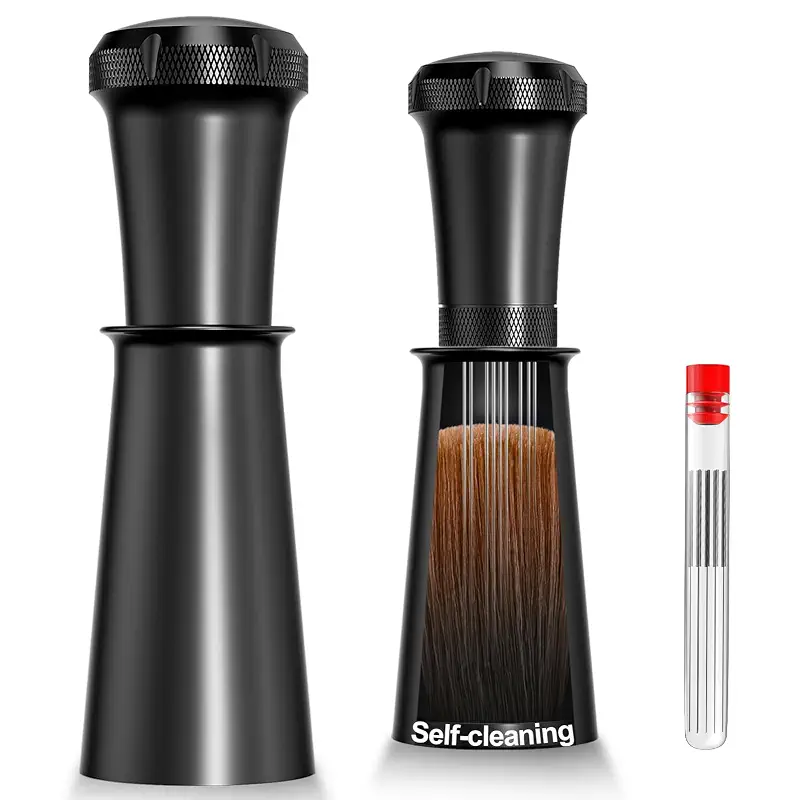
Nessus WDT Espresso Distribution Tool, Espresso Accessories with Built-in Cleaning Brush, 0.35mm 10 Needle Distributor and Extra 10 Needles for Espresso Stirrer, Aluminum Handle with Stand for Barista
4.4(572)
Unique integrated brush design simplifies needle cleaning between shots, though assembly tolerance issues may frustrate initial setup.
Ideal for: Busy home baristas who appreciate time-saving features and want needles clean with minimal extra effort.
The Nessus tool introduces a practical problem-solver: a built-in cleaning brush inside the handle base. After stirring grounds, you insert the needles into the brush and withdraw: dirt falls away without needing a separate cleaning ritual. For anyone who switches between different beans or hates fussy cleanup, this feature alone saves time and keeps needles hygienic between uses.
The ten needles with ten spares, flexible needle configuration (5 through 9 needles), and aluminum construction all hit the expected marks. Ergonomic design is solid and the silicone bottom pad keeps things quiet on the counter. Several users reported that assembly required patience due to tight tolerances on the needle holes: some pins didn't slide smoothly and risked bending during installation. This appears inconsistent across units (possibly manufacturing variation), so it's worth being gentle during initial setup.
Versus the Normcore V3, the Nessus prioritizes the cleaning convenience feature over handle materials and hand-feel. If you value keeping needles pristine without extra steps, the integrated brush wins. If you care more about needle count customization and aesthetic handle options (walnut wood), the Normcore edges ahead despite higher cost.
Pros
Integrated cleaning brush inside base simplifies maintenance
Flexible needle configuration from 5 to 9 needles
Includes 20 total needles (10 installed, 10 spares)
Non-hollow base design keeps interior tidy
Cons
Tight manufacturing tolerances can make initial assembly difficult
Some users report bent needles during setup if not inserted carefully
Key features
Built-in cleaning brush for quick needle maintenance between shots
0.35mm stainless steel needles, 20 total included
Configurable needle count from 5 to 9 needles
Aluminum alloy handle with noise-reducing silicone base
Non-hollow base design prevents ground accumulation
#4 Pick
Best for Premium Hand-Feel
Normcore
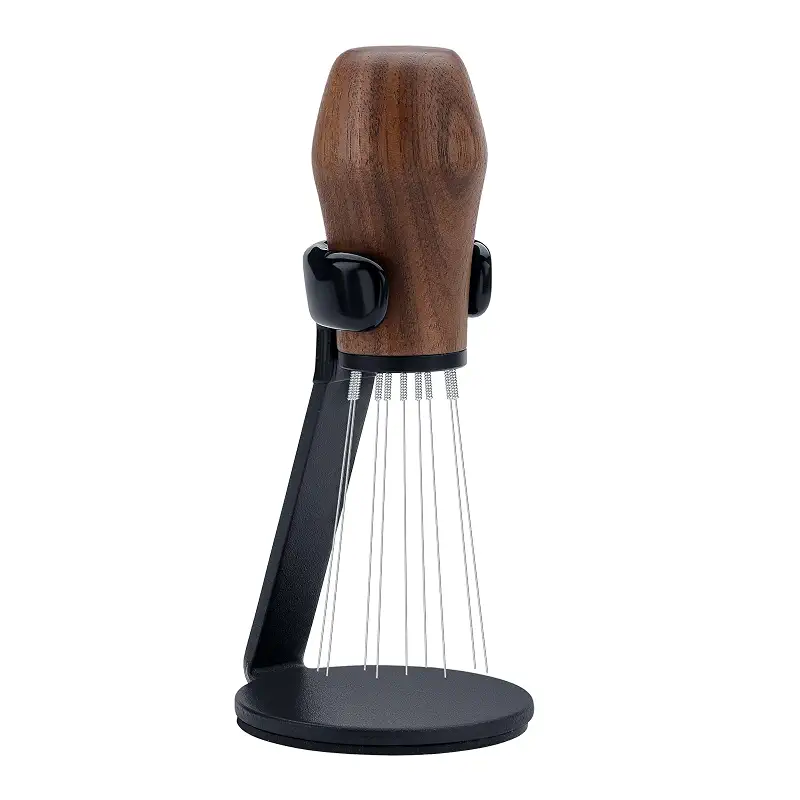
Normcore WDT Distribution Tool with Stand V3, Weiss Distribution Technique, 9 Prong Needle Espresso Stirrer, American Walnut Wood Handle
4.5(663)
High-quality materials and thoughtful needle options deliver noticeable improvement in shot consistency, though assembly of needles into tight slots requires care.
Ideal for: Coffee enthusiasts who want premium build quality and appreciate the ability to choose between two needle gauges for fine-tuning.
Normcore's V3 represents the premium approach to WDT design. The walnut wood or CNC-machined aluminum handle feels substantial and refined in hand: this is a tool designed for people who also own quality grinders and scales. What sets it apart functionally is the dual needle options: 0.25mm and 0.3mm needles, each set of nine, allowing you to fine-tune needle thickness based on your grinder and desired distribution pattern.
Users report that shifting from other WDT tools to the Normcore V3 often produces immediately noticeable improvements in shot pull: less channeling, more balanced extraction. The weighted stand keeps the tool stable on the counter and protects needles when docked. Some owners noted that the bottom bracket slots can be tight and require patience inserting all needles without bending them, though once seated they hold securely.
Where the Nessus emphasizes cleanup convenience, the Normcore V3 prioritizes material quality and needle variety for dialing in. The walnut handle is purely aesthetic (function doesn't change) but it does make the tool feel like a worthy piece of your setup. Higher investment than the Meion, lower than the Flick, it sits as the serious home barista choice when paired with a best espresso grinder under 200 to keep overall equipment costs reasonable while prioritizing precision in puck prep.
Pros
Premium materials with walnut wood or aluminum handle options
Dual needle gauge options (0.25mm and 0.3mm) for customization
18 total needles included (9 of each gauge)
Weighted stand keeps tool stable and protected
Cons
Needle slots have tight tolerances requiring careful assembly
Higher cost than simpler fixed-needle designs
Key features
Walnut wood or CNC-machined aluminum handle with refined finish
Two needle gauges included: 9x 0.25mm and 9x 0.3mm needles
Premium 304 stainless steel needles with stable hold
Weighted stand with protective sleeve prevents scratching
Signature V3 design optimized for consistent workflow
#5 Pick
Best Value and Stability
Wissxoer
WDT tool, Espresso Distribution tools, 10 x 0.35mm 304 Stainless Steel Needles Installed with 10 Extra needles for Espresso Stirrer Replacement, Aluminum Alloy Handle with Stand (Matte black)
4.7(1,325)
Affordable all-aluminum construction with excellent needle retention, substantial weight, and proven daily reliability at a fair cost.
Ideal for: Daily espresso makers who want a substantial, reliable tool that doesn't require fussy assembly or maintenance.
The Wissxoer tool delivers serious value without cutting corners on materials or function. The all-aluminum construction (handle and stand) feels solid, and the base is genuinely heavy: it doesn't tip or shift when you're working grounds. The ten needles pre-installed plus ten spares give you room to experiment with needle count, and users consistently report that needles stay in place once seated, unlike some lighter competitors.
What appeals most to daily users is the no-fuss reliability. Owners report using this tool for months without needle loss or bending, and the matte black finish hides use marks better than shiny surfaces. The tool nests cleanly into its stand, keeping your espresso station tidy. At a glance, it's the Meion's slightly heavier, slightly more refined cousin: same functional philosophy, stronger construction feel.
Compared to retractable tools, the Wissxoer trades protective mechanics for durability and weight. The straightforward fixed-needle design means less to go wrong, and feedback from long-term users (nine months and beyond) suggests it holds up well. If you want something that just works day after day without gadgetry, this hits the mark.
Pros
Substantial aluminum construction with excellent stability
20 total needles (10 installed, 10 replacement)
Needles stay securely seated after initial placement
Matte finish resists visible wear and dust accumulation
Cons
Fixed needle design offers less customization than removable-needle models
No protective retractable or magnetic features
Key features
All-aluminum handle and base for durable construction
0.35mm stainless steel needles, 20 total included
Heavy weighted base prevents tipping during use
Matte black finish hides wear and dust effectively
Needles hold securely in place without constant adjustments
How to Choose a WDT Tool for Your Espresso Setup
Four trade-offs that actually matter when matching a wdt tool espresso to your kitchen.
Needle Gauge and Count
WDT needles typically range from 0.25mm to 0.4mm in diameter. Thinner needles (0.25mm to 0.3mm) break clumps more delicately and work better with fine, uniform grinds. Thicker needles meet more resistance from tightly compacted grounds and are harder to bend but less precise. Most tools come with 7 to 10 needles, though the ability to remove needles and adjust configuration (using 3, 5, or 7 depending on your grinder) gives you more control. Needle count and handle materials are key factors that differentiate products in this category.
Handle Material and Ergonomics
Handles range from aluminum alloy to premium wood (walnut). Aluminum is lightweight, durable, and easy to clean. Wood handles add aesthetic appeal but require careful drying and cannot be soaked. Grip texture matters if you're stirring grounds daily: a non-slip pattern or textured finish prevents the tool from rotating in your hand during use. The weight of the handle and base affects stability on the counter and how the tool feels during the stirring motion.
Storage and Protection
Fixed-needle tools require you to place needles carefully to avoid bending or denting them when stored. Retractable designs protect needles via a mechanical release, ideal if you've lost needles to accidental deformation. Magnetic mounting options let you attach the tool directly to your espresso machine, saving counter space and keeping it immediately accessible. A weighted stand or base keeps any WDT tool from tipping and provides a dedicated home on your coffee bar.
Maintenance and Cleaning
Most WDT tools need only a quick rinse after use. Some designs include integrated cleaning brushes that remove grounds when you insert the needles, saving an extra step. Stainless steel needles are rust-resistant and easy to clean. Consider needle count and handle materials when evaluating wdt tool cleaning and maintenance requirements: fixed-needle tools require no reassembly, while configurable designs demand care when reinserting needles to avoid bending them. Spare needle sets are a practical bonus that extends tool lifespan.
Frequently asked
Quick answers to the questions readers ask most.
What is WDT and do I really need a WDT tool?
WDT (Weiss Distribution Technique) is the practice of stirring espresso grounds in the portafilter to break up clumps and even out density before tamping. It reduces channeling and improves extraction consistency. If your grinder produces clumpy grinds or you notice inconsistent shot times, a WDT tool makes a real difference. Conical burr grinders with natural oils often benefit most; flat burr grinders with uniform grinds may see less improvement.
How many needles should I use in my WDT tool?
Many users find three needles arranged in a triangle as the optimal starting point. More needles distribute more thoroughly but can trap grounds and reduce agitation. Fewer needles allow more movement but cover less area. Experiment by adding or removing needles and watching how the grounds respond. Your basket size, grind size, and personal preference all matter: what works for one setup may not suit another.
Can bent or damaged needles be replaced?
Most WDT tools ship with replacement needles, and spares are widely available online. Replacements typically cost just a few dollars. Whether needles are user-removable depends on design: some are soldered or glued and cannot be swapped, while others slide out easily. Check product specifications before buying if replaceable needles are important to you, as some budget tools have fixed needles.
Does needle thickness matter?
Yes. Thinner needles (0.25mm to 0.3mm) penetrate fine grinds more easily and offer greater precision. Thicker needles (0.35mm to 0.4mm) are more durable and easier to straighten if bent, but provide less delicate distribution. Finer grinds pair better with thinner needles; coarser grinds tolerate thicker needles. Some tools include both gauges so you can switch based on your grinder and beans.
Should I use a WDT tool before or after the dosing funnel?
Use the WDT tool with the dosing funnel in place. This prevents grounds from spilling over the portafilter rim while you stir. Some designs allow you to stir with the funnel on and tamper while it's still attached, only removing the funnel after light initial compression. This minimizes mess and keeps your workflow clean.