Find the best scone pan for your baking style. Compare cast aluminum, ceramic, cast iron, and silicone options with expert guidance on heat, cleanup, and durability.
Ideal for: Home bakers who bake scones regularly and value uniform portions and effortless release.
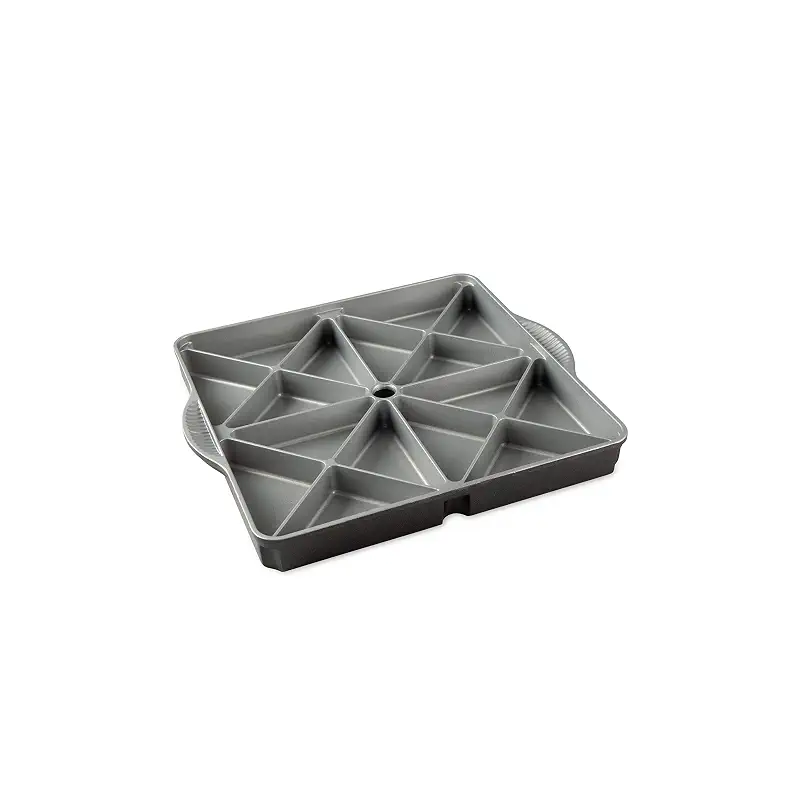
The Nordic Ware Procast Mini Scone pan has earned its strong reputation by solving a genuine problem: hand-cutting scones into neat triangles is tedious and imprecise. This cast aluminum design with 16 individual cavities removes that friction entirely. You portion dough, fill the wedges, bake, and the scones release cleanly by inverting the pan and giving it a gentle shake. The cast aluminum core conducts heat evenly, so all 16 scones brown consistently without the edge pieces darkening while center ones lag.
The premium PFAS-free nonstick coating lives up to its claims. Owners report the scones slide out reliably when the pan is seasoned properly before each use (a quick brush with vegetable shortening and a dusting of flour takes 10 seconds). Hand washing is required, which is a minor commitment compared to the time saved on shaping and cutting. The heirloom American-made construction suggests this is a one-time purchase; many owners say they've used it exclusively for scones for years.
The main trade-off is the pan's singular focus: it's built for scones, biscuits, and cornbread in small wedge form. If you want flexibility to bake larger cakes or brownies, cast iron vs. ceramic scone options might give you broader utility, but you'd sacrifice the precision shaping these 16 cavities provide.
Pros
16 cavities produce one full batch of mini scones at once
Cast aluminum conducts heat evenly for consistent browning
PFAS-free nonstick coating cleans quickly by hand
Heirloom-quality American construction lasts decades
Cons
Hand wash only; dishwasher use shortens nonstick life
Requires seasoning before each use for optimal release
Key features
Cast aluminum core with superior heat conductivity for even baking
16 individual wedge cavities in single pan, 4-cup total capacity
PFAS-free premium nonstick coating for chemical-free baking
Made in USA since 1946; hand wash recommended for durability
#2 Pick
Best Premium
King Arthur
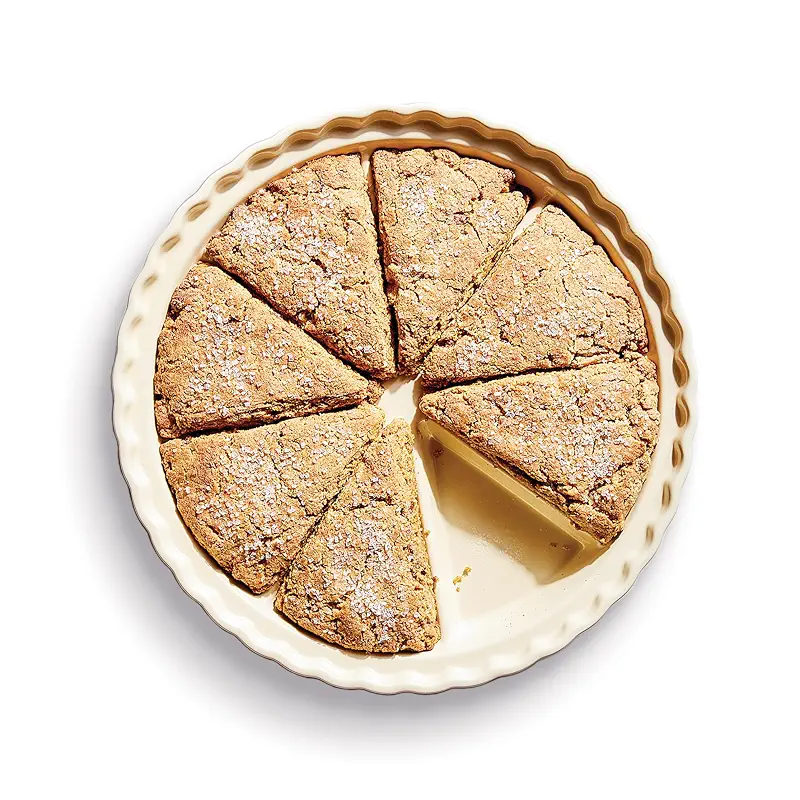
King Arthur Baking Company Ceramic Scone Pan, Ceramic, Distributes Heat Evenly, Makes 8 Uniform Scones
4.8(44)
Ceramic construction from a trusted baking authority; creates bakery-quality scones with even heat and doubles as a serving piece.
Ideal for: Bakers who value convenience, prefer dishwasher-safe options, and want to serve scones directly from the pan.
The King Arthur Baking Company Ceramic Scone Pan brings the expertise of a professional bakery supplier into home kitchens. Ceramic distributes heat evenly and promotes crisp edges while keeping centers fluffy, a combination many bakers struggle to achieve. The eight wedge cavities hold about half a cup each, which is a comfortable portion size without the ultra-small scale of some alternatives. The rustic ceramic finish has a genuine design advantage: once your scones finish baking, you can serve them directly from the pan at the table, turning functional bakeware into tablescale presentation.
This pan is dishwasher safe and free of lead, cadmium, BPA, and PFAS, which matters if you're sensitive to manufacturing standards. It's oven safe up to 480 degrees, making it suitable for a wide range of recipes. Compared to the Nordic Ware Procast Mini Scone, which requires hand washing and pre-seasoning, the King Arthur option is lower maintenance while still delivering professional results. The trade-off is fewer cavities per pan (8 versus 16), so you'll need two batches if you're baking for a larger group.
With only 44 reviews on record, this is a newer entry in the scone-pan category, so long-term durability feedback is still limited compared to more established models.
Pros
Ceramic construction free of lead, cadmium, BPA, and PFAS
Doubles as an attractive serving piece for table presentation
Dishwasher safe; no hand-washing requirement
Even heat distribution for crisp edges and fluffy centers
Cons
Fewer cavities (8) means smaller batches than cast aluminum options
Limited long-term owner feedback due to newer product status
Key features
Food-grade ceramic; oven safe up to 480 degrees Fahrenheit
Eight wedge cavities, each holding approximately ½ cup batter
Lead-, cadmium-, BPA-, and PFAS-free construction
Dishwasher safe with smooth interior for easy release and cleanup
#3 Pick
Best for Cast Iron Fans
Lodge
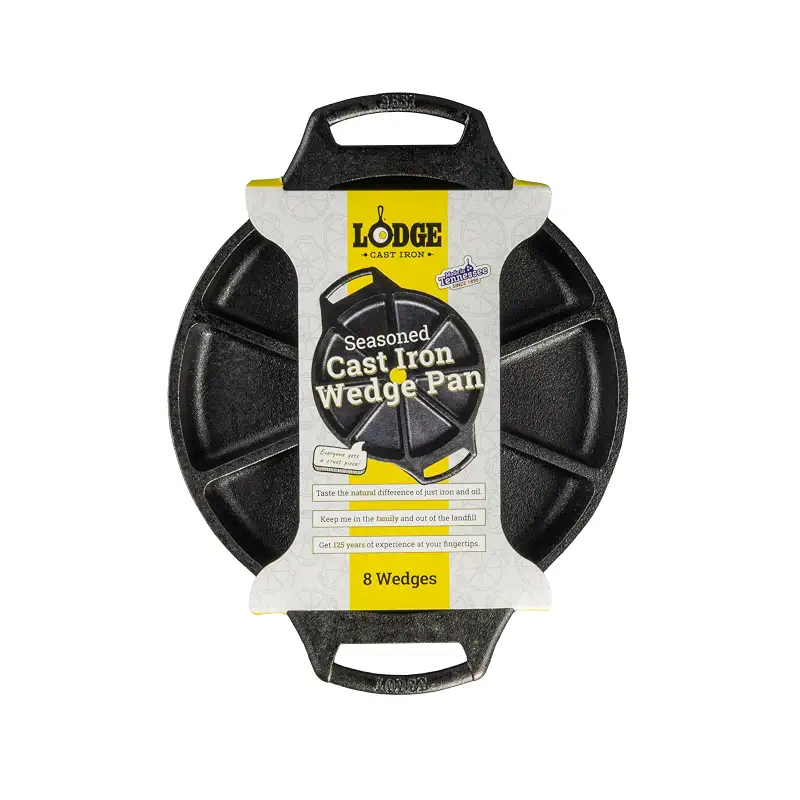
Lodge Pre-Seasoned Cast Iron Wedge Pan, 8 Wells, 11.69 Inches | Oven-Safe Bakeware with 8 Wedge Wells for Brownies, Cornbread Wedges & Scones, Made in USA, PFAS-Free
4.6(2,887)
Pre-seasoned cast iron with eight wedges; delivers crispy edges on every piece and builds seasoning with each use.
Ideal for: Cast iron enthusiasts who bake regularly and embrace seasoning maintenance for superior browning.
The Lodge Pre-Seasoned Cast Iron Wedge Pan appeals to cooks who already think in cast iron and trust its heirloom durability. Unlike nonstick aluminum or ceramic, cast iron gets better with age as you layer seasoning through repeated use. The eight wedge design ensures every scone (whether baked in a corner or center) gets edge-to-edge browning, which many bakers consider the gold standard for texture and flavor. The natural seasoning arrives ready to bake; you don't need to spend time prepping before first use.
Where the Lodge excels is in heat retention and even browning across all eight wedges simultaneously. Lodge has made cast iron since 1896, so the manufacturing process is refined and consistent. However, cast iron demands respect: you must season it properly before initial use if browning is poor, and many owners report that cornbread and scones stick until seasoning builds up. The weight is substantial, which some love for its durability and others find awkward to move in and out of the oven. Much like choosing between the top baguette pan and a specialty loaf tin, cast iron represents a material philosophy rather than a convenience play.
Hand washing is non-negotiable, and you'll use a bit more care to avoid rust. If you already own and use cast iron regularly, this fits seamlessly into your routine. If you're seeking the easiest possible scone pan, metal versus ceramic materials represent different philosophies.
Pros
Pre-seasoned and ready to use right out of the box
Eight wedges brown evenly for consistent edge-to-edge crust
Heirloom-quality construction; improves with use over decades
Excellent heat retention for bakery-quality browning
Cons
Requires proper seasoning to prevent sticking and rust
Heavy and requires hand washing; not dishwasher safe
Key features
Pre-seasoned cast iron with eight individual wedge cavities
Made in USA since 1896; heirloom quality for generations
Even heat distribution for crispy, browned edges on every piece
Hand wash only; seasoning improves with continued use
#4 Pick
Most Versatile
Vinino
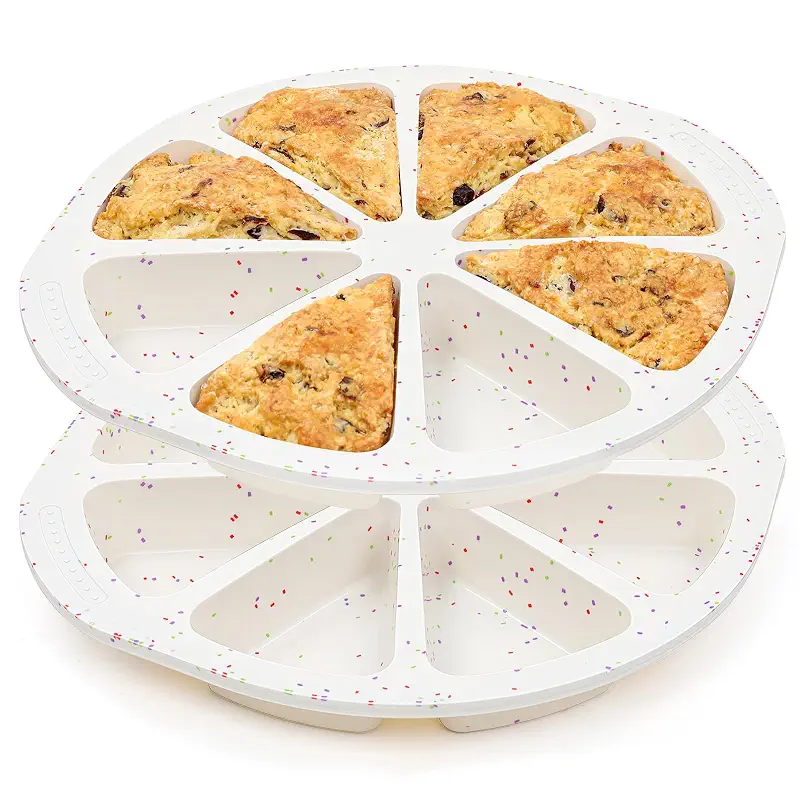
Vinino 2-Pack Silicone Scone Pan, 8-Cavity Scone Mold with Reinforce Frame | Nonstick Scone Mold With Non-Slip Handles for Brownies, Muffins, Cheesecake, Wedge Pan for BPA-Free, Oven, Dishwasher Safe
4.7(75)
Two silicone pans with metal-reinforced frames; versatile for scones, brownies, cheesecake, and batch baking with zero sticking.
Ideal for: Frequent bakers who want zero cleanup hassle, versatile use, and the ability to bake two batches simultaneously.
The Vinino 2-Pack Silicone Scone Pan solves one key frustration: silicone pans sometimes flop or bow under the weight of thick dough. Vinino addresses this with a metal-reinforced frame that holds its shape while baking, and the included non-slip handles make it genuinely easy to move from counter to oven. The two-pack format is practical for anyone who bakes more than one batch at a time; while one pan cools, you're already filling the second, which streamlines weekend brunch production.
Silicone releases baked goods beautifully without sticking, and cleanup is effortless: just warm water or the dishwasher. The eight triangular cavities are uniform, so all 16 scones (across both pans) bake evenly. Owners rave about how scones pop out intact with minimal effort, and the versatility is real: brownies, muffins, and mini cheesecake slices work equally well. The temperature range is broad (minus 40 to 446 degrees Fahrenheit), so you can prep dough in advance and bake from frozen. Where the Vinino trades against cast aluminum or lodge cast iron is slightly slower browning; sides don't brown as aggressively as metal pans, which some bakers view as a benefit (less edge-burning risk) and others perceive as a compromise on crust texture. If you prioritize convenience and versatility over maximum browning, the two-pan set offers exceptional value.
Compared to the Mrs. Anderson's single silicone pan, Vinino's reinforced frame and two-pack format make it a better choice for batch baking.
Pros
Metal-reinforced frame prevents bowing or warping during baking
Two-pack lets you bake two batches back-to-back efficiently
Nonstick silicone releases scones without sticking or tearing
Dishwasher safe and versatile for brownies, cheesecake, and muffins
Cons
Sides don't brown as aggressively as cast aluminum or iron
Requires placement on a baking sheet for transport stability
Key features
Food-grade silicone with metal-reinforced frame. BPA-free
Eight-cavity design; two pans included for batch baking
Temperature range minus 40 to 446 degrees Fahrenheit
Dishwasher safe; nonstick release eliminates sticking and tearing
Ideal for: Budget-conscious bakers seeking their first silicone scone pan with proven durability and straightforward cleanup.
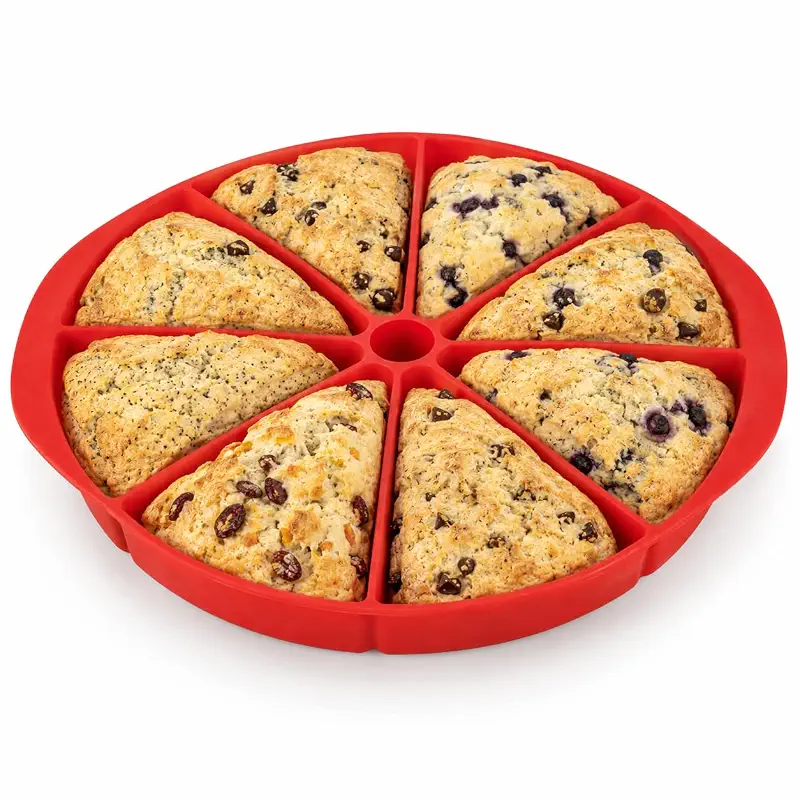
The Mrs. Anderson's Baking Silicone Scone Pan offers professional-grade construction at a modest investment. European-grade silicone is genuinely stronger and more durable than commodity silicone; it maintains its non-stick properties longer and resists the staining that plagues cheaper silicone. The reinforced design stands on its own without drooping, and the flexible silicone twists gently to release baked goods without distortion, which matters if you've ever fought to extract a scone from a flimsy mold.
The eight-scone capacity is standard for silicone pans, and the dimensions (each cavity roughly 4 by 3.33 by 1 inch) make portions substantial without being oversized. Dishwasher and freezer safe, it handles the full range from dough prep to cleanup without fuss. Many owners emphasize the quality-to-price ratio; for the cost, you're getting durable construction and reliable performance. One small note: a few owners mention that buttery residue can linger on the silicone despite thorough washing, though this is cosmetic and doesn't affect performance. If you're trying a silicone scone pan for the first time without committing to premium price, this is a smart entry point, though the Vinino two-pack offers better value if you plan to bake regularly.
Pros
European-grade silicone resists degradation and staining over time
Reinforced design prevents bowing; flexible twisting aids release
Freezer-to-oven performance; dishwasher safe for convenience
Eight uniform cavities deliver even baking and professional portions
Cons
Requires baking sheet underneath for stability during transport
Buttery residue may remain on silicone despite thorough washing
Key features
European-grade silicone; stronger and more durable than commodity options
BPA-free; temperature range minus 40 to 500 degrees Fahrenheit
Dishwasher safe and freezer compatible; hand-wash also acceptable
How to Choose a Scone Pan
Four trade-offs that actually matter when matching a scone pan to your kitchen.
Material Matters for Heat and Maintenance
Cast aluminum and cast iron conduct heat aggressively, promoting crispy, evenly browned edges and bottoms. Both require hand washing and some maintenance (aluminum needs nonstick-safe care; iron needs seasoning). Ceramic and silicone are lower-maintenance alternatives: both are dishwasher safe and require no pre-seasoning. Ceramic retains and distributes heat steadily, yielding balanced browning, while silicone browns more gently and releases scones with minimal sticking. If you value convenience over maximum crust, silicone or ceramic win. If you're chasing bakery-quality browning and don't mind hand-washing ritual, metal pans deliver. Much like shopping for the best aebleskiver pan, your material choice shapes your entire baking workflow, so pick based on maintenance tolerance, not just first impressions.
Cavity Count and Batch Size
Nordic Ware offers 16 mini cavities in a single pan, ideal if you bake large quantities at once. Most other options provide eight standard cavities, which is a comfortable single-batch size. The two-pack silicone format lets you run consecutive batches without waiting for cooling. Consider your typical baking rhythm: casual weekend scones might suit eight cavities, while regular brunch hosting or batch freezing favors 16-cavity aluminum or two-pan silicone systems.
Release and Nonstick Coating
Aluminum and quality silicone excel at release when treated properly. Aluminum requires pre-baking seasoning (vegetable shortening plus flour); silicone needs minimal prep but must rest on a baking sheet for stability. Cast iron demands heavier seasoning investment but improves over time. Ceramic doesn't require seasoning. If sticking frustrates you or you prefer a streamlined process, silicone or ceramic eliminate the seasoning step entirely, while cast iron rewards patience with flavor and heirloom durability. The silicone scone pan cleaning guide covers post-bake care tips that keep the nonstick surface effective over time.
Versatility Beyond Scones
Cast aluminum and cast iron are scone specialists with limited crossover. Silicone and ceramic handle scones, brownies, muffins, mini cheesecake, and cornbread equally well. Ceramic's rustic finish makes it table-appropriate, doubling as a serving vessel. If your kitchen has limited storage or you bake mixed items, silicone or ceramic multi-task better. Pure scone bakers won't miss the versatility, but home cooks who like flexibility should factor this in when choosing.
Frequently asked
Quick answers to the questions readers ask most.
Do I need to preheat the scone pan?
Preheating is optional but beneficial for all materials. Cast aluminum and cast iron benefit most from a hot oven (they conduct heat aggressively), which helps scones brown bottom-to-top evenly. Ceramic and silicone bake successfully at standard preheat temperatures without requiring extra heat. If using a cold pan with silicone, add 2-3 minutes to your total bake time. Cast iron cooks more reliably when preheated with the oven for at least 15 minutes.
Can I use cooking spray instead of seasoning my aluminum or cast iron pan?
Light cooking spray works for aluminum pans and is convenient, though solid shortening plus flour offers more reliable seasoning. For cast iron, cooking spray alone won't build proper seasoning over time. Cast iron benefits from heavier oil-based seasoning (vegetable or grapeseed oil), which polymerizes into protective layers. One quick spray per bake is fine for immediate use, but cast iron's long-term nonstick improvement comes from thicker seasoning protocols between bakes.
Why do my scones stick in silicone even though it's supposed to be nonstick?
Silicone pans generally release well, but overfilling cavities or using exceptionally wet dough increases sticking risk. A light spray of cooking oil before filling helps, and allowing scones to cool for 2-3 minutes inside the pan before removal gives the structure time to set. Make sure you're placing the silicone pan on a baking sheet before filling; an unsupported silicone pan can flex unpredictably and trap moisture. Post-bake care tips keep the nonstick surface effective over time.
What's the difference between cast aluminum and cast iron for scones?
Cast aluminum heats quickly and browns scones evenly but requires care to preserve the nonstick coating. Cast iron retains heat longer, creating darker, crispier edges, and improves as seasoning layers build. Aluminum pans are lighter and easier to handle; cast iron is heavier but delivers flavor-building browning that many bakers prefer. For pure convenience, aluminum wins. For long-term heirloom use and crust texture, cast iron is worth the extra effort and weight.
Is one scone-pan brand more reliable than others?
Nordic Ware, Lodge, King Arthur, and Mrs. Anderson's are all established manufacturers with strong reputations. Nordic Ware and Lodge have decades of American manufacturing heritage. King Arthur is trusted by professional bakers. Mrs. Anderson's focuses on silicone kitchen tools with European-grade materials. Choose based on your material preference (metal versus silicone, cast versus aluminum) and maintenance tolerance rather than brand alone. All five options in this roundup have solid owner satisfaction and durability records.