Best Rice Rinser: Top Strainer Bowls for Clean Grains
Find the best rice rinser for your kitchen. Compare stainless steel and plastic strainer bowls designed to wash rice, quinoa, and grains without waste.
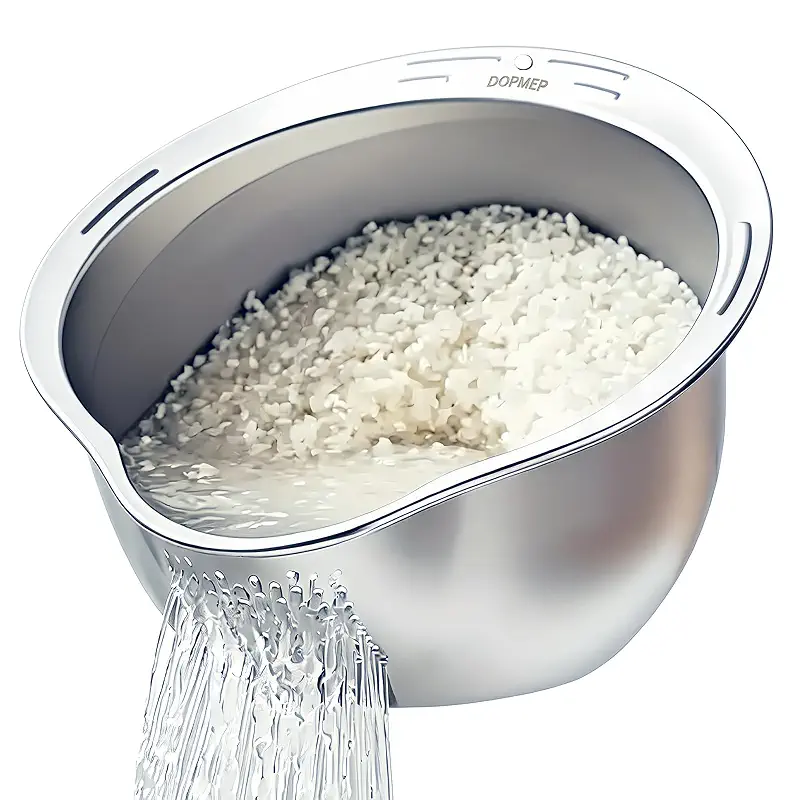
Ideal for: Home cooks who prepare rice regularly and want dependable stainless steel that doubles as a multipurpose strainer.
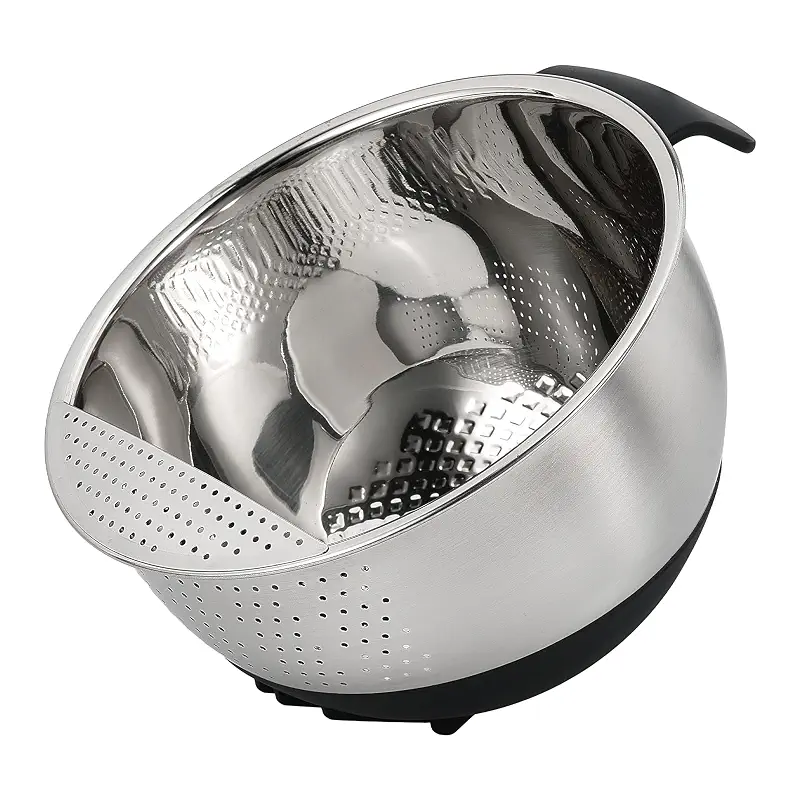
The Dopmep stainless steel option has earned its position as a kitchen workhorse. Owners consistently report that it keeps rice from escaping down the drain, which is the core frustration most home cooks want solved. The side drain design lets you tilt and pour without constantly holding the bowl, and the slanted bottom helps water flow away naturally. The stainless steel construction means it won't degrade over years of daily use the way plastic can.
I think what matters most here is how this bowl handles the social part of cooking. If you're washing rice for a family of four or prepping multiple grains at once, having something that doesn't require constant vigilance makes cooking feel less like a chore. Owners love using it for soaking beans and washing vegetables, too, which extends its kitchen value beyond just rice prep. Once your grains are clean, the best pan to cook rice will make the difference between mushy and perfectly fluffy results.
One caveat worth noting: some buyers have raised questions about the material composition, with a few reviewers questioning whether it's truly premium stainless steel or aluminum. Most users report satisfaction over years of ownership, but if material certification matters to you, asking the seller directly about specifications is worth doing before purchase.
Pros
Side drainers allow hands-free water removal with tilt design
Stainless steel resists rust and staining over time
Spacious bowl handles large batches of rice or vegetables
Dishwasher-safe for quick cleanup
Cons
Material composition questioned by a few buyers
Some rice loss reported with certain grain types
Key features
Stainless steel construction with slanted base for efficient draining
Precision-cut side drain holes retain grains while expelling water
Multipurpose design for rice, quinoa, vegetables, fruits, and beans
Ideal for: Cooking enthusiasts who want premium stainless steel and have space for a spacious rice-washing bowl.
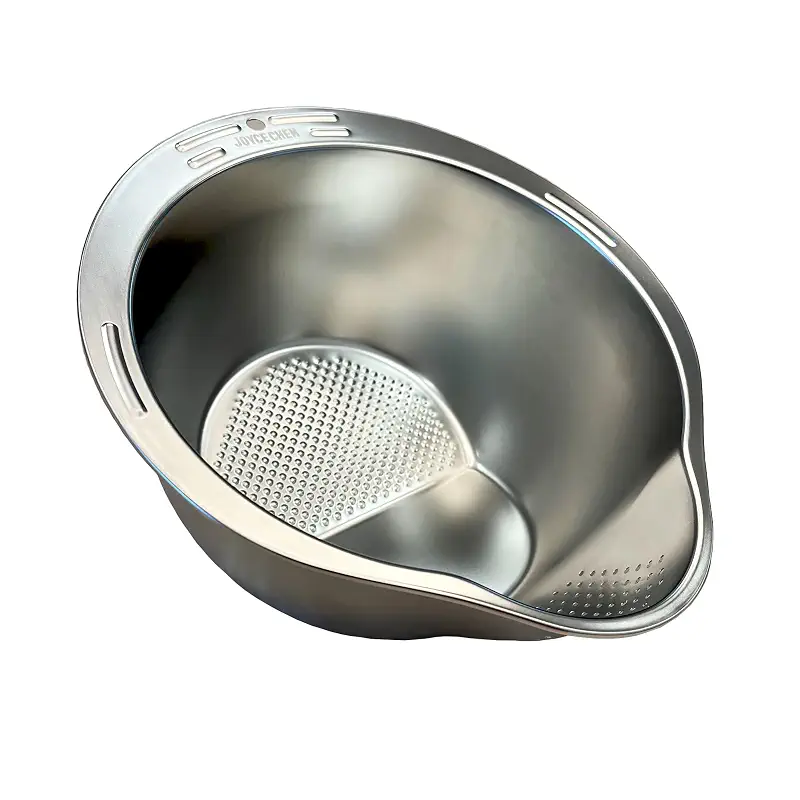
Joyce Chen brings a heritage of thoughtful kitchenware to this model, and it shows in the details. The agitator bumps on the bowl's bottom are more than decoration; owners find they genuinely help loosen and lift starch as you swish rice through the water. The 9.5-inch width is genuinely roomy, which matters if you're cooking for a crowd or someone who prefers to do bigger batches of prep work at once. Compared to the Dopmep Rice Washer Strainer Bowl, this one prioritizes depth and surface area over the side drain convenience.
The stainless steel here is solid, and multiple owners emphasize how well it avoids rust and keeps its finish. The angled bottom is smart geometry; tipping it forward drains water methodically without requiring you to hold it at an angle or pour over the sink edge. I'd reach for this if you appreciate the Japanese rice-cooking tradition and want a tool that handles soaking as well as quick rinsing.
The main trade-off is storage. Several owners mention wishing it were smaller, and the deeper basin means it takes up more counter or cabinet space than a lightweight plastic option. Some grains do get stuck in the drainage holes, requiring a quick tap or nudge to release them, which is minor but worth expecting.
Pros
Textured interior bumps help remove starch and debris effectively
Large 9.5-inch basin handles generous rice quantities
Angled bottom and drain design for controlled water removal
High-quality stainless steel with corrosion resistance
Cons
Larger footprint requires more cabinet or counter storage
Grains occasionally catch in drainage holes and need gentle tapping
Key features
Agitator bumps on interior bottom for starch removal assistance
Large 9.5-inch basin accommodates multiple cups of rice and grains
Angled bottom for efficient forward-tipping drainage
Properly sized drain holes balance water flow with grain retention
#3 Pick
Best Budget Option
Inomata
Inomata Plastic Japanese Rice Washing Bowl with Strainer, 2 quart | Strainer
4.6(3,167)
Lightweight Japanese plastic built for everyday rice washing with excellent grain containment.
Ideal for: Budget-conscious cooks who rinse rice regularly and value lightweight convenience and easy storage.
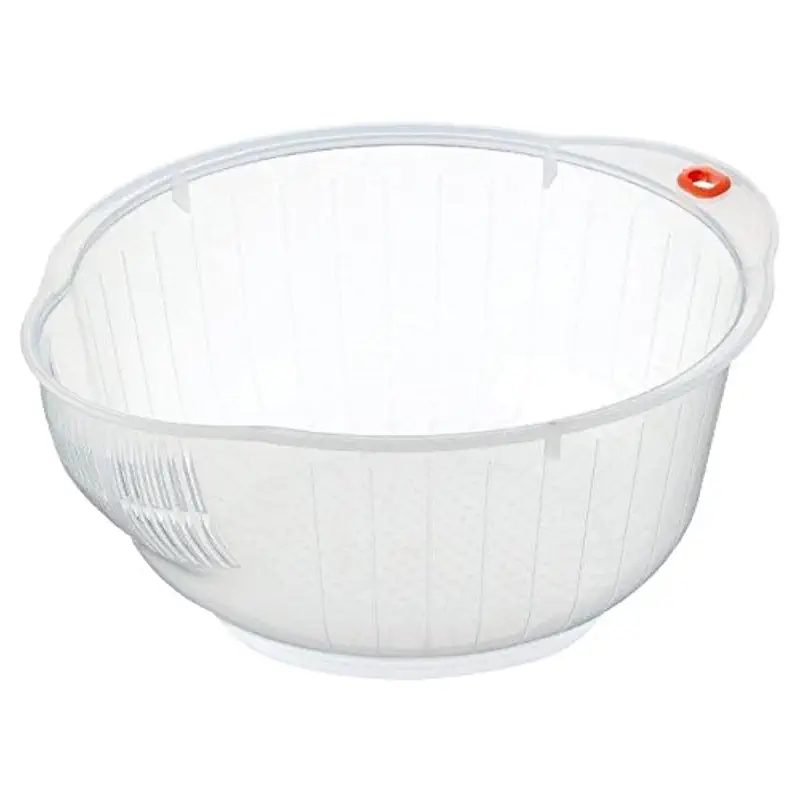
The Inomata rice washing bowl arrives from Japan with a singular, well-executed mission: make rinsing rice easy without losing grains down the drain. Owners consistently praise it for exactly that. The 2-quart capacity is right-sized for typical household rice portions, and the side drain is positioned perfectly to let starch escape while rice stays put. Made from food-grade polypropylene, it weighs almost nothing, which matters if you're rinsing grains multiple times a week and don't want arm fatigue.
I'd point toward this if your kitchen space is tight or if you want something you can grab without thinking about it. The plastic is durable enough to handle daily dishwasher cycles, and owners report years of reliable use. Multiple buyers mention it pairs beautifully with a best korean rice cooker, where the size and drainage speed align perfectly with typical cooking routines. Where the OXO Good Grips Rice & Small focuses on tiny grains like quinoa, this bowl stakes its claim with medium to larger grains, particularly Asian rice varieties.
One limitation is practical rather than design: plastic won't conduct or retain heat the way stainless steel does, so if you wanted to use this for hot water tasks, stainless steel would be better. A few owners note that very small grains like quinoa can sometimes slip through, though most find it works well enough for mixed grain prep.
Pros
Affordable price point without compromising durability
Lightweight plastic ideal for frequent daily use
Japanese design with proven track record of reliable grain containment
Top-rack dishwasher safe and BPA-free food-grade material
Cons
Plastic material not suitable for hot water or prolonged boiling
Very fine grains like quinoa occasionally pass through drainage holes
Key features
Japanese-designed 2-quart polypropylene bowl with side drain
Food-grade BPA-free plastic rated for dishwasher safety
Side spout allows water drainage while rice settles and drains slowly
Compact size fits easily in cabinets and works with rice cooker portions
#4 Pick
Best for Small Grains
OXO
OXO Good Grips Rice & Small Grains Washing Colander | Strainer for Rinsing Grains, Extra Drain Holes to Remove Excess Water, Non-Slip Handles, Ideal for Rice, Quinoa, and Barley
4.8(6,495)
Engineered for quinoa, millet, and tiny grains with controlled water pooling and square-hole design.
Ideal for: Cooks who frequently prepare quinoa, millet, or other small grains and want zero grain loss.
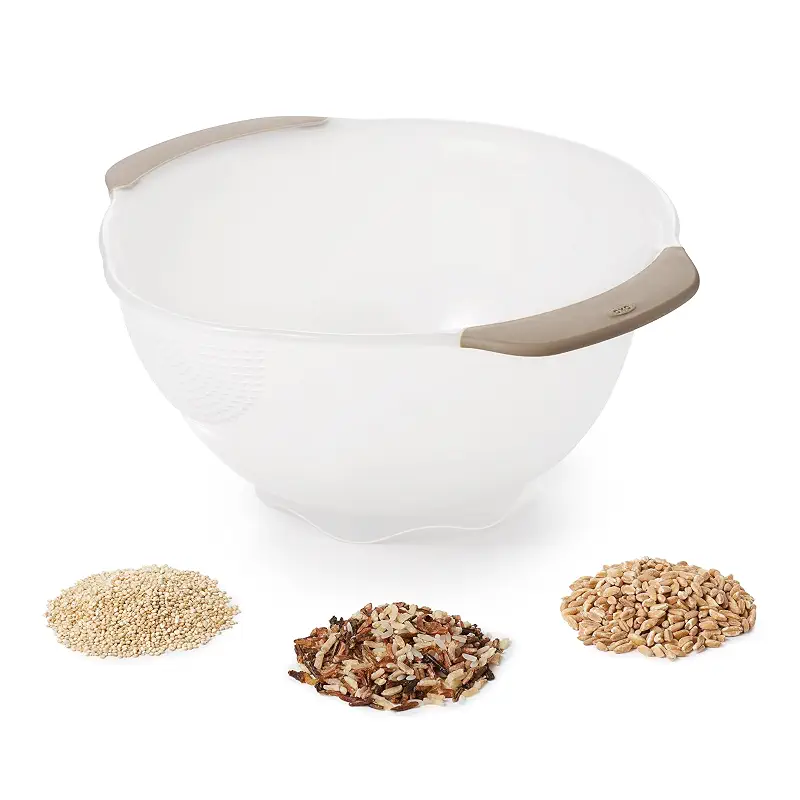
OXO Good Grips Rice & Small takes a different approach than most rice rinsers. The engineering focuses on those frustrating tiny grains where standard colanders fail and many rice bowls let grains escape. The square-hole design is deliberate. OXO tested this specifically because small grains roll and tumble differently than rice. Owners who cook quinoa regularly consistently choose this over everything else in its category. The water pools briefly before draining, which is genius for one simple reason: you can see when the water runs clear. Most of the time, you're guessing.
Compared to the Inomata Plastic Japanese Rice Washing Bowl, which excels at medium grains, the OXO prioritizes the smallest stuff. If your cooking routine centers on quinoa, buckwheat, millet, or you're someone who washes berries and lentils often, this is the design that respects those ingredients. The non-slip handles are comfortable for shaking and pouring, and the heavy plastic feels premium in hand. Multiple owners mention using this almost daily for five years without degradation, which speaks to durability despite the higher price point.
The trade-off is that it's a specialist tool. If you primarily cook jasmine rice or other medium-grain varieties, you might find the drainage slightly too slow and the holes somewhat limiting for volume. OXO built this for precision, not speed, which means it's excellent at its job but not ideal if you value pure efficiency over grain-saving.
Pros
Square-hole design specifically engineered for tiny grain containment
Water pools to visually confirm when grains are clean
Controlled drainage rate prevents grains from escaping
Heavy durable plastic with comfortable non-slip handles
Cons
Slower drainage rate may feel inefficient for larger grain volumes
Smaller holes mean occasional rice pieces catch and need manual removal
Key features
Square-hole design specifically engineered for quinoa and small grains
Water pooling feature shows when rinsing is complete
Pour spout with extra drain holes removes excess water
Non-slip ergonomic handles reduce hand fatigue during rinsing
#5 Pick
Best Multipurpose Strainer
Dopmep
Rice Washing Bowl with Strainer Stainless Steel Quinoa Washer Bowl | Side Drainers Colander for Cleaning Fruits, Vegetables, and Beans - Versatile Kitchen Tool
4.5(427)
Versatile stainless steel with fine mesh drainage and textured interior for grains, vegetables, and legumes alike.
Ideal for: Home cooks who want a single versatile strainer for rice, grains, vegetables, fruits, and beans.
This Dopmep Rice Washing Bowl with Strainer strikes a balance between specialization and versatility. The stainless steel construction is solid, the side drainers work reliably, and buyers rave about using it for everything from soaking lentils to washing asparagus and fresh herbs. The textured interior surface actually helps with cleaning; when you're scrubbing vegetables, that roughness provides grip and assistance. Owners who call themselves minimalists often report consolidating their colander and rice-rinsing duties into this single tool, which is the highest compliment a multipurpose kitchen item can receive.
The fine mesh strainers and microperforated design hold smaller grains without loss, while still managing larger items like beans and vegetable pieces. One reviewer specifically mentioned the silicone base keeps it stable on the counter, which addresses a common annoyance with other strainers that slide around during use. Compared to the Joyce Chen Premium Design Pick, this model leans toward accessibility and range rather than deep-dish capacity; it's built for households that want one excellent tool rather than multiple specialized ones.
A genuine consideration: the drainage holes sit lower on the bowl than some designs, so if you're soaking rice or vegetables in standing water, some leakage can occur through the side drains. A few owners also noted the steel feels lighter than expected, which some interpret as premium thinness and others as a reduction in heft. This is more material preference than defect, but knowing it beforehand helps set expectations.
Pros
Textured interior surface aids in cleaning vegetables and grains
Fine mesh drainage holes retain small grains while draining efficiently
Stainless steel durable and corrosion-resistant over years of use
Silicone base keeps bowl stable on counter during washing
Cons
Drainage holes positioned lower, allowing seepage during soaking
Lightweight stainless steel may feel less substantial than expected
Key features
Stainless steel construction with textured interior for grip and cleaning
Fine microperforated drainage holes for grain and legume containment
Silicone base prevents slipping and sliding during use
Multipurpose design handles rice, grains, vegetables, fruits, and beans
How to Choose the Right Rice Rinser
Four trade-offs that actually matter when matching a rice rinser to your kitchen.
Material: Stainless Steel vs. Plastic
Stainless steel rinsers last longer and resist rust, making them better for households that rinse grains several times a week or want a tool they'll use for decades. Plastic options are lightweight, affordable, and sufficient for casual use, though they can degrade over time and absorb odors. If durability and a rice rinser material comparison matters most to you, stainless steel wins; if budget and ease of storage are priorities, plastic is completely functional. Japanese plastic brands like Inomata have proven track records of longevity despite their material.
Drain Design and Grain Size
Different grains need different hole sizes. Large-grain rice works fine with standard colander holes, but quinoa and millet require tiny perforations or risk escaping down the drain. Before buying, check what grains you cook most often. If it's mostly jasmine or sushi rice, most designs work. If quinoa or millet is your staple, look specifically for fine-mesh or square-hole designs. The rice rinsing technique guide matters too; some bowls optimize for soaking and settling, while others prioritize drainage speed.
Capacity and Counter Space
A 2-quart capacity handles 2-3 cups of uncooked rice comfortably, which suits most households. Larger families or batch cooks may want the 9.5-inch wide models that accommodate 4-5 cups at once. Consider your cabinet or counter space before purchasing; lightweight plastic bowls stack and store easily, while larger stainless steel options need dedicated shelf room. If kitchen space is tight, choose a narrow bowl rather than a deep one.
Ease of Cleaning and Maintenance
All modern rice rinsers are dishwasher-safe, but stainless steel won't retain odors or stains the way plastic can over years. The textured interior designs help you scrub stuck debris without scratching. If you rinse grains daily, prioritize smooth or textured surfaces over recessed areas where residue might collect. Hand-washing takes 30 seconds for any of these options, so ease of cleaning is rarely the deciding factor unless you have dexterity concerns.
Multipurpose Use Beyond Rice
Most rice rinsers work for washing berries, beans, lentils, and vegetables if you have the right hole size. If you want one tool that handles everything from asparagus to chickpeas, prioritize fine-mesh designs or textured interiors. Specialized tiny-grain bowls may not be ideal for washing larger vegetables. Consider your weekly kitchen prep routine and whether you want a single versatile strainer or a dedicated rice washer.
Frequently asked
Quick answers to the questions readers ask most.
Do I really need a rice rinser, or can I just use a regular colander?
Regular colanders have holes that are too large for rice and small grains, so grains spill into the sink. A dedicated rice rinser keeps grains contained while water drains. If you cook rice weekly, a rice rinser eliminates frustration and waste. For occasional rice cooking, a regular colander works, though you'll lose some grains and use more water.
How often should I rinse my rice before cooking?
Most recipes call for rinsing until the water runs clear, which typically takes 3-5 passes. Short-grain and jasmine rice produce more starch and need more rinsing than long-grain varieties. Using a rice rinser makes this much faster because water pools briefly, showing you exactly when the starch is gone rather than guessing.
Can I use a rice rinser for quinoa, lentils, and other small grains?
Yes, but only if the holes are small enough. Standard rice rinsers work for medium grains but let tiny grains escape. If quinoa or millet is part of your routine, choose a fine-mesh or square-hole design specifically engineered for small grains, like the OXO Good Grips model.
Is stainless steel worth the extra cost over plastic?
Stainless steel lasts longer and resists rust and staining, making it better for long-term daily use. Plastic is affordable, lightweight, and sufficient for casual cooking. If you rinse grains 3+ times a week, stainless steel pays for itself in durability. For occasional use, plastic is fine.
Will grains get stuck in the drainage holes?
Some grain types, especially round jasmine rice, can stick to or wedge in drainage holes. A quick tap on the side or gentle push usually frees them. Fine-mesh designs minimize this issue but drain slower. It's a minor inconvenience, not a defect, and worth accepting for the grain-saving benefit over regular colanders.