Kitchen & Dining · Gadgets
Best Rice Washer: Top Strainers for Cleaning Grains
Find the best rice washer for your kitchen. Compare stainless steel and plastic options, from budget-friendly to premium picks. Expert reviews & buyer guidance.
Affiliate disclosure: As an Amazon Associate I earn from qualifying purchases.
At a glance
3
Best Stainless-Steel ValueDopmep
4
Best Budget-Friendly PickInomata
Detailed reviews
The Joyce Chen Stainless Steel Rice Strainer sits at the top of this category because it delivers the durability and design refinement most cooks eventually want. Constructed from food-grade stainless steel, it resists rust and corrosion in ways plastic simply cannot match, and after years of daily rinsing, it still looks and performs like new. The agitator bumps molded into the basin floor actively lift and separate rice grains as you swish water through, accelerating starch removal in a way a smooth bowl cannot.
Owners consistently praise how thoroughly it cleans rice while holding grains securely in the basin. The angled base and side drainage holes mean you can set it down on the counter and let gravity do part of the work, reducing hand fatigue if you're rinsing several cups at once. Where competitors like the OXO Good Grips prioritize portability and controlled drainage, this model leans toward the capacity and passive drainage efficiency that pairs well with a caldero for rice cooking.
The main trade-off is size. At nearly 10 inches wide and 5 inches deep, it claims real counter and storage space. Some buyers also note that finished rice can cling briefly to the sides before falling free, a minor inconvenience rather than a functional flaw. For cooks who rinse rice regularly and value durability over compactness, this is the tool that keeps earning trust.
Pros
- Durable stainless steel won't rust or corrode over years
- Agitator bumps actively remove starch and debris from grains
- Spacious 9.5-inch basin handles large quantities without spillage
Cons
- Takes up noticeable counter and cabinet storage space
- Rice occasionally sticks to sides before draining completely
Key features (5)
- High-quality stainless steel construction resists rust and corrosion
- Textured bottom with agitator bumps speeds starch removal
- Angled base with side drain holes allows hands-free water drainage
- Large 9.5-inch diameter basin holds 4+ cups of rice comfortably
- Hang hole for convenient hook-based kitchen storage
The OXO Good Grips Rice & Small Grains Washer excels where tiny, delicate grains demand protection. Its square-hole design is engineered specifically to let water through at a controlled pace while keeping quinoa, millet, buckwheat, and tiny lentils inside the bowl. This slow-drain feature is intentional: water pools in the basin long enough for you to see when the rinse water clears (a visual cue that cleaning is complete), then drains gradually through the spout's extra perforations. Buyers of grains smaller than standard rice report almost zero waste.
Unlike the Joyce Chen's focus on capacity, OXO prioritized user comfort and precision engineering. The handles are ergonomically molded and feature a soft, non-slip grip that makes repeated agitation and shaking feel effortless, even when the bowl is full and wet. The construction is heavy-duty food-grade plastic, which resists breaking and doesn't require the storage footprint of stainless steel. For households rotating between rice, quinoa, and other small grains, this is the safer, more deliberate choice, and rice paddle picks that protect non-stick coatings pair naturally with it.
The trade-off is price and purpose. OXO's premium positioning reflects quality, but buyers comparing it to budget plastic alternatives sometimes balk at the cost. Also, the drainage is intentionally slow, which means if you're in a hurry or rinsing large volumes, the Joyce Chen's faster flow may feel more efficient. OXO is the best rice washer for grains that demand careful containment, but not the fastest route for bulk rice alone.
Pros
- Square holes engineered to trap even tiny grains safely
- Slow-drain design shows when water is clear for perfect rinsing
- Soft, ergonomic non-slip handles reduce hand fatigue during use
Cons
- Intentional slow drainage takes longer than faster-draining models
- Higher price reflects premium OXO quality and engineering
Key features (5)
- Square-perforated design prevents quinoa, millet, and tiny grains from falling through
- Water pooling chamber shows clarity for precise washing endpoint
- Extra drain holes in pour spout remove excess water while containing food
- Comfortable, non-slip handles for safe agitation and pouring
- Heavy-duty plastic construction durable enough for daily household use
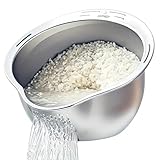
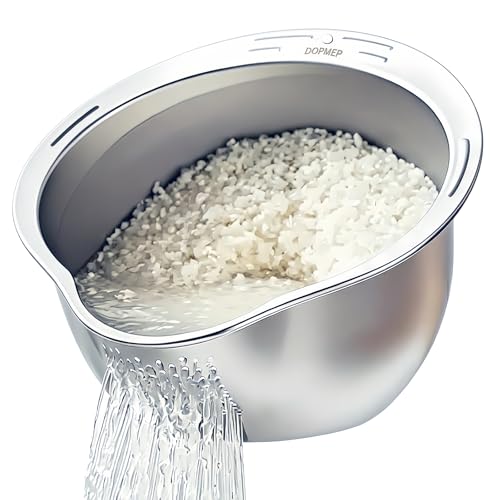
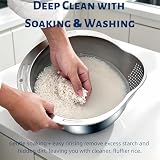
The Dopmep Rice Washer Strainer Bowl bridges the gap between budget plastic models and premium stainless options like Joyce Chen. It's constructed from stainless steel, giving it rust resistance and a modern kitchen aesthetic without the highest-tier pricing. The side-drain design is smart: angled grooves on the base guide water toward side perforations, meaning you can set the bowl down on a tilted kitchen towel or counter edge and let gravity empty it while your hands are free. This passive drainage feature appeals to cooks with limited grip strength or those multitasking in the kitchen.
Owners highlight versatility as a major draw. Beyond rice and quinoa, this bowl handles beans, pasta, and small fruits with equal competence. The smooth stainless surface resists odor and staining, and it's dishwasher-safe, making post-use cleanup faster than hand-washing alone. At roughly half the cost of premium metal models, Dopmep offers credible durability for home cooks who aren't sure whether they'll use a rice washer daily.
One caveat surfaced in reviews: a handful of buyers questioned whether the material is truly premium stainless steel or pressed aluminum, noting magnets adhered to the surface. Most reviewers reported no such issue, but this inconsistency suggests quality control variability. The side-drain design is also less aggressive for starch removal than models with textured bottoms or agitator bumps, so if your goal is the fastest, most thorough rice cleaning, the Joyce Chen delivers more active rinsing.
Pros
- Stainless steel resists rust, corrosion, and odor retention
- Side-drain design allows hands-free passive water drainage
- Dishwasher-safe for convenient quick cleanup after use
Cons
- Quality control reports suggest occasional material inconsistencies
- Smooth basin lacks agitator bumps for aggressive starch removal
Key features (5)
- Durable stainless steel construction with corrosion resistance
- Slanted base with side-drain grooves for effortless water drainage
- Precision-cut side drain holes contain rice while water escapes
- Smooth, food-safe surface resists stains and odors indefinitely
- Dishwasher-safe design simplifies daily kitchen cleanup
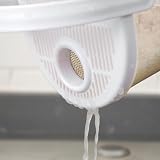
Inomata's Japanese Rice Washing Bowl is the gateway option for cooks hesitant to spend heavily on a single-purpose tool. Made in Japan from BPA-free polypropylene, it's designed specifically for the traditional rice-rinsing method: fill, agitate vigorously, drain through the side outlet, and repeat until water runs clear. At a budget price point, it removes the financial barrier to trying a dedicated rice washer, especially for households trying to decide if this category of tool fits their workflow.
The design is simple but thoughtful. The 2-quart capacity handles 3 to 4 standard rice-cooker cups comfortably. Side drainage prevents rice from escaping into the sink, a massive improvement over rinsing in a regular bowl or colander. Buyers consistently report that Inomata reduces rice waste significantly compared to hand-washing or makeshift methods. The plastic is durable and dishwasher-safe, and the item weighs virtually nothing, making it a smart choice for small kitchens or renters reluctant to invest in permanent fixtures.
The trade-offs are meaningful. Plastic lacks the durability and prestige of stainless steel; over years of heavy use, it may develop minor scratches or discoloration, though this doesn't affect function. The side-drain design also drains more slowly than models with a textured bottom or aggressive drainage path, so if you rinse high volumes of rice, you'll spend more time waiting. For occasional rice cooks or those testing whether a dedicated washer simplifies their routine, Inomata is the risk-free entry point; for daily use, the Joyce Chen or OXO typically outlast this option.
Pros
- Budget-friendly price removes financial barrier to entry
- Made-in-Japan plastic is food-safe, BPA-free, and durable for home use
- Side-drain system prevents rice loss and simplifies the rinsing process
Cons
- Plastic may scratch or discolor with long-term heavy use over years
- Slower drainage compared to stainless-steel models with active drains
Key features (5)
- BPA-free food-grade polypropylene plastic construction
- 2-quart capacity accommodates 3 to 4 rice-cooker cups per wash
- Side-drain system prevents grain escape while water flows out
- Lightweight and compact for small kitchens and tight storage spaces
- Top-rack dishwasher safe for convenient cleanup
Yulatik's Rice Washer Strainer Bowl stands apart with its top-drain architecture and built-in scale markings. Instead of side or bottom drainage, water overflows from a drainer on the upper rim, a design that works well for smaller quantities and kitchens where counter real estate is precious. The scale graduations molded into the exterior let you gauge rice quantity at a glance, a convenience detail most competitors skip. The auxiliary handle design is intended to reduce strain during the agitation phase of washing, appealing to cooks with joint sensitivity or arthritis concerns.
Reviews reveal mixed real-world results. Owners using this for larger grain types (standard white rice, jasmine) report good outcomes with adequate water pressure, while others found the top-drain system less aggressive than side or bottom designs. Several reviewers noted that the small interior depth, relative to capacity, can make agitating grains without splashing challenging. The lightweight plastic feels flimsy to some users compared to Inomata's sturdier construction, and the top-drain design means water must be poured in from above rather than naturally draining, which feels less intuitive than side-drain models. For washing wheat, legumes, and other larger grains, Yulatik fares better than for rice specifically. If you're rinsing rice but have minimal cabinet space or live in a studio apartment, this is worth testing; however, most daily rice cooks will find the proper rice washing technique more reliably executed with side-drain or bottom-drain models that deliver faster, more reliable results.
Pros
- Compact footprint saves cabinet and counter storage space
- Built-in scale markings show grain quantity without measuring cups
- Auxiliary handle design reduces hand fatigue during grain agitation
Cons
- Top-drain design less aggressive than side or bottom-drain alternatives
- Small interior depth relative to capacity makes stirring without splashing difficult
Key features (5)
- Top-drain architecture minimizes footprint for compact kitchens
- Scale markings printed on exterior for quick grain quantity reference
- Microporous fine-mesh strainer prevents grain escape during rinsing
- Auxiliary handle design supports reduced-grip washing technique
- Lightweight plastic construction for easy handling and portability
How to Choose the Right Rice Washer
Material: Stainless Steel vs. Plastic
Stainless-steel models like Joyce Chen and Dopmep resist rust, corrosion, and odor retention indefinitely, making them ideal for cooks who wash rice multiple times per week and want a tool lasting decades. Plastic options (Inomata, Yulatik) are lighter, more compact, and budget-friendly, but may develop scratches or discoloration over years of use. If durability and kitchen aesthetics matter, stainless steel is the long-term investment. For occasional use or renting, plastic is perfectly adequate and financially lower-risk.
Grain Size and Drainage Design
Standard white and jasmine rice work well in almost any rice washer, but if you regularly cook quinoa, millet, or buckwheat, OXO's square-hole design is engineered to prevent tiny grains from escaping. Side-drain models (Dopmep, Inomata) suit passive, hands-free drainage; bottom-drain and agitator-equipped designs (Joyce Chen) actively speed starch removal through textured surfaces. Consider the proper rice washing technique you prefer: vigorous agitation benefits from angled bases and bumped floors, while gentler rinsing suits controlled side-drain flow.
Capacity and Kitchen Space
Joyce Chen's 9.5-inch basin holds 4+ cups of rice, ideal for meal-prep cooks or larger households. Inomata and OXO handle 2 to 3 cups comfortably, sufficient for daily individual or couple cooking. Yulatik is the most compact, trading capacity for footprint. Measure your storage space and typical rice quantity before committing. Stainless-steel models take up permanent space, while lightweight plastic alternatives can hang or tuck into narrow cabinets. If you already own a top korean rice cooker, a matching rice washer in the same material creates visual consistency on your counter and makes grain prep feel integrated into your cooking workflow.
Ease of Cleaning and Maintenance
All models here are dishwasher-safe or hand-wash friendly. Stainless steel resists staining and odor, requiring only a quick rinse. Plastic may develop minor discoloration with turmeric-rich grains or spices, but this is cosmetic. If you prioritize rapid post-use cleanup, opt for a dishwasher-safe model; if hand-washing is your norm, all five perform equally well.
Budget and Long-Term Value
Budget-friendly Inomata costs the least upfront but may need replacement after 5 to 10 years of heavy use. Mid-range Dopmep offers stainless-steel durability at moderate cost. Premium options (Joyce Chen, OXO) reflect engineering and materials, lasting 20+ years, making them the best long-term value for households eating rice frequently. Compare your expected usage: occasional cooks benefit from entry-level picks; daily rice cooks see faster payback on premium models.
Our picks at a glance
3
Best Stainless-Steel ValueDopmep
4
Best Budget-Friendly PickInomata
Frequently asked
Will rice fall through the holes in a rice washer?
No, if you choose the right model for your grain. All five here are engineered with hole sizes that contain standard and medium-grain rice while allowing water through. OXO's square holes are smallest and safest for quinoa or millet. Joyce Chen and Dopmep work well for rice and beans. Some grains (especially round jasmine varieties) occasionally stick in holes but fall free with gentle tilting. Yulatik's top-drain design requires testing to ensure no loss with your specific rice type.
How many times should I rinse rice before cooking?
Traditional method and health advice suggest rinsing until the water runs clear, typically 3 to 5 passes depending on rice type and water hardness. Using a rice washer speeds this process because you agitate, drain, and repeat without pouring rice between containers. A dedicated washer reduces rinsing time from 10 minutes to 2 to 3 minutes while losing virtually no grains, compared to hand-washing or regular colanders.
Can I use a rice washer for vegetables and fruits?
Yes. All five models here work for berries, grapes, leafy greens, and other produce. The side or bottom drainage prevents delicate items from bruising, and the gentle water flow cleans without agitation. Dopmep and Inomata owners report great results with small fruits. OXO's slow-drain design is particularly gentle on fragile produce. Avoid washing very hot food in plastic models to prevent warping.
Which rice washer is best for small kitchens?
Yulatik and Inomata are most compact and can hang on a hook or tuck into narrow cabinets. OXO is lightweight and stackable. Joyce Chen and Dopmep take more permanent space but are worth it if you have room and cook rice frequently. Plastic models hang easily; stainless-steel options require dedicated shelf or cabinet space unless a hook is installed.
How do I prevent rice from sticking to the sides during draining?
Angled bases (Joyce Chen, Dopmep, Inomata) naturally guide grains toward the drain with gentle tilting. Avoid overfilling above the basin rim. If rice clings despite drainage, a light tap on the counter or side of the bowl encourages grains to fall free. OXO's slow drain minimizes sticking because water pools longer. Yulatik's top-drain design also reduces this issue. This is a minor inconvenience in all models and doesn't indicate a defect.