Kitchen & Dining · Gadgets
Best Ravioli Press: Top Molds for Homemade Pasta
Find the best ravioli press for your kitchen. Compare molds, cutters, and tools for making uniform, delicious homemade ravioli. Read reviews and buying tips.
Affiliate disclosure: As an Amazon Associate I earn from qualifying purchases.
At a glance
5
Best for Hand StampingTacgea
Detailed reviews
The Bellemain stands out as the workhorse in this category, with a proven track record across thousands of home cooks. The metal cutting frame does the heavy lifting, creating uniform 1-inch square pockets and sealing them in one motion, which is faster than hand-pinching by a significant margin. Most owners report success once they learn to flour the mold thoroughly and roll pasta dough to a consistent thickness that covers the raised edges without tearing.
What separates this press from a simpler cutter set is the comprehensive mold-and-seal system. Rather than cutting and crimping separately, the raised frame edges handle both steps at once. That efficiency means you can produce a full dozen ravioli in one go, which matters when you're feeding a family or building a freezer stash. The 12-cavity capacity is also substantially larger than some competitors.
The learning curve is real, though. Early batches often stick badly or tear if you don't oil the mold and flour the dough adequately. Once you dial in the prep, results improve dramatically. Hand-washing is necessary (the plastic insert isn't dishwasher safe), but that's a minor trade-off for reliability. If you're already comfortable rolling pasta by hand and willing to invest a few minutes in setup technique, this press rewards that effort with beautiful, consistent ravioli.
Pros
- Produces 12 ravioli at once with sealed edges
- Metal frame ensures durable, long-term use
- Uniform square pockets and clean appearance
- Speeds up ravioli making compared to hand-shaping
Cons
- Requires thorough flouring and oiling to prevent sticking
- Pasta dough must be rolled to correct thickness for good seals
Key features (4)
- Metal cutting frame with 12-cavity capacity for uniform 1-inch squares
- Seals ravioli edges in a single press without separate crimping
- Includes stick-resistant plastic insert mold and metal cutter frame
- Hand-wash construction preserves durability and seal integrity
Mumsung's eight-cavity press trades the 12-cavity capacity of the Bellemain for a smaller footprint and a broader accessory package. What you gain is flexibility: in addition to the main ravioli mold, you get a separate empanada press and a cutter wheel, making this less a single-purpose tool and more a small pasta-making station. The grooved edges cut cleanly, and the included wooden rolling pin and brush simplify the workflow.
Reviews consistently praise the ease of use and minimal sticking when dough is lightly floured before pressing. The eight-cavity design means two separate presses to make a full batch, but owners don't seem bothered by that trade-off, especially since the smaller profile fits more easily on a countertop or pasta-rolling surface. The food-grade plastic feels solid and doesn't deform under hand pressure.
Compared to the Bellemain, which focuses on single-purpose efficiency, this set encourages experimentation with different filled pastas and dumplings, which suits cooks who want flexibility. If you plan to make empanadas, wontons, or other filled doughs alongside ravioli, the bundled accessories add real value. The learning curve is gentler than the larger mold, partly because the smaller cavities are less prone to overfilling and tearing.
Pros
- Eight-cavity mold with grooved edges for clean cutting
- Bonus empanada press and cutter wheel included
- Food-grade plastic with minimal sticking when floured
- Compact size fits easily on standard surfaces
Cons
- Eight-cavity requires two presses for a full 16-ravioli batch
- Smaller cavities reduce filling capacity per ravioli
Key features (4)
- Eight-cavity 1. square ravioli mold with grooved cutting edges
- Includes 2.6-inch empanada press for dumplings and filled pastries
- Bundle features wooden rolling pin, cutter wheel, and cleaning brush
- Food-grade drop-resistant plastic for home and restaurant use
Geetery's five-piece set appeals to cooks who want all the equipment in one package. The 12-cavity mold with 2-inch square pockets matches the Bellemain in capacity, but the inclusion of round and square stamp cutters plus a roller wheel means you're not limited to pressing ravioli in the mold alone. You can cut individual shapes freehand or use the stamps for cookie-like precision, which opens up creative options for lasagna strips, filled pasta shapes, or even biscuits.
Buyers report that the alloy construction feels more substantial than plastic, and the wooden rolling pin is comfortable to work with over multiple batches. The tool combination reduces the need to hunt for separate equipment, which is valuable if your kitchen storage is limited. Many owners specifically mention that using semolina instead of flour on the rack prevents sticking and makes release much easier, suggesting the community has discovered workarounds that boost success rates.
Where this set falls short compared to single-cavity versus multi-cavity ravioli systems is consistency across the different tools. The mold is robust, but the stamp cutters require more hand pressure to cut cleanly than some dedicated single-cavity presses. If you want a "one-stop ravioli shop," this delivers; if you're optimizing purely for speed on large batches, the Bellemain mold alone might edge it out.
Pros
- Twelve-cavity mold with three additional cutting and stamping tools
- Alloy construction feels durable and robust
- Includes wooden rolling pin for integrated workflow
- Versatile for ravioli, stamps, lasagna strips, and shaped cookies
Cons
- Multiple tools require more hand pressure to cut cleanly
- No instruction guide included in some shipments
Key features (4)
- Twelve-hole alloy ravioli mold with 2-inch square cavities
- Three separate cutting stamps: round, square, and roller wheel
- Wooden rolling pin included for complete pasta-making workflow
- Lightweight, compact storage and applicable for ravioli, pasta, and baked goods
Mumsung's three-shape system addresses a specific desire among home cooks: the ability to produce ravioli in multiple shapes during a single session. Rather than owning three separate single-cavity molds or struggling to swap parts mid-session, this mold gives you round, heart, and square cavities all in one press. The food-grade plastic is sturdy enough to handle repeated pressure, and the bonus empanada press again expands the kit's usefulness beyond ravioli alone.
Owners particularly praise the heart-shaped cavities for special occasions and family cooking with children, which adds an element of play and presentation to the process. The included carrying case and recipe book position this as a more complete purchase than just a tool. The learning curve appears gentler than the 12-cavity Bellemain, partly because the variety keeps things interesting and lower pressure per cavity reduces the overfilling mistakes that plague larger molds.
Where this differs from the Geetery set is focus: Mumsung prioritizes ravioli and dumpling work with multiple shapes, while Geetery bundles stamp cutters and a mold together for broader pasta work. If you're drawn specifically to making decorative ravioli in different shapes without juggling multiple tools, Mumsung's system streamlines that goal.
Pros
- Three shape options (round, heart, square) without separate presses
- Sturdy food-grade plastic with minimal sticking
- Includes empanada press, cutter wheel, rolling pin, and brush
- Comes with carrying case and recipe book for complete setup
Cons
- Smaller cavity design requires restraint on filling amounts
- Learning curve on achieving tight seals on first attempts
Key features (4)
- Three interchangeable shape molds: round, heart, and square ravioli
- Includes 2.6-inch empanada press for dumplings and filled pastries
- Complete bundle with wooden rolling pin, cutter wheel, brush, and recipe guide
- Food-grade plastic construction with space-saving storage container
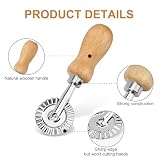
Tacgea's stamp set represents a fundamentally different approach: instead of a mold that creates and seals multiple ravioli at once, you get four individual cutters (round, square, heart, and roller wheel) that you press into dough manually. This demands more hand strength and patience than a mold press, but it offers advantages for certain workflows. The wooden handles are comfortable to grip during repetitive stamping, and the fluted edges create a clean, attractive seal without requiring a separate sealing pass.
The trade-off is speed and scale. Making 24 ravioli with stamps takes substantially longer than pressing a 12-cavity mold twice, and your forearms will feel it. Reviewers note that the lightweight aluminum frame means you really need to commit pressure to each stamp to cut through and seal effectively. However, if you're making small batches or enjoy the meditative rhythm of hand-stamping, or if you want to introduce children to ravioli-making with tools that don't require industrial-strength pressure, this approach succeeds.
Compared to the mold presses above, the Tacgea set won't compete on efficiency for volume production. But for craft-oriented cooks or those with limited counter space, the compact footprint and straightforward cleanup are appealing. The roller wheel addition gives you flexibility to cut strips or sheets when you're not stamping individual ravioli, making it slightly more versatile than a single-cavity press alone.
Pros
- Four individual stamps with comfortable wooden handles
- Lightweight, compact storage in a kitchen drawer
- Fluted edges create attractive, sealed ravioli edges
- Roller wheel useful for cutting pasta sheets and strips
Cons
- Requires substantial hand pressure for clean cuts and seals
- Significantly slower than mold presses for large batches
Key features (4)
- Set of four individual stamps: round, square, heart, and roller wheel
- Wooden handles reduce hand fatigue during repetitive stamping
- Fluted cutting edges create clean, crimped ravioli seals
- Lightweight aluminum construction and compact storage footprint
How to Choose a Ravioli Press
Single Cavity Versus Multi-Cavity Ravioli
The biggest decision is whether to go with a mold that creates multiple ravioli at once or individual hand stamps. Multi-cavity presses (8 or 12 cavities) speed up production dramatically, making them ideal for batch cooking or family meals. A 12-cavity mold can produce a full dozen sealed ravioli in two presses. Hand stamps take longer but offer more control, lower hand strain, and are easier to store. For most home cooks, a multi-cavity mold is worth the counter space. Single cavity versus multi-cavity ravioli makes a tangible difference in how much time you spend at the kitchen counter, especially if you're freezing portions for later meals.
Material and Durability
Look for food-grade materials, whether plastic or alloy. Metal frames on molds tend to outlast plastic and resist warping from repeated pressure, but they're heavier and take up more storage space. Plastic molds are lighter and more compact, and quality brands use thickened, drop-resistant formulations that hold up well. Avoid cheap plastic that flexes under pressure or thin aluminum that bends easily. Read reviews specifically for durability complaints; if users report tools breaking after a few uses, that's a red flag. Most reputable brands guarantee their presses last for years with hand-washing and proper storage.
Sticking and Release
This is the most common frustration newcomers face. Molds stick when dough isn't adequately floured or oiled, or when dough is too wet. Most owners report success by dusting the mold generously with flour or semolina before laying down the first pasta sheet. Some recommend a light oil spray as well. Read buyer feedback on how easily each model releases ravioli; if many reviews mention sticking troubles or damaged ravioli, that model may have design flaws. The best molds release cleanly once you learn the prep ritual, but some designs stick persistently no matter what you do. The learning curve is normal, but if even experienced pasta makers report issues, move on to another option.
Making Ravioli with a Press
The basic workflow is consistent across all presses: roll pasta dough to even thickness, lay it over the mold, spoon filling into each cavity, cover with a second sheet of dough, press down firmly, then use a rolling pin or cutter to release the ravioli. The key is not overfilling (which causes leaks and seals to burst) and ensuring the top sheet covers the raised edges completely for a tight seal. Practice the first batch with modest filling amounts, then adjust. A wooden rolling pin works better than your hand alone because it distributes pressure evenly. Most first-time users report success on their second or third batch once they dial in the dough thickness and filling size.
Versatility and Bundle Features
Some presses come bundled with empanada molds, cutter wheels, or extra stamps, while others are single-purpose. If you make pasta frequently and enjoy experimenting with filled doughs, a bundle makes sense. If you want simplicity and plan to use the tool only for ravioli, a single mold or stamp set is sufficient. Check whether the mold comes with a rolling pin (helpful) and whether it includes a storage container (convenient). Some bundles also include recipe guides or instruction cards, which matter more if you're new to ravioli-making.
Our picks at a glance
5
Best for Hand StampingTacgea
Frequently asked
Why does my ravioli stick to the mold no matter how much flour I use?
Sticking usually means either the dough is too wet or the mold isn't floured uniformly in all the corners and edges. Try dusting the mold with semolina (cornmeal works too) instead of regular flour, which absorbs moisture better. Some users also lightly spray the mold with cooking oil after flouring. If sticking persists, your pasta dough may be too soft; try rolling it slightly thinner or adding a bit more flour to the dough itself. Most molds release cleanly once you find the prep routine that works for your dough recipe.
Can I put my ravioli press in the dishwasher?
Hand-washing is always recommended to preserve the mold's integrity and avoid warping from high heat. Plastic molds can deform in the dishwasher, and metal frames may rust or lose their seal precision. Most manufacturers specifically note that their presses are not dishwasher safe. Hand-washing takes just a few minutes, and using a soft brush or toothbrush to clean corners prevents dough residue from hardening. A quick soak in warm water before scrubbing makes cleanup much easier.
How thick should my pasta dough be for the mold?
Most ravioli molds work best with dough rolled to a thickness similar to a dime or slightly thicker. Too thin and the dough tears when you press; too thick and it won't seal properly around the filling or conform to the mold cavities. Use a pasta machine set to the 7 or 8 setting if you have one, or roll by hand to about 1/16 inch. The dough must cover the raised edges of the mold completely or filling will escape during cooking. Practice with your first batch to see how your pasta machine and dough recipe interact with your specific mold.
How much filling should I put in each ravioli cavity?
Overfilling is the number one cause of ravioli leaking during cooking or failing to seal properly. Start with about a teaspoon of filling per cavity; if that feels too conservative, increase slightly to 1.5 teaspoons on your next batch. A tablespoon is usually too much, especially for smaller cavities. Use a small spoon or piping bag to deposit filling precisely into each pocket. As you get comfortable with your mold and dough, you'll develop a feel for the right amount.
Can I use a ravioli mold for other types of filled pasta or dough?
Yes, many molds work for empanadas, wontons, dumplings, and even biscuits or cookies. Some bundles include separate empanada presses sized for thicker doughs. If you're using a ravioli mold for thicker dough, you may need to apply more pressure, and the seal may not be as tight. Always test on a small batch first. Some plastic molds flex slightly under extra pressure, so be cautious not to force them beyond their intended use. Metal molds are generally more forgiving with varied dough types.