Find the best ravioli mold for your kitchen. Compare top-rated molds and presses to make perfect homemade ravioli easily. Expert reviews and buyer recommendations.
Ideal for: Home cooks making regular batches of ravioli for families or meal prep.
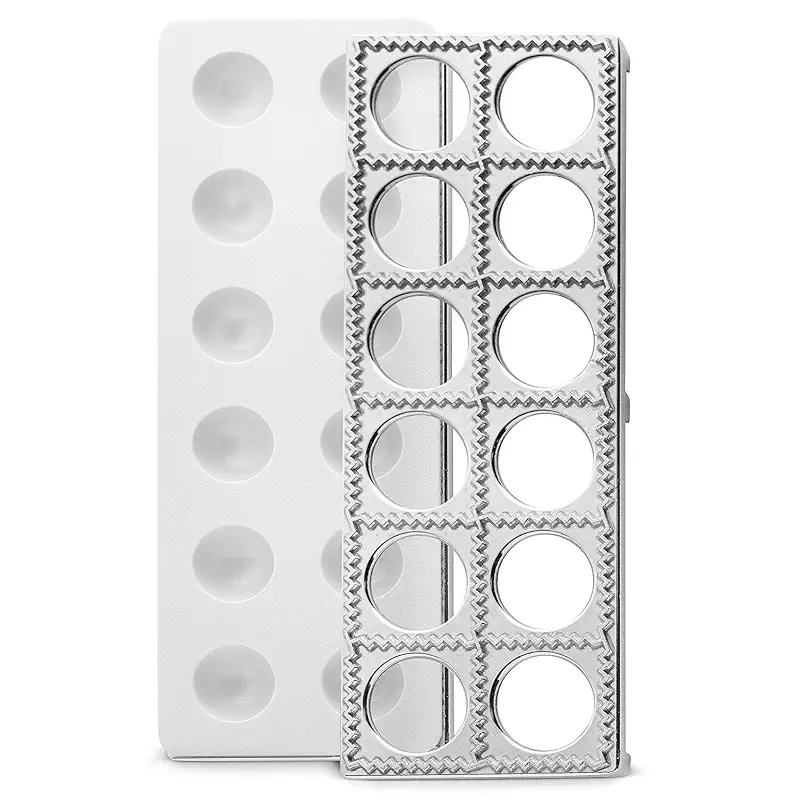
The Bellemain wins for range of use and value. It makes a full dozen ravioli in one press, which appeals to anyone cooking for a family or batch-making for the freezer. The metal cutting frame does the actual sealing work without you having to fuss with egg wash or water dabbing, though I should note that success here depends heavily on how you prepare the mold itself.
Owners consistently report the same friction point: dough sticks unless you flour or oil the press thoroughly before each batch. This isn't a design flaw so much as a technique requirement. A fine dust of flour on both the mold surface and the top pasta layer, plus light coating of cooking spray, becomes second nature after the first two batches. One experienced cook mentioned the mold made her skip hand-rolling entirely; a newer baker found it frustrating until they adjusted their approach.
Compared to smaller molds like the Mumsung, this one suits cooks who want to produce a lot of ravioli per session without repeated mold work. The one-inch squares are a nice middle ground: substantial enough to hold filling but manageable to seal properly. Hand-washing and careful drying is non-negotiable if you want it to last.
Pros
Produces 12 ravioli per press cycle
Metal cutting frame seals edges reliably
Affordable and widely available
Works well with standard pasta-roller output
Cons
Dough sticking requires consistent flouring and oiling technique
Pasta sheet must be exactly right width for all 12 to seal properly
Key features
12-cavity press with metal cutting frame for sealed edges
One-inch square ravioli size for consistent batch output
Plastic mold with metal cutter; hand-wash only
Works with standard pasta sheets from home rollers
#2 Pick
Best Value Kit
Mumsung
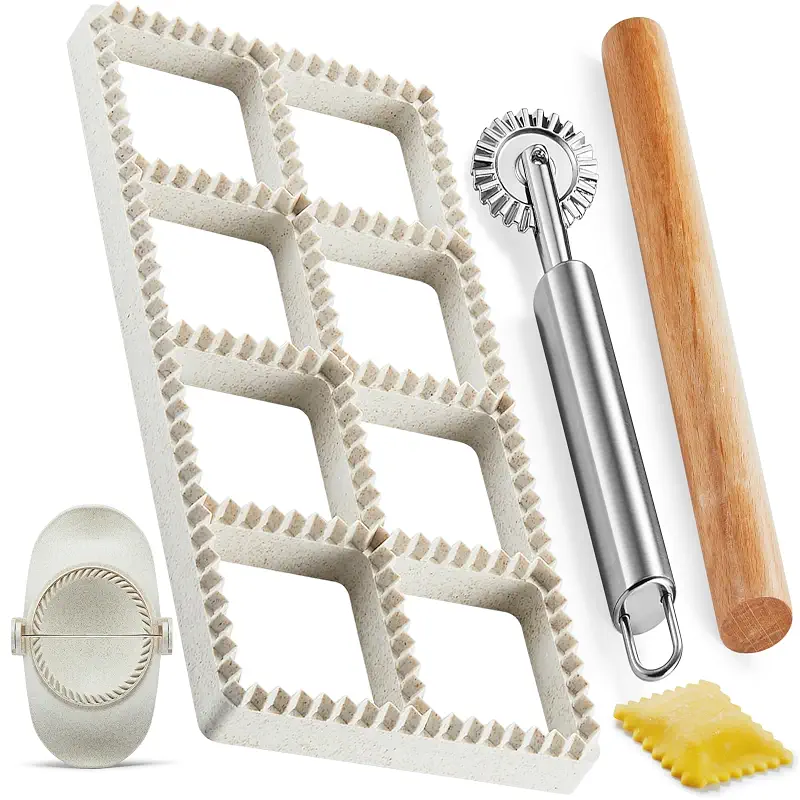
Ravioli Maker Press, Ravioli Cutter, 8-Cavity Square Mold, Empanada Press | 8-cavity 1.85-inch square ravioli mold makes 8 at once; includes 2.6-inch empanada press, cutter wheel, rolling pin and brush
4.6(535)
Complete beginner-friendly set with 8 ravioli cavities plus bonus empanada press and wheel cutter.
Ideal for: Beginners or occasional ravioli makers who want a complete kit with lower commitment.
The Mumsung arrives as a full kit, so you're not hunting separately for a rolling pin or cutter wheel. The 8-cavity mold feels less intimidating than a 12-cavity for someone just starting out, and the empanada press bundled in means you can experiment with multiple filled-pasta projects from day one. Food-grade plastic construction holds up well, and users report that the grooved edges cut cleanly when the technique is right.
The learning curve here is gentler because 8 pockets is more forgiving if a couple don't seal perfectly, and the smaller commitment per session builds confidence. One owner praised how quickly they got uniform results once they understood the flour-dusting step. Another mentioned the inclusion of the brush for cleaning, which matters more than it sounds when flour and dough residue collect in corners.
Where this differs from the Bellemain is scale and material. The plastic mold feels less heavy-duty and the smaller cavity count means two presses instead of one if you're feeding more than four people. But for someone asking "should I even try making ravioli," the lower stakes and complete accessory set make this the softer entry point. The empanada press also gives you a second skill to practice, much like how having the right tool (whether it's a best tomato dicer for prep work or a specialized mold for pasta) elevates your confidence in the kitchen.
Pros
Includes empanada press, cutter wheel, rolling pin, and brush
8-cavity size less overwhelming for first-time users
Food-grade plastic is durable and drop-resistant
Lower price than larger premium molds
Cons
Smaller cavity count means multiple presses for large batches
Plastic mold lighter-duty than metal or aluminum alternatives
Key features
8-cavity square ravioli mold with fluted cutting edges
Paired empanada press for 2.6-inch dumplings or turnover pockets
Includes wood rolling pin, cutter wheel, and cleaning brush
Food-grade plastic construction with flip-over design
#3 Pick
Best Premium Build
Eppicotispai
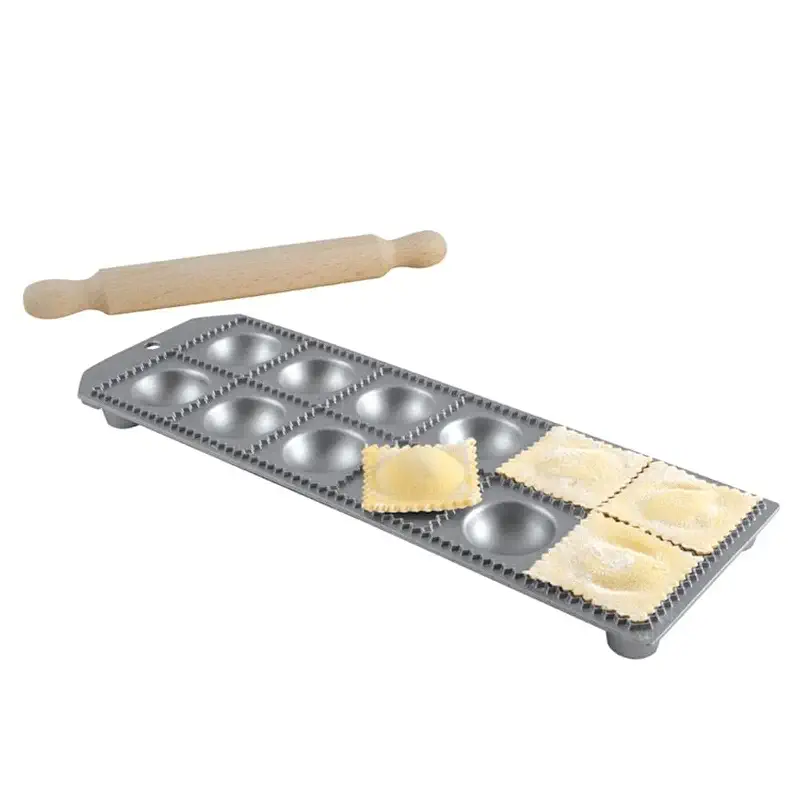
12-Hole Aluminum Round Ravioli Maker with Rolling Pin
4.6(252)
Italian-made aluminum mold with 12 round pockets and beechwood rolling pin for durability and authenticity.
Ideal for: Serious home cooks seeking a durable tool that will last decades of regular use.
The Eppicotispai stands out for sheer build quality and heritage. Made entirely in Italy from food-grade aluminum, the mold feels significantly heavier than plastic alternatives and should outlast several kitchen lifetimes if cared for. The natural beechwood rolling pin is not just aesthetic; it rolls smoothly and provides the kind of control that inspires confidence in the pressing motion.
Owners rave about the ease of release once technique clicks. Multiple reviewers mentioned overcoming initial sticking by dusting generously with semolina (not just flour) and using gentle depressions with the rolling pin before filling. One cook who'd been hand-rolling ravioli for years said this mold eliminated the mess and sealed problems that plagued her old methods. The round two-inch pockets are larger than many molds, so each ravioli carries more filling and feels more restaurant-like on the plate.
The trade-off is price and weight. This is a heftier investment than the Bellemain or Mumsung, and the round shape is less familiar to cooks used to square ravioli. But if you plan to make ravioli for decades and value the tactile experience of a tool that feels built to last, the aluminum construction and Italian craftsmanship justify the step up. Hand-washing and drying between uses keeps it in heirloom condition.
Pros
Food-grade aluminum construction built for longevity
Includes natural beechwood rolling pin with smooth action
12 two-inch round cavities for larger ravioli portions
Manufactured in Italy with high craft standards
Cons
Premium price reflects the build quality and heritage
Round shape less conventional than square ravioli for some cooks
Key features
12-cavity aluminum mold with 2-inch round pockets
Natural beechwood revolving rolling pin for pressing
100% made in Italy; hand-wash and dry after each use
Heavier construction designed for decades of kitchen use
#4 Pick
Best for Large Ravioli
CucinaPro
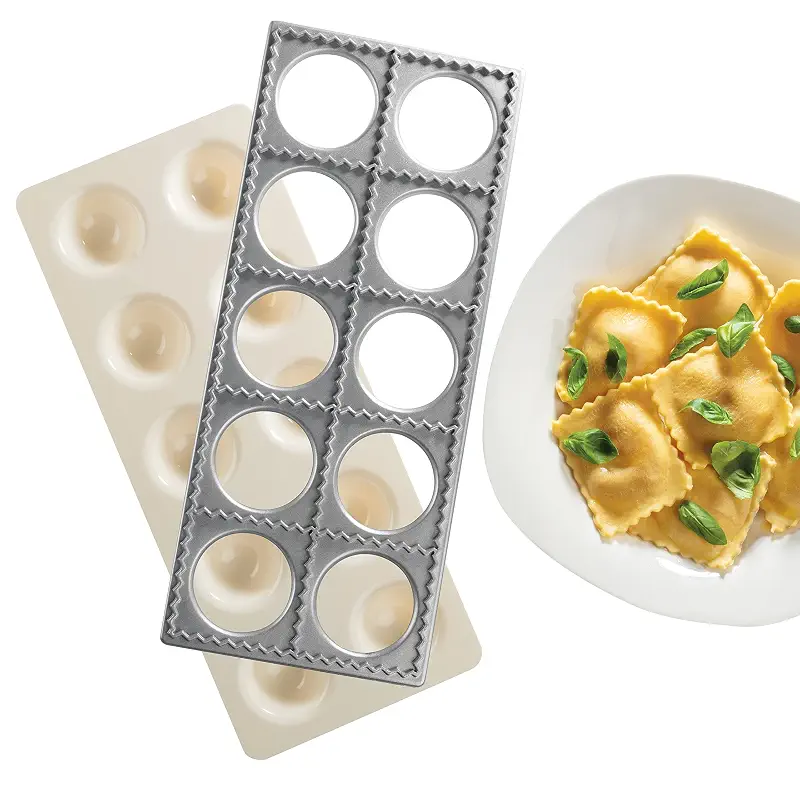
CucinaPro Ravioli Mold with XL 2.5 Inch Squares, Authentic Tray & Press | Make 10 Italian Raviolis at Once, Easy to Use Pasta Cutter Maker Kit, Durable Sturdy Construction Set, Cooking Tool Accessory
4.6(838)
Extra-large 2.5-inch square mold that produces 10 substantial ravioli in one press.
Ideal for: Cooks who want substantial, showpiece ravioli and have a pasta machine that produces full-width sheets.
The CucinaPro caters to cooks who want visibly impressive ravioli. At 2.5 inches square, each pocket holds nearly double the filling of standard molds, so every ravioli feels like a main-course component rather than a side item. If you're plating for guests or want that restaurant-scale presence, this mold delivers it. The sturdy construction handles the pressure needed to seal larger pasta sheets without flexing.
Owners note that success requires full-width pasta sheets from a machine like a KitchenAid, and the dough needs to be just right in thickness. Several reviewers used cooking spray plus a light flour dust, then rolled over the mold multiple times at slight angles to ensure the center lines cut all the way through. Once you dial in the technique, the results look professional and store beautifully for freezing.
Compared to the Eppicotispai round mold, this one stays true to the square shape most cooks expect, and the larger size appeals to anyone feeding more than four people per batch. The main caveat is that the wider surface area means your pasta-roller setup matters; a narrower-output roller will require seaming two sheets together, which adds a step. If your equipment and technique align, you get stunning ravioli; if they don't, you'll chase sticking issues.
Ideal for: Cooks making large batches of pelmeni for freezing or who cook Eastern European dumpling traditions regularly.
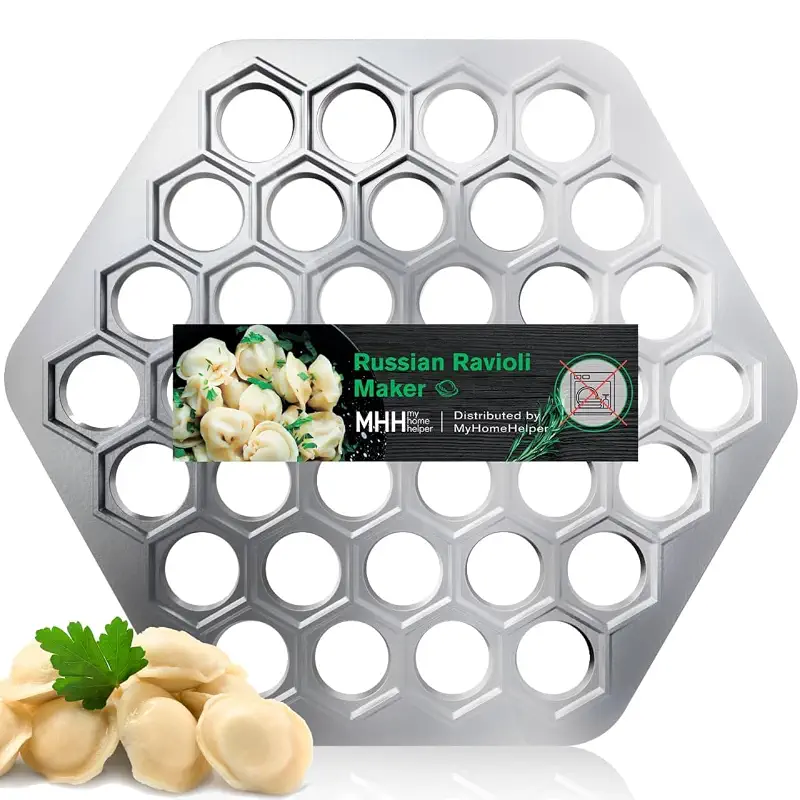
The MHH takes a completely different approach by making 37 very small pockets. This is the tool for someone who wants to spend one afternoon making several hundred dumplings to freeze, or who's invested in Russian or Eastern European dumpling traditions. Aluminum construction mirrors the Eppicotispai in durability, and the flat backside makes cleaning genuinely easy: no nooks and crannies to harbor dough bits.
Owners who embrace the technique produce stunning results. The key is treating filling sparingly (roughly half a teaspoon per pocket, not a full tablespoon) and rolling dough paper-thin. Multiple reviewers praised freezing the filling beforehand in tiny balls, which prevents seeping and makes placement neater. One cook made over 200 pelmeni in a day with zero sticking problems using light cooking-spray misting followed by flour dust.
The significant difference from other molds is scale and intended use. Where the Bellemain or CucinaPro suit regular family dinners, this one suits either very large gatherings or the freezer-stocking approach. The learning curve is steeper because the smaller portions demand more precision in filling amount and dough thickness. But if you're already comfortable with pasta dough and want industrial-scale output, the aluminum durability and 37-cavity design are unbeatable value. Not a substitute for the other molds, but in its niche, it's the specialist's choice.
Pros
Produces 37 dumplings per press for efficient batch freezing
Durable food-grade aluminum with flat back for easy cleaning
Light misting and flour prevents sticking reliably
Ideal for Russian pelmeni and Siberian dumpling traditions
Cons
Very small cavity size requires minimal filling to seal properly
Steep learning curve on dough thickness and filling measurement
Key features
37-cavity aluminum mold for Russian pelmeni dumplings
10.6-inch diameter with 0.7-inch height; minimal sticking with proper prep
Flat backside for straightforward hand-washing and drying
Designed for volume production and long-term freezer storage
How to Choose the Right Ravioli Mold
Four trade-offs that actually matter when matching a ravioli mold to your kitchen.
Scale and Cavity Count
How many ravioli you make per session shapes your mold choice. A 12-cavity mold suits regular family cooking and modest meal prep, while 8-cavity molds work for smaller households or occasional batches. The 37-cavity Russian pelmeni maker targets cooks freezing dozens at a time. Larger cavities (2.5 inches versus 1 inch) mean fewer total ravioli per press but more dramatic plating and filling per piece. Consider not just your family size but also whether you batch-freeze regularly.
Material and Durability
Plastic molds are affordable and lightweight, perfect for testing the hobby without investment. Aluminum and metal offer longevity and heavier construction that resists flexing under pressure. If you plan to use a ravioli mold for years, the premium in weight and cost for aluminum often pays back in reliability and feel. Material also affects how dough interacts with the mold surface; aluminum tends to stick less than some plastics once seasoned with regular use.
Shape Preference and Tradition
Square ravioli dominate Italian tradition and most recipes. Round pockets create a different visual presentation and can be easier for some cooks to seal consistently. Russian pelmeni molds serve a distinct dumpling culture and should be considered separately from Western ravioli needs. Your intended filling and the cuisine you cook most often should guide this choice more than trends.
Pasta Equipment Compatibility
Your ravioli mold must match the width and thickness your pasta roller produces. A KitchenAid or Marcato roller typically outputs sheets that work well with 12-cavity or smaller molds, but larger 2.5-inch molds may demand full-width output your roller can't consistently deliver. Before buying, measure your pasta-roller sheet width and compare it to the mold's working surface. The ravioli mold setup guide can help you understand exact dimensions and rolling technique for your specific equipment.
Learning Curve and Preparation
All ravioli molds benefit from consistent flouring and light oiling or cooking spray between batches to prevent sticking. Some cooks find this second nature; others find it tedious. Smaller cavity counts and simpler mold designs are more forgiving for beginners making their first batches. Square versus round ravioli molds also carry different sealing challenges; learning how these differ helps you anticipate technique adjustments. Budget time for trial batches where your first few dozen ravioli may not seal perfectly.
Frequently asked
Quick answers to the questions readers ask most.
Do ravioli molds work better with fresh or dried pasta dough?
Fresh pasta dough works best because it has more elasticity and moisture for sealing. Dried dough becomes brittle and cracks at the edges. Make your dough at least an hour before using the mold (or up to a day ahead, refrigerated) so the gluten relaxes and the dough rolls smoothly without tearing. Overworked dough is harder to seal; underworked dough may not hold together under the mold pressure.
How much filling should I use in each cavity?
Most molds work best with roughly one tablespoon of filling per cavity for standard-sized ravioli, and about half a teaspoon for very small pelmeni. Overfilling is the single most common mistake; excess filling prevents proper sealing and causes ravioli to burst during cooking. Err on the side of less filling your first few batches, then adjust upward once you see how much your mold can handle without leaking.
Why is my dough sticking to the mold even with flour?
Flour alone often isn't enough, especially on plastic molds. Try a light misting of cooking spray before flouring, or dust with semolina (which grips better than all-purpose flour). Some cooks lightly oil the mold with a neutral oil and then flour over that. Also check that your dough isn't too wet; dough with too much water clings stubbornly. Work quickly and flour the top pasta sheet generously before pressing.
Can I use a ravioli mold for other filled pastas or dumplings?
Yes, most molds work for any thin-dough pocket pasta. Wonton wrappers, empanada dough, and dumpling skins all seal similarly. Some kits include bonus empanada or dumpling presses sized for different fillings. The sealing and release technique remains the same regardless of filling type, so mastering your mold on ravioli transfers directly to other pasta projects.
Should I hand-wash my ravioli mold or can it go in the dishwasher?
Hand-washing is strongly recommended, especially for wood components and metal molds. Dishwashers can warp wood handles, dull aluminum finishes, and trap moisture in crevices. Rinse immediately after use while dough is still soft, then dry thoroughly with a towel. A soft brush helps clean grooves without damaging the mold surface. Proper hand care extends the life of your mold significantly.