Best Pan for Frying Fish: Top Nonstick & Stainless Steel Picks
Find the best pan for frying fish. Compare nonstick, stainless steel, and hybrid options for crispy skin and easy cleanup. Expert picks for home cooks.
Verdict, analysis, and key features for each pick.
#1 Pick
Best Overall for Daily Fish Cooking
Tramontina
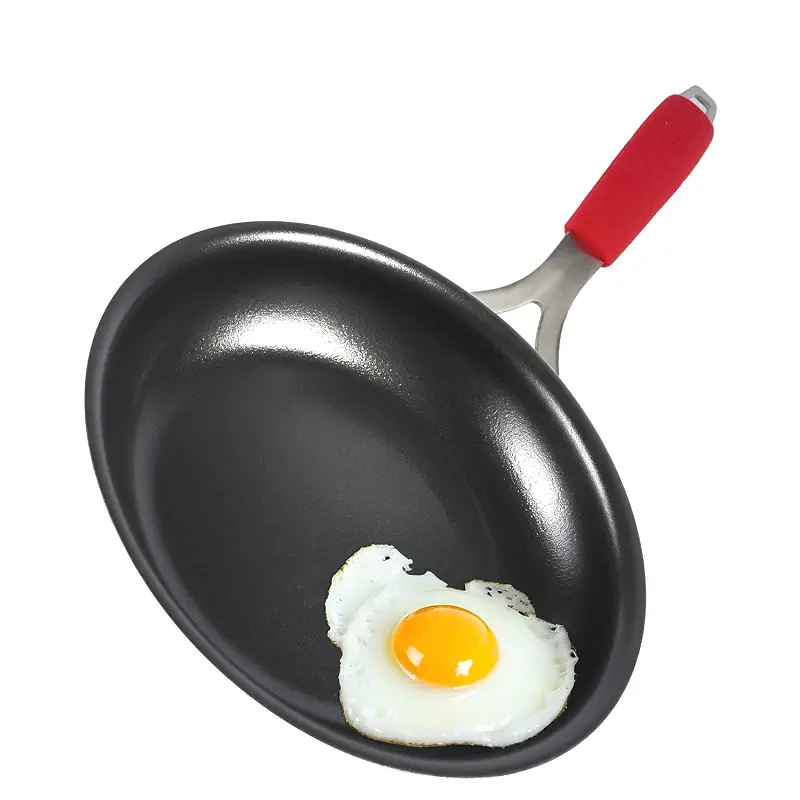
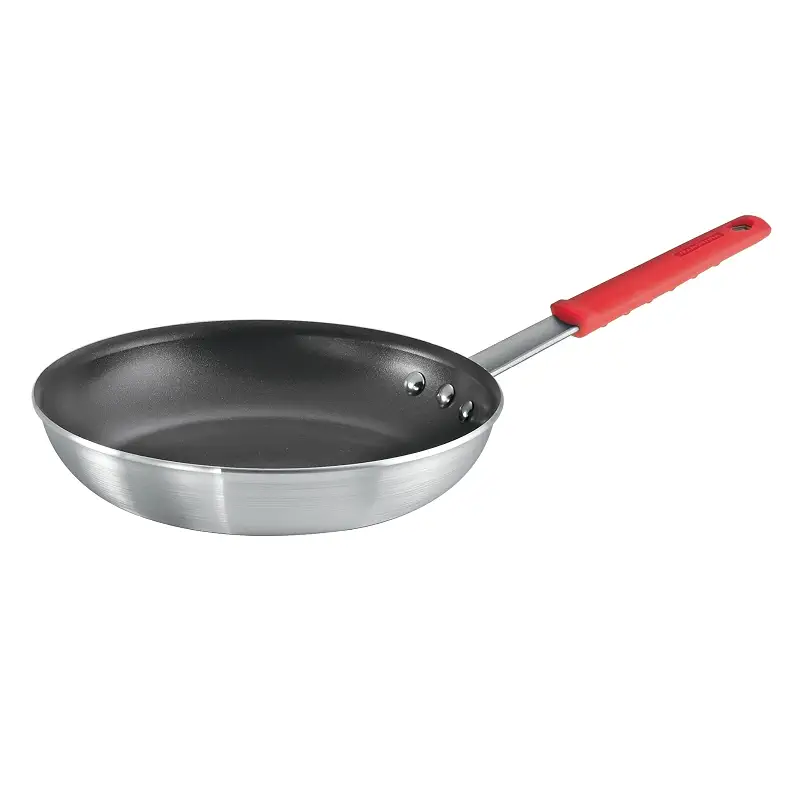
Tramontina Professional 10-Inch Non Stick Frying Pan | Heavy-Gauge Aluminum Skillet with Reinforced Nonstick Coating, Red Handle, Dishwasher and Oven Safe, Made in Brazil
4.6(10,413)
Heavy-gauge aluminum with reinforced nonstick coating delivers even browning and effortless cleanup without compromise.
Ideal for: Home cooks who fry fish regularly and value longevity, even heat, and easy cleanup.
The Tramontina Professional brings what I'd call old-school durability with modern convenience. Owners report pans holding up beautifully over decades, and the newer generation is actually heavier and thicker than older models, a sign the brand has kept improving rather than cutting corners. The reinforced nonstick coating genuinely works for fish; reviewers note eggs and delicate proteins slide cleanly without sticking, and a simple wipe afterward is often enough.
What makes this stand out for fish specifically is the heat distribution. The heavy-gauge aluminum warms quickly and evenly, so you get consistent browning across the fillet rather than hot spots that char one side while the other stays pale. The 10-inch size is ideal for a single or couple's portions without feeling cramped. The removable silicone handle grip means you can take it straight from stovetop to oven at 400°F if you want to finish a thicker fish in dry heat.
One trade-off: the nonstick coating, while robust, can show fine scratches and gouging if you use metal utensils or cook bone-in pieces aggressively. Stick with silicone or wood, and this pan will serve you reliably. The lifetime warranty reflects real confidence in the product.
Pros
Heavy-gauge aluminum prevents warping during high-heat searing
Reinforced nonstick releases delicate fish skin without oil-heavy cooking
Rivet-free interior design eliminates food traps for faster cleaning
Cons
Nonstick coating can scratch with metal utensils or bone-in fish handling
Not suitable for induction cooktops without a separate adapter
Key features
Heavy-gauge aluminum construction for even, fast heat distribution
Reinforced nonstick interior with seamless rivet-free design
Removable silicone handle grip for oven use up to 400°F
NSF-certified professional-grade build with lifetime warranty
Dishwasher safe for convenient daily cleanup
#2 Pick
Best for Grill Marks and Pan-Searing
Sensarte
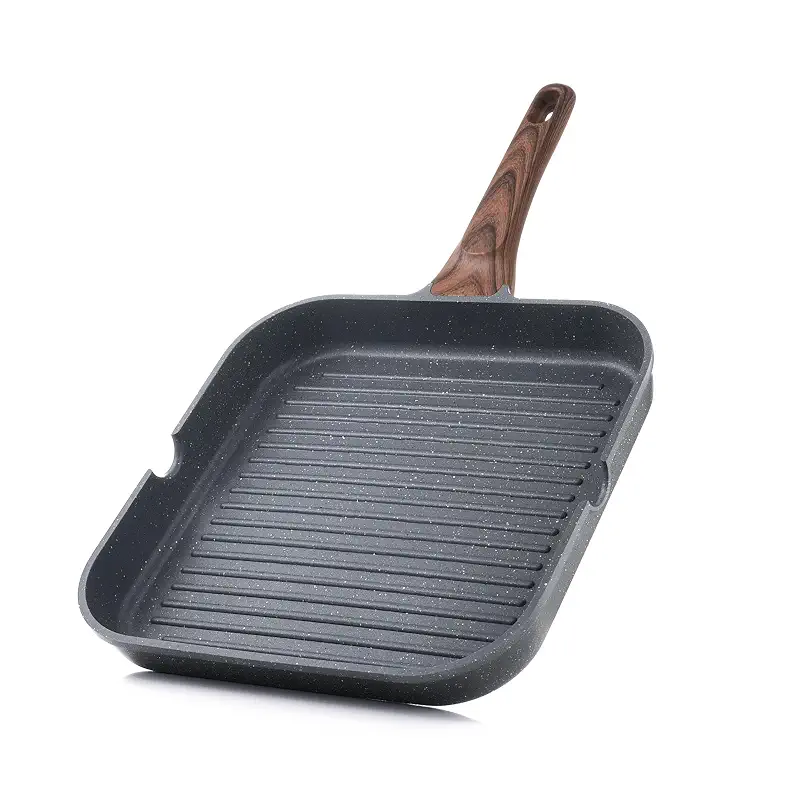
SENSARTE Nonstick Grill Pan for Stove Tops, Versatile Griddle with Pour Spouts, Square Big Cooking Surface, Durable Skillet Indoor & Outdoor Grilling. PFOA Free, 9.5 Inch
4.6(2,809)
Raised ridge design creates restaurant-style grill marks on fish while the ILAG coating ensures easy release even without much oil.
Ideal for: Cooks who want restaurant-style grill marks on fish and prefer drainage grooves to trap excess fat.
The Sensarte grill pan takes a different approach to fish cooking. Where traditional frying pans aim for contact and browning, this one trades some surface area for visual drama and controlled fat drainage. The raised ribs create grill marks on fish fillets, which appeals to home cooks who want that steakhouse presentation. Owners rave about the nonstick performance and cleanup ease, noting that even with metal utensils and frequent use, the pan holds up without visible damage.
For fish specifically, the ridge design has a practical benefit: it lifts the flesh slightly off the cooking surface, allowing excess oil and rendered fat to drain into the grooves rather than sitting on the fish. This produces a crisper skin than a flat-bottomed pan would. The Swiss ILAG nonstick coating is PFOA-free and performs well at moderate-to-high heat. The pour spouts on both sides are genuine conveniences when you need to drain pan liquids without lifting the fish.
The catch is that it's smaller and shallower than a traditional skillet, better suited to thin fillets or small whole fish rather than thick steaks or large portions. The bakelite handle stays cool, but the pan itself is cast aluminum, not the heavy-gauge stock preferred in frying pans for gas stove cooking where hot spots demand more thermal mass. If you prioritize the seared look and don't mind a narrower cooking footprint, this excels.
Pros
Raised ribs create visual grill marks and drain excess oil naturally
ILAG nonstick coating releases fish skin without heavy oil use
Pour spouts on both sides make fat and liquid draining effortless
Cons
Smaller cooking surface limits portion size compared to traditional pans
Ridge pattern can trap small food particles requiring extra rinsing
Key features
9.5-inch square grill pan with raised ribs for professional-style marks
Die-cast aluminum with high-magnetic stainless steel base for even heating
PFOA-free Swiss ILAG nonstick coating for minimal-oil cooking
Dual pour spouts for easy fat and liquid drainage
Compatible with gas, electric, induction, and ceramic cooktops
Ideal for: Home cooks seeking professional heat control, oven flexibility, and PFAS-free nonstick performance for finer fish preparations.
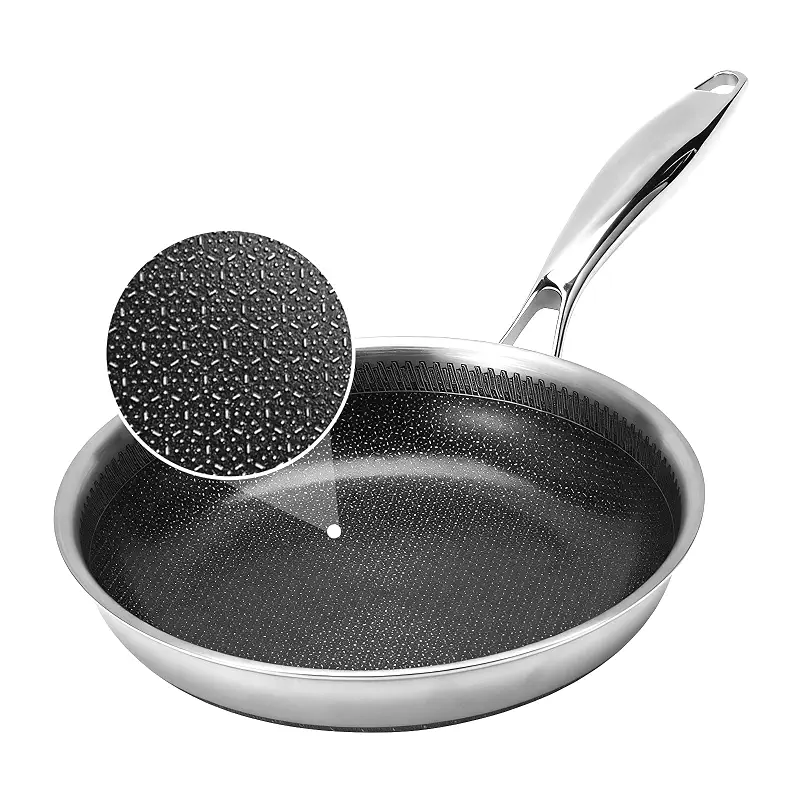
The Legacy Culinaryware enters premium territory, and owners justify the investment with glowing reports about even heating and versatility. What sets this apart is the full-body tri-ply construction: aluminum core sandwiched between stainless steel layers that extend all the way up the sidewalls, not just bonded to the bottom. This engineering eliminates hot spots entirely, which means fish browns evenly without requiring constant attention or repositioning.
The ceramic nonstick coating is a different beast from traditional PTFE. It's PFAS-free and performs well at moderate temperatures, releasing delicate fish easily when you use a touch of oil. But here's the real standout feature: the pan is oven-safe to 600°F. You can sear a thin fish fillet on the stovetop at medium-high heat, then finish it in a 450°F oven to cook through without drying the exterior. That flexibility is rare and valuable for anyone who cares about technique.
Owners note the pan arrived beautifully packaged and assembled quickly. The ceramic coating requires a gentler touch than traditional nonstick (avoid metal utensils) but in exchange it feels healthier and performs consistently over months of use. The 8-inch size is smaller than the Tramontina, better for single fillets or small households. Compared to the Sensarte grill pan, this trades grill marks for superior heat distribution and oven capability.
Pros
Full tri-ply stainless steel construction eliminates hot spots entirely
Ceramic nonstick coating is PFAS-free and releases fish reliably
Ideal for: Cooks seeking modern design, even heating, and smart storage features for regular fish and vegetable frying.
The Agerma brings thoughtful design choices that feel modern without gimmickry. The tri-ply stainless steel core with aluminum interior heats rapidly and evenly, and reviewers consistently mention that food cooks without hot spots: crucial for fish, where uneven heat can dry out thinner areas while leaving thicker sections undercooked. The reinforced nonstick coating strikes a balance: it performs well without the finicky maintenance of ceramic coatings, and it tolerates occasional metal utensils better than premium options.
The detachable handle is genuinely clever for fish cooking. You can remove it and slide the pan under the broiler to finish a fillet at high heat without worrying about melting plastic or silicone. Storage becomes easier too, especially in cramped kitchens where hanging or storing a full-sized pan is awkward. The rivet-free interior means no food traps and genuinely faster cleanup. Owners report the pan arriving with solid build quality and performing consistently across induction, gas, and electric cooktops.
Where the Agerma differs from the Tramontina is the detachable handle and slightly more modern aesthetics, though the Tramontina's reinforced coating may hold up slightly longer to heavy use. If you value flexibility and space efficiency alongside reliable performance, the Agerma is the smarter choice. Compared to the Legacy premium pan, this trades oven versatility (400°F vs. 600°F) for lower cost and broader everyday appeal.
Pros
Tri-ply construction heats evenly without hot spots affecting fish doneness
Detachable handle enables broiler finishing and compact storage
Rivet-free interior eliminates food buildup and reduces cleaning time
Cons
400°F oven limit restricts high-heat finishing techniques available on premium models
Reinforced nonstick coating requires standard care to maintain longevity
Key features
Tri-ply stainless steel with responsive aluminum core for rapid, even heating
Reinforced nonstick coating prevents sticking with minimal oil use
Detachable handle with silicone sleeve for storage and oven use
Induction compatible and dishwasher safe for all cooktop types
100% replacement warranty within 24 hours for shipping damage
Ideal for: Budget-conscious cooks who fry fish regularly and want genuine nonstick performance without overspending.
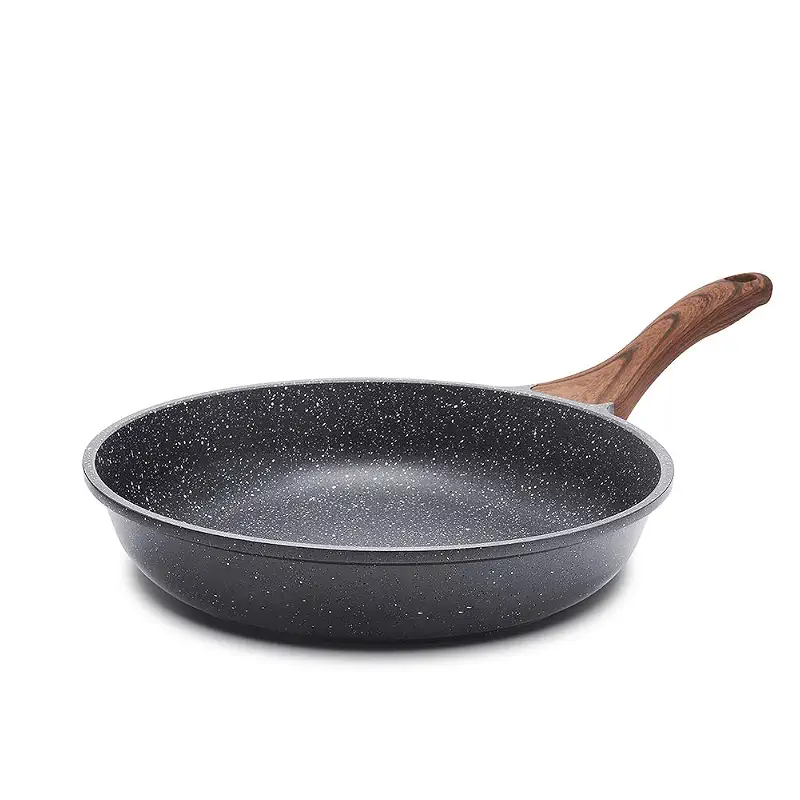
The Sensarte stone-coating pan is the wild card in this lineup: it performs at a level that defies its budget positioning. Owners consistently express surprise at the quality for the price, noting the cast aluminum construction feels sturdy (not flimsy), the nonstick coating releases food cleanly without excessive oil, and cleanup is genuinely effortless. For fish cooking on a tight budget, this is hard to beat.
The Swiss ILAG coating is the real story here. It's a ceramic-inspired nonstick that performs similarly to much pricier options, and reviewers report it holding up well over a year or more of regular use. The pan comes with a quality screwdriver and extra hardware, and the bakelite handle is genuinely comfortable and stays cool. The magnetic stainless steel base works on induction cooktops, a rarity at this price. Initial seasoning (following the instructions) ensures the coating performs at its best from day one.
Trade-offs are real but manageable. The oven temperature limit is 302°F, too low for finishing fish in a hot oven; you're committed to stovetop cooking. The handle is not detachable, and the pan is lighter than tri-ply options, so it can warp if you subject it to rapid temperature changes. Stick to medium heat, let it cool before washing, and use silicone utensils, and you'll enjoy years of reliable fish frying. This is the pan to choose if you want nonstick versus stainless steel cookware performance without the premium investment.
Pros
Swiss ILAG ceramic nonstick releases fish skin reliably with minimal oil
Cast aluminum body feels sturdy and performs well on induction cooktops
Included screwdriver and clear assembly make setup quick and intuitive
Lighter weight can warp under rapid temperature changes if not handled carefully
Key features
Cast aluminum construction with Swiss ILAG nonstick ceramic coating
High-magnetic stainless steel base works on all cooktops including induction
Woodgrain bakelite handle stays cool and provides comfortable grip
Available in 8 to 12.5-inch sizes to match portion needs
Dishwasher safe with simple care requirements for coating longevity
How to Choose a Pan for Frying Fish
Four trade-offs that actually matter when matching a pan for frying fish to your kitchen.
Nonstick vs. Stainless Steel: Which Matters for Fish
Fish is where nonstick earns its keep. Delicate fillets and crispy skin stick easily to bare stainless steel, even when properly preheated and oiled. Nonstick versus stainless steel cookware comes down to priorities: nonstick pans release fish effortlessly and clean up in seconds, but require gentle care and occasional replacement of the coating. If you fry fish weekly, nonstick saves time and reduces frustration. For occasional fish cooks, a quality stainless steel pan with proper technique (preheat thoroughly, use adequate fat, don't move the fish too early) can work, but nonstick remains the path of least resistance.
Heat Distribution and Even Browning
Uneven heat creates unevenly cooked fish: one side dry and overbrowned, the other pale and undercooked. Heavy-gauge aluminum and tri-ply stainless steel both distribute heat evenly; the difference is speed. Aluminum heats faster but can warp over time. Tri-ply construction (stainless steel layers sandwich an aluminum core) combines rapid heating with warping resistance and longevity. For fish, you want moderate-to-high heat, not screaming hot burners. A pan that heats evenly at medium-high will brown fish skin without overcooking the flesh.
Size and Depth Matter for Fish Portions
A 10 to 12-inch pan suits most home fish cooking. Smaller pans (8 inches) work for single fillets or small households but feel cramped with multiple servings. Depth matters too: shallow pans risk oil splashing, while deeper sides (at least 2 inches) contain splatters and give you room to move the fish without tipping hot oil. Ridge-pattern grill pans sacrifice some usable surface for visual appeal and fat drainage, making them better for thin fillets than thick steaks.
Oven Versatility and Temperature Limits
Many fish recipes start on the stovetop and finish in the oven for even, gentle cooking. Check the pan's oven-safe temperature: budget nonstick pans top out at 300-350°F, while reinforced nonstick and stainless steel handle 400°F or higher. Premium tri-ply pans rated to 600°F give you the flexibility to sear aggressively on the stovetop then transfer to a 450°F oven to cook through. If you never finish fish in the oven, this matters less; if you do, it changes your technique and options significantly.
Preventing Fish From Sticking
Beyond choosing a nonstick pan, technique prevents sticking more reliably than coating alone. Preheat the pan fully (until a water droplet forms a ball and rolls), use adequate fat (oil or butter: at least a tablespoon per fillet), and let the fish sit undisturbed for the first minute to develop a crust that releases naturally. The preventing fish from sticking comes down to patience: resist the urge to flip or move the fillet too early. A properly seared fish releases cleanly without sticking when its time comes.
Frequently asked
Quick answers to the questions readers ask most.
What size pan is best for frying a whole fish?
A 12 to 14-inch pan accommodates a whole fish (2 to 4 pounds) without crowding, which is essential for even cooking. Smaller pans force you to bend the fish or fry in batches. Make sure the pan is at least 2.5 inches deep so the fish sits flat and oil doesn't splash when you turn it. If you fry whole fish regularly, consider the larger Tramontina or Sensarte options in the 11-12 inch range.
Can I use a stainless steel pan to fry fish without nonstick coating?
Yes, but it requires more care. Preheat the stainless steel pan thoroughly (until a water droplet beads and rolls), use plenty of oil or butter, and let the fish develop a golden crust before moving it. Even then, delicate white fish fillets are more prone to sticking than heartier species like salmon or mahi-mahi. Nonstick removes that guesswork and makes cleanup effortless, which is why it dominates home fish cooking.
How long does a nonstick coating last on a fish pan?
With proper care (medium heat, silicone or wood utensils, hand washing or gentle dishwasher cycles), a quality nonstick coating lasts 3 to 5 years of regular use. Budget pans may degrade faster; premium reinforced coatings last longer. Avoid metal utensils, sudden temperature changes, and cooking at high heat, which all accelerate wear. Once the coating begins peeling or flaking, replace the pan rather than cooking with damaged nonstick.
Should I buy a grill pan or a traditional skillet for frying fish?
Traditional skillets offer more usable surface and depth for varied fish sizes and portions. Grill pans create visual appeal and drain fat naturally, but their ridges reduce contact area and can trap small bones or skin fragments. For crispy-skinned fillets, a flat-bottomed skillet wins. For presentation and fat management, a grill pan shines. Your choice depends on whether you prioritize versatility and volume or restaurant-style appearance.
Is ceramic nonstick better than traditional nonstick for fish?
Ceramic nonstick is PFAS-free and feels healthier to some cooks, but it's less durable than reinforced PTFE (traditional nonstick) and doesn't tolerate metal utensils or high heat as well. Both release fish effectively when used properly. Ceramic requires gentler handling; traditional nonstick is more forgiving. For fish specifically, the difference in performance is minimal: go with whichever aligns with your care habits and health concerns.