Kitchen & Dining · Gadgets
Best Mezzaluna Knives
Find the best mezzaluna knife for chopping herbs, pizza, and vegetables. Expert reviews of top rocker knives with curved blades and protective covers.
Affiliate disclosure: As an Amazon Associate I earn from qualifying purchases.
At a glance
2
Best for Eco-Conscious CooksThe Bold Bee
3
Best Premium Handcrafted OptionTivoli
4
Best Made-in-Italy TraditionalVerve CULTURE
5
Best Budget-Friendly PickXoYoZo
Detailed reviews
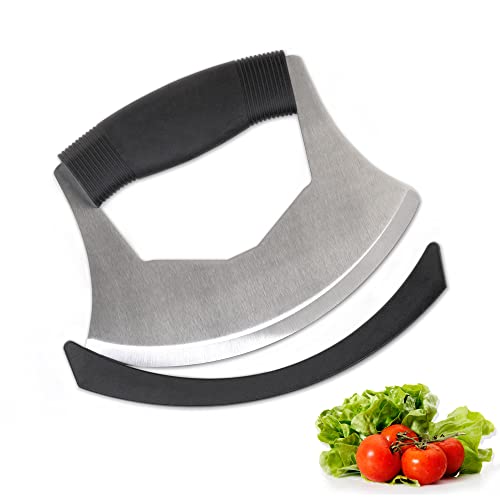
The Gourmetly mezzaluna earns consistent praise for its sharpness and solid construction. Owners consistently report that it handles pizza, fresh herbs, and vegetables with minimal effort, and the included sheath protects both the blade and your fingers in the drawer. The handle is straightforward to grip, and the all-stainless-steel build means it won't rust or corrode with normal care.
One recurring note from buyers is that putting the plastic sheath back on requires some care and attention. A few users found the process slower than they'd like, though most grew comfortable with it after a few uses. The blade does demand respect when washing because of its sharpness; wiping with the edge pointed away rather than toward you makes a difference.
Where this model shines against pricier options, and why it ranks among the best mezzaluna knife choices, is durability combined with an accessible price point. It's the kind of knife that gets used frequently because it actually saves time compared to a chef's knife, and the blade holds its edge well enough that you won't be sharpening it every month. People with arthritis or wrist pain report significant relief, which speaks to the ergonomic value beyond raw speed.
Pros
- Consistently sharp blade requires minimal pressure
- Solid stainless steel construction resists rust
- Protective sheath included and easy to store
Cons
- Sheath can be awkward to slide back on safely
- Metal handles may become slippery when wet during washing
Key features (4)
- 12-inch curved stainless steel blade with protective sheath
- Ergonomic solid steel handles for two-handed rocking motion
- Sharp edge holds up through regular vegetable, herb, and pizza prep
- Hand wash recommended; blade durability supports frequent kitchen use
The Bold Bee's mezzaluna stands out for its use of genuine 304 grade stainless steel (18% chromium, 8% nickel) rather than mystery blends, which translates to real corrosion resistance and durability over years of use. The rounded, elongated handles were specifically designed through research to conform to different hand sizes and grip styles, which matters if you cook with varying hand positions or share the knife with household members.
One of the brand's distinctive touches is the stainless steel soap bar included with purchase. It actually works to neutralize odor from garlic, onion, and fish on your hands through a chemical reaction with sulfur compounds. While it doesn't replace regular handwashing, it's a thoughtful bonus that separates this from a basic knife purchase. The packaging is deliberately minimal and recyclable, appealing to buyers who care about environmental impact.
Compared to the Gourmetly above, this version costs a bit more but includes that soap bar and reflects a higher material specification. The blade cover requires some pressure to apply and remove, which a few owners noted can feel risky if you're not deliberate about hand placement. Some buyers also mentioned oil on the blade upon arrival (likely mineral oil for rust prevention), so wash it thoroughly before your first use. If you value company ethos and sustainable sourcing alongside performance, this one justifies the step up.
Pros
- 304 grade stainless steel offers superior corrosion resistance
- Rounded handles adapt to different grip styles and hand sizes
- Stainless soap bar removes food odors from hands effectively
Cons
- Blade cover fits very tightly and requires careful handling to remove
- Arrives with protective oil that needs thorough washing before use
Key features (4)
- 12-inch 304 stainless steel blade with superior durability specification
- Rounded elongated handles conform to varying hand positions and sizes
- Includes stainless steel soap bar for odor neutralization
- Minimal, recyclable packaging reflects eco-friendly company mission
The Tivoli hand-forged ulu brings genuine artisanal quality to the mezzaluna category. Each blade is forged by hand through more than 70 steps, which creates both outstanding sharpness and a unique hammered texture pattern. The high-carbon steel holds an edge exceptionally well, and the visible forging marks are markers of authenticity rather than flaws. The rosewood handle and full-tang construction (blade extends through the entire handle) deliver the kind of balance and durability that reward years of daily use.
Owners consistently report that this knife arrives extremely sharp and cuts through dense foods like roasted chicken and fresh herbs with minimal effort. The leather sheath with belt loop is a feature you don't get on most kitchen-focused mezzalunas, making this suitable for outdoor cooking, camping, or grilling prep as well as daily indoor work. One buyer with a stroke found it invaluable for one-handed use, and the weight and balance support that kind of accessibility.
The tradeoff is cost and maintenance. High-carbon steel requires immediate drying after washing to prevent rust, and the leather sheath needs attention if stored wet. Compared to the stainless options above, this demands more care but rewards it with a blade that stays sharper longer and handles tougher tasks. If you view kitchen tools as investments and appreciate visible craftsmanship, the hand-forged construction and gift-quality packaging justify the premium. This also works as a thoughtful gift for cooks or outdoor enthusiasts who respect quality tools.
Pros
- Hand-forged high-carbon steel holds edge longer than stainless
- Leather belt sheath enables outdoor cooking and camping use
- Full-tang rosewood construction delivers superior balance and durability
Cons
- High-carbon steel requires immediate drying to prevent rust spots
- Higher price reflects artisanal production and premium materials
Key features (4)
- Hand-forged high-carbon steel blade through 70+ traditional steps
- Rosewood handle with full-tang construction for balance and strength
- Includes custom leather belt sheath for portability and storage
- Artisan craftsmanship with unique hammered blade pattern; gift-boxed
The Verve CULTURE mezzaluna represents the traditional approach: a single curved blade, sturdy beechwood handles, and made-in-Italy construction. Where this differs from most others in this lineup is the single blade design versus double blades, which affects how it rocks and what it excels at. Buyers appreciate its simplicity and the way beechwood feels warm in the hand; it's the kind of tool that catches light differently than stainless and plastic competitors.
Owners report excellent results for herb mincing and vegetable prep, with one mentioning they saw these used by an 80-year-old cook in Italy and wanted the same tool. The rocking motion is smooth, and the beechwood construction pairs well with traditional kitchen aesthetics. One reviewer noted they owned a similar mezzaluna purchased in Italy 40 years ago, and this one measures up to that standard, which speaks to durability across decades. For cooks who appreciate specialized kitchen knives with heritage, the top yanagiba knives represent a similar philosophy of tool authenticity and craftsmanship applied to a different cutting task.
The tradeoff is that with fewer reviews (15 total) and more specialized use, this is less tested than the high-volume options like XoYoZo or Gourmetly. If you chop herbs regularly and want an authentic, beautifully made tool that aligns with traditional cooking methods, this delivers that authenticity. Compared to the Tivoli's hand-forged premium finish, this offers Italian tradition at a lower price point, though it lacks the leather sheath and outdoor versatility. It's the right choice if you value heritage and simplicity over modern manufacturing bells and whistles.
Pros
- Authentic Italian construction with proven longevity across decades
- Beechwood handles offer warm, traditional aesthetic and feel
- Single curved blade delivers smooth, efficient herb mincing
Cons
- Fewer customer reviews limit feedback on long-term durability
- Single blade design may be less versatile for thick or dense items
Key features (4)
- Single curved stainless-steel blade with traditional half-moon shape
- Ergonomic beechwood handles for comfortable two-handed rocking
- Made in Italy with heritage construction methods
- 10-inch blade size compact for herb-focused prep work
The XoYoZo mezzaluna delivers strong performance at an entry-level price, making it ideal for cooks who want to test whether a mezzaluna fits their workflow before spending more. The 6.5-inch stainless steel blade is plenty sharp, and the non-slip handle was redesigned specifically to improve ergonomics and reduce slippage during use. The included protective cover and dishwasher-safe design lower the barrier to ownership compared to hand-wash-only options.
Owners with arthritis, limited mobility, and wrist issues consistently praise this knife for how much faster it handles prep work and how much safer it feels than gripping a traditional chef's knife. One reviewer who broke their wrist found it made cutting achievable with their non-dominant hand. The blade's smaller footprint (6.5 inches versus 12 inches on larger models) means it suits smaller cutting boards and tighter kitchen spaces better than full-size options. The dishwasher capability is real and tested: many modern home cooks value this convenience.
One legitimate caution from the reviews is that the blade is genuinely sharp, and sliding it back into the cover requires deliberate hand placement to avoid nicks. A few users noted the cover doesn't feel as durable as leather or hardened plastic alternatives. Compared to premium handcrafted options, you're trading longevity and hand-forged edge retention for immediate affordability and accessibility. This is the right starting point if you're new to mezzalunas or want a second knife for a guest kitchen, much like someone might begin with a basic kiritsuke knife before investing in hand-forged versions from specialized makers.
Pros
- Affordable entry point for testing mezzaluna workflow fit
- Non-slip ergonomic handle designed for reduced slippage
- Dishwasher safe and includes protective cover for convenience
Cons
- Blade cover feels less durable than premium sheath options
- Smaller 6.5-inch blade may limit use for larger prep tasks
Key features (4)
- 6.5-inch stainless steel blade with 2mm thickness for reliable cutting
- Ergonomic non-slip handle designed for secure, comfortable grip
- Protective cover included; dishwasher safe for easy cleanup
- Compact size suits smaller cutting boards and kitchen spaces
How to Choose a Mezzaluna Knife
Blade Size and Weight
Mezzaluna blades typically range from 6.5 to 12 inches. A 12-inch blade covers more ground with each rock, speeding up large-batch chopping, while a 6.5-inch blade works better on smaller cutting boards or if you have limited counter space. Weight matters too: a properly balanced knife should feel solid in your hands without tiring you, especially if arthritis or hand fatigue is a concern. Test by imagining the rocking motion for five minutes straight.
Handle Material and Comfort
Stainless steel handles are durable and dishwasher-safe but can become slippery when wet, requiring extra care during washing. Beechwood and rosewood handles offer warmth and grip texture, though they need hand-washing and occasional oiling to prevent splitting. Rounded, elongated handles conform to varying grip styles better than rigidly ergonomic designs, which matter if multiple people use the knife or your hand position shifts during chopping.
Blade Material: Stainless vs. High-Carbon Steel
Stainless steel (including 304 grade) resists rust and requires less maintenance, making it ideal if you prioritize convenience. High-carbon steel holds a sharper edge longer but demands immediate drying after washing to prevent rust spots. If you chop multiple times daily and value sharpness above all, high-carbon justifies the extra care. For most home cooks, stainless steel simplifies ownership without sacrificing performance. Learn about the mezzaluna rocking technique to get the most from either type.
Storage and Safety Features
A protective cover is essential: the curved blade is impossible to store safely on a magnetic strip or knife block. Plastic sheaths are lighter and easier to rinse but wear faster; leather sheaths look refined and work for outdoor use but need to stay dry. Check whether the cover is easy to slide back on without fumbling; a few millimeters of tight fit can mean the difference between safe storage and risky re-covering after every wash.
Our picks at a glance
2
Best for Eco-Conscious CooksThe Bold Bee
3
Best Premium Handcrafted OptionTivoli
4
Best Made-in-Italy TraditionalVerve CULTURE
5
Best Budget-Friendly PickXoYoZo
Frequently asked
Is a mezzaluna knife safe to use?
Yes, when handled with respect. The curved blade is exposed, so it demands attention during use and storage. The two-handed rocking motion actually reduces the pinch-point risk of traditional knives, and owners with arthritis often find it safer than gripping a chef's knife. Keep your knuckles curled and use a proper cutting board with a stable surface. Always use the protective cover when storing, and wash with the blade pointed away from your body.
Can a mezzaluna go in the dishwasher?
It depends on the blade material and brand design. Stainless steel mezzalunas like the XoYoZo are dishwasher-safe according to product specs, though hand-washing with immediate drying extends blade sharpness longer. High-carbon steel blades (like the Tivoli) should never go in the dishwasher because the heat and moisture accelerate rust. Always check the product manual, and when in doubt, hand-wash and dry immediately.
What can you chop with a mezzaluna besides pizza?
A mezzaluna excels at mincing fresh herbs (parsley, cilantro, basil), chopping vegetables (onions, carrots, celery), dicing cooked meats, shaving cheese, and breaking down salad greens. Some users prep fruit or nuts, though dense items require steady downward pressure. The rocking motion is gentler than a food processor, so oils and aromatics stay intact rather than getting pulverized.
How do I sharpen a mezzaluna knife?
Sharpening a curved blade is more involved than a straight edge and usually requires a curved honing steel or professional sharpening. Stainless steel mezzalunas hold an edge reasonably well and may only need sharpening once every 6 to 12 months with regular use. High-carbon steel keeps an edge longer but also demands proper care. If you're uncomfortable sharpening at home, budget for professional sharpening annually or bring it to a local sharpening service.
Do I need a special cutting board for a mezzaluna?
A large, stable cutting board (at least 12 by 18 inches if using a full-size knife) makes rocking easier and faster. The curved blade works with both wood and plastic boards equally well. Avoid small or thin boards that shift during use. Some owners with curved-blade knives prefer a curved chopping block that cradles the blade, though it's not strictly necessary if your technique is steady.