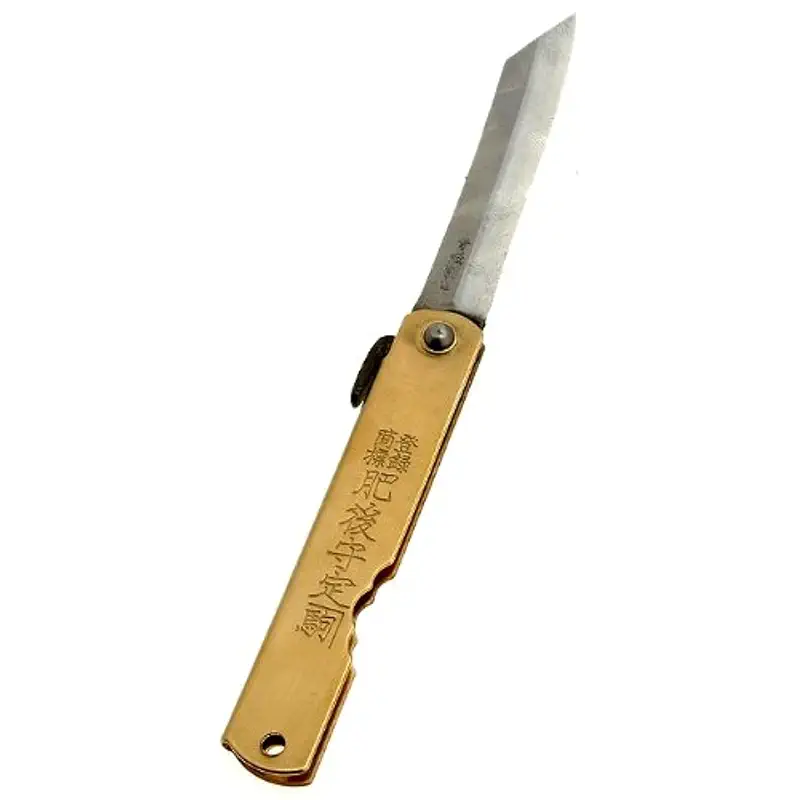
Best Made Japanese Higo Knife: Handcrafted Pocket Knives
Discover authentic handmade Japanese Higo knives from Nagao Seisakusho. Compare traditional pocket knives with blue paper steel, brass handles, and timeless design.
Ideal for: Knife enthusiasts, carvers, and users who appreciate maintenance-focused traditional tools.
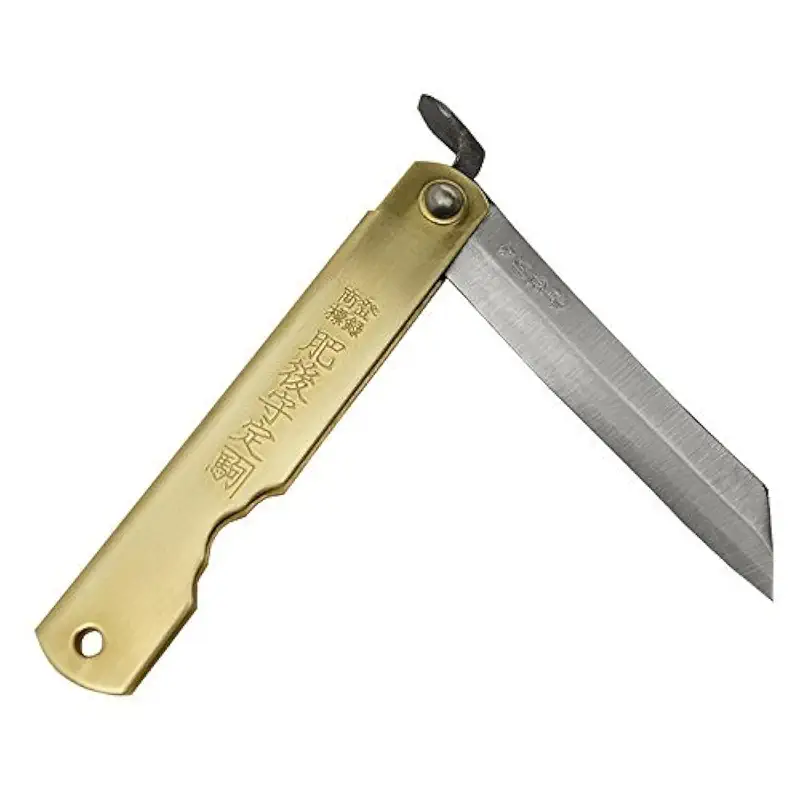
The Higo No Kami 10 with brass finish is the entry point most collectors and everyday users choose first. Warikomi steel (a layered steel construction) delivers solid edge retention without the maintenance demands of pure blue paper, making it more forgiving for those new to traditional Japanese blades. The brass handle develops character over time, shifting from bright gold to a mellowed patina that many owners find more appealing than the original finish.
Owners consistently praise the hand-forged quality and sharp edge right out of the box, though you'll want to inspect for the fine grinding marks and small burrs that come with minimal finishing. This is not a flaw but a reflection of Nagao Seisakusho's philosophy: every dollar goes into steel and function, not cosmetic polish. The blade tension and opening mechanism work beautifully, and the simplicity of the design means there's nothing to fail or lock up over years of use.
Where the Higo No Kami 10 stands apart from competitors like the Miyamoto Seisakusho model is in provenance and consistency. You're buying directly from the last remaining authorized maker in the guild, which matters if you care about authenticity and long-term availability. The trade-off is that this knife demands thoughtful handling: close the blade with care to avoid chipping the edge, keep it oiled to prevent rust, and accept that a friction folder has no lock mechanism, habits equally essential for japanese chef knives under 100 that share the same reactive high-carbon steel.
Pros
Authentic guild-made construction by Nagao Seisakusho
Warikomi steel balances edge retention and ease of care
Excellent blade tension and opening lever from the start
Cons
No blade-locking mechanism requires deliberate, careful handling
Carbon steel requires regular oiling to prevent rust
Key features
Handcrafted warikomi steel blade, approximately 3 inches long
Brass satin handle develops natural patina over time
Simple mechanical opening lever, no springs or locks
Made by the last remaining authorized guild manufacturer
#2 Pick
Best for Daily Carry
Higo No Kami
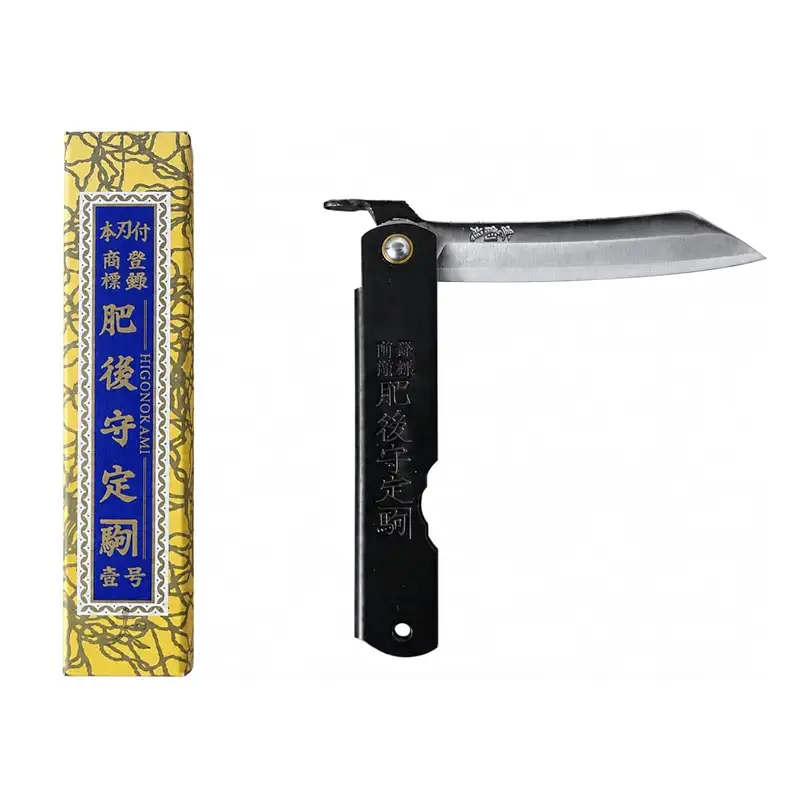
Higo no Kami 7 Pocket Knife by Nagao Seisakusho, Parkerized Black Satin Finish
4.4(983)
Blackened brass handle offers a modern look while maintaining traditional friction-folder design and warikomi steel.
Ideal for: Daily users, woodcarvers, outdoor enthusiasts who want tradition without premium maintenance.
The Higo No Kami 7 with parkerized black satin finish appeals to users who want the authentic Higo experience with a contemporary aesthetic. The blackened nickel-plated brass handle resists showing oil and fingerprints better than bright brass, though the finish will gradually wear to reveal silver underneath: an effect owners describe as adding character rather than degrading the tool. Warikomi steel provides reliable cutting performance for light tasks without requiring the meticulous maintenance that blue paper demands.
Buyers who have carried this knife daily report that it holds its edge remarkably well for its size and price point, and the blade came sharp enough for practical work right away. One long-term carrier noted it remained in excellent condition after months of daily use in a backpack, suggesting the design's durability when treated with basic respect. Like all Higo models, the knife will loosen at the brass rivet over time: a simple tap with a hammer fixes this, and many owners see this as part of the charm rather than a defect.
Compared to the blue paper steel versions, this warikomi model sits in the middle ground: not as fussy as blue paper, but with the same historical pedigree as the Higo No Kami 10. The parkerized finish appeals to those who want to carry the knife without worry about showing every smudge, making it the practical choice for someone building their first collection. If you're considering how Japanese pocket knives compare to other specialized blades, note that the Higo's friction-folder simplicity contrasts sharply with the single-purpose refinement you'd find in top yanagiba knives, which sacrifice portability for precision slicing in a kitchen setting.
Pros
Blackened handle hides wear and oil better than bright brass
Warikomi steel sharpens easily with basic whetstones
Tight blade tension and smooth opening out of the box
Cons
Blade edge will chip if closed carelessly without proper technique
Hand-forged finish includes visible file marks and minor imperfections
Key features
Parkerized black satin brass handle for subtle daily-carry looks
Warikomi steel blade resists edge dulling under typical use
Approximately 3-inch blade with simple mechanical opening
Handmade by Nagao Seisakusho, Japan's sole licensed maker
#3 Pick
Best Premium Choice
Higo No Kami
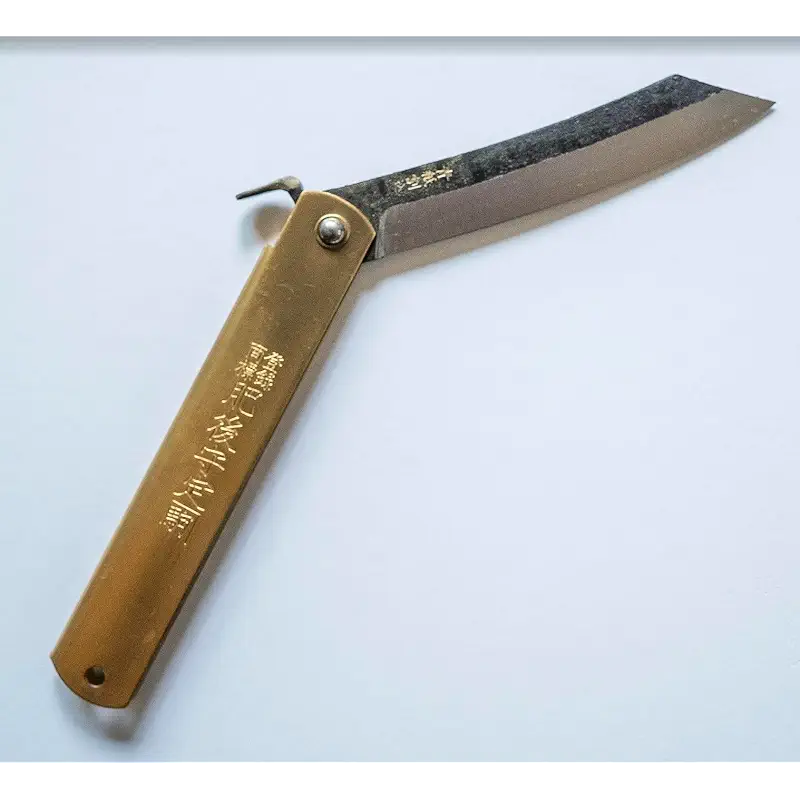
Higonokami Folding Knife – Blue Paper Steel 120mm
4.6(312)
Blue paper steel blade delivers exceptional edge-holding and sharpness for collectors and carvers willing to invest in maintenance.
Ideal for: Knife collectors, carvers, and craftspeople who sharpen and maintain their tools regularly.
The Higo No Kami with blue paper steel represents the pinnacle of edge steel in the Higo lineup. Blue paper (aogami) is a high-carbon Japanese steel prized for its hardness and ability to achieve a razor edge, making this knife ideal for precision carving and detailed pencil sharpening. Out of the box, owners report the blade arriving near mirror-sharp, and the three-layer construction means you can see the color variation between steel types when polished: a visual reward for those who take time to refine the finish.
The trade-off is unambiguous: blue paper demands attentive care. This steel will rust if left wet or unwiped, and the blade is not suited for prying or cutting hard materials. Owners frequently mention needing to sharpen more often than expected if the knife sees regular use, though stropping between sharpenings extends the edge considerably. The 120mm folded length sits larger in the hand than the 90mm variant, making it more comfortable for extended carving sessions. One experienced collector described the sharpness of blue paper as "nearly unequalled" for its price, but only if you accept the blade's limitations and care for it accordingly.
Where this differs from warikomi models is in capability and cost of ownership. Blue paper excels at slicing tasks and shaving-sharp cuts, while warikomi offers more forgiveness. If you are drawn to higo knife steel types and want to understand the difference, blue paper is the traditional choice that connects you to the knife's original purpose as a craftsperson's tool. The 120mm size also appeals more to serious carvers than the compact 90mm, though both demand the same level of respect.
Pros
Blue paper steel achieves and holds an exceptional edge
Larger 120mm size comfortable for sustained carving work
Hand-forged construction visible in blade figure and patina
Cons
High-carbon steel requires frequent oiling to prevent rust spots
Edge is brittle under stress and unsuitable for prying or tough materials
Key features
Blue paper steel blade, approximately 220mm open length
Brass handle develops rich patina with age and handling
Around 3mm blade thickness provides sturdy yet sharp edge
Handcrafted by Nagao Seisakusho with over a century of heritage
#4 Pick
Best Alternative Maker
Product of Gifu Japan
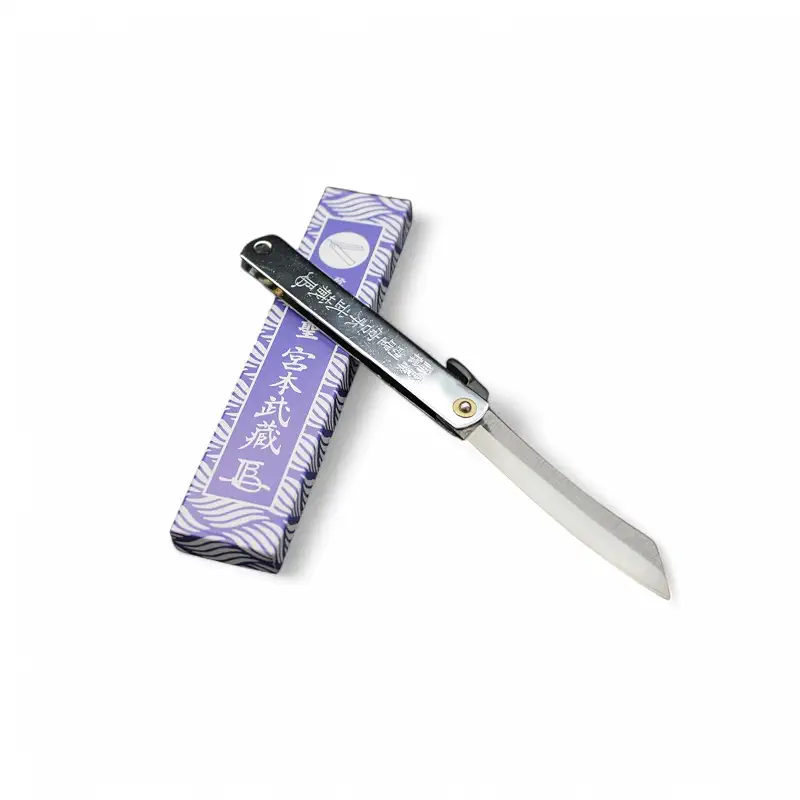
Higo Folding Knife 2.76" Blade Japanese All-Steel Pocket Knife Miki Japan | for Camping, Carving, Utility Use Handmade
4.7(4)
All-steel construction from Miyamoto Seisakusho offers a modern take on the traditional Higo design at a competitive price.
Ideal for: Budget-conscious buyers, first-time users testing the friction-folder concept.
The Product of Gifu Japan Higo from Miyamoto Seisakusho represents a different lineage of Japanese pocket-knife craftsmanship. While not part of the original Higo guild, Miyamoto has over 100 years of blade-making history in Miki and produces knives with similar friction-folder mechanics and carbon steel construction. The all-steel handle and blade configuration differs from the brass-handled guild models, creating a unified, industrial aesthetic that some users prefer for its cohesive look and feel.
Buyers describe this knife as meeting expectations for its entry-level price point: sharp, sturdy, and functional. The all-steel design may feel less refined than a Nagao-made Higo, but it also eliminates the brass-rivet loosening issue over time. The carbon steel blade requires the same oiling discipline as any other Japanese carbon knife, and the smaller buyer review base (compared to the established guild models) means fewer long-term durability reports. One reviewer noted the resemblance to "a good Chinese knife," which is worth considering if authenticity and guild provenance matter to your purchase.
Compared to the Nagao guild models, this Miyamoto knife trades heritage and guaranteed consistency for a lower entry cost and slightly different ergonomic feel. If you want a friction-folder pocket knife with Japanese blade-making credibility but are new to the category, this serves as a reasonable audition before committing to a premium Higo. However, if lineage and the 130-year story of the original Higo guild appeal to you, the Nagao knives remain the definitive choice. Specialty Japanese knives like the best kiritsuke knife serve entirely different purposes in food preparation, whereas this Higo works as a general-purpose pocket tool.
Pros
All-steel construction eliminates loose-rivet maintenance issues
Carbon steel blade sharp and durable for everyday cutting
Compact 2.76-inch blade ideal for travel and casual use
Cons
Limited long-term user reviews compared to established guild models
All-steel handle lacks the aesthetic refinement of brass alternatives
Key features
Carbon steel blade, 2.76 inches, handcrafted in Miki, Japan
All-steel construction with iron sheath
Compact 3.94-inch folded length for pocket carry
100+ year blade-making heritage from Miyamoto Seisakusho
#5 Pick
Best Compact Option
Higo No Kami
Higonokami Folding Knife – Blue Paper Steel 90mm
4.4(300)
Ultra-portable 90mm blue paper steel Higo for minimalist carvers and pencil sharpening in tight spaces.
Ideal for: Minimalists, travelers, and carvers who value ultra-portable design.
The Higo No Kami 90mm blue paper model is the most compact in the authentic guild lineup, folding to just 90mm: small enough to fit comfortably in a shirt pocket or watch case. The compact size does not diminish the blue paper steel's reputation for edge quality; this is the same legendary Japanese steel as the 120mm version, simply in a more travel-friendly format. Buyers who prioritize portability over hand comfort often gravitate here, and pencil sharpening becomes almost meditative with a blade this nimble.
The trade-off in size means your hand spans less handle real estate, which can feel cramped during extended carving sessions compared to the 120mm. The blade length (around 165mm open) is still substantial enough for detail work and typical pocket-knife tasks, but longer carving projects might leave your fingers fatigued. Blue paper steel maintenance remains unchanged: keep it oiled, avoid rust, and sharpen regularly to maintain the exceptional edge this steel delivers.
Where the 90mm sits in the higo knife size guide is as the travelers' and minimalists' choice. If you are deciding between the two blue paper sizes, the 90mm wins for pocket carry and the 120mm wins for comfort and sustained use. Both are made by Nagao Seisakusho with identical craftsmanship, so your choice should be driven by whether you prioritize portability or usable handle length. The smaller review count reflects its niche appeal rather than any quality deficit.
Pros
Folds to 90mm for ultra-compact pocket carry
Blue paper steel delivers exceptional edge retention
Rare and distinguished choice for collectors
Cons
Small handle uncomfortable for extended carving work
High-carbon steel requires disciplined maintenance against rust
Key features
Blue paper steel blade with exceptional hardness and edge
Ultra-compact 90mm folded length, 165mm open
Brass handle with natural patina development
Handmade by Nagao Seisakusho guild manufacturer
How to Choose a Japanese Higo Knife
Four trade-offs that actually matter when matching a made japanese higo knife to your kitchen.
Blade Steel: Performance vs. Maintenance
Higo knives come in two primary steel types. Warikomi (found in the Higo No Kami 10 and 7 models) is a layered steel that balances sharp edges with easier maintenance: it resists rust better and sharpens on basic whetstones without fuss. Blue paper steel (aogami), used in the premium 90mm and 120mm versions, achieves a finer edge and holds it longer, but demands regular oiling and careful handling to prevent rust spots. If you're new to Japanese carbon tools, warikomi is the forgiving entry point. If you appreciate higo knife steel types and are comfortable with a maintenance routine, blue paper delivers that legendary sharpness Japanese craftspeople have relied on for generations.
Size and Portability
The Higo lineup ranges from the pocket-friendly 90mm to full-sized 120mm blades. A 90mm knife folds to fit a shirt pocket and excels at pencil sharpening and detailed carving in confined spaces, but the small handle can cramp your hand during longer sessions. The 120mm model opens to a more comfortable working length and suits carvers who spend extended time with the blade deployed. The traditional 100mm models (Higo No Kami 10 and 7) split the difference, offering reasonable portability without sacrificing handle room. When you're learning about higo knife size guide options, consider how you'll actually carry and use the knife: daily pocket knife or workshop tool makes a real difference in which size serves you best.
Handle Finish and Aesthetics
Brass handles come in bright gold (Higo No Kami 10) or blackened nickel-plated finishes (Higo No Kami 7). Bright brass develops a warm, aged patina over months of use, while blackened brass hides daily wear and oil marks more gracefully: a practical choice if you'll carry the knife every day. The all-steel Miyamoto model appeals to users who want a unified, industrial look without the character shifts that come with brass. None of these is objectively better; your choice depends on whether you enjoy watching your tools age or prefer a consistent appearance.
Authenticity and Maker Heritage
Nagao Seisakusho is the last remaining manufacturer licensed by the original Higo knife guild, holding the exclusive right to use the trademarked name. If guild lineage and 130+ years of verified heritage matter to you, the Nagao models (Higo No Kami 10, 7, 90mm, and 120mm) are the definitive choice. Miyamoto Seisakusho, another respected Japanese maker with its own century-old history, produces excellent friction-folder pocket knives but outside the original guild framework. Both are legitimate Japanese-made tools; the decision hinges on whether you prioritize the historical connection to the original Higo story.
The Friction-Folder Reality Check
A Higo has no blade lock. The blade stays open only by the tension of the brass rivet against the handle. This design is intentional, minimalist, and proven across 130 years of use, but it demands respect. Close the blade with deliberate care or risk chipping the edge. Keep the knife oiled to prevent rust. Expect the rivet to loosen gradually and tap it with a hammer to retighten. If you want a modern locking folder with zero maintenance, buy something else. If you're drawn to the simplicity and craftsmanship of a traditional tool that rewards careful ownership, a Higo becomes not just a knife but a daily ritual.
Frequently asked
Quick answers to the questions readers ask most.
Will a Higo knife rust if I don't oil it regularly?
Carbon steel Higo knives will develop rust spots if left wet or unwiped, especially the blue paper variants. A light coat of mineral or tsubaki oil after use, and occasional wiping, prevents rust and keeps the blade dark and attractive. Warikomi steel is more rust-resistant than pure blue paper, but neither is stainless. Regular oiling is part of owning a traditional Japanese carbon tool, not a burden: many users find the ritual meditative and enjoy the patina that develops.
How sharp is a Higo knife out of the box?
Nagao-made Higo knives arrive respectably sharp and ready for light work immediately. Blue paper models often come near razor-sharp and can push-cut magazine paper without stropping. Warikomi models are sharp but not quite as fine. Some owners polish or sharpen on whetstones before use to suit their personal preference, but the factory edge is functional for carving, pencil sharpening, and general cutting tasks right away.
Is the lack of a blade lock dangerous?
A friction-folder relies on handle tension to keep the blade secure, not a mechanical lock. This design is safe if you handle the knife with intentionality: close it gently, don't apply pressure that could force the blade shut, and respect it as you would a straight razor. Historically, Higo knives were school-children's tools; the risk comes from careless handling or pocket carry in environments where the blade might accidentally open. Treat it as a hand-use tool, not a rough-duty folder, and the design proves its safety across generations.
How often do I need to sharpen a Higo knife?
Blue paper steel holds an exceptional edge and may only need stropping (drawing the blade spine-first across leather charged with stropping compound) for months of light use. Warikomi steel sharpens more readily and typically needs a whetstone every few months if used regularly. Heavy use on cardboard or wood accelerates dulling. The good news: both steels sharpen easily on affordable 1000-3000 grit whetstones, and regular stropping between sharpenings extends edge life considerably.
What's the difference between Nagao Seisakusho and other Japanese knife makers?
Nagao Seisakusho is the sole surviving manufacturer authorized by the original Higo guild and holds exclusive trademark rights. Every Nagao Higo is handmade by the same lineage of craftspeople who defined the design over 130 years ago. Other respected Japanese makers like Miyamoto produce excellent friction-folder pocket knives, but only Nagao knives carry the historical guild pedigree. If you want the authentic Higo story and guaranteed guild standards, Nagao is the source.