Kitchen & Dining · Gadgets
Best Knife to Cut Raw Chicken: Professional & Home Picks
Find the best knife for cutting raw chicken. Compare carving, boning, and chef's knives with sharp blades ideal for poultry prep and meat work.
Affiliate disclosure: As an Amazon Associate I earn from qualifying purchases.
At a glance
1
Best for Carving & SlicingCutluxe
2
Best Three-Piece Set for Daily Butcher WorkDragon Riot
3
Best Multipurpose Nakiri for Precision CutsPaudin
4
Best All-Around Chef's Knife for Home KitchensVictorinox
5
Best Precision Fillet Knife for Delicate TrimmingHoshanho
Detailed reviews
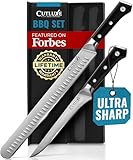
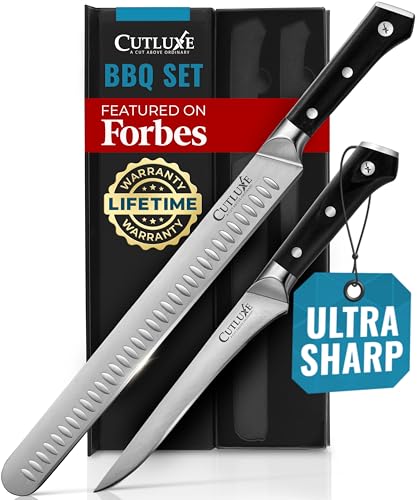
The Cutluxe set pairs a 12-inch slicing knife with a 6-inch boning knife, both with granton edges (those small indentations that reduce friction). For raw chicken, the boning knife is the workhorse; owners report it handles trimming and detail cuts with ease. The smaller blade gives you control when working around joints and bones. The longer slicing knife works better for whole roasted birds or large boneless cuts, though raw chicken doesn't always require that length, a philosophy yanagiba knives picks reinforce by matching blade length strictly to the cut's demands.
Owners consistently praise the sharpness out of the box and the full tang design, which means the steel runs through the entire handle for better balance and durability. The Rockwell hardness rating (a measure of blade durability) exceeds some pricier competitors according to buyer feedback. One limitation: the length means you need adequate storage and counter space, and the square spine edge can catch fingers if you're not careful about how you grip.
Compared to the Dragon Riot set, this is heavier and more specialized for larger cuts, whereas the Dragon Riot leans toward everyday butcher work across multiple knife types. If you're serious about poultry and roasts, the Cutluxe investment pays off.
Pros
- Razor-sharp granton blades reduce meat sticking and friction
- Full tang construction with ergonomic handle for control
- High Rockwell hardness holds edge longer than many competitors
Cons
- 12-inch blade requires safe storage space and counter clearance
- Square spine can catch skin if grip is not careful
Key features (4)
- 12-inch carving knife plus 6-inch boning knife in one set
- German stainless steel with granton edge design
- Full tang ergonomic handle for superior balance
- Lifetime warranty covers manufacturing defects
Dragon Riot's set includes a 6-inch boning knife, 6-inch skinning knife, and 8-inch breaking knife, each shaped for a specific job. For raw chicken, the boning knife is what you'll reach for most often; the skinning blade works well if you're removing skin before cooking. The breaking knife (sometimes called a cimeter) is designed for larger cuts but can handle poultry parts too. Owners report the knives arrive sharp and maintain that edge through multiple uses, with a 58±2 Rockwell hardness score.
The non-slip PP (polypropylene) handle is textured and comfortable, though some buyers note the included sharpening steel is minimal and worth replacing. Professional butchers and former butcher-shop workers have validated these knives in real-world use, which is a strong signal. The lightweight design and balanced weight distribution make working through a stack of chicken parts less tiring than heavier alternatives.
Where this set differs from the Cutluxe is the variety of blade shapes; instead of excelling at one or two cuts, it spreads capability across three roles. That makes it a smarter pick if you also process other meats or want flexibility. Hand washing and immediate drying is required due to the stainless steel composition.
Pros
- Three distinct blade shapes for boning, skinning, and breaking
- Lightweight design reduces hand fatigue during extended prep
- 58±2 Rockwell hardness maintains edge through repeated use
Cons
- Included honing steel is low-grit and nearly useless for maintenance
- Requires hand washing and immediate drying to prevent spotting
Key features (4)
- 6-inch boning knife, 6-inch skinning knife, 8-inch breaking knife
- High-carbon 1.4116 German stainless steel construction
- Hand-polished edges at 14-16 degrees per side
- Ergonomic textured PP handles with non-slip grip
The Paudin nakiri is a 7-inch flat-bladed knife designed to slice without the rocking motion of a traditional chef's knife. For raw chicken, this is an asset: the broad flat edge and height let you push straight down through skin and flesh without accordion-like slicing. The 56+ Rockwell hardness in 5Cr15Mov stainless steel means decent edge retention, though not at the level of high-carbon European steels. Owners consistently report it arrives razor-sharp and handles both protein and vegetables beautifully.
The main trade-off is versatility versus specialization. Where a boning knife excels at trimming detail work around joints, the nakiri is built for clean, controlled slicing on a flat surface. It's less ideal for intricate trimming but superior for butchering chicken parts into even pieces. The ergonomic pakkawood handle and lightweight construction make it comfortable for repetitive cutting. One buyer mentioned durability concerns with harder vegetables like butternut squash, so this knife rewards gentle technique rather than aggressive force.
If you're choosing between this and the Victorinox chef's knife below, the nakiri is the better choice for chicken specifically because of its design, but the Victorinox has broader kitchen range. This knife occupies a middle ground: more specialized than a chef's knife, more versatile than a dedicated boning knife.
Pros
- Flat blade design enables controlled push-cuts without accordion effect
- Lightweight and well-balanced for minimal hand fatigue
- Razor-sharp out of box and retains edge with basic maintenance
Cons
- Less suited for detail trimming work around joints and bones
- Blade can dull if used on hard frozen items or with excessive force
Key features (4)
- 7-inch flat nakiri blade with wave pattern design
- 5Cr15Mov stainless steel with 56+ Rockwell hardness
- Ergonomic pakkawood handle with integrated full tang
- Beautiful aesthetic works well on magnetic knife strips
The Victorinox Fibrox Pro is one of the most recommended chef's knives in North America, endorsed by America's Test Kitchen and praised across professional and home kitchens. For raw chicken, it functions as a general-purpose blade: not specialized like a boning knife, but capable of breaking down poultry, trimming skin, and slicing parts cleanly. The 8-inch length and slight blade curve allow for both push-cuts and rock-cut techniques, making it adaptable to different cutting styles.
Owners highlight the exceptional sharpness out of the box and the remarkable durability for the price. The thermoplastic elastomer (TPE) handle is genuinely comfortable and maintains grip even when wet. Blade height means your knuckles won't hit the cutting board when dicing, a practical advantage during repetitive work. One caveat: this is entry-level German stainless steel, not high-carbon Japanese steel. It will eventually dull faster than premium knives, but it's straightforward to re-sharpen and the cost per year of use remains low.
Compared to the Paudin nakiri, the Victorinox is broader in capability but less specialized for slicing. Compared to dedicated boning knives like those in the Dragon Riot set, it trades precision detail work for overall kitchen flexibility. If you cut raw chicken only occasionally and want one knife for everything from chicken to carrots, this is the pick.
Pros
- Exceptional sharpness and edge retention relative to price
- Comfortable, non-slip handle works wet or dry
- Lightweight and well-balanced, reducing hand fatigue over time
Cons
- Stainless steel composition means edge dulls faster than high-carbon rivals
- Requires hand washing; dishwasher-safe claim not recommended in practice
Key features (4)
- 8-inch tapered stainless steel blade with laser-tested edge
- Ergonomic TPE non-slip handle for wet-hand safety
- Swiss-made construction with lifetime defect warranty
- Lighter weight (5.7 oz) reduces fatigue during extended use
The Hoshanho fillet knife is built for detail work: its thin blade and slight flexibility let you follow bone contours and remove skin with minimal meat waste. For raw chicken, this is the most precise option in the lineup, especially when breaking down breasts, thighs, and drumsticks. The 10Cr15CoMoV Japanese stainless steel and hand-polished 15-degree edge mean exceptional sharpness that competitors often can't match out of the box. Owners consistently report this knife rivals much pricier brands.
The trade-off is specialization: this knife excels at trimming but isn't ideal for cross-sectional slicing or chopping. Where a chef's knife rocks across a board, the fillet blade works best with a push-pull motion along the meat. The handle is ergonomic pakkawood, comfortable for extended use, and the blade's relative softness (compared to German steel) allows flex without breaking. One buyer noted the blade could be thinner for even more flexibility in certain fish applications, though for chicken it's perfectly adequate.
If you're comparing this to the Cutluxe boning knife, the Hoshanho is thinner and more flexible, better for precise trimming where the Cutluxe leans toward slicing. This knife deserves serious consideration if detail work (removing pin bones, separating skin cleanly, butterflying breasts) is your primary concern, making it a top knife for cutting chicken breast when portioning for even cooking matters most.
Pros
- Thin blade and 15-degree edge achieve surgical sharpness on arrival
- Slight flex adapts to bone contours and follows natural lines
- Lightweight and comfortable for intricate repetitive work
Cons
- Less suited for cross-sectional chopping or slicing motions
- Softer blade composition means more frequent sharpening than German steel
Key features (4)
- 7-inch thin blade with slight flex for bone-following precision
- 10Cr15CoMoV high-carbon Japanese stainless steel
- Hand-polished 15-degree edge on both sides for ultimate sharpness
- Durable pakkawood handle with frosted texture aesthetic
How to Choose a Knife for Cutting Raw Chicken
Blade Type and Design Matter Most
Chicken prep typically falls into two categories: slicing boneless parts and detail work around joints. A carving or slicing knife handles the first job; a boning or fillet knife handles the second. Some cooks prefer a single all-purpose chef's knife, while others invest in a dedicated set. Understanding the difference between a chef's knife versus boning knife helps you pick the right tool. Slicing blades are usually wider and slightly curved; boning blades are narrower and straighter, allowing precision in tight spaces. A nakiri or cleaver sits between these, using flat-blade design for controlled push-cuts. Choose based on what you do most: regular whole-bird breakdown argues for a carving or boning set; occasional chicken prep suggests a good chef's knife.
Steel Type and Edge Retention
German stainless steel (like Victorinox) resists rust well and is easy to sharpen but dulls faster than high-carbon Japanese steel. Japanese high-carbon steel (like Hoshanho's 10Cr15CoMoV) holds an edge longer but requires hand washing and immediate drying to prevent spotting. For raw chicken, either works; the choice depends on how often you're willing to sharpen. Rockwell hardness ratings (55–58 is typical) indicate edge retention: higher means longer between sharpenings, but also harder to sharpen at home. Entry-level budget knives may dull in weeks of regular use; premium knives can go months. Buyers consistently report that sharpness out of the box matters more than spec sheets suggest: a dull expensive knife is worse than a sharp affordable one.
Handle Comfort and Safety
A comfortable handle reduces hand fatigue during repetitive cutting and encourages proper grip. Full-tang construction (steel running through the entire handle) offers better balance and durability than half-tang designs. Ergonomic shapes with non-slip textures are essential if your hands get wet during prep. Size matters too: smaller hands prefer compact blades (6–7 inches); larger hands may need 8 inches or more. The weight and balance point affect control; a knife that feels heavy in the blade gives you cutting power without effort, while a handle-heavy knife requires more active pushing. Safe chicken cutting technique benefits from a knife that feels like an extension of your hand rather than a separate tool.
Storage, Maintenance, and Long-Term Value
Long blades (10+ inches) require dedicated storage in a knife block, on a magnetic strip, or in a sheath to protect both the edge and your hands. Budget-friendly knives are easier to replace than premium ones, which shifts the maintenance equation: a $40 knife you replace every couple of years may actually cost less than maintaining a $200 knife with professional sharpening. Hand washing and immediate drying extends life for all stainless steel knives. Consider whether you'll sharpen at home (requiring stones or honing steel) or send blades out for professional work. Lifetime warranties are common but often cover only manufacturing defects, not dullness or damage from misuse. Buyers report that the best value comes from selecting a knife matched to your actual cutting frequency and technique.
Our picks at a glance
1
Best for Carving & SlicingCutluxe
2
Best Three-Piece Set for Daily Butcher WorkDragon Riot
3
Best Multipurpose Nakiri for Precision CutsPaudin
4
Best All-Around Chef's Knife for Home KitchensVictorinox
5
Best Precision Fillet Knife for Delicate TrimmingHoshanho
Frequently asked
Can I use a regular chef's knife to cut raw chicken, or do I need a boning knife?
A good chef's knife works fine for occasional chicken prep, handling slicing and general breakdown. A dedicated boning knife shines if you're trimming detail work around joints and bones regularly. For most home cooks cutting chicken a few times a week, an 8-inch chef's knife is sufficient. Professional butchers or those processing whole birds frequently benefit from a specialized set with multiple blade types.
What makes a knife stay sharp longer when cutting raw chicken?
High-carbon steel with higher Rockwell hardness scores (56+) retains an edge longer than soft stainless steel, but requires more careful maintenance. Regular use of a honing steel between cutting sessions realigns the blade without removing material. Proper cutting technique (letting the blade do the work rather than forcing it) and immediate hand washing and drying prevent unnecessary dulling. Storage on a magnetic strip or knife block keeps the edge protected from contact with other utensils.
Is a nakiri or cleaver better for chicken than a traditional chef's knife?
A nakiri's flat blade and height make it excellent for controlled push-cutting chicken parts into even slices with minimal effort. It won't rock like a chef's knife, which some cooks prefer. However, it's less versatile for detail trimming around bones. If your primary use is slicing boneless breasts or thighs into uniform pieces, a nakiri is superior. For mixed tasks (slicing and trimming) a chef's knife or boning knife is more flexible.
Should I buy a knife set or individual knives for chicken prep?
A good set (like three-piece or two-piece options) covers multiple tasks and typically costs less per knife than buying individually, but you may end up with blades you don't use. Buying one excellent multipurpose knife and adding specialized blades later often serves home cooks better. Professional kitchens build sets intentionally. For chicken only, one good chef's knife or boning knife is usually enough to start.
How do I know if a knife is sharp enough to safely cut raw chicken?
A sharp knife should easily slice through paper or cleanly cut a tomato's skin without crushing. The sharper the blade, the less pressure you need, which paradoxically makes the knife safer: it's dull knives that slip and cause accidents. Before each use, run your knife along a honing steel. If it still doesn't glide through chicken skin effortlessly, it's time to sharpen. Most quality knives arrive sharp enough to pass these tests out of the box.