Kitchen & Dining · Gadgets
Best Knife Sharpener for Fillet Knives: Manual & Whetstone Reviews
Find the best knife sharpener for fillet knives. Compare manual sharpeners, whetstones, and portable options for fish filleting and kitchen use.
Affiliate disclosure: As an Amazon Associate I earn from qualifying purchases.
At a glance
1
Best Overall for Precision ControlSharp Pebble
2
Best Portable for Field & DockSmith's
3
Best for Long-Term InvestmentSharp Pebble
4
Best Budget Specialist for FishingGambler
5
Best for Angle Flexibility & ScissorsRazorsharp
Detailed reviews
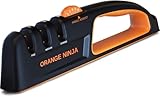
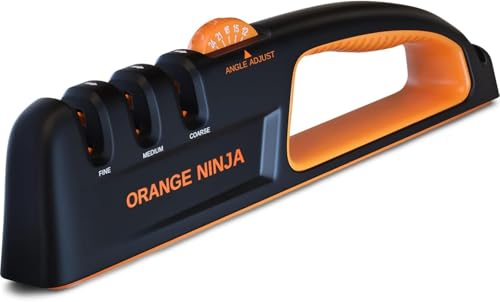
The Sharp Pebble 5 Precision system stands out because it lets you match the angle to your specific blade and filleting style. Fillet knives often work best between 12° and 18°, and having that dial control means you're not guessing. The coarse-to-fine progression handles knives in rough shape and keeps already-sharp edges polished, which matters if you're filleting regularly and want minimal downtime between sharpenings.
Owners consistently praise how quickly this tool brings back edges on neglected kitchen knives and specialized fish filleting blades alike. The nonslip rubber base gives you real control during the sharpening stroke, and the size means you're not fighting cramped quarters. One user revived 30-year-old German steel knives that had been sitting dormant, which speaks to the system's ability to restore severely dull edges.
The trade-off is that the plastic housing leaves a quarter-inch or more of very small blades (like some pocket knives) unsharpened. For kitchen and fillet knives of standard length, this isn't a limitation. A small number of owners reported difficulty with the adjustment mechanism or lacking clear instructions initially, but once the system clicked for them, results were solid.
Pros
- Five adjustable angle settings from 12° to 24°
- Three-stage sharpening handles dull and polished work
- Nonslip rubber base provides steady control
Cons
- Plastic housing may not accommodate very small blades fully
- Adjustment mechanism occasionally sticks or locks
Key features (5)
- Dial-adjustable sharpening angles: 12°, 15°, 18°, 21°, 24°
- Three-stage system: coarse, medium, and fine ceramic stones
- Ergonomic design with nonslip rubber base for kitchen stability
- Suitable for kitchen knives, pocket knives, and hunting blades
- Durable ABS plastic construction designed for repeated use
Smith's 51176 takes a different approach: forget adjustability and carry a sharpener so small it vanishes in any bag. The preset 20-degree angle works across most fillet knives without fussing, and the two-stage design means you can restore a dull edge with the carbide stage, then polish it smooth with ceramic rods. At 2.5 inches and weighing just over two ounces, it's the sharpener you'll actually have with you on the water.
Fishing guides and hunters appreciate this tool because it works fast. Three to four pulls through the carbide slot restore a blade that's seen hard use, and the ceramic stage keeps already-sharp edges in field-ready condition. Owners report it handles both fillet knives and general-purpose pocket knives equally well, and the non-slip rubber feet let you anchor it on a boat surface or use it one-handed if needed. The lanyard hole means it can clip to your vest or pack.
The tradeoff is that preset angles remove flexibility. If your fillet knives perform better at 15° or 17°, you can't adjust. Also, compared to the best overall multistage pull-throughs or whetstones, this sharpener is a quick touchup tool, not a full restoration. It's less effective on severely neglected blades than manual sharpeners, so if you're reviving an old knife, this isn't the first choice.
Pros
- Ultracompact size fits pocket, tackle box, or backpack easily
- Preset 20-degree angle speeds workflow without adjusting
- Two-stage design covers both restoration and polishing work
Cons
- Preset angles offer no flexibility for different blade profiles
- Best for quick maintenance, not full restoration of dull blades
Key features (5)
- Crossed tungsten carbide blades for rapid dull-edge restoration
- Crossed ceramic rods for smooth polishing and edge maintenance
- Preset 20-degree sharpening angle for consistent results
- Portable stainless-steel frame with lanyard hole for attachment
- Non-slip rubber feet for stable tabletop or one-handed handheld use
The Sharp Pebble whetstone represents a shift in philosophy from quick-fix sharpeners to genuine skill-building. A 1000/6000 grit combination covers everything most home cooks need: the coarse side repairs damaged edges and corrects uneven wear, the fine side polishes to a razor finish that often rivals professional service. The included angle guide removes the guesswork that intimidates most people starting with whetstones, making the learning curve manageable even for someone who's never touched a stone.
Where this differs from the adjustable pull-through and the portable Smith's is longevity and edge quality. Whetstones, properly maintained, last indefinitely and produce edges that hold sharper longer than electric or pull-through sharpeners. Owners report bringing completely dull kitchen knives back to cutting ability in under an hour, and most gain enough confidence to maintain edges without the guide after a few sessions. The bamboo base keeps your knuckles safe and the stone stable: a small detail that matters during extended sharpening sessions.
The manual sharpener vs whetstone comparison matters here: this method requires more technique and time than a pull-through like the Smith's. Your first session might take 30 to 45 minutes on a very dull blade. Also, whetstones eventually dish and lose flatness, requiring a separate flattening stone or diamond plate to maintain. That's an additional cost if you plan years of use. The angle guide works best on standard-length kitchen and fillet knives; thicker hunting knives may not fit comfortably in the guide.
Pros
- 1000/6000 grit combination handles most kitchen sharpening needs
- Included angle guide makes whetstone technique approachable for beginners
- Bamboo base and nonslip design provide safety and stability
Cons
- Requires learning proper technique and more time per sharpening session
- Whetstone eventually requires a separate flattening stone to maintain flatness
Key features (5)
- Dual-grit whetstone: 1000 grit for restoration, 6000 for polishing
- Built-in angle guide locks blade position for foolproof consistency
- Nonslip bamboo base keeps stone elevated and hands safe
- Water-based sharpening requires no oil or specialized maintenance
- Complete kit includes angle guide, bamboo tray, ebook, and expert support
Gambler's danco sharpener speaks directly to anglers and fishing guides who want a tool that won't embarrass itself when the catch lands. The dual-grip TPR handle is textured for wet hands, and the two-stage design (coarse and fine surfaces) handles everything from a fillet knife dulled by scales and bone to quick touchups between cuts. At this price point and size, it's a no-nonsense entry into fillet-specific sharpening.
Owners praise the robust build and comfort during extended use. The lanyard and lanyard hole mean the sharpener stays accessible in your tackle box or vest pocket, and the ergonomic grip makes it pleasant to hold even after sharpening five or six fish. One user noted it's better suited for quick field maintenance than achieving a razor edge, but that's honest work: if your fillet knife stays usable through a full day on the water, the tool has done its job.
Compared to the Smith's 51176, the danco is slightly larger and carries a similar preset-angle limitation, but the specific design focus on fillet knives and the rugged grip might make it more comfortable in a marine environment. The trade-off versus whetstone-based or adjustable systems is that you accept fixed angles and maintenance-level performance rather than restoration or fine-tuning.
Pros
- Ergonomic dual-grip design fits comfortably in wet or gloved hands
- Two-stage coarse and fine surfaces handle maintenance and touch-ups
- 9-inch lanyard and hole for secure carry in tackle box or vest
Cons
- Preset angles limit flexibility across different fillet blade profiles
- Better for maintenance touchups than full restoration of dull edges
Key features (5)
- Two-stage sharpening: coarse surface for restoration, fine for polish
- Textured dual-grip TPR handle for control in wet conditions
- Tabletop or handheld use with stable, ergonomic positioning
- Compact design fits easily in tackle boxes and fishing packs
- 5-year limited warranty against defects in materials and workmanship
RazorSharp bridges the gap between the convenience of a pull-through and the control of whetstones. The adjustable knob lets you dial angles from 14° to 24°, which covers nearly every fillet knife and kitchen blade in circulation. The diamond-coated ceramic stones are designed to stay sharp longer than bare ceramics, reducing maintenance over time. If you also sharpen scissors, this is one of the few handheld systems that addresses them, which sets it apart in a field of knife-only tools.
Owners who got results report fast sharpening that works well on both hard Japanese steel and softer German blades. The non-slip rubber groups and sturdy ABS frame keep hands safe during use, and the compact footprint means it doesn't hog drawer space. The adjustable angle suggests flexibility, but be aware that some users found the blade didn't slide smoothly through the slot initially, requiring multiple passes or adjustments to technique before edges sharpened effectively.
Where this tool compares to the Sharp Pebble adjustable pull-through: the RazorSharp adds scissors capability and diamond-coated stones for longevity, but feedback suggests it has a steeper learning curve on smooth blade entry. If you own both fillet knives and kitchen shears and want one tool for both, this justifies its place. If you sharpen only knives, the Sharp Pebble 5 Precision Adjust might deliver faster, more intuitive results.
Pros
- Adjustable 14°–24° angle guide covers diverse blade types
- Diamond-coated ceramic stones resist wear over extended use
- Includes scissors sharpening capability in one compact unit
Cons
- Blade entry through sharpening slot may require technique adjustment
- Steeper learning curve compared to simpler pull-through designs
Key features (5)
- Adjustable angle guide from 14° to 24° for blade customization
- Diamond-coated ceramic whetstones engineered for durability
- Dedicated scissors sharpening slot for kitchen shear maintenance
- High-density ABS plastic frame with non-slip rubber grip groups
- Compact, lightweight design with included carrying case
How to Choose a Fillet Knife Sharpener
Understand Your Filleting Angle
Fillet knives typically work best between 12° and 18°, depending on the blade design and the thickness of what you're cutting. Before buying, check your knife's manufacturer specs if available. The fillet knife sharpening angle basics matter because a blade that's too steep (over 20°) becomes inefficient for the delicate cuts filleting demands, while too shallow an angle leaves the edge fragile. If you own multiple fillet knives from different makers, an adjustable system (like the Sharp Pebble 5 Precision Adjust or RazorSharp) gives you flexibility. Fixed-angle sharpeners like Smith's 51176 work if your blades cluster around 20°, which covers most modern fishing knives.
Pull-Through vs. Whetstone: Speed vs. Skill
A manual sharpener vs whetstone comparison reveals different strengths. Pull-through and handheld systems (Smith's, Gambler danco, adjustable pull-throughs) offer speed and ease: you can sharpen a fillet knife in minutes, often with minimal technique. They're ideal for anglers and guides who need quick maintenance between catches. Whetstones (like the Sharp Pebble whetstone kit) require more time and practice but produce edges that hold sharper longer and cost nothing to operate indefinitely once you own them. If you sharpen knives daily or cook professionally, the whetstone investment pays for itself. If you sharpen occasionally or need field-ready convenience, a pull-through is smarter.
Portability vs. Kitchen Stability
Consider where you'll sharpen most often. Compact, lightweight sharpeners with lanyards (Smith's 51176, Gambler danco) belong in tackle boxes, fishing vests, and outdoor packs. They work one-handed or on unstable surfaces because they're built for it. Counter-based systems (Sharp Pebble whetstone, adjustable pull-throughs with rubber bases) prioritize stability and control, which matters if you're sharpening several knives at once or restoring very dull blades. The nonslip rubber feet on larger systems prevent the tool from sliding during vigorous sharpening strokes, reducing hand fatigue and improving safety.
Material and Durability for Wet Conditions
If your sharpener spends time on boats, docks, or wet fishing gear, material choice matters. Stainless-steel frames (Smith's 51176) resist corrosion better than ABS plastic alone. Textured rubber grips (Gambler danco's TPR handle) stay grippy when wet or salty, whereas smooth plastic becomes slippery. Whetstones and ceramic surfaces require periodic rinsing with water but don't corrode. Sharpeners used in dry kitchens face fewer environmental stresses, so plastic frames work fine. For serious water work, prioritize stainless-steel construction and textured grips.
Our picks at a glance
1
Best Overall for Precision ControlSharp Pebble
2
Best Portable for Field & DockSmith's
3
Best for Long-Term InvestmentSharp Pebble
4
Best Budget Specialist for FishingGambler
5
Best for Angle Flexibility & ScissorsRazorsharp
Frequently asked
Can I use these sharpeners on serrated fillet knives?
Most handheld pull-throughs and whetstones work only on straight-edge blades. The Sharp Pebble 5 Precision Adjust and adjustable systems explicitly state they're for straight edges only. Serrated fillet knives require specialized honing rods or professional service to maintain the scalloped edge. If you own serrated blades, confirm the sharpener supports them before buying, or stick to whetstones with guidance from an instructional video specific to serrated edges.
How often should I sharpen my fillet knife?
It depends on use frequency and how aggressively you work the blade. A fishing guide who fillets dozens of fish daily might touch up every few days; a home cook who fillets once weekly might go weeks or months. Rather than a fixed schedule, test your knife on a ripe tomato: if the blade slides through the skin without pressing, it's sharp enough. Once the knife requires pressure or skips, sharpen. Most home users find that a quick touchup every few weeks and a full sharpening every few months keeps edges field-ready.
Do I need to maintain whetstones, and does that cost extra?
Whetstones eventually develop a concave surface (dishing) from use and need flattening to restore a flat sharpening surface. A diamond plate or dedicated flattening stone costs extra, typically under $30 to $50. Some users flatten their stones every 5 to 10 sharpening sessions; others go much longer depending on usage intensity. It's an additional investment over the life of the stone, but a maintained whetstone outlasts multiple cheap pull-through sharpeners, so costs even out over years.
What angle should my fillet knife be sharpened to if I don't know the original?
Start at 15° as a safe middle ground for most fillet knives. If that feels too steep (resistance during filleting) or too fragile (edge chips easily on bone), adjust by 1° or 2° increments. Delicate fish work often favors sharper angles (12°-15°), while knives handling thicker cuts or tougher materials benefit from slightly steeper angles (18°-20°). An adjustable system lets you experiment; fixed-angle sharpeners assume 20°, which works for many fishing knives but may not match specialized culinary fillet blades.
Can I use these sharpeners on kitchen knives other than fillet knives?
Yes, most are versatile across blade types. Chef's knives, utility knives, pocket knives, and hunting knives all work with the systems reviewed here. The main limit is size: very thick blades (like heavy cleaver heads) may not fit in the slots of some pull-throughs, and small folding knives might leave a quarter-inch unsharpened if the sharpener's housing is bulky. Whetstones work on any straight-edge blade regardless of size, giving them an advantage if you sharpen a wide variety of kitchen tools.