Find the best espresso machine for college students. Compact, affordable models that brew café-quality drinks in small spaces. Expert reviews & buying guide.
Ideal for: Budget-conscious students, first-time espresso makers, dorm kitchens with limited space
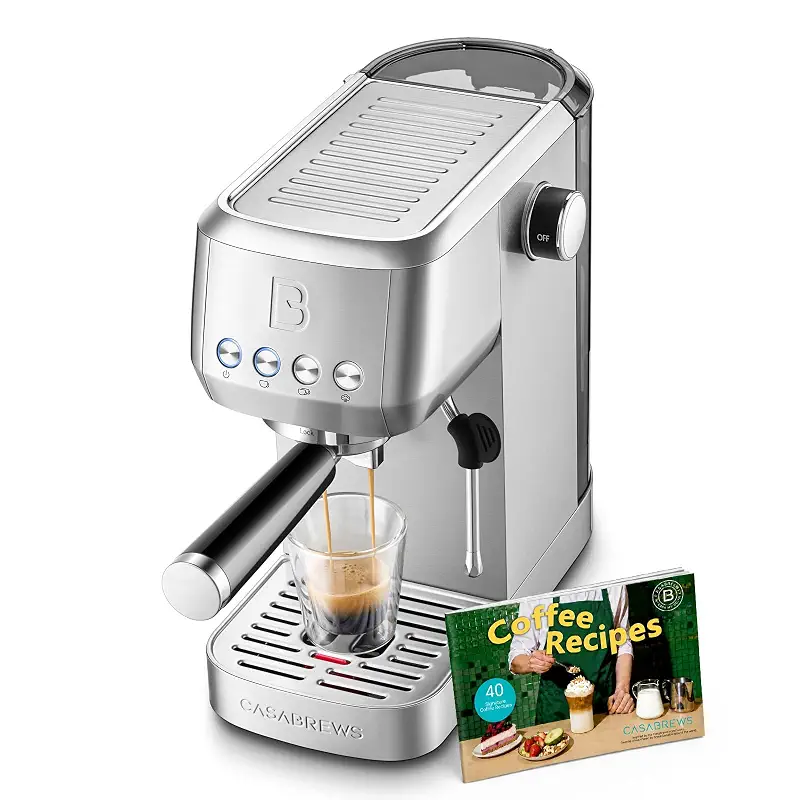
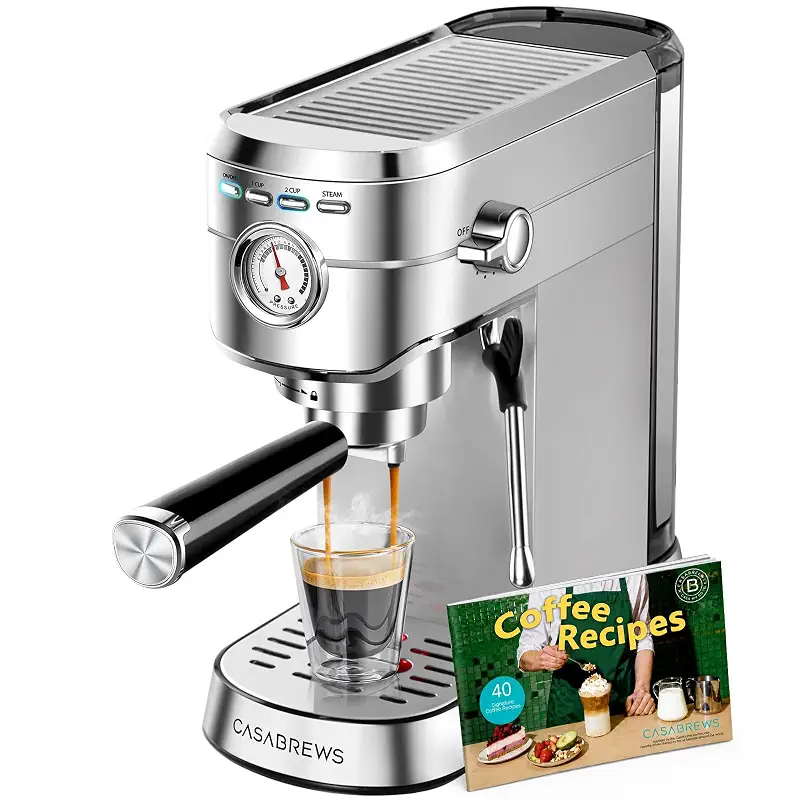
The Casabrews strikes a balance that matters for college life: small footprint, straightforward operation, and enough pressure to pull respectable shots without perfectionist-level technique. Owners report consistent crema and decent microfoam, especially if you're using pre-ground espresso from a grocery store. The 34oz tank is adequate for pulling a couple of shots before refill, and cleanup is refreshingly simple. The portafilter and baskets feel lightweight, and some buyers upgrade these accessories later, but they're functional out of the box.
Where this machine shows its limits: the steam wand struggles with the heavy lifting if you're making milk drinks back-to-back. A few owners noted that frothing performance depends on milk type and technique, and the machine enforces a cooling period between steaming and pulling shots (a safety feature, but one that breaks rhythm during busy mornings). That said, for straight espresso or the occasional cappuccino, it works reliably.
Compared to higher-end models like the Breville Bambino, this trades premium materials and faster recovery time for a fraction of the cost. If you're a student weighing whether espresso is even worth trying, this machine removes the financial risk while still delivering recognizable improvement over instant coffee or dorm-room drip makers.
Pros
Preheats in minutes, ready for first shot quickly
Produces visible crema even with pre-ground coffee
Compact enough to fit next to a mini-fridge
Affordable entry point to home espresso
Cons
Steam wand requires patience and practice to froth well
Needs cooling time between steaming and brewing shots
Key features
20-bar Italian pump with visible pressure gauge
34oz removable water tank, detachable for dorm-room refilling
Single and double espresso shot filters included
Stainless steel body, compact 5×12×11 inch footprint
#2 Pick
Best for Daily Heavy Use
Casabrews
CASABREWS 3700 Essential Stainless Steel Espresso Machine with Steam Wand | 20-Bar Italian Pump, Powerful Steam Wand, 43.9oz Removable Water Tank, Compact Espresso Maker for Home, Cappuccino & Latte
4.3(3,627)
Larger water tank and proven durability over months of frequent use without compromising compact design.
Ideal for: Students with busy morning routines, small groups sharing espresso drinks, active daily users
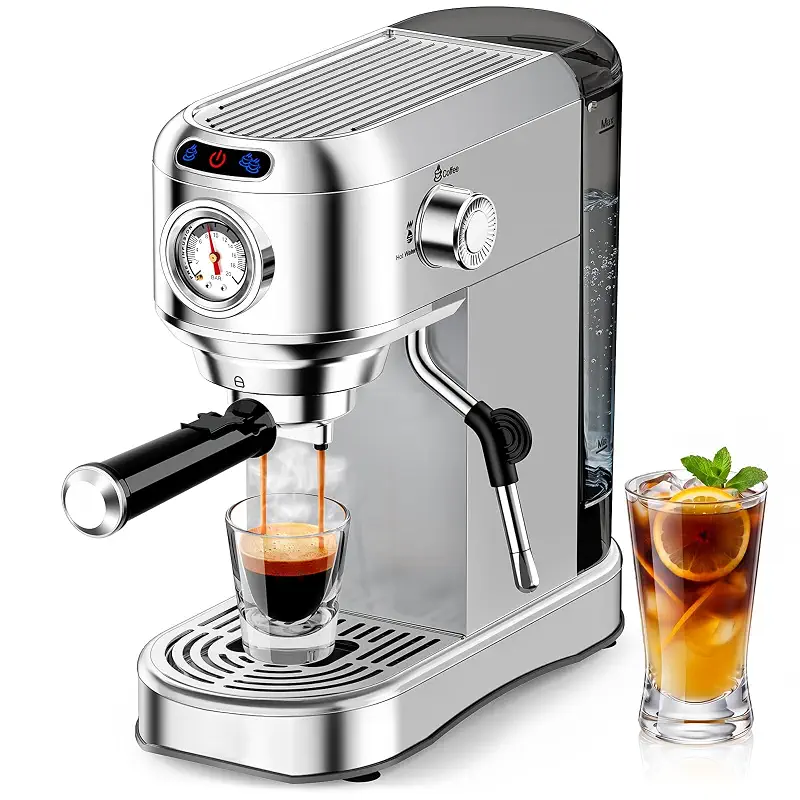
The Casabrews 3700 Essential steps up from the with a more generous 43.9oz tank: a meaningful upgrade if you're pulling multiple shots or steaming milk for friends in the study group. Owners who've used this machine for months or years report it holds up well under regular pressure, with consistent heating and a solid stainless steel feel that doesn't rattle when the pump runs. The 20-bar system delivers reliable crema, and the steam wand produces acceptable microfoam with practice.
That said, early reviewers flagged real issues: the steam control dial can drift during extraction, affecting pressure stability, and the espresso extraction is temperamental with fine grinds. If you try using true espresso-ground coffee (rather than coarser pre-ground), the machine may struggle to push water through. This isn't a flaw for casual use, but it means your grind choice matters more than it should. The learning curve is steeper than the, and some beginners find the inconsistency frustrating.
Where the 3700 wins over the : long-term durability and the bigger tank. Compared to the Aaobosi below, the Casabrews is more forgiving on technique but less precise in temperature control. If you plan to make espresso five or six days a week and want a machine that lasts, this one has the track record.
Pros
Larger 43.9oz tank reduces frequent refilling in high-use weeks
Stainless steel build resists dents and scratches over time
Quick preheat suitable for rushed mornings
Responsive customer support even after purchase
Cons
Steam dial can shift during extraction without holding in place
Struggles with espresso-fine grind sizes, prefers coarser coffee
Key features
20-bar pump, 1350W thermoblock heating, preheats in seconds
43.9oz detachable water tank with removable drip tray
Pressure gauge visible on front for monitoring extraction
Single and double shot filter baskets, plastic tamper included
#3 Pick
Best Budget-Friendly Compact
Aercana
Espresso Machine 20 Bar, Compact Espresso Coffee Machine with Milk Frother, Stainless Steel Coffee Maker with 34oz Removable Water Tank, Cappuccino Machine for Home, Office, Latte (Silver)
4.4(137)
Sleek minimalist design, fast heating, and straightforward operation for students wanting simplicity over features.
Ideal for: Students seeking minimal learning curve, dorm users with tiny counters, buyers who value aesthetics
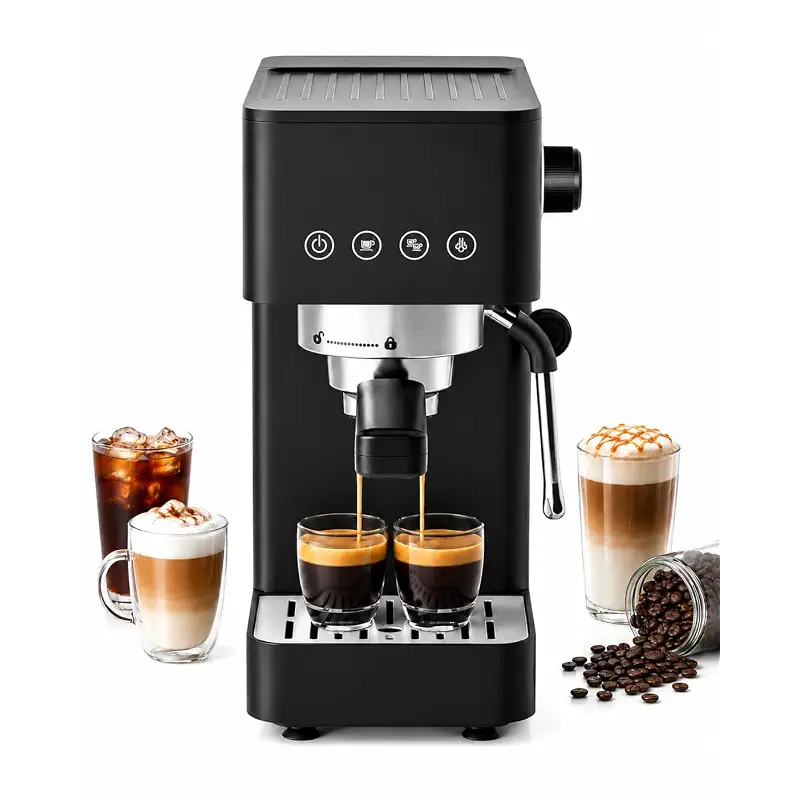
The Aercana 20 Bar is the new entrant to this lineup, and its appeal is clarity of purpose: it does espresso and steamed milk well, in a small footprint, with almost no pretense. Owners consistently praise how quickly it heats up and how easy it is to use right out of the box. The 20-bar pump is adequate, and the visible pressure gauge gives you feedback without overwhelming first-timers with unnecessary data.
One critical caveat from the reviews: a buyer complained the unit is mostly plastic despite the marketing suggesting stainless steel. The portafilter removal mechanism involves a small slot that's easy to miss, making it frustrating to learn. The machine also doesn't include a milk pitcher, so you'll need to source one separately. These aren't deal-breakers, but they're honest limitations to weigh. Where the Aercana distinguishes itself from the Casabrews models is aesthetic restraint and build simplicity: fewer moving parts can mean fewer things to fail.
Compared to the Aaobosi's advanced temperature control, the Aercana trades precision for speed and ease. If you're torn between the Casabrews and this one, the choice comes down to whether you want proven long-term reviews or a slightly newer option with equally solid immediate feedback.
Ideal for: Students with interest in coffee craft, owners of a burr grinder, users willing to spend time dialing in
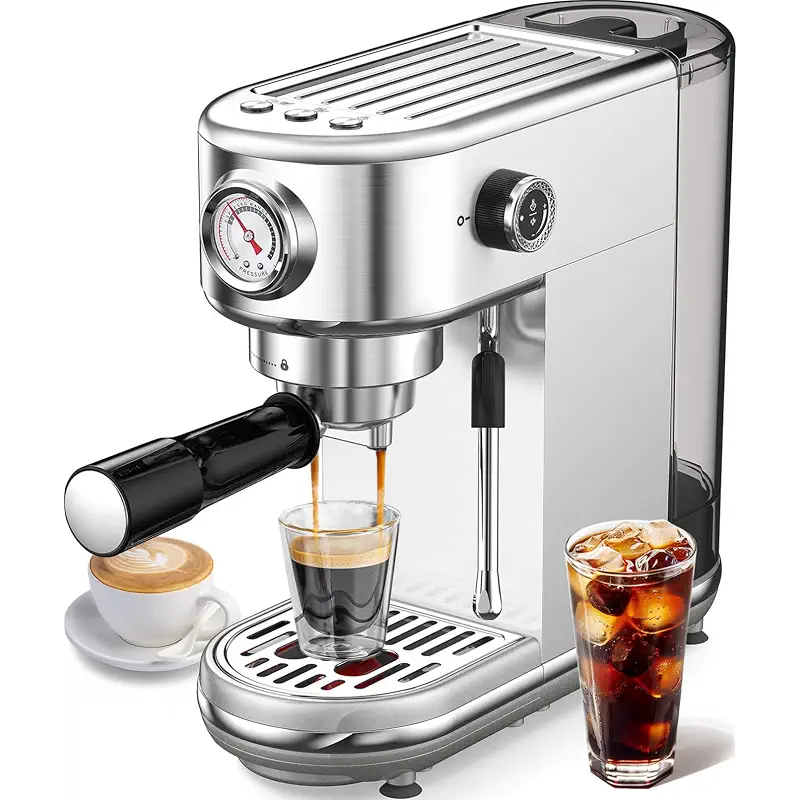
The Aaobosi Compact steps into more serious territory with PID (proportional-integral-derivative) temperature control, meaning it actively regulates brew temperature rather than just passively heating. For students genuinely interested in espresso as a skill, this precision matters. The 30-second preheat is fast enough for morning routines, and the steam wand rotates 360 degrees, giving you more freedom to angle it into milk. Owners report that once dialed in, this machine pulls excellent shots with balanced acidity and crema.
The trade-off is unforgiving technique. This machine rewards correct grind size, tamping pressure, and dose precision, and punishes shortcuts. Early reviewers noted that channeling (uneven water flow through the puck) happens quickly if your grind is off, and the learning curve is genuinely steep for brand-new espresso drinkers. You'll benefit from owning a burr grinder and reading about espresso fundamentals before you start. The shallow drip tray fills up faster than larger machines, requiring more frequent emptying during practice sessions.
Where this differs from the Casabrews models: the Aaobosi assumes you're willing to invest time learning espresso fundamentals. Compared to the atatix, the Aaobosi gives you finer temperature control and better steam wand mobility. If you plan to spend four years in school and want to genuinely master espresso, this machine will grow with you and reward that attention.
Pros
PID temperature control maintains consistent 90-96°C brewing range
Heats in 30 seconds, supports tight morning schedules
360-degree rotatable steam wand for ergonomic milk frothing
Customizable single, double, and manual extraction times
Cons
Unforgiving if grind or tamping technique is slightly off
Shallow drip tray requires frequent emptying during practice
Key features
PID temperature control system locks onto optimal 90-96°C range
20-bar pump with 1350W heating, 30-second preheat time
Single, double, and custom shot buttons for flexible extraction
50oz water tank, 51mm portafilter for larger capacity per shot
#5 Pick
Most Versatile with Auto & Manual Modes
atatix
atatix Espresso Machine with Milk Frother, 20 Bar Pressure Espresso Maker
4.2(1,466)
Dual-mode extraction and NTC temperature precision pack professional features into a student-friendly price.
Ideal for: Students experimenting with different espresso styles, manual-mode enthusiasts, users wanting larger tank capacity
The atatix Espresso Machine splits the difference between simplicity and control with both automatic preset shots and a manual mode that lets you pull espresso for up to 102 seconds. That flexibility appeals to students experimenting with coffee strength or making Americanos without a separate water dispenser. The NTC temperature control (simpler than full PID but still active) keeps brewing around the sweet 90-96°C zone, and owners consistently report rich, flavorful shots with visible crema. The 44oz tank is one of the largest in this lineup, reducing refill frequency during group study sessions.
One honest limitation: early reviewers mentioned it's loud during operation and the vibration can shift a mug slightly during brewing. The drip tray is proportional to the machine (not oversized), so you'll empty it a couple times during a heavy-use morning. The manual grind and tamping requirement means you need a separate grinder and some hand strength, not a barrier, but worth knowing upfront. Also, the double shot basket maxes out around 14 grams of grounds, which is on the low side for traditionalists seeking full-sized espresso.
Compared to the Aaobosi, the atatix trades some temperature precision for easier automatic operation. If you're shopping for a best espresso grinder under 200 as a companion, note that this machine is less forgiving than the Casabrews models: a quality grinder will pay dividends faster here. For a student who wants café-quality results but also wants the option to tweak extraction time without learning full PID adjustment, this machine sits in a smart middle ground.
Pros
Manual extraction mode allows custom pull times up to 102 seconds
NTC temperature control maintains optimal brewing range
Largest water tank here at 44oz, fewer refills during high-use days
Automatic single and double shot buttons for convenience
Cons
Operates with noticeable vibration and volume during brewing
Double shot basket capacity limited to around 14 grams of grounds
Key features
20-bar pressure system optimized for 9-10 bar extraction range
NTC precision temperature control, locks 90-96°C brewing window
Auto shots (28 and 42 seconds) plus manual mode up to 102 seconds
44oz removable water tank, silicone suction cup base for stability
How to Choose an Espresso Machine for College Life
Four trade-offs that actually matter when matching a espresso machine for college students to your kitchen.
Space and Footprint Matter Most
A dorm room or tiny apartment forces trade-offs. Compact machines (roughly the size of a large toaster) fit next to microwaves and hot plates without dominating the counter. All five machines here stay under 12 inches wide, but the Aercana and Aaobosi are notably slimmest. If you're in a residence hall with shared kitchen space, portability and quick cleanup become bonuses: look for models with detachable water tanks and drip trays. Larger tanks (43–50oz) mean fewer trips to refill during heavy-use weeks, which matters if you're pulling multiple drinks for friends.
Pressure, Crema, and Real Extraction
All five machines claim 20 bars of pressure, but that's misleading marketing. True espresso extraction needs 9–10 bars; above that just risks over-extraction and bitter shots. What separates these models is consistency: do they maintain stable pressure throughout the shot, and how much do grind and tamping mistakes ruin the pull? The Aaobosi and atatix add temperature control to smooth out variation, while the Casabrews models are more forgiving if your grind isn't perfect. For a beginner, forgiving is often better than precision: you learn to dial in slowly rather than struggling right away. An espresso machine setup guide can walk you through the actual mechanics of pulling your first shot.
Milk Frothing: Steam Wand Reality Check
Marketing photos show silky microfoam; the reality varies. All five machines have steam wands, but their power and ease differ. Owners report the Casabrews units require patience and the right milk temperature to achieve good texture, while the Aaobosi's rotating wand and atatix's focused steam deliver faster, denser foam. If you drink milk drinks every day, the steam performance directly affects your morning experience. Budget a learning curve of 3–5 lattes before you're confident. Skip the wand if you only drink straight espresso shots: save your money and mental energy for dialing in the beans instead.
Build Durability and Long-Term Reliability
College is four years (or more). Machines that feel plasticky or have loose fittings now will frustrate you by year two. The Casabrews 3700 and atatix have proven track records of surviving daily use over months or years, with stainless steel bodies that resist cosmetic wear. The Aercana is newer, so long-term data is limited. Responsive customer service matters too. Casabrews and atatix both respond to support requests quickly, which eases the sting if something breaks. Budget machines are disposable, but one that lasts through your whole college life actually saves money compared to replacing a broken unit mid-degree.
Coffee Cost and Espresso Versus Instant
A daily café latte costs $5–7; a home-pulled shot with milk costs roughly 30 cents in beans. That math wins fast. The financial case for home espresso is strongest if you drink milk drinks regularly. Straight espresso shots, while cheaper per ounce, don't justify the machine investment alone. Owners consistently report that the break-even point on a machine like these happens within 2–3 months of daily use. The espresso versus instant coffee debate hinges on ritual and taste: espresso is ritual; instant is speed. For college mornings, the ritual often wins because it forces you to slow down and actually taste something good before classes start.
Frequently asked
Quick answers to the questions readers ask most.
Do I really need a grinder, or can I use pre-ground espresso from the grocery store?
You can start with pre-ground espresso, and several owners report good results with coarser grinds from the supermarket. That said, a burr grinder (even a budget one) makes a dramatic difference in shot consistency and flavor. If you're serious about espresso, budget for a grinder within your first month. The Casabrews models tolerate pre-ground better than the Aaobosi or atatix, which reward fresher grinds.
How long does it take to heat up and pull a shot?
Most of these machines preheat in 20–30 seconds from cold start, and a shot pulls in another 25–30 seconds. Total: less than a minute from power-on to cup. The Aercana and Aaobosi are fastest. During the school day, if your machine stays on your desk, you're looking at instant-gratification coffee once the initial preheat is done.
What happens if I steam milk and then immediately pull a shot?
Several Casabrews owners report the machine enters an overheat-protection mode and locks up. You have to run a cool-down cycle that drains several ounces of water. Plan a 30-second gap between steaming and brewing, or you'll waste water and time. The Aaobosi and atatix handle this transition better because of their temperature control systems.
Are these machines loud enough to bother roommates?
Yes. The pump makes a noticeable rumble, and the steam wand can hiss loudly. One owner called it loud enough to hurt their ears. If you have a roommate sleeping nearby, pull shots before 9 a.m. or warn them in advance. The noise is roughly equivalent to a blender running for 30 seconds.
What happens if the machine breaks? Can I get it repaired?
Manufacturer repair is rarely practical for machines under $200. However, Casabrews and atatix both offer responsive customer support and replacements if there's a defect. Check the warranty details before buying. Most owners treat these as semi-disposable: if it lasts 1–2 years, you've gotten your money's worth. Plan to save up for a replacement by senior year if you're a heavy user.