Verdict, analysis, and key features for each pick.
#1 Pick
Best Overall for Traditional Candy Work
Demmex
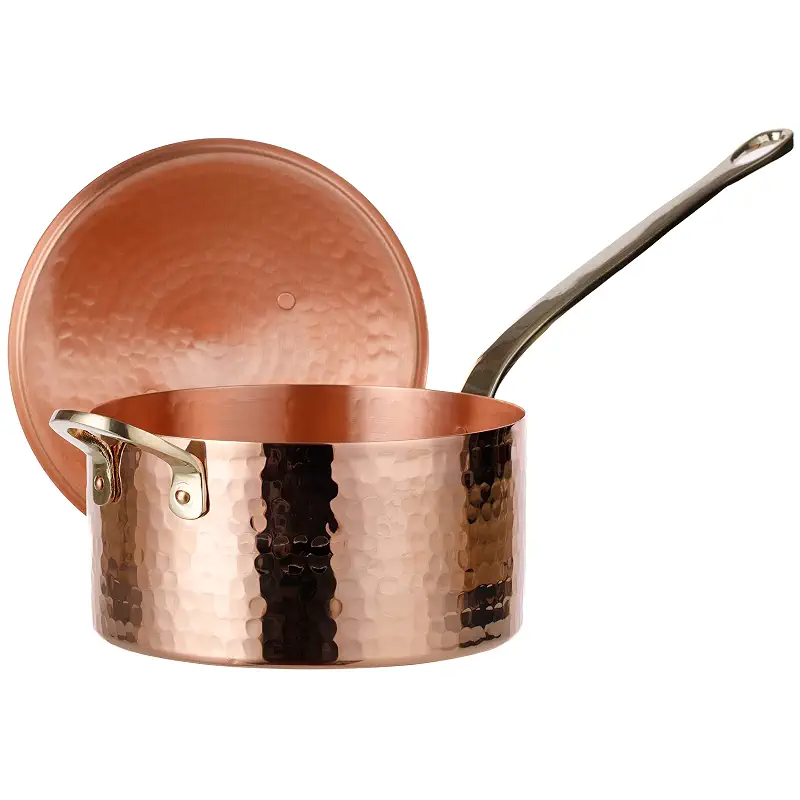
DEMMEX 1mm Thick Hammered Unlined Uncoated Solid Copper Sugar Sauce Zabaglione Pan Candy Jam Caramel Dessert Pot with Lid and Helper Handle, Handmade in Turkey, (1.7-Quart)
4.4(203)
Traditional unlined copper pot favored by pastry chefs for responsive heat control in small batches.
Ideal for: Experienced candy makers and pastry chefs who prioritize heat response and enjoy traditional copper maintenance.
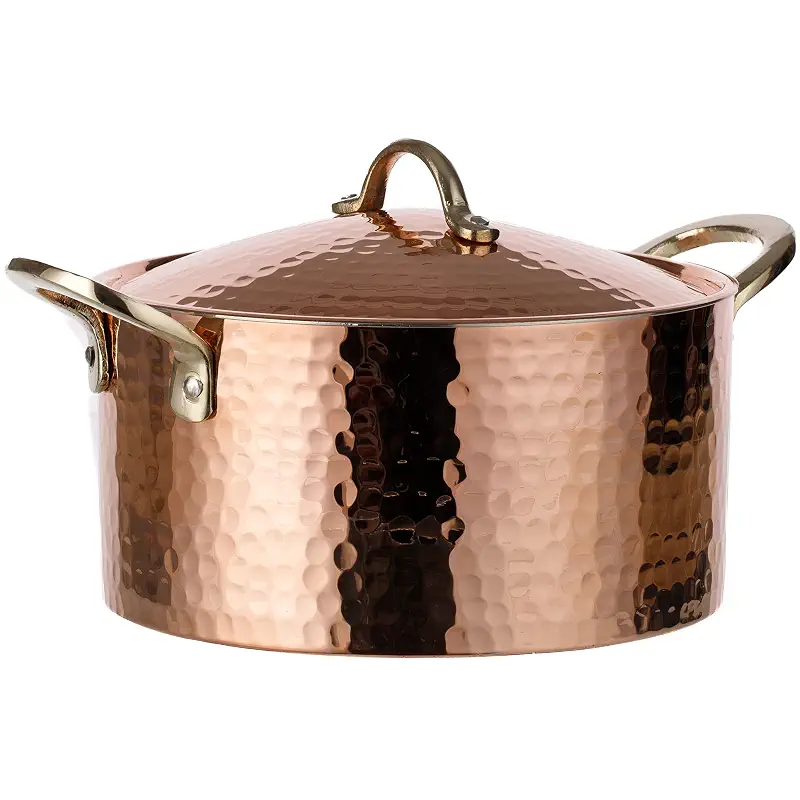
The Demmex 1mm thick hammered unlined pot is built for candy makers who value authenticity and instant heat feedback. Unlined copper means you're cooking directly against the metal, which gives you the fastest response to temperature shifts: critical when you're watching sugar syrup for the precise moment it reaches soft-ball stage. Owners report that the pot heats incredibly fast and distributes warmth evenly across the bottom and sides, and the natural patina that develops over time is both functional and beautiful. The 1.7-quart size is ideal for single batches of caramel, hard candy, or fondant work.
One trade-off is maintenance: unlined copper requires hand washing and careful handling to avoid scratching the interior. Some users note the brass handle gets quite hot during pouring, so you'll want kitchen gloves or a silicone handle guard. If you compare this to the tinned options further down the list, you sacrifice some ease of cleaning for faster, more responsive cooking: a worthwhile exchange if you make candy regularly and understand how to care for unlined copper.
The handmade Turkish craftsmanship is reflected in the hammered texture, which serves as both visual appeal and functional design; the dimples help with even heating. Most owners who buy this pot end up purchasing additional sizes, a sign of genuine satisfaction. It's the choice for cooks who trust their technique and want the most direct control.
Pros
Fastest heat response for precise sugar work
Unlined copper allows direct temperature feedback
Excellent even heat distribution across bottom
Cons
Handle becomes very hot during cooking and pouring
Requires careful hand washing and immediate drying
Key features
1.2mm solid hammered copper, unlined and uncoated
1.7-quart capacity with 6.7-inch diameter
Brass helper handle for two-handed control
Handmade in Turkey by traditional craftsmen
Naturally develops patina with use
#2 Pick
Best for Large Jam Batches
LD HuYY
2-Quart Handmade Pure Copper Jam Pot - Solid Copper Pot for Professional Cooking
4.3(27)
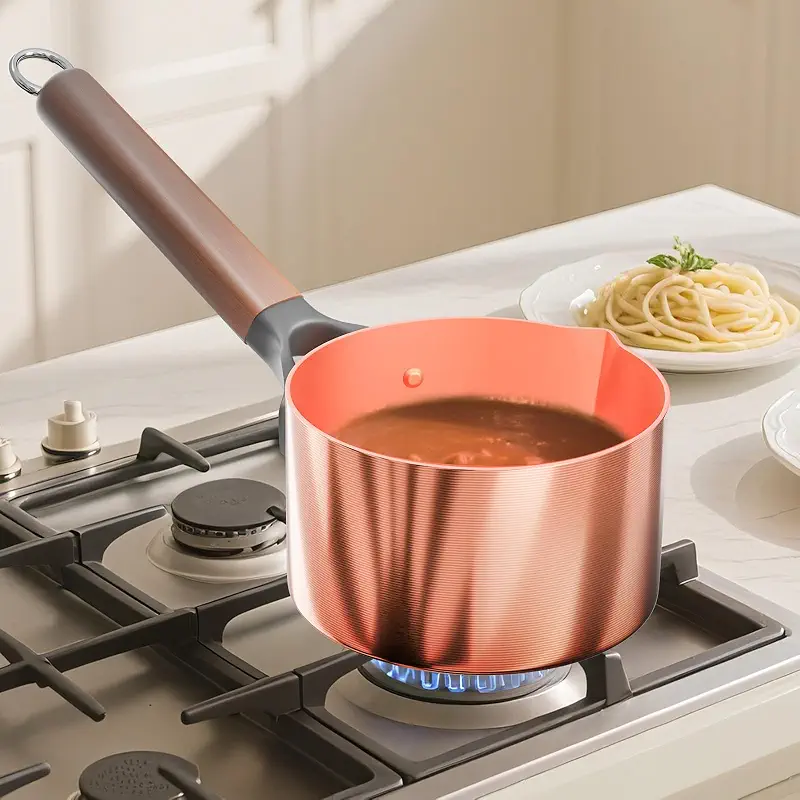
2-quart handmade copper pot with triangular pouring spout, ideal for foaming candy and honeycomb.
Ideal for: Home candy makers working with foaming recipes like honeycomb, toffee, and large jam batches.
The LD HuYY 2-quart unlined pot prioritizes practical design over strict minimalism. The triangular spout is a thoughtful touch for candy makers who need mess-free pouring when working with hot syrups, and the wooden detachable handle keeps cooler in hand than bare brass. Owners of this pot specifically praise it for honeycomb candy, where the foam rises significantly: the wider mouth and 2mm rim give you working room that taller, narrower pots deny.
Where this differs from the Demmex above is the spout and handle system: the detachable wood design makes cleanup slightly easier and storage more compact. However, owners report that the wooden handle attachment requires effort during assembly and takes some care to ensure it seats securely. One user noted the pot's actual usable capacity runs closer to 1 quart for candy work because filled to the brim, you have no margin for the foam and stirring needed for candy: a realistic consideration if you're planning batch sizes.
The 2mm rim mentioned in marketing materials refers to the rim thickness, not uniform body thickness, so this is a solid copper vessel but worth understanding before comparing it purely by mm specifications. If you make larger volumes of jam or candy that tends to foam substantially, the wider design here offers more breathing room than smaller, taller pots.
Pros
Triangular spout designed for controlled pouring
Detachable wooden handle stays cooler
Wide shallow design accommodates foam and expansion
Cons
Wooden handle requires careful assembly and maintenance
Usable capacity is about 1 quart for safety in candy work
Key features
2-quart handmade pure copper, unlined
6.5-inch diameter with triangular pouring spout
Detachable wooden handle for easy storage
Includes copper scrubbing pads for polishing
Compatible with gas and ceramic stovetops
#3 Pick
Best Premium Choice with Tinned Interior
LD HuYY
Pure Copper Jam Pot, 3 Quart (2.9L) Solid Copper Pot with Tinned Interior, Handmade 100% Copper Cooking Pot for Jam, Chocolate & Soup
5.0(2)
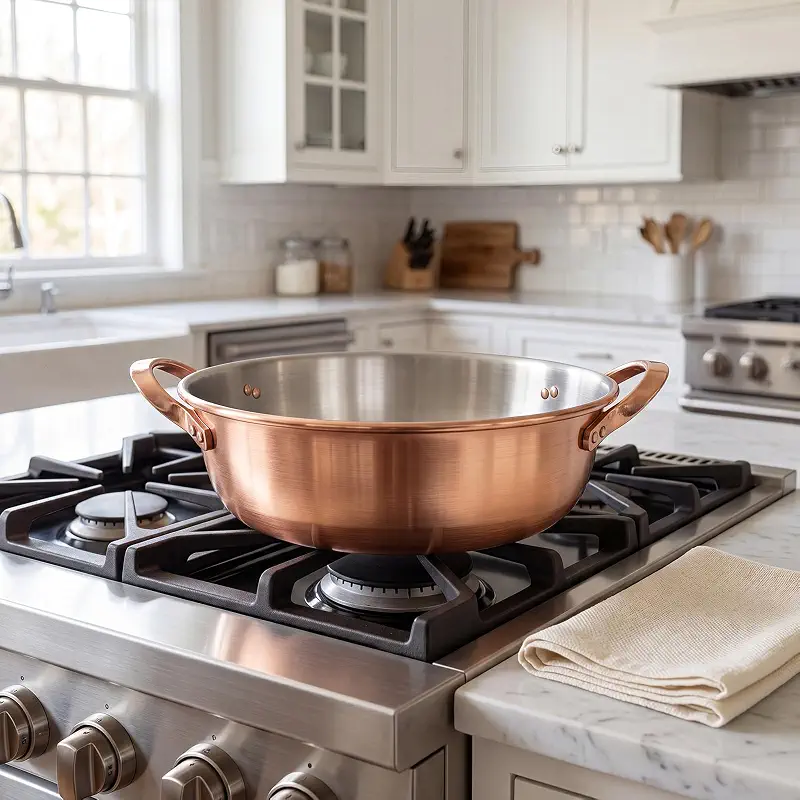
3-quart tinned copper pot with classic design, ideal for serious jam and chocolate work.
Ideal for: Serious candy and jam makers who want lower maintenance and the option to cook acidic foods safely.
The LD HuYY 3-quart tinned copper pot bridges the gap between unlined responsiveness and practical ease of care. Tinning (a thin layer of food-safe metal bonded to the interior) protects the copper while maintaining excellent heat conductivity. Owners report that the tinned interior gives them confidence when working with acidic ingredients like fruit, something unlined pots require more caution with over time. The pot heats evenly and quickly, and cleanup is straightforward compared to unlined copper, which must be dried immediately and buffed regularly.
Compared to the unlined Demmex and LD HuYY 2-quart models, this 3-quart option sacrifices some of the speed and directness of temperature feedback that appeals to purists, but gains durability and lower maintenance. The tinned lining means you can leave acidic jams in the pot for a bit without worrying about developing patina damage; for chocolate sauces, syrups, and preserves, this is a meaningful advantage. Two solid copper handles offer good control, though like all copper pots, you'll want gloves or a heat guard when pouring.
Owners who buy this pot tend to use it for more than just candy (soups, sauces, and braised dishes) because the versatility of tinned copper appeals to cooks who want one excellent pot rather than several specialized ones. It's a step up in both capacity and refinement, though the modest review count means fewer long-term user reports than the other Demmex and LD HuYY models.
Pros
Tinned interior protects copper while maintaining conductivity
Safe for acidic ingredients without daily maintenance concerns
Larger 3-quart capacity for bigger batches
Cons
Slightly slower temperature feedback than unlined options
Higher price point reflects premium tinned construction
Key features
3-quart solid copper with food-safe tinned interior
2mm thick copper throughout body
10-inch top diameter, 7.5-inch bottom diameter
Two solid copper handles for secure grip
Handcrafted with traditional techniques
#4 Pick
Best Multi-Purpose Tinned Copper Pot
Demmex
DEMMEX 1.2MM Thick Hammered Copper Soup Pot Stew Pan Casserole Dish, 3 Quarts (7.8" x 4")
4.1(207)
1.2mm tinned copper soup pot versatile enough for braising, poaching, and candy, with Turkish authenticity.
Ideal for: Home cooks and candy makers who want one versatile tinned pot for soups, sauces, caramel, and braised dishes.
The Demmex 3-quart tinned copper pot sits at the intersection of specialty and everyday cookware. While it's marketed as a soup and casserole pot rather than a dedicated candy vessel, owners quickly gravitate to it for both cooking and candy work, reporting that the even heat distribution suits caramel, chocolate sauce, and preserves as well as it does poached fish and braised chicken. The tin lining is what makes this Demmex different from their unlined sugar pot; it gives you the security of acid-safe cooking and easier cleanup.
Where this compares to the premium tinned 3-quart above: the Demmex is slightly thinner (1.2mm vs. the full 2mm of the other pot) and comes from the same Turkish heritage brand that makes the unlined versions. Owners consistently praise the quality and feel, though there are scattered reports of tin issues or water stains that require careful maintenance to prevent. The hammered exterior is beautifully detailed, and the pot looks as good hanging as a display piece as it does working on the stove.
If candy is only part of your copper pot ambition, this one earns its place in the kitchen. It's more forgiving than unlined pots, yet more responsive than heavy stainless steel. Several owners mention using it regularly across a wide range of dishes, a testament to the reliability of tinned copper construction when cared for properly.
Pros
Tinned lining makes it safe for acidic and everyday cooking
Even heating suits candy, soup, and sauce work equally
Beautiful hammered exterior as functional as decorative
Cons
Some users report tin adhesion issues or water stains over time
Requires deliberate hand drying to prevent spotting
Ideal for: Large-scale candy and jam makers, traditional Mexican cooking, and outdoor cooking over fire or wok burners.
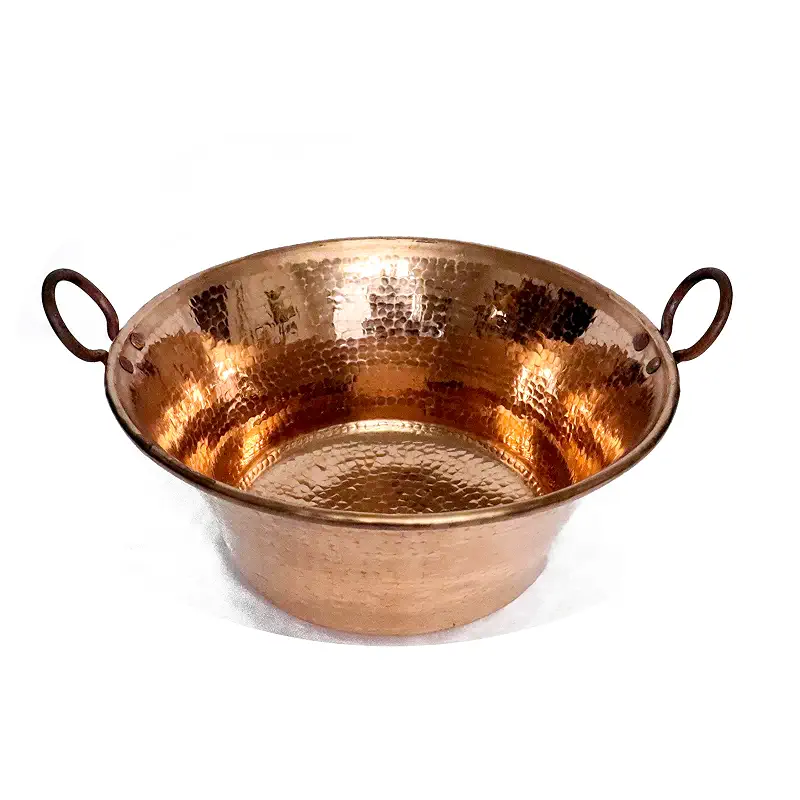
The Celly Party Cazo De Cobre is the heavyweight of this lineup: a 16-inch, 100% pure copper pot built for cooking traditional Mexican dishes and large batches of candy, jam, and chocolate. The scale is its primary strength. If you're making candy for events or in volume, or if you render fat for confit-style cooking, this vessel offers capacity that smaller pots simply cannot match. Owners report that even a single batch of jam looks modest in the pot's generosity, leaving plenty of room for the vigorous stirring and foam management that candy work demands.
The trade-offs are significant, though. This pot is unlined copper with a curved rather than flat bottom, which means it requires a wok-style burner ring or reversible cooktop grate on a traditional stove: a point owners flag as essential before purchasing. Shipping and packaging damage is a noted concern in the reviews; several buyers received dented or bent pots and had to return them. The scale also means it's harder to control precise candy temperatures in small volumes: this is a pot for serious production or outdoor cooking over fire, not for the home candy maker making one batch of fudge.
Compared to the smaller unlined pots above, the Cazo sacrifices the responsive heat control that precision candy work benefits from, but it's the only option if you're cooking for a crowd or view candy making as a volume activity rather than a craft pursuit.
100% pure copper provides excellent heat conductivity at scale
Hand-hammered craftsmanship and Mexican heritage design
Cons
Curved bottom requires wok ring; not suitable for flat stovetops
Shipping damage is a recurring issue; inspect carefully upon arrival
Key features
16-inch top diameter, 10-inch bottom, 7-inch height
100% pure copper, unlined and hand-hammered
Made in Santa Clara del Cobre, Michoacan, Mexico
Suitable for gas, electric, and outdoor heat sources
Generous capacity for volume candy, jam, and traditional cooking
How to Choose the Right Copper Pot for Candy Making
Four trade-offs that actually matter when matching a copper pot for candy making to your kitchen.
Unlined vs. Tinned: What Matters for Your Cooking Style
The choice between unlined and tinned copper hinges on how often you cook and what you cook. Unlined pots respond faster to heat changes, making them beloved by candy makers who want to feel every degree as sugar reaches firm-ball or thread stage. However, unlined copper requires immediate hand drying and regular maintenance to prevent patina buildup that can affect food color and flavor. A tinned versus unlined copper comparison shows that tinned pots sacrifice some responsiveness but gain durability and ease of care: you can leave acidic jams in the pot without worry, and cleanup is simpler. If you make candy several times a week, unlined works; if it's monthly, tinned's lower maintenance pays dividends.
Capacity and Batch Size Considerations
A candy pot's stated capacity often differs from usable capacity. The 1.7-quart unlined pots work beautifully for single batches of caramel or fudge: you fill them perhaps halfway to allow for stirring and any foam. A 2-quart pot gains usable space without taking up significantly more cabinet room, and the wider mouth (as in the LD HuYY design) is a real advantage for recipes that foam substantially, like honeycomb or toffee. The 3-quart tinned options suit home cooks who make multiple batches or larger volumes, and the 16-inch Mexican cazo is for production-scale work. Consider not just what you want to make today, but how your candy hobby might grow.
Handle Design and Heat Management
Copper conducts heat so efficiently that bare brass and solid copper handles become dangerously hot within seconds. The Demmex unlined pot ships with a thin brass handle that users note can slip inside a silicone glove due to its narrowness. The LD HuYY 2-quart includes a wooden detachable handle that stays cooler: a practical choice, though it requires assembly. Tinned pots typically come with solid copper handles, which are sturdy but still require protective gloves or a heat guard sleeve. Budget for kitchen gloves rated for high heat if you don't already own them; protecting your hands when pouring hot sugar is non-negotiable.
Stovetop Compatibility and Heat Source
All copper pots in this lineup work with gas and electric ceramic cooktops. The Mexican cazo's curved bottom requires a wok ring or a reversible burner grate designed for curved cookware: if your stove doesn't have either, you'll struggle with stability. Flat-bottomed pots (the Demmex sugar pot, the LD HuYY 2-quart and tinned options) sit stable on standard burners. None of these unlined or tinned copper pots work with induction cooktops, as copper does not respond to magnetic induction. If you're considering an induction upgrade, copper isn't your material; you'd need stainless steel or cast iron.
Understanding copper heat conductivity for candy
Copper's molecular structure makes it one of the fastest metals for transmitting heat, which is why it's the standard in professional candy kitchens. When you're heating sugar to exact temperatures, a slow-heating pot like stainless steel masks what's happening inside; a copper pot lets you see and feel the temperature through how the syrup flows and bubbles. This responsiveness is why pastry chefs swear by copper and why some home candy makers never switch back. If you've only ever used stainless steel for candy work, your first batch in proper copper will feel like a revelation.
Frequently asked
Quick answers to the questions readers ask most.
Do copper pots need seasoning before use?
Yes, especially unlined pots. Before your first use, coat the interior with a small amount of neutral oil (sesame or vegetable oil work well) and heat it gently until it smokes slightly, then let it cool and wipe away excess. This creates a protective barrier on the copper. For tinned pots, skip this step: the tin lining is already your protection. Proper seasoning makes unlined copper easier to work with and improves its non-stick properties over time.
Will my unlined copper pot change color while cooking?
Yes, and it's normal. The copper will darken and develop a patina as you cook, especially if you're heating it to high temperatures or storing water in it between uses. This patina doesn't harm food or performance. If you want to maintain the bright copper finish, you'll need to polish it regularly with a soft cloth and a copper cleaner or a paste of lemon juice and salt. Many owners embrace the patina as proof of a well-used pot.
Can I use a metal spoon or whisk in my copper pot?
For tinned pots, avoid metal utensils because they can damage the tin lining. Use wooden, silicone, or nylon tools instead. For unlined copper, metal utensils won't damage the pot itself, but aggressive stirring can create scratches that affect heat distribution slightly. A wooden spoon or silicone spatula is your safest choice across the board and will extend your pot's life.
How do I remove water stains from copper cookware?
For unlined copper, use a soft cloth and a paste of cream of tartar and lemon juice, or commercial copper cleaner applied gently. For tinned pots, water stains on the exterior (not the lining) can be removed the same way. Never scour aggressively, as this can wear through the tin on the interior or thin the copper itself. Always buff dry immediately after cleaning to prevent new stains from forming.
What's the difference between a candy pot and a saucepan in copper?
A candy or jam pot is wider and shallower, providing more surface area for heating and easier access for stirring and monitoring sugar temperature. A saucepan is narrower and deeper, designed for smaller-volume cooking like sauces. For candy work, the wider shallow design prevents splattering and gives you better control of the syrup as it heats. A pot marketed as multipurpose (like the Demmex tinned option) can handle both, but dedicated candy pots are engineered specifically for the demands of sugar work.