Best Coffee Beans for DeLonghi Machines: Top Whole Bean Options
Find the best coffee beans for your DeLonghi espresso machine. We compare whole bean blends with excellent crema, balanced flavor, and proven performance.
Ideal for: DeLonghi owners seeking reliable crema and balanced flavor for daily espresso and milk drinks.
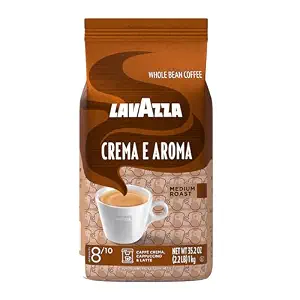
Lavazza Crema E Aroma has earned its reputation in households running DeLonghi automatics and lever machines alike. The blend's 8/10 intensity sits in the sweet spot: robust enough to cut through milk but not so dark that it overwhelms espresso purists. Owners consistently report thick, persistent crema that clings to the cup, which matters because it signals proper extraction and adds body to every drink. The medium roast means less surface oil buildup in your machine's internals compared to darker Italian roasts, easing maintenance over the long haul.
The Arabica and Robusta mix brings earthy, chocolate-forward notes that feel balanced rather than one-dimensional. Buyers with different brewing preferences find it works equally well pulled straight or steamed into lattes: a versatility that matters if multiple people in your household want different drinks from the same machine. One caveat: coffee sourced internationally has traveled for weeks before landing in your grinder, so freshness relative to a local roaster's output will lag. For the price and consistency, though, most DeLonghi users find that trade-off acceptable.
If you're comparing bean types for your machine, espresso roast vs medium roast offers different trade-offs; this blend splits the difference and performs reliably across DeLonghi's range.
Pros
Excellent, long-lasting crema on espresso shots
Smooth texture with low acidity, gentle on the stomach
Forgiving grind tolerance, reduces dial-in stress
Cons
International sourcing means freshness varies from ship date
Two-year shelf life typical for imported blends
Key features
Arabica and Robusta blend with medium roast intensity (8/10)
Earthy, chocolate-forward flavor profile ideal for espresso
2.2-pound bag, sufficient for 2-3 weeks of regular use
Non-GMO, sourced from South America, Africa, and Asia
#2 Pick
Best Dark Roast for Bold Espresso Drinks
Starbucks
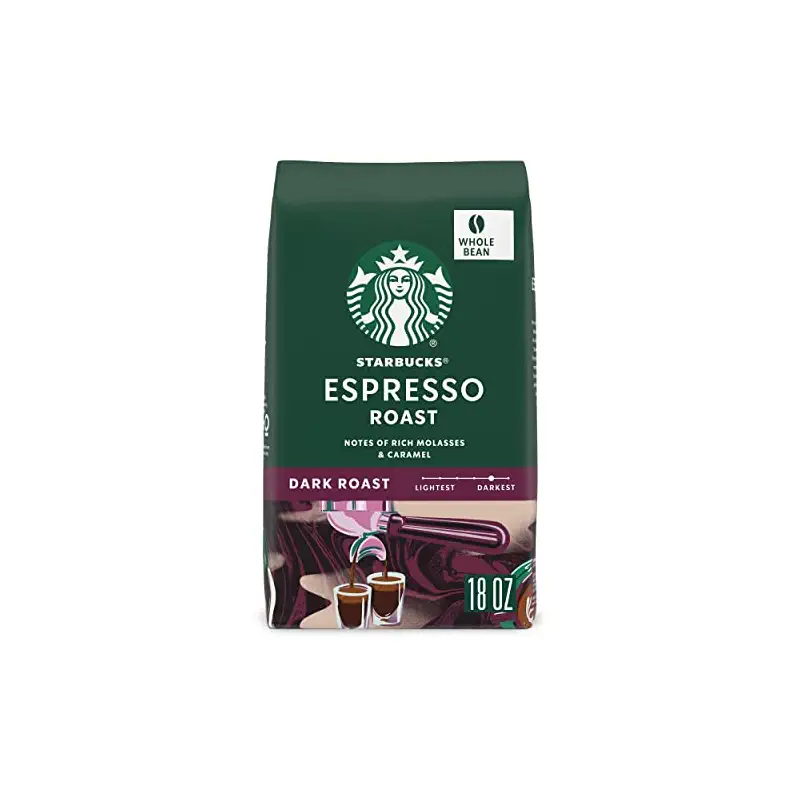
Starbucks Whole Bean Coffee, Dark Roast Coffee, Espresso Roast, 100% Arabica, 1 bag (18 oz) | 100% Arabica whole bean coffee; Espresso Roast dark roast; single 18 oz bag
4.7(6,612)
Bold molasses and caramel notes deliver punch in cappuccinos and lattes, though consistency can vary bag to bag.
Ideal for: DeLonghi users who favor milk-based espresso drinks and want a bold, caramelly flavor profile.
Starbucks Espresso Roast pulls a different profile than medium blends. It's darker, more oily, and built for milk-based drinks where you want coffee flavor to dominate. Owners report a noticeable caffeine kick compared to lighter roasts: if you need that morning jolt, this bean delivers. The roast brings forward molasses and caramel sweetness that balances well with steamed milk, which is why it's a popular choice for lattes and cappuccinos in DeLonghi machines.
The trade-off: crema tends to be thinner and flatter than what you'd get from Crema E Aroma or Caffè Borbone blends. Buyers who prioritize espresso purity have noted less dense crema, and a few reported inconsistent roasting batches where some bags arrived over-roasted and tasting ashy. This inconsistency is a legitimate complaint, especially at this price point. The beans are uniform in appearance within a bag, which suggests good quality control overall, but thermal variation between roasting batches does happen. One owner compared it unfavorably to the Lavazza Crema E Aroma for straight espresso but preferred it for iced lattes.
For DeLonghi machines, this works best if you're pulling three-quarter shots as a base for milk drinks rather than sipping straight espresso. If crema thickness and consistency matter most to you, the Lavazza or Caffè Borbone options may edge it out.
Pros
Rich molasses and caramel sweetness cuts through milk beautifully
Uniform bean appearance and consistent grind texture
Higher caffeine per shot compared to medium roasts
Cons
Thinner crema layer, less ideal for straight espresso
Roasting consistency varies between bags
Key features
Dark roast with 100% Arabica beans, multi-region blend
Molasses and caramel flavor notes for milk-based drinks
18-ounce bag, lighter format than competitor two-pound sizes
Ethical sourcing partnership with Conservation International
#3 Pick
Best Italian Blend for Thick, Creamy Crema
Caffè Borbone
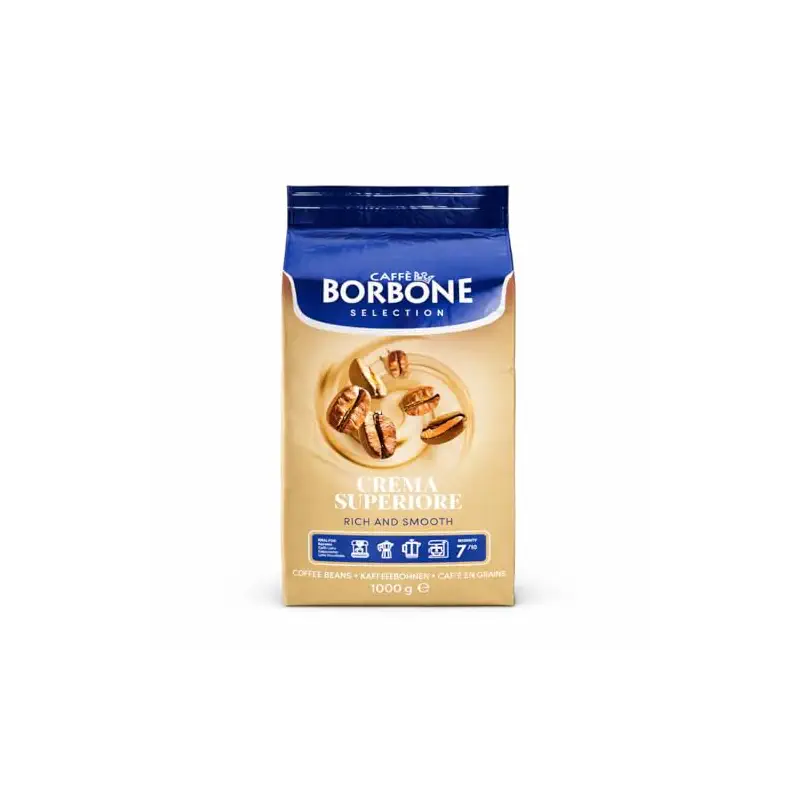
Caffè Borbone Crema Superiore Whole Bean Coffee, Arabica and Robusta Blend, Medium Roast, 2.2 lb Bag (Pack of 1)
4.5(832)
A forgiving Arabica-Robusta blend that rivals pricier options and delivers superb crema in DeLonghi automatics.
Ideal for: DeLonghi users who want dense crema, low acidity, and an Italian espresso experience at mid-range pricing.
Caffè Borbone Crema Superiore sits in the same medium-roast category as Lavazza Crema E Aroma but leans slightly toward complexity. Buyers with decades of espresso experience note hints of berry undertones alongside the primary chocolate and vanilla notes, suggesting careful sourcing from multiple origins. The blend is noticeably forgiving if you pull a slightly too-long shot or grind a touch too fine: it won't flip bitter like darker roasts sometimes do. Owners running DeLonghi Magnificos and lever machines report superb crema that holds its appearance through milk drinks.
What sets it apart is the acidity profile. Several buyers specifically praised its low acid character, making it easier on the stomach during afternoon shots or for people who find brighter coffees uncomfortable. A buyer compared it favorably to both Lavazza Crema E Aroma and other Italian standards, calling it slightly more complex while remaining in the "very good value" tier. The 2.2-pound bag lasts approximately two months at daily espresso consumption, which is consistent with other Italian imports.
Relative to Starbucks Espresso Roast, this produces thicker, more persistent crema while maintaining the smoothness you'd want for lattes. It's less forgiving in one way: grind consistency matters more because the blend's balanced profile can flatten if over-extracted. Pairing quality beans with best espresso grinder under 200 options means you're investing in both ends of the extraction chain, which DeLonghi owners especially benefit from since built-in grinders vary in precision. For DeLonghi owners seeking an Italian espresso experience without the price tag of premium single-origins, this is a solid step up.
Pros
Superb, thick crema with excellent persistence
Low acidity, smooth and gentle on the digestive system
Forgiving blend, tolerates slight over-extraction without bitterness
Cons
Requires proper grind sizing for best results
Less widely available in mainstream US retail than Lavazza
Key features
Arabica and Robusta blend with medium roast and chocolate, vanilla notes
2.2-pound (1-kilogram) bag, extends to 2 months of daily use
Low acidity profile, suitable for multiple brewing methods
Italian heritage blend adapts well to espresso machines and drip makers
#4 Pick
Best Light-to-Medium Arabica for Specialty Flavor
Lavazza
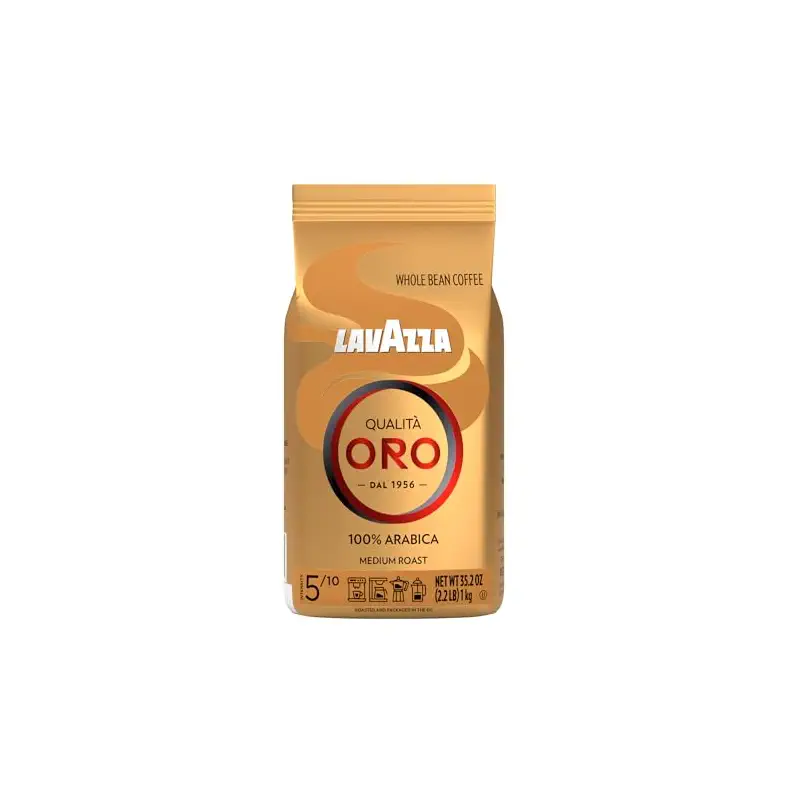
Lavazza Qualità Oro Whole Bean Blend, Medium Roast, 2.2 Pound (Pack of 1) ,100% Arabica, Central America & African highland origins, Fruity & Aromatic
4.5(3,689)
100% Arabica with fruity, aromatic notes offers brightness and origin flavor, ideal if you skip milk.
Ideal for: DeLonghi users who enjoy bright, fruity-aromatic coffees and drink espresso black or in small volumes.
Lavazza Qualità Oro stands apart as the only 100% Arabica option in this lineup, and the roast leans lighter than typical espresso blends. Buyers describe a full, rich aroma on opening without sharpness: the nose-friendly kind that makes you want to brew immediately. The beans display milk-chocolate color with slightly rough, striated surfaces, suggesting a City+ roast that preserves origin character while still building body.
Here's where it gets interesting for DeLonghi owners: this bean favors brightness. If you brew it espresso-style in a DeLonghi automatic, you get a thirst-quenching cup with pronounced clarity, but crema will be noticeably thinner than you'd see from Arabica-Robusta blends. One experienced buyer blended it 50/50 with a darker chocolate-forward option to balance the brightness, which signals that straight shots can skew sharp for some palates. It shines in drip makers and pour-overs, where body and clarity coexist naturally.
Compared to the other whole beans here, this is the pick if you value origin flavor and brightness over traditional espresso aesthetics. DeLonghi owners who love black coffee or prefer to taste the bean's character rather than crema thickness should explore this one. If you're committed to milk drinks or want that iconic thick crema layer, stick with Crema E Aroma or Caffè Borbone.
Pros
100% Arabica preserves origin flavor and complexity
Full, inviting aroma without astringency or burn notes
Fruity and aromatic profile with balanced sweetness
Cons
Thinner crema than Robusta-blend options, less traditional espresso look
Brightness can feel sharp in milk drinks for some palates
Key features
100% Arabica beans from Central America and African highlands
Medium roast with fruity and aromatic flavor notes
2.2-pound bag, central-origin sourcing for consistency
Ideal for espresso, French press, pour-over, and drip brewing
#5 Pick
Premium Choice for Refined Dark Roast
illy
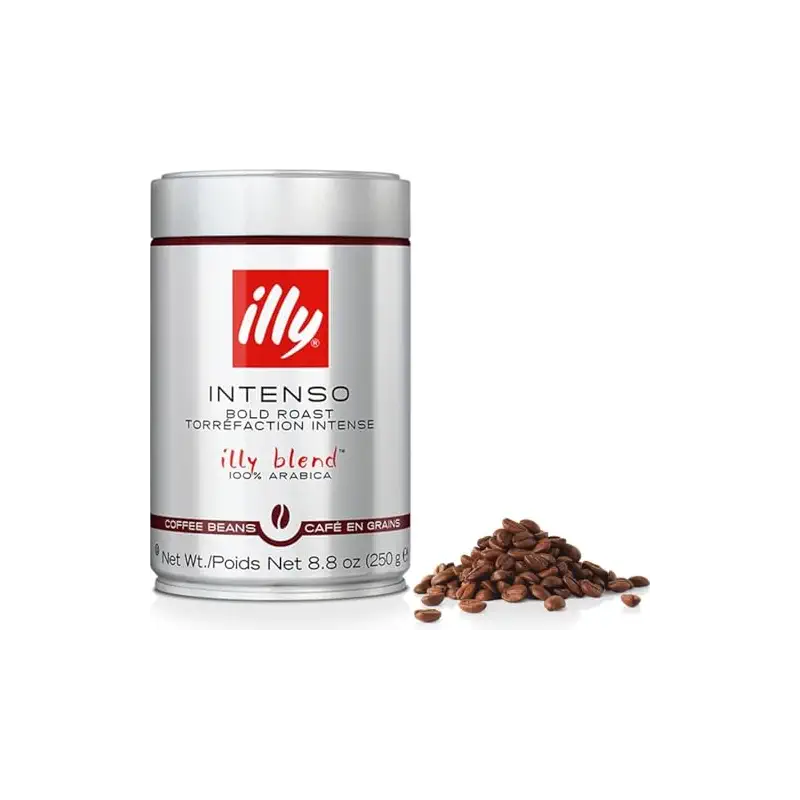
Illy Intenso Whole Bean Coffee, Dark Roast, Intense, Robust And Full Flavored With Notes Of Deep Cocoa, 100% Arabica Coffee, No Preservatives, 8.8 Ounce (Pack Of 1)
4.5(3,073)
Luxury Italian brand with smooth dark roast and cocoa depth, though premium pricing reflects brand heritage over measurable performance edge.
Ideal for: DeLonghi enthusiasts seeking premium Italian quality and don't prioritize price-to-performance ratio.
illy Intenso is the priciest option here, and the brand's reputation for eight decades of roasting refinement is reflected in every detail: from the protective tin to the consistent bean appearance to the composed, articulate flavor profile. The dark roast brings cocoa and dried fruit notes without the burnt or overly oily character that can plague aggressive roasting. Owners consistently note smoothness and low acidity despite the dark profile, which speaks to careful heat management during roasting.
The reality check: buyers comparing illy Intenso to lower-priced alternatives often find themselves paying a significant premium for a cup that tastes "nice" rather than revelatory. One owner noted that at this price point they expected "great" and felt the coffee delivered merely "nice": a fair critique. For DeLonghi machines, you'll get solid performance with good crema, but the advantage over Lavazza Crema E Aroma or Caffè Borbone in actual cup quality is modest when both cost substantially less per pound.
Where illy wins is consistency and packaging. The tin preserves beans better than standard bags, and batch-to-batch variation is minimal. If you value predictability and the assurance that comes from Italian heritage and meticulous roasting, illy makes sense. If you're optimizing for value in a DeLonghi machine, the Caffè Borbone or Lavazza blends deliver 85-90% of the experience at 60-70% of the cost. This is a "treat yourself" option, not a daily driver for most budgets.
Pros
Smooth, refined dark roast with cocoa and dried fruit depth
Protective tin packaging preserves freshness longer
Significantly higher cost per pound than comparable blends
Premium pricing reflects brand heritage, not measurable performance edge
Key features
100% Arabica dark roast with rich cocoa and dried fruit notes
8.8-ounce tin, smaller format emphasizing quality over quantity
Eight decades of Italian roasting expertise and refinement
Sustainability focus with environmental and community commitments
How to Choose Coffee Beans for Your DeLonghi Machine
Four trade-offs that actually matter when matching a coffee beans for delonghi machines to your kitchen.
Roast Level and Crema Production
DeLonghi machines perform best with beans that produce reliable crema: the thick, golden layer that indicates proper extraction and adds body to your cup. Medium roasts tend to deliver better crema than lighter roasts because they develop enough natural oils to form that layer, but without the heavy oiliness that can build up in your machine's internal passages over time. Dark roasts produce crema too, but it often sits thinner and flatter. If you prioritize that café-style appearance and mouthfeel, medium roasts from Arabica-Robusta blends will serve you better than 100% Arabica or very dark options. Roast level also affects how forgiving a blend is: darker roasts become bitter faster if you over-extract, while medium roasts offer more room to dial in without ruining a shot.
Arabica vs. Robusta and Blend Composition
Arabica beans are prized for complexity and subtle flavor notes; they tend to taste brighter and carry origin character more clearly. Robusta beans add body, intensity, and crema thickness, but carry earthier, sometimes harsher flavors on their own. Most Italian espresso blends pair both (typically 70-80% Arabica with 20-30% Robusta) because this ratio gives you the smoothness and flavor of Arabica with the crema and body boost of Robusta. If you see a blend labeled 100% Arabica, expect thinner crema and brighter, more delicate flavors; these work beautifully in pour-overs and French presses but may feel thin or sharp in a DeLonghi espresso pull. For milk drinks, the Arabica-Robusta blends perform better because they cut through steamed milk without disappearing.
Coffee Bean Compatibility with DeLonghi
Not all beans behave equally in automatic DeLonghi machines. Fresher beans, within 2-4 weeks of roasting, tend to produce better crema and dial in more easily. Older beans (beyond 8-12 weeks) lose degassing capacity and can pull flat or over-extract. Storage matters too: keep whole beans in an airtight container away from light and heat; once ground, use within 15 minutes for best results. DeLonghi burr grinders often grind slightly coarser than specialty espresso grinders, so choose blends that tolerate a range. Arabica-Robusta medium roasts are more forgiving here than single-origin 100% Arabicas. Italian-roasted blends like Lavazza and Caffè Borbone are engineered for machines like yours and tend to dial in with fewer adjustments than craft roasters' offerings.
Acidity, Body, and Flavor Profile
Acidity in coffee refers to brightness and liveliness, not whether the coffee tastes sour (that's usually over-extraction or stale beans). Low-acid blends feel smooth and gentle on the stomach, common in Italian medium roasts. High-acid coffees taste crisp and clean, typical of lighter roasts and single-origins from places like Central America. For morning shots or if your stomach is sensitive, low-acid blends work better. For afternoon sips or if you enjoy brighter, more complex flavors, consider a lighter medium roast. Body refers to how heavy or light the coffee feels on your palate: dark roasts and Robusta-forward blends feel heavier; light roasts and pure Arabica feel lighter. Your DeLonghi will highlight body differences, so think about whether you prefer that creamy, full mouthfeel or a cleaner, more delicate cup.
Frequently asked
Quick answers to the questions readers ask most.
What grind size should I use for my DeLonghi machine?
DeLonghi's built-in grinders typically produce a medium-fine grind suitable for espresso. If you're buying pre-ground, ask for espresso roast or specify it's for a semi-automatic espresso machine. If you grind whole beans at home, aim for a consistency slightly coarser than flour but finer than pour-over coffee. Start there and adjust finer if your shots run too fast, or coarser if they pull too slowly. Espresso roast vs medium roast beans also influences grind performance: medium roasts often dial in with slightly less adjustment than darker varieties.
How long do whole bean coffee bags stay fresh?
Whole beans peak between 2-4 weeks after roasting and remain usable for 2-3 months if stored properly in an airtight container, away from light and heat. After that, they lose degassing ability and crema production drops noticeably. Always check the roast date on the bag, not just the expiration date. Imported Italian blends typically have longer shelf dates because they're roasted to last through international transit, but fresher is still better. Once you open a bag, use it within 2-3 weeks for best results.
Can I use the same beans for both espresso and milk drinks?
Yes, absolutely. Arabica-Robusta blends in the medium roast range work well for both straight shots and lattes. The difference is grind size and pull length. For espresso, grind finer and pull a shorter, more concentrated shot. For milk drinks, the same beans can be ground slightly coarser for a slightly longer, more forgiving pull. Blends designed for espresso (like Lavazza Crema E Aroma or Caffè Borbone) are specifically engineered to perform across brewing methods and milk ratios.
Why does my crema disappear quickly or look thin?
Thin or short-lived crema usually signals one of three issues: old beans (beyond 8-12 weeks from roast), incorrect grind (too coarse, allowing water to rush through), or a blend with high Arabica content that naturally produces less crema. If your beans are fresh and you're grinding properly, the issue is likely bean composition. Darker roasts and Robusta-forward blends produce thicker, more persistent crema. Lighter roasts and 100% Arabica beans produce less. If thick crema matters to you, choose a medium roast blend with Robusta content. Lavazza Crema E Aroma and Caffè Borbone both excel here.
How do I know if a blend is suitable for my DeLonghi machine?
Look for whole bean bags labeled "espresso" or that explicitly mention suitability for espresso machines. Italian blends are a safe bet because DeLonghi machines are Italian-engineered, and those roasts are optimized for similar pressure and temperature profiles. Check the blend composition. Arabica-Robusta mixes (typically 70-80% Arabica) perform reliably across DeLonghi's range. Avoid extremely light single-origins unless you're experienced dialing in; they're less forgiving. Read owner reviews that mention DeLonghi specifically: they'll flag blends that dial in easily or pull flat in automated systems.