Find the best coffee beans for your automatic espresso machine. Compare top brands like Lavazza, Starbucks, and Gavina for smooth crema and rich flavor.
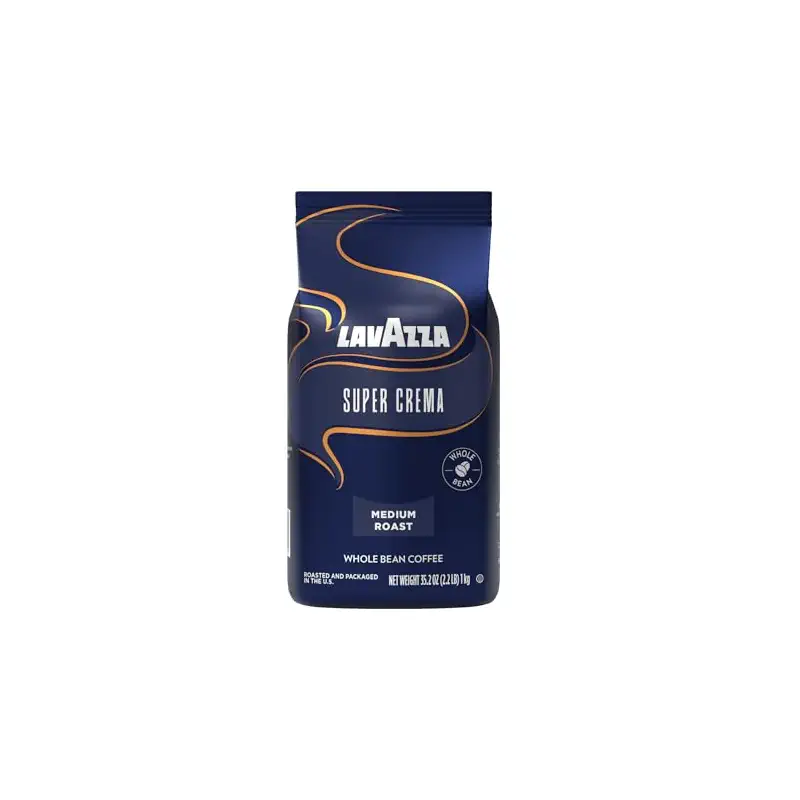
Lavazza Super Crema earned its spot through sheer consistency and real-world performance in automatic machines. The Arabica-Robusta blend strikes a middle ground: smooth enough for all-day drinking, bold enough to taste like coffee, never harsh on the stomach. Owners consistently mention how these beans grind evenly and produce a thick, persistent crema without the oily residue that fouls grinder burrs over time. That's no small thing in a superautomatic, where internal cleanliness matters as much as taste.
The medium roast develops subtle hazelnut and brown-sugar notes that work well in milk drinks but stand on their own in straight shots. At the price point, I'd consider this the benchmark against which to measure other contenders. If you're new to automatic machines and unsure which direction to go, this removes the risk entirely.
One practical note: the bag isn't resealable, so transfer the beans to an airtight container once you open it. That's a minor inconvenience that doesn't diminish the coffee inside, and most serious home espresso drinkers do this anyway.
Pros
Consistent crema production and extraction quality
Low oil content prevents grinder and internal buildup
Gentle on the stomach with no sharp bitterness
Cons
Non-resealable bag requires transfer to storage container
Medium roast lacks intensity for very dark-roast preferences
Key features
Arabica and Robusta blend from 15 coffee-growing regions
Medium roast with hazelnut and brown-sugar flavor notes
Low-acidity profile designed for smooth, everyday espresso
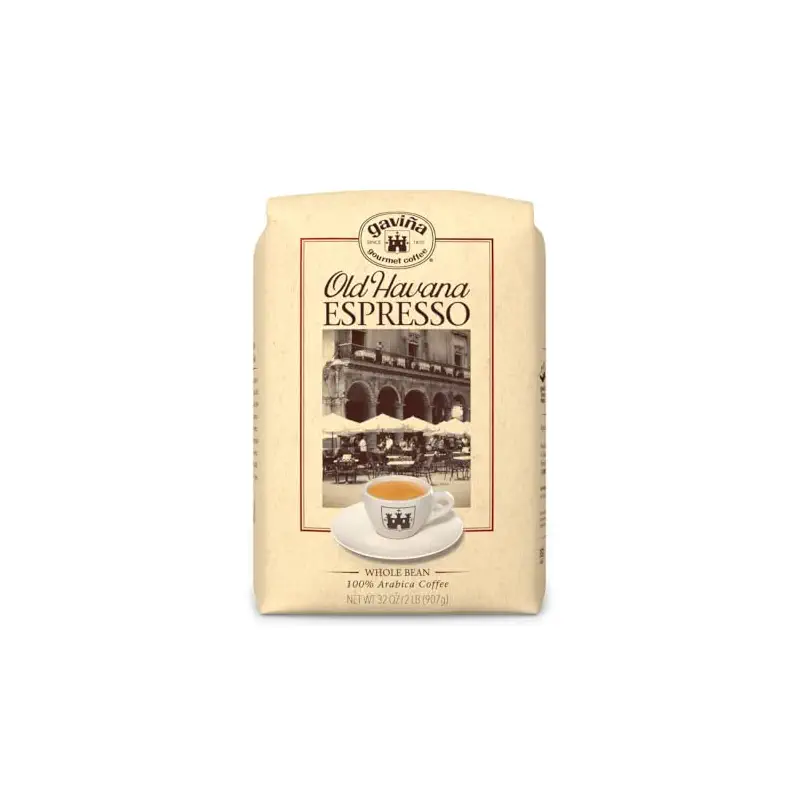
Gavina Old Havana Espresso Whole Bean Coffee, Medium-Dark Roast, 32 OZ Bag | Ideal for Espresso Machine, French Press & Drip Coffee Maker, 100% Arabica, Whole Bean for Fresh Grinding and Preferred Brew
4.5(1,329)
100% Arabica medium-dark roast delivering authentic Latin espresso depth with smooth, nutty sweetness.
Ideal for: Coffee drinkers who prefer deeper roasts and authentic Latin-style espresso character.
Gavina Old Havana Espresso pulls from 140 years of family roasting tradition, and it shows in the cup. This is a step up in roast intensity compared to the Lavazza Super Crema, with darker chocolate tones and a more assertive body: closer to what you'd expect in a real Cuban café. The 100% Arabica composition means no Robusta smoothing agent, so the flavor has more edges and personality. That appeals to anyone who finds lighter blends too timid.
Owners describe it as bold without being overpowering, with excellent crema thickness and a finish that doesn't turn bitter. It works across espresso machines and moka pots alike, adapting well to different brewing pressures. The beans arrive fresh, and the LA-based roaster emphasizes sustainable sourcing and zero waste, which adds a nice ethical dimension if that matters to you.
Compared to the Starbucks Espresso Roast, Gavina leans earthier and less caramelly: a truer Italian espresso profile rather than a coffeehouse-standard blend. If you've spent time in Italy or prefer lighter espresso drinks, this will feel more authentic to your palate.
Pros
Rich, bold flavor without harsh bitterness or burnt taste
Thick, reliable crema in automatic machines
100% Arabica beans offer complexity beyond standard blends
Cons
Packaging sometimes arrives damaged during shipping
Stronger roast may feel overpowering if you prefer mild coffees
Key features
100% Arabica beans from 140-year family roasting heritage
Medium-dark roast with nutty, sweet, and subtle citrus notes
Ethical sourcing and zero-waste-to-landfill roasting facility
Ideal for espresso machines, moka pots, and specialty brewers
#3 Pick
Best Premium Pick
Starbucks
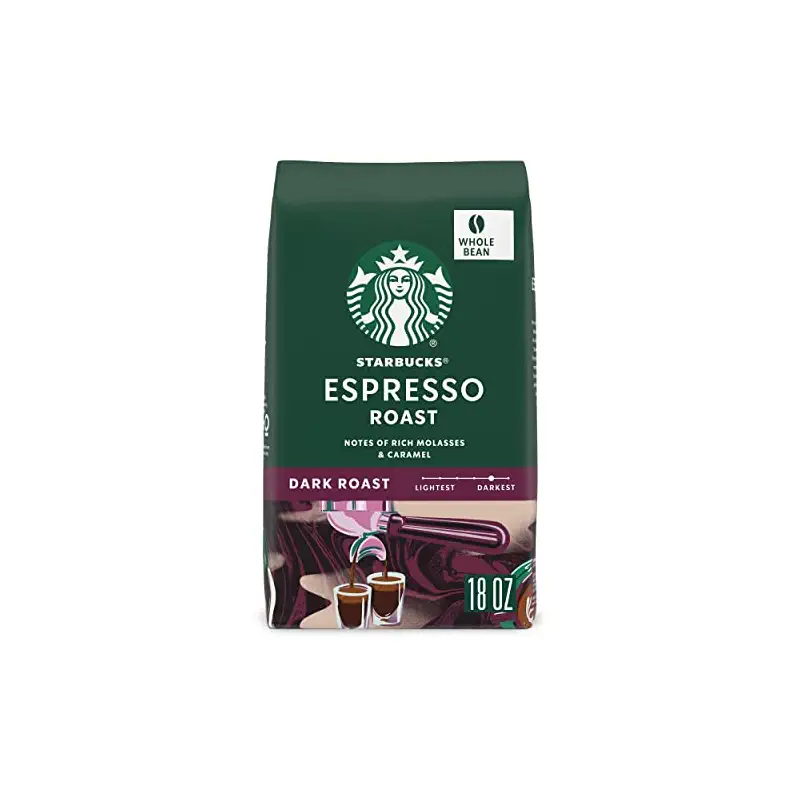
Starbucks Whole Bean Coffee, Dark Roast Coffee, Espresso Roast, 100% Arabica, 1 bag (18 oz) | 100% Arabica whole bean coffee; Espresso Roast dark roast; single 18 oz bag
4.7(6,612)
Classic dark roast with signature molasses and caramel notes, consistent quality backed by global brand scale.
Ideal for: Those seeking coffeehouse-style dark roast convenience and consistent quality in automatic machines.
Starbucks Espresso Roast occupies a distinctive space: it's the dark roast that tastes intentional rather than burnt, with caramel sweetness and molasses depth that appeals to anyone used to coffeehouse drinks. The 100% Arabica beans are uniform in color and roast level, which matters more than casual buyers realize. That consistency means you're not getting a bag where half the beans are over-roasted and half are under: each shot behaves predictably.
Owners note the crema, while not always thick, is reliable once you dial in your machine. The flavor carries enough intensity for milk-based drinks and enough refinement to drink black, making it genuinely versatile. I'd flag one caveat some reviewers mentioned: roast quality can drift slightly between batches, and occasionally a bag arrives overly oily or with a burnt note. That's unusual for a mass-market brand but worth keeping in mind.
Where Starbucks differs from Gavina Old Havana is tone. The Starbucks leans sweet and approachable, almost candy-like in its molasses profile, while Gavina stays earthier and more austere. For milk-heavy drinks or if you like your espresso with sugar, the Starbucks is the stronger choice. For black espresso shots, Gavina's complexity edges ahead.
Pros
Reliable molasses and caramel flavor profile brew to brew
Ideal for: Home espresso enthusiasts seeking Italian quality at mid-range pricing with forgiving extraction behavior.
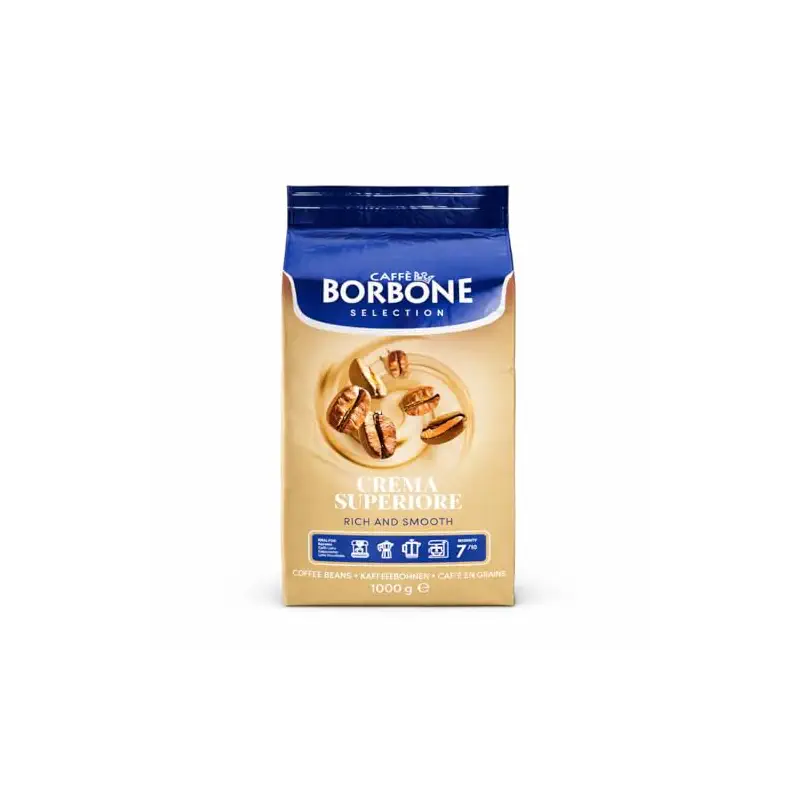
Caffè Borbone Crema Superiore lands in the sweet spot between everyday affordability and genuine Italian craft. This is an Arabica-Robusta blend roasted in Italy with subtle chocolate and vanilla notes, designed to punch above its price class. Owners who've tried it alongside Lavazza Gold and other Italian staples consistently rank it favorably, noting it's slightly more complex than Lavazza but at a comparable cost.
What makes Borbone compelling for automatic machines is its forgiving nature. If you over-pull or dial too fine, it doesn't immediately turn bitter: a helpful trait when you're still dialing in your machine. The crema is described as superb across multiple reviews, and the low acidity means it suits sensitive stomachs or all-day drinking. The 2.2-pound bag lasts two months for many users, which is practical value for a household.
Compared to Lavazza Super Crema, Borbone brings more depth without straying into darkness. Some reviewers preferred Borbone's slightly fuller body, while others found it subtle where they wanted boldness. If you like the idea of Lavazza but want to experiment with a slightly different Italian profile, this is a no-risk pivot. It's the kind of coffee that rewards patience dialing in but doesn't punish mistakes.
Pros
Slightly fuller body than comparable Italian blends
Forgiving extraction behavior during dial-in adjustments
Large bag offers good value over two-month consumption period
Cons
Subtle flavor profile may feel mild to dark-roast enthusiasts
Requires proper grind sizing for optimal results
Key features
Arabica and Robusta blend from South America, Africa, and Asia
Medium roast with chocolate and vanilla flavor notes
Low-acidity, full-bodied profile designed for espresso machines
Italian roasting tradition combined with versatile brewing compatibility
#5 Pick
Best Decaf Option
Lavazza
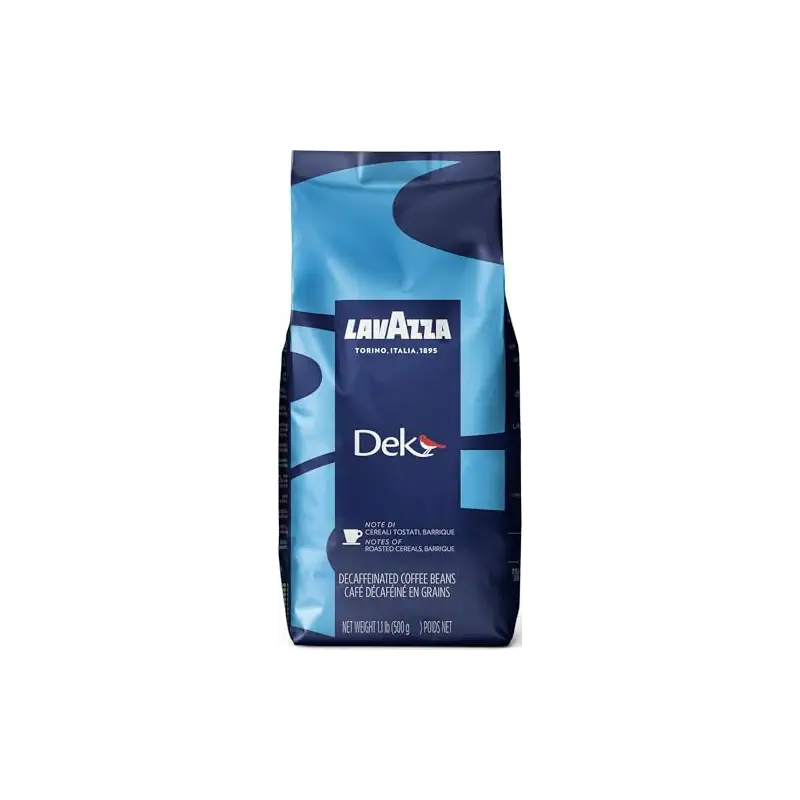
Lavazza DEK Whole Bean Coffee, Arabica and Robusta Blend, 1.1 lb Bag (Pack of 1)
4.5(4,846)
Premium decaffeinated espresso that tastes like the real thing, using natural water-process decaffeination.
Ideal for: Afternoon and evening espresso drinkers managing caffeine intake without compromising on flavor or crema quality.
Lavazza DEK breaks the decaf compromise. Most decaffeinated espresso tastes flat or over-roasted, but this blend uses a natural water-process decaffeination method rather than solvents, preserving genuine coffee character. Owners who need to cut caffeine intake but refuse to sacrifice flavor report that DEK delivers a rich, smooth cup with balanced sweetness and no harsh bite. The dark roast brings roasted-cereal and chocolate undertones that work beautifully with milk.
For automatic machine use, the beans behave like their caffeinated counterparts: they grind cleanly, produce solid crema, and don't gum up internals. One reviewer noted the beans are slightly smaller than full-caffeine Lavazza varieties, but that doesn't affect performance. If you're managing caffeine intake but still want afternoon or evening espresso, this removes the guilt entirely. The taste difference from regular Lavazza is minor enough that most home drinkers won't feel they're settling.
Where DEK stands apart from caffeine-free alternatives is in the natural decaffeination process. Water-processed decaf retains more of the coffee's original oils and compounds compared to solvent-based methods, translating to a cup that tastes fuller and more alive. If decaf is a non-negotiable part of your routine, this is the one to reach for consistently.
Pros
Natural water-process decaffeination preserves coffee character
Rich flavor and excellent crema despite decaffeination
Smooth, balanced taste without acidic or burned notes
Cons
Premium pricing reflects quality decaffeination process
Slightly different bean size than caffeinated varieties
Key features
Arabica and Robusta blend decaffeinated using natural water process
Dark roast with roasted-cereal and chocolate flavor notes
Blended and roasted in Italy with four-generation Lavazza expertise
Machine-compatible whole beans ideal for espresso and milk drinks
How to Choose Coffee Beans for Your Automatic Espresso Machine
Four trade-offs that actually matter when matching a coffee beans for automatic espresso machine to your kitchen.
Bean Composition and Oiliness Matter for Machine Longevity
Automatic espresso machines are precision devices with internal pumps and group-head mechanisms that clog easily if the beans are too oily. Lower-oil beans like Lavazza Super Crema keep your machine running longer between deep cleanings. Robusta-heavy blends tend to be oilier, which is why some premium superautomatics are fine with them while others aren't. Check your machine's manual, but if you're unsure, start with beans that owners report as low-oil. The arabica vs robusta espresso debate often comes down to this practical detail. Robusta adds body and crema but at the cost of more surface oil.
Roast Level Affects Crema and Flavor Duration
Lighter roasts (like medium roasts from Lavazza Super Crema or Caffè Borbone) produce smaller bubbles and more delicate crema, while darker roasts (Starbucks Espresso Roast, Gavina) create thicker, more persistent crema. Neither is objectively better, but darker roasts deliver the café-thick crema many people expect, while lighter roasts taste fresher and less bitter. For automatic machines, either works, but dial in your grind size accordingly: darker roasts typically need slightly finer grinding to extract properly.
Consider Your Drinking Style
If you drink espresso straight or as a ristretto, you want bold flavor and good crema. Gavina Old Havana or Starbucks Espresso Roast fit that bill. If you're making cappuccinos, lattes, or milk-heavy drinks all day, a balanced medium roast like Lavazza Super Crema won't overpower the milk. And if you need decaf without sacrificing quality, Lavazza DEK is the only option in this lineup worth considering. Your machine's capabilities matter too: some superautomatics struggle with very light roasts, while others excel with them.
Freshness and Storage Are Non-Negotiable
Whole beans stay fresh for 2-4 weeks after opening if stored in an airtight container away from light and heat. Most commercial bags aren't resealable, so transfer your beans immediately. Buy a quantity you'll use within a month rather than stockpiling. Stale beans produce weak crema and flat flavor, no matter how expensive they were. Check the roast date on the bag if it's listed: beans roasted within the past 2 weeks are ideal for espresso.
Frequently asked
Quick answers to the questions readers ask most.
Can I use any whole bean coffee in my automatic espresso machine?
Not ideally. Espresso-specific beans are roasted and blended to pull shots in 25-30 seconds under 9 bars of pressure. Regular drip or French press beans are often too coarse or too acidic for espresso machines, and they may not produce adequate crema. Start with blends explicitly labeled for espresso, like the ones here, rather than single-origins or lighter roasts designed for other methods.
Why do some espresso beans make my machine's grinder stick?
Oily beans, particularly those with a glossy sheen on the surface, tend to clog grinder burrs over time. Robusta-heavy blends and very dark roasts are culprits. Lavazza Super Crema and similar low-oil blends are designed specifically to avoid this problem. If your grinder is sticking, switch to a lower-oil bean and run a blind basket (no grounds) through the group head occasionally to clear residue.
Does the bag size affect freshness?
Larger bags offer better value but only if you consume the beans before they stale. A 2.2-pound bag typically lasts 4-6 weeks for moderate daily use. Once opened, transfer to an airtight container and expect peak flavor for 2-4 weeks. If you drink espresso infrequently, buy smaller quantities or opt for vacuum-sealed bags that maintain freshness longer than standard packaging.
What's the difference between arabica and robusta for espresso?
Arabica beans are smoother, more nuanced, and lower in caffeine but produce thinner crema. Robusta brings body, thicker crema, and higher caffeine but can taste bitter if over-roasted. Most espresso blends combine both. Robusta for crema and intensity, Arabica for smoothness and flavor. Pure Arabica espresso (like Gavina Old Havana) tastes more refined but requires precise dial-in; arabica-robusta blends are more forgiving for automatic machines.
Why is grind size for espresso machines so critical?
Espresso pulls a full shot in 25-30 seconds under 9 bars of pressure. If your grind is too coarse, water rushes through too fast and the shot tastes sour and weak. Too fine, and it clogs the group head or pulls a bitter, over-extracted shot. Each bean type and roast level grinds differently, so you'll need to adjust your grinder after switching brands. Start at a medium-fine setting and pull test shots, adjusting coarser or finer until you get 1 ounce of espresso from 0.3 ounces of grounds in about 27 seconds.