Kitchen & Dining · Accessories
Best Champagne Sabre for Celebrations and Special Occasions
Find the best champagne sabre for elegant bottle opening. Compare handcrafted Italian sabers, budget-friendly options, and luxury Laguiole-style picks for weddings and events.
Affiliate disclosure: As an Amazon Associate I earn from qualifying purchases.
At a glance
Detailed reviews
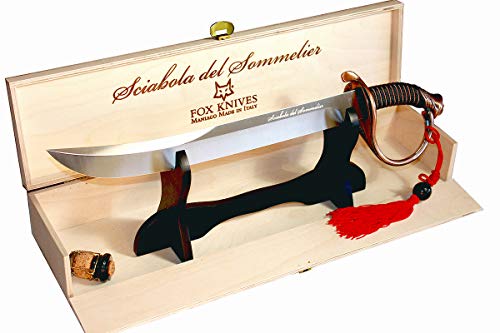
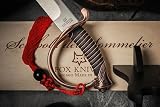
The Fox Knives sabre stands out for its pedigree and attention to detail. Made in Maniago, Italy, the heart of European cutlery tradition, this sabre arrives in a wooden crate with a lacquered display stand, packaging that signals this is an object meant to be kept, displayed, and passed down. Owners consistently praise its weight, balance, and the precision of its construction; the blade is dull enough to be safe but sharp enough to perform its ceremonial task reliably. The wire-wrapped handle and bronze-finish hilt feel substantial in hand, and the decorative tassel adds an element of formality that justifies its place in a wine room or bar cabinet between uses.
What we find compelling is how little pressure the blade requires: the design and heft do the work for you, which translates to cleaner pops and fewer fumbles when guests are watching. Compared to value-focused alternatives, this sabre treats sabrage as an art form rather than a trick. Owners report using it repeatedly at events without degradation, which speaks to durability that justifies the investment for anyone who entertains regularly or sees this as a piece they'll hand down.
The main trade-off is that the elaborate presentation and Italian craftsmanship come at a cost. If you're looking for a casual first-time tool or something you'll use once a year, the Fox Knives sabre may feel like overkill. But for anyone drawn to ceremonial objects: champagne enthusiasts, serious entertainers, or those who value heirloom-quality barware: this is the pick that earns permanent shelf space.
Pros
- Italian handcrafted build with reliable, durable construction
- Excellent balance and weight reduce pressure needed to pop
- Lacquered stand and wooden crate elevate gift presentation
Cons
- Higher price point than functional alternatives
- Elaborate packaging may feel excessive for casual users
Key features (4)
- Handcrafted in Maniago, Italy; 15.5-inch blade with bronze-finish hilt
- Wire-wrapped handle with decorative tassel for elegant grip
- Includes lacquered display stand and wooden presentation crate
- Dull blade edges for safe handling; polished finish resists corrosion
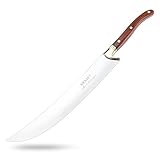
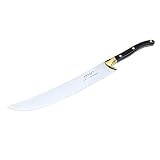
The Resafy with black gift box delivers what matters most: reliable sabrage performance at a fraction of what luxury picks command. Owners repeatedly note that this sabre works beautifully if you follow the technique (chill the bottle, slide along the seam), and several mention attempting sabrage for the first time successfully on their first try. The stainless steel blade is properly weighted, the wooden handle is ergonomic, and the black gift box makes it presentation-ready without the theatrical production of some premium competitors.
We think the value proposition here is about removing the barrier to trying sabrage without financial risk. One buyer mentions using this successfully for a world-record attempt, which speaks to functional reliability that punches well above its price tier. Compared to the Fox Knives sabre, this trades artisan heritage and display staging for practical efficiency: you get a working sabre that does the job, arrives ready to gift, and costs substantially less. For first-time users or those new to entertaining, this eliminates hesitation.
The main caveat is that owners describe it as working well, not wow-ing them with craftsmanship or feel. The construction is solid, but there's no sense of handling an heirloom or showcase piece. This is a sabre for people who want to master the technique and enjoy the experience, not those seeking a decorative bar accent.
Pros
- Reliable balance and weight perform consistently on first attempts
- Stainless steel construction resists rust and requires minimal maintenance
- Included gift box provides immediate presentation-ready packaging
Cons
- Lacks decorative detail or heirloom aesthetic of premium options
- No display stand or elaborate crate; purely utilitarian packaging
Key features (4)
- Stainless steel blade with ergonomic wooden handle for comfortable grip
- Lightweight design maintains balance for clean, controlled pops
- Shipped in black gift box; includes technique instructions
- Dull blade edges ensure safe handling during storage and use
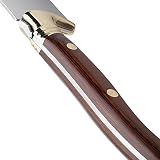
This Resafy variant emphasizes presentation through its wooden box and balances functional sabrage with tactile appeal. At 0.62 lbs with a design focused on weight distribution, it delivers the core performance (owners report smooth, clean breaks) while the decorative golden copper detailing on the handle adds visual interest that justifies shelf display between uses. The wooden box is sturdier than basic cardboard, which matters when this arrives as a gift and you want the recipient's first impression to match the thoughtfulness behind the choice.
Where this sits in the lineup is as a middle ground between bare-bones functionality and elaborate Italian theater. Compared to the Fox Knives presentation crate and display stand, this keeps costs down while still signaling that this is a considered gift. Compared to the black-box Resafy, the wooden packaging and copper detailing elevate it for milestone events: weddings, anniversaries, significant birthdays. One buyer specifically called out the difference between this and other sabres at comparable price points, noting that "others had cheap boxes."
We should flag a notable complaint: several owners report the wooden box lid being difficult to open or arriving damaged, which undermines the presentation value. If the box arrives in rough shape, the gift impact suffers. It's a real enough issue that you'd want to inspect packaging upon arrival, particularly for time-sensitive gifting.
Pros
- Wooden box with golden copper handle details elevates gift perception
- Well-balanced 0.62-lb weight enables smooth, reliable sabrage
- Whole-forged blade construction provides durability for repeated use
Cons
- Wooden box lid frequently difficult to open or arrives damaged
- Less decorative flourish than premium options with display stands
Key features (4)
- Whole-forged stainless steel blade formed by cold pressing and welding
- Golden copper-trimmed wooden handle with ergonomic streamlined design
- Wooden presentation box suitable for direct gift giving
- 0.62-lb weight with balanced center point for controlled performance
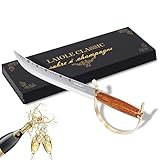
This Resafy model leans into visual drama with a more theatrical design that bridges function and décor. With a 1.5-inch blade width and 3mm thickness, Rockwell hardness of 56/54, and a handmade wooden handle, it delivers the technical specs for reliable sabrage while the styling makes it worth keeping visible. Owners report successful first-attempt pops and appreciate that it looks "fancy" even at an entry-level price point. One buyer notes using it at a wedding cake-cutting ceremony (a creative expansion beyond traditional champagne service) which speaks to its visual appeal transcending the single ceremonial purpose.
Compared to the value-focused black-box Resafy, this emphasizes aesthetics and versatility of occasion. Where the Fox Knives sabre is a museum piece in a wooden crate, this is a functional pirate-sword aesthetic that works in casual entertaining spaces. The gift box is standard but serviceable, and buyers specifically praise the included instruction card as helpful for confidence-building before first use. One shopper mentions purchasing a stand for it afterward, which suggests the design has enough presence to warrant display furniture.
The tension here is between show and substance. The pirate styling won't appeal to purists seeking traditional French or Italian sabre aesthetics, and some may find the theatrical branding distracts from the genuine technique. But if you entertain younger crowds or want something that doubles as a humorous accent piece, this delivers both performance and conversation starter.
Pros
- Eye-catching pirate design encourages display and conversation at events
- Rockwell hardness 56/54 ensures blade durability through repeated use
- Included instruction card builds confidence for first-time users
Cons
- Theatrical styling may not appeal to traditionalists seeking classic aesthetics
- Standard gift box lacks the elaborate presentation of premium options
Key features (4)
- Stainless steel blade 1.5 inches wide with 3mm thickness for durability
- Handmade wooden handle. Rockwell hardness rated for reliable performance
- Pirate-inspired design works as functional tool and conversation piece
- Instruction card included; comes in stylish gift box for presentation
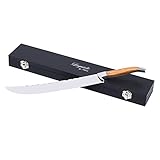
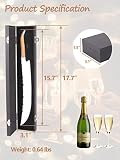
The Luvcosy sabre brings Laguiole heritage into the sabrage category: a design tradition rooted in the Laguiole region of France known for its iconic knives. The olive wood handle is hand-cut and hand-smoothed, then secured to the stainless steel blade with a polished screw, and the iconic Laguiole honeybee sits on the bolster as an authentication mark. At 0.64 lbs and 15.7 inches long, it balances light enough for extended holding without feeling flimsy. Owners consistently praise the craftsmanship, calling it "well made" and noting that it "looks much more expensive than it is," which suggests genuine design thoughtfulness: naturally textured wood accents, serrated spine for clearing foil, and cold-forged construction.
What differentiates this from the Fox Knives sabre is regionality and philosophy: Fox offers Italian artisan tradition, while Luvcosy draws on French cutlery heritage through the Laguiole bee emblem. Both prioritize craftsmanship, but this one is positioned as more affordable without sacrificing presence. One detailed buyer review notes that the saber resists scratching through repeated use and describes the experience of owning it as worthwhile specifically for the blend of tradition and functionality. Compared to the value-tier Resafy options, this claims design lineage and dedicates care to materials (hand-smoothed olive, polished screw, forged construction) that justify a mid-tier price.
The minor critique is that close inspection reveals "just a cheap stainless steel blade with wooden inserts," suggesting visual impact exceeds material prestige. But for most users, that's precisely the appeal: genuine, visually striking craftsmanship that performs reliably without the full investment of a true artisan heirloom.
Pros
- Laguiole-style honeybee emblem signals French cutlery heritage and authenticity
- Olive wood handle hand-cut and hand-smoothed; polished screw ensures durability
- Serrated spine clears foil quickly; cold-forged construction resists scratching
Cons
- Stainless steel blade relatively modest compared to premium Italian smithing
- Limited use case unless you entertain regularly or collect barware
Key features (4)
- Laguiole-style design with iconic honeybee on bolster; 15.7-inch length
- Hand-cut olive wood handle paired with stainless steel blade via polished screw
- Serrated spine for foil clearing; cold-forged construction resists wear
- Elegantly packaged in gift box; weighs 0.64 lbs for balanced handling
How to Choose a Champagne Sabre
Understand the Sabrage Technique
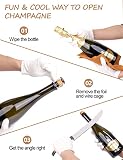
Sabrage is a skill, not just a prop. Success depends on chilling the bottle (freeze 30 minutes), locating the seam running along the bottle's side, and sliding the blade upward along that seam with smooth, confident pressure. The bottle's internal pressure does the work; you're guiding the break, not forcing it. A champagne sabrage technique guide will accelerate your learning curve and build confidence before your first attempt in front of guests. The quality of your sabre affects how forgiving the technique is: a well-balanced blade with proper weight makes success more likely on early tries.
Prioritize Balance and Weight
The sabre's weight should sit concentrated behind the blade rather than in the handle. Most quality sabres weigh between 0.6 and 0.7 lbs, with the balance point located just behind the blade's edge. This design means you're not muscling the pop; gravity and momentum do most of the work. A sabre that feels too light or back-heavy will require more pressure, increasing the risk of uneven breaks or glass shards in the bottle. When comparing options, pay attention to owner feedback about how much force was required and whether first-time users succeeded on their initial attempt.
Assess Materials and Build Quality
Stainless steel blades resist rust and require minimal maintenance, making them practical for occasional use. Hand-forged construction (cold pressing plus welding or traditional blacksmithing) produces more durable blades than stamped alternatives. Look for handles made of natural wood (olive, walnut, or hardwoods with wire wrapping) rather than plastic or synthetic materials. The blade edge should be dull (safe to touch) but sharp enough to perform sabrage; test descriptions and owner photos to confirm. Finish matters too; polished or powder-coated blades resist corrosion better than raw steel.
Choose Based on Use Frequency and Gifting
If you're an occasional entertainer or gifting for a special event, a mid-range sabre with good balance and presentation packaging delivers maximum value and impact. For frequent entertainers or those who want an heirloom piece, invest in artisan-crafted options with superior materials and design details that reward repeated use. Sabrage vs traditional wine opener comparisons highlight that a dedicated sabre elevates the experience over improvised tools, making it worth choosing deliberately. Consider whether the sabre will live on display (favoring aesthetic design) or in storage (where presentation packaging matters most).
Review Packaging and Presentation
Sabres arrive in gift boxes, wooden crates, or presentation stands depending on tier. Black cardboard boxes suit casual gifting; wooden boxes with interior padding signal premium consideration. Display stands and lacquered crates add to heirloom appeal but increase cost. If this is a surprise gift, inspect the box upon arrival: some wooden-box variants report difficulty opening or damage in transit, which undermines the gifting experience. For personal use, simpler packaging is fine; for milestone events (weddings, anniversaries), prioritize unboxing impact alongside functionality.
Frequently asked
Do I actually need a real champagne sabre, or can I use any sharp object?
A dedicated sabre is worth owning. Kitchen knives, box cutters, or improvised tools lack the balance and weight distribution that make sabrage reliable and safe. A proper sabre's design concentrates weight behind the blade, reducing the force you need and lowering the risk of uneven breaks or glass shards in the bottle. Dedicated sabres are also designed with dull edges so your hands stay safe during storage and handling. Once you've used a quality sabre, the difference is obvious.
Can I practice sabrage with inexpensive bottles before using an expensive sabre?
Absolutely. In fact, practice is recommended. Use any sparkling wine or champagne from your local store: quality doesn't affect the technique, only your confidence level. Many owners report success on their first attempt after watching a short video and practicing the slide motion. Start with inexpensive bottles, master the technique, then bring out the premium sabre for special occasions. The sabre itself is largely secondary; the technique is what matters, so the learning curve is gentle with any functional blade.
Are handcrafted Italian sabres worth the extra cost over budget options?
It depends on your use frequency and attachment to craftsmanship. If you entertain regularly and see the sabre as a permanent part of your barware collection, the Italian-made options justify the investment through durability, superior balance, and aesthetic appeal. If you're an occasional user or gifting for a first-time experience, mid-range Laguiole-style or well-reviewed budget options perform reliably at a fraction of the cost. Think of it as choosing between a functional tool and a heirloom piece; both work, but one rewards long-term ownership.
What's the best way to store and maintain a champagne sabre?
Store your sabre in its box, crate, or on a wall display stand away from high humidity and direct sunlight. Stainless steel requires minimal care; a simple wipe-down with a damp cloth after use is sufficient. Wooden handles benefit from occasional conditioning with food-grade mineral oil to prevent drying. The blade is already dull, so no sharpening is needed. Keep it displayed or accessible in a safe spot: it's meant to be admired and used, not hidden away. A dedicated sabre, properly stored, will outlast its owner.
Can women and beginners use a champagne sabre successfully?
Yes, completely. The sabre's design minimizes the strength required; balance and weight matter far more than muscle. Many owners report first-time success as beginners, and the technique is about technique, not force. Women, men, and anyone physically comfortable holding a 15-inch blade can master sabrage. The key is practicing the slide motion beforehand, chilling the bottle properly, and using smooth, confident pressure rather than aggressive hacking. The best sabres are designed for finesse over force, which levels the playing field for all users.