Best Bull Cutter Knife: Top Picks for Hunting & Outdoor Use
Find the best bull cutter knife for hunting, camping, and skinning. Compare handmade Damascus, stainless steel, and cowboy knives with leather sheaths.
Ideal for: Hunters, ranchers, and outdoor workers who prioritize sharp edge retention and appreciate handmade craftsmanship.
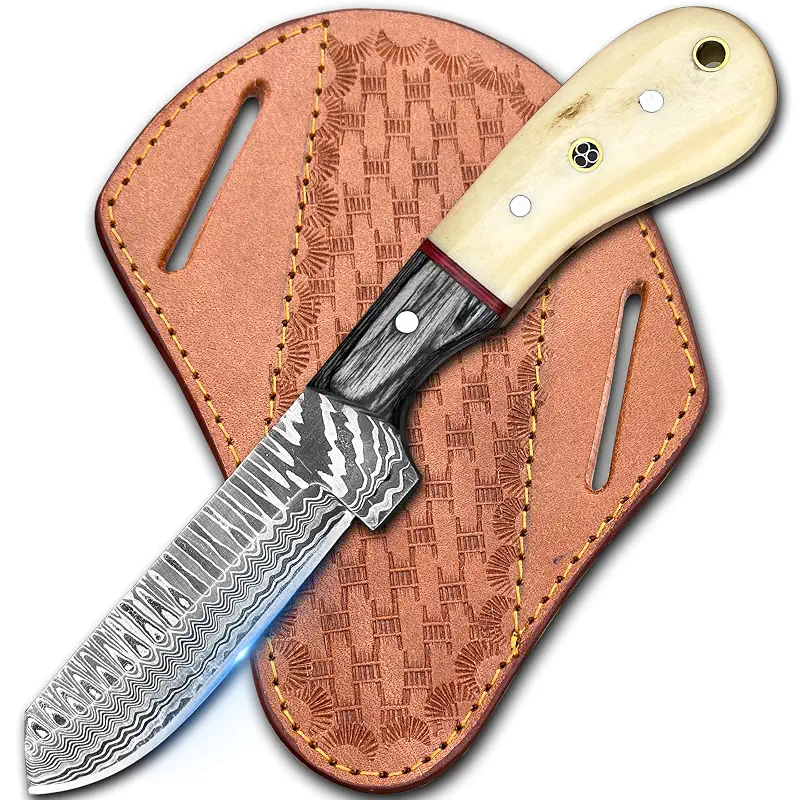
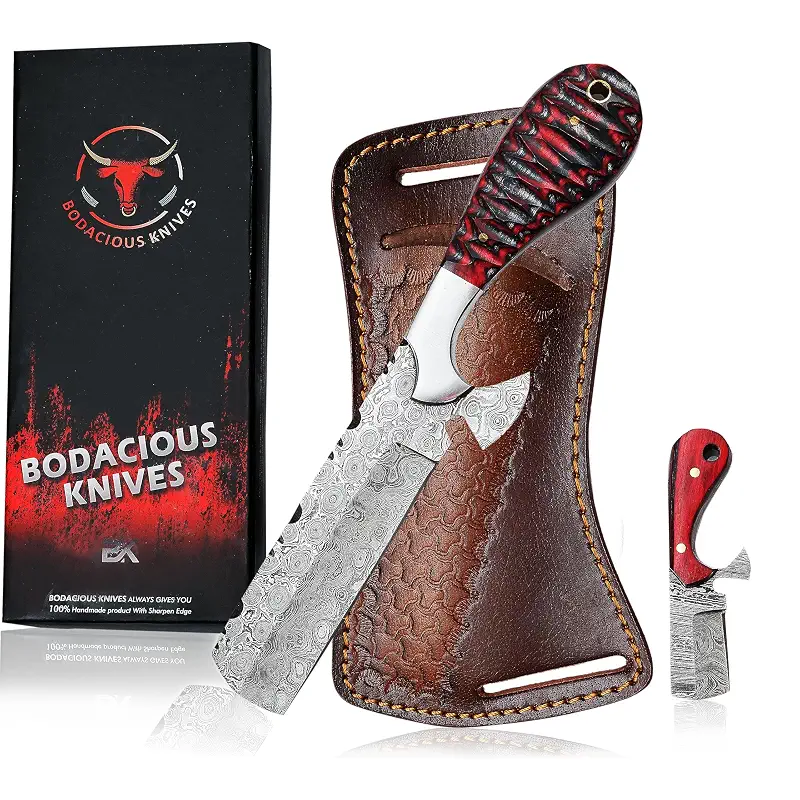
The Bodacious Knives Damascus bull cutter stands out for a reason: owners consistently report that the blade arrives sharp and stays sharp through real work, whether that's removing cattle tags or general field tasks. The 4-inch blade and full-tang construction feel balanced in the hand, and the cross-draw leather sheath design keeps the knife accessible without swinging into your ribs when you're working in the saddle. The included needle notch is a clever touch for anyone doing veterinary work.
What I find noteworthy is how many buyers mention the blade's durability relative to the price point. You're getting genuine handmade Damascus steel (not an etch or print) with a hardness rating that handles real abuse. The one consistent caveat from owners is that the leather sheath can take damage from the blade itself if you're not careful during insertion, and Damascus steel demands regular oiling to prevent rust, which isn't a flaw but a commitment.
If you're buying your first serious bull cutter and want a blade that will hold an edge and look good doing it, this is the knife to start with. It's heavier investment than budget options, but owners feel the quality justifies it.
Pros
Hand-forged Damascus steel with consistent edge retention
Secure cross-draw leather sheath fits belt carry well
Arrives razor sharp and handles field work without dulling quickly
Cons
Requires regular oiling to prevent rust on Damascus steel
Leather sheath stitching can be damaged by the sharp blade
Key features
8-inch overall length with 4-inch Damascus blade, 4mm thick
Full-tang wooden handle with comfortable hand retention
Hand-sharpened blade with specialty needle notch for veterinary use
Includes cross-draw pancake leather sheath with belt loop
Ideal for: Budget-conscious hunters and outdoor workers who want quality steel without premium Damascus pricing.
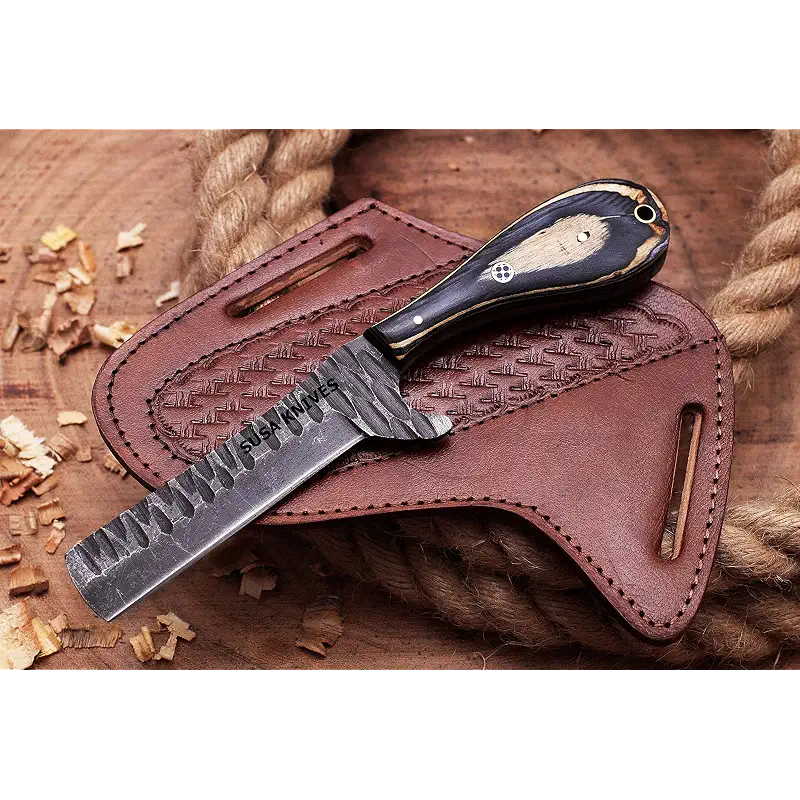
Susa Knives' 1095 steel bull cutter delivers real functionality without the Damascus price tag. The handmade construction and HRC 58-60 hardness rating put it in the same durability ballpark as pricier options, and owners note that the blade arrives sharp and maintains an edge through hunting and general cutting work. The full-tang Pakka wood handle feels comfortable and solid in the hand.
The main trade-off versus the Bodacious Damascus option is steel choice: 1095 high-carbon steel holds an edge well but requires the same maintenance discipline as Damascus (oiling, drying, care). Several buyers mention the sheath arrives loose, but this isn't a defect: it's actually typical of quality leather sheaths, which conform and tighten once you've worn them on your belt a few times. One reviewer described the fit improvement as "fit like a glove" after minimal break-in, which is exactly what you want from a full-grain leather piece.
For someone building their first knife kit or adding a practical backup blade without overspending, this delivers the performance without the prestige price.
Pros
Hand-forged 1095 high-carbon steel with excellent durability
Sharp out of the box and holds edge well through field use
Ideal for: Cowboys, ranch workers, and saddle-time users who prioritize comfort over blade size and want stainless simplicity.
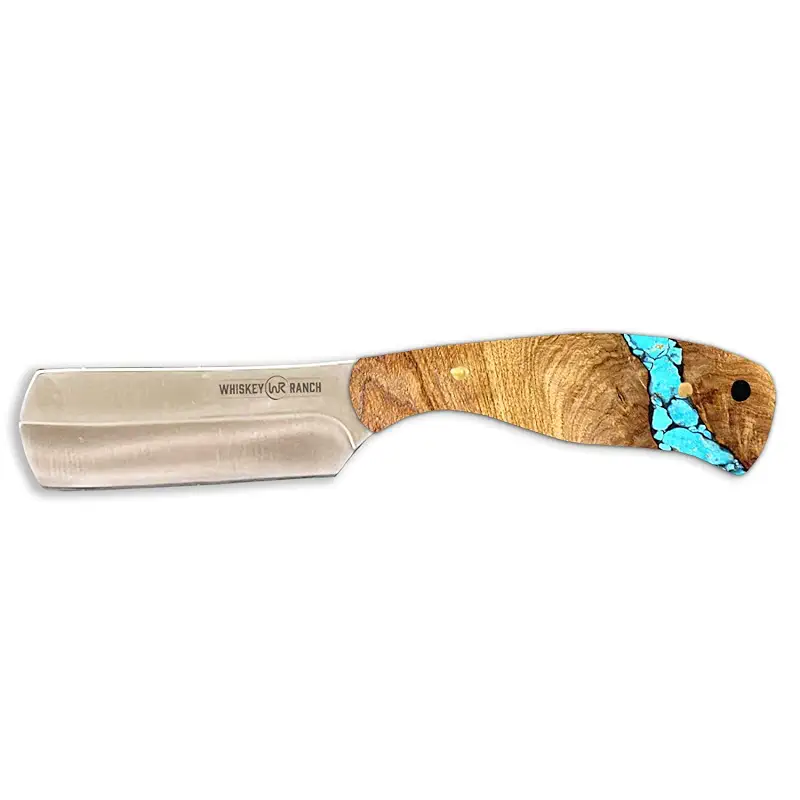
At 6.5 inches overall with a 2.75-inch blade, the Whiskey Bent Hat Co. bull cutter is significantly more compact than the standard 8-inch models. This matters if you spend time in the saddle or work in tight spaces where a full-size blade gets in the way. Owners praise the sheath design, specifically noting that it sits out of the way when riding and doesn't dig into your ribs: a real advantage for ranch work where the knife stays on your belt all day.
The stainless steel is the practical compromise here: it won't hold an edge quite as long as high-carbon or Damascus steel, but it requires far less maintenance and resists rust without constant oiling. This appeals to people who want a working knife they can grab and use without fussing over care. Buyers report it comes sharp and handles the job, though expectations should be calibrated to stainless performance. There's one important caveat from a reviewer who received an acrylic handle with a printed design rather than the turquoise-resin material advertised: quality control appears inconsistent, so confirm the exact specifications before ordering.
Compared to the larger Damascus options, you're trading blade length and edge longevity for portability and low-maintenance stainless steel. It's the right choice if daily comfort on your belt matters more than ultimate cutting power.
Pros
Compact 6.5-inch length fits saddle and belt work without bulk
stainless steel resists rust and requires minimal maintenance
Cross-draw sheath designed to stay clear of ribs during riding
Cons
Stainless steel doesn't hold edge as long as carbon or Damascus
Quality control inconsistencies reported on handle material
Key features
6.5-inch overall length with 2.75-inch stainless blade
Ideal for: Collectors and outdoor enthusiasts who want Damascus aesthetics paired with reliable cutting performance and collectible appeal.
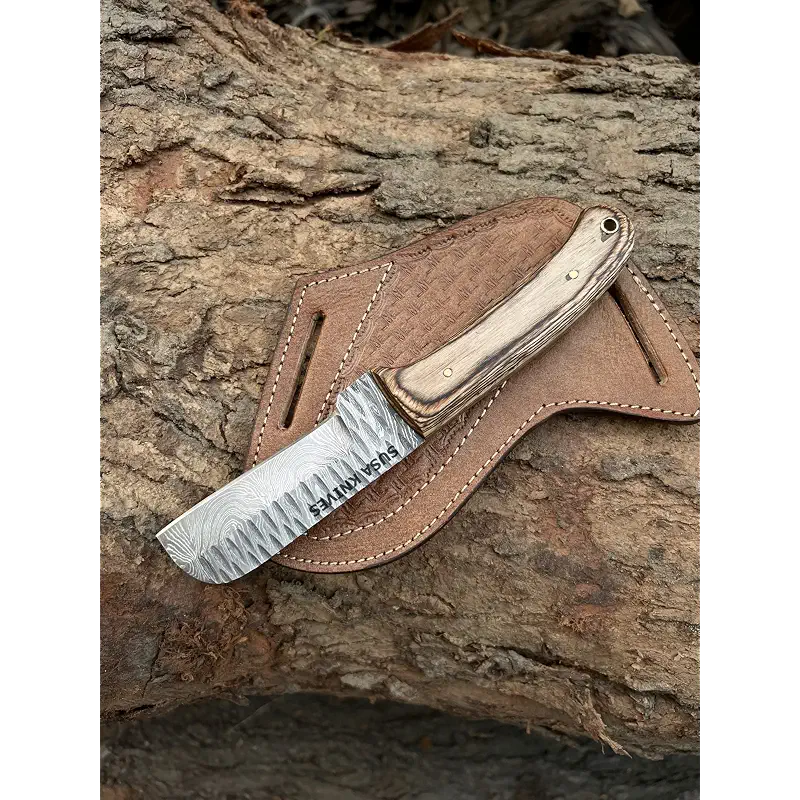
This Susa Knives Damascus bull cutter represents the intersection of art and utility: the blade features 176 layers of 1095/15N20 alloy steel creating a distinctive pattern that genuinely looks beautiful. Owners specifically mention being drawn to the knife's appearance and how the unique grooves cut into the blade catch light and feel tactile. The brown Pakka wood handle complements the Damascus aesthetic without fussiness.
What separates this from simpler bull cutters is that one reviewer noted the Damascus pattern appears as an etch or surface design rather than a fully folded Damascus blade running through the tang: which is worth knowing if you're a purist. That said, the functional edge is HRC 58-60 and cuts exceptionally well; one owner describes it as their everyday everywhere blade and praises the comfort of the pancake sheath, particularly how the curved bottom design allows pocket carry without discomfort. The blade shape, which some initially doubted, proved superior in actual use because the tip digs and locks during cutting.
Where this differs from the Bodacious Damascus option is that this emphasizes visual character as much as performance. If you want a knife that draws compliments and performs equally well, this delivers. It does demand the same maintenance discipline as any Damascus blade, and one owner flagged that it wasn't the sharpest tool initially, so sharpening ability matters.
Pros
Striking 176-layer Damascus pattern with unique visual character
Comfortable pancake sheath designed for all-day carry and pocket access
Sharp edge with distinctive tip geometry that locks during cutting
Cons
Damascus pattern is etched surface rather than fully folded blade
Requires regular oiling maintenance typical of Damascus steel
Key features
8-inch length with 4-inch blade forged from 176-layer Damascus steel
1095/15N20 alloy composition with HRC 58-60 hardness
Brown Pakka wood full-tang handle with ergonomic curves
Hand-stitched full-grain pancake leather sheath with belt loop
#5 Pick
Best for Bushcraft & Skinning
Anar Enterprise
Cowboy Knives with Leather Sheath - 8” Sharp Handmade Damascus Bull Cutter Knife - EDC Fixed Blade Hunting Knife for Skinning, Camping, Bushcrafting and Outdoor Activities, white
4.4(17)
Hand-forged Damascus with snap-fastener sheath design and ergonomic full-tang construction for extended outdoor work.
Ideal for: Bushcrafters and hunters willing to invest in quality blade maintenance and potentially replace the original sheath.
The Anar Enterprise bull cutter emphasizes functional ergonomics for all-day use: the full-tang design distributes weight evenly, and the non-slip grip is engineered to stay secure during wet or gloved work. Owners report the blade arrives sharp and performs well across hunting, camping, and general field tasks. The leather sheath includes both a snap fastener and elastic strap for secure belt carry, which adds retention without the break-in period some pancake sheaths require.
The catch here is sheath and maintenance quality. Multiple buyers flag that while the knife itself is solid, the leather sheath feels cheaply made compared to the blade, with stitching that deteriorates quickly with regular use. More concerning, one owner reported surface rust appearing within two days despite Anar's claims of rust resistance, so the oiling and care requirements aren't optional; they're essential. Compared to the Bodacious Damascus option, you're getting similar blade quality but with a sheath that's a weak point and slightly shakier quality control on corrosion claims.
If you prioritize the blade itself and are willing to upgrade the sheath or accept that maintenance is non-negotiable, this knife cuts well. But if sheath durability matters equally to blade quality, the Bodacious or Susa options offer more balanced packages.
Pros
Hand-forged Damascus steel with sharp out-of-box performance
Ergonomic full-tang design with palm swell for extended work
Snap fastener and elastic strap sheath design adds retention
Cons
Leather sheath stitching fails quickly with regular field use
8-inch overall length with 4-inch Damascus steel blade
Ergonomic full-tang handle designed for hand-size versatility
Genuine leather sheath with snap fastener and elastic strap
Premium Damascus steel with corrosion-resistant edge
How to Choose a Bull Cutter Knife
Four trade-offs that actually matter when matching a bull cutter knife to your kitchen.
Steel Type and Maintenance
Bull cutter knives come in three main steel types, each with trade-offs. Damascus steel and high-carbon steel (like 1095) hold an excellent edge and are preferred by serious users, but both require regular oiling and careful drying to prevent rust: they demand commitment. Stainless steel () is lower-maintenance and won't rust, but it won't hold an edge as long and isn't ideal for precision work. Understanding damascus versus stainless steel blades helps you choose based on how much maintenance you're willing to do. If you're working in wet conditions or don't have time for knife care, stainless makes sense. If edge retention matters more than convenience, carbon or Damascus is worth the upkeep.
Blade and Handle Size
Standard bull cutters run 8 inches overall with a 4-inch blade, which suits most hunting and ranching tasks. Compact models at 6.5 inches sacrifice cutting power for comfort if you spend time in the saddle or working in confined spaces. Handle length typically matches blade length to balance the knife in your hand. Full-tang construction (where the steel runs the entire length into the handle) is stronger and more durable than partial-tang designs. Wood handles (Pakka wood is common) offer a comfortable, traditional feel, though they do absorb moisture and require occasional oiling like the blade.
Sheath Design and Carry
The sheath often receives less attention than the blade but affects your daily experience. Cross-draw or pancake sheaths keep the blade accessible without digging into your ribs during saddle work or belt carry. Full-grain leather is more durable than split leather, though any leather sheath should be kept dry and oil-conditioned. Some sheaths arrive loose and conform to your belt with break-in; others arrive ready-fitted. If sheath retention matters immediately, look for snap fasteners or elastic straps. Quality of sheath construction varies by maker, so read owner feedback carefully: a weak sheath can frustrate you even if the blade is excellent. For comparison, when evaluating specialty blades like a kiritsuke knife, the same attention to sheath quality applies across different knife categories.
Price and Value Alignment
Bull cutters range from entry-level stainless options to premium handmade Damascus pieces. Handmade and Damascus knives cost more because the forging process is labor-intensive and the materials are higher-grade. If this is your first bull cutter or you use it occasionally, a solid 1095 high-carbon knife offers excellent performance at a fraction of the price. If you're a professional working livestock or hunting regularly, the edge retention and longevity of Damascus often justify the step up. Consider what you'll actually use the knife for and how frequently: that drives whether premium materials pay for themselves in durability.
Frequently asked
Quick answers to the questions readers ask most.
What's the difference between a bull cutter and a hunting knife?
A bull cutter is specifically designed for livestock work and field dressing game, with a shorter, wider blade optimized for precision cuts and bone work. Hunting knives are broader category that includes fixed-blade and folding designs used for various outdoor tasks. Bull cutters have a characteristic shape and often include specialty features like the needle notch for veterinary procedures, making them more specialized than general hunting knives.
How do I prevent rust on a Damascus or high-carbon steel blade?
After every use, wipe the blade dry with a clean cloth and apply a light coat of mineral oil, coconut oil, or food-safe knife oil. Store the knife outside the leather sheath (leather absorbs moisture that promotes rust) in a dry location. If light surface rust appears, wipe it off immediately with a vinegar-and-lime mixture and re-oil. Regular maintenance takes 30 seconds but prevents permanent damage. Stainless steel doesn't require this routine and is better if you can't commit to consistent care.
What blade length is best for field dressing game?
A 4-inch blade is the standard for bull cutters and field dressing because it offers enough length for clean cuts without being unwieldy in tight work. Smaller blades require more repetitive strokes; larger blades are harder to control for precision. Most owners find the 4-inch length hits the balance that experienced hunters and butchers prefer for working livestock and game.
Can I use a bull cutter knife for bushcraft and camping?
Yes, bull cutters are versatile enough for bushcraft, wood cutting, rope work, and food prep. The sharp edge handles food processing well, and the blade geometry works for carving and splitting. The shorter blade compared to larger bushcraft knives makes it more nimble for fine work, though it's less suited to heavy chopping than a dedicated axe or larger blade. It's an excellent multi-purpose tool if you own only one fixed blade.
Is a handmade Damascus bull cutter worth the extra cost?
Handmade Damascus offers two benefits: superior edge retention (it holds sharpness longer between sharpenings) and aesthetic appeal. If you use your knife professionally or frequently, the reduced downtime for sharpening often justifies the cost. If you use it occasionally, a quality high-carbon steel option performs similarly in real work. Damascus is also collectible and makes a more impressive gift. So it depends on frequency of use and whether the visual character matters to you.