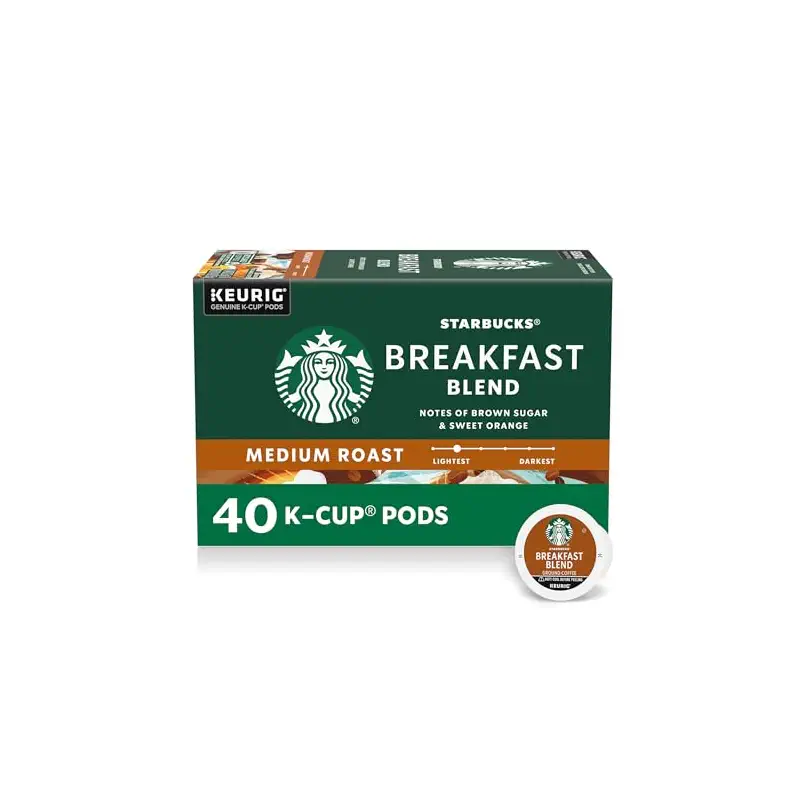
Ideal for: Coffee drinkers who value consistency, don't mind paying more for quality, daily K-cup users
Starbucks Breakfast Blend stands on decades of roasting reputation. Owners consistently praise the balance here: toasty undertones, notes of brown sugar and sweet orange, and a body that's light without tasting thin. At 40 pods per box, you get the convenience of a single-serve format paired with café-quality Arabica beans. The flavor holds whether you brew black or with cream, which matters if you're feeding a household with different preferences.
What makes this the go-to for many is reliability. Reviewers report the coffee tastes fresh out of the box and doesn't vary much pod to pod. Some note the aroma alone is inviting enough to justify the choice. That said, the per-pod cost sits higher than options like Happy Belly or Folgers, which is the trade-off you make for the Starbucks name and consistent execution.
If you're new to K-cups or switching from grocery-store bags, this is where I'd start. It's familiar, well-reviewed across nearly 17,000 ratings, and works seamlessly with any Keurig brewer. For those balancing budget against quality, the Green Mountain alternative offers similar flavor at better value.
Pros
Balanced flavor with subtle sweetness and toasty notes
Consistent taste across pods and boxes
Works equally well black or with cream
Cons
Higher per-pod cost than budget alternatives
May taste milder than those preferring darker roasts
Key features
100% Arabica beans, medium roast, 40-pod box
Smooth body with brown sugar and sweet orange undertones
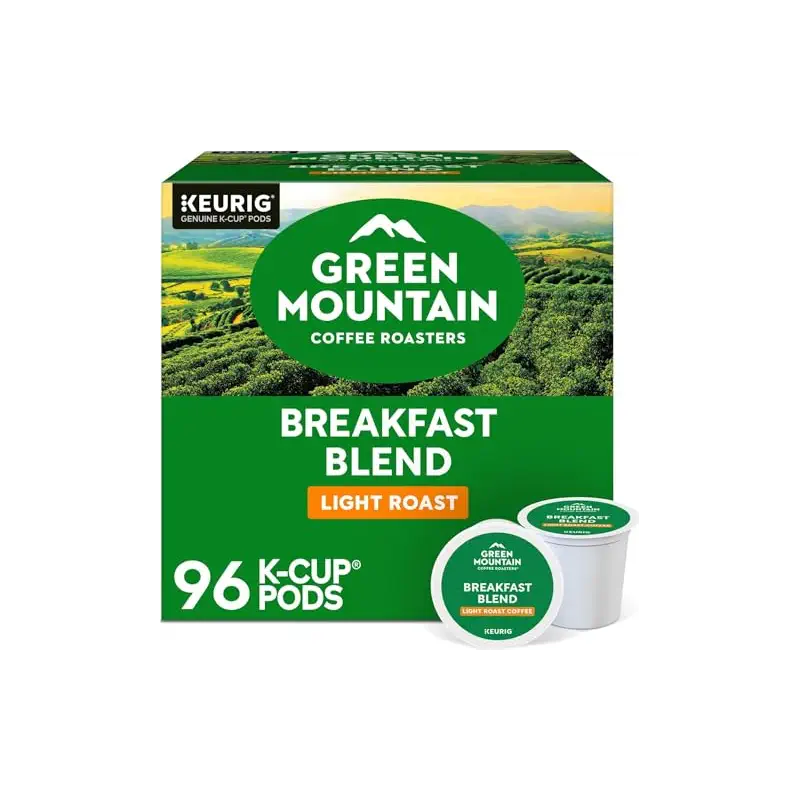
Green Mountain Coffee Roasters has built trust on responsibly sourced coffee, and the Breakfast Blend earns its following by delivering brightness and nutty character for less per pod than Starbucks. A 96-count box means you're stocking up, which works well if you're confident you'll drink it all before freshness fades. Reviewers consistently mention the smooth, easy-drinking profile: clean flavor, balanced sweetness, and silky mouthfeel without harshness or bitterness.
The light roast sits slightly brighter than Starbucks' medium roast, which appeals to those who want to taste the coffee without it dominating. One reviewer noted switching from a premium brand starting with P and finding this just as satisfying. The 100% responsibly sourced claim and Orthodox Union Kosher certification add value if those matter to you. The recyclable pod option is a bonus for environmentally minded brewers, though check if your community actually accepts K-cup pods before buying for that reason alone.
Where this differs from Starbucks is the roast weight: it's lighter, so if you prefer heavier, more intense coffee, you might find it less satisfying. But compared to Happy Belly or McCafe in the same price tier, Green Mountain's larger bulk box and reputation for consistency make it the smarter long-term choice.
Pros
100% responsibly sourced, Kosher certified
Nutty flavor, clean brightness, silky finish
96-count box provides excellent per-pod value
Cons
Lighter roast may feel mild for dark-roast lovers
Large bulk box requires confident consumption
Key features
Light roast, 96-count bulk box, 100% Arabica
Clean, bright flavor with nutty notes and balanced sweetness
100% responsibly sourced, Orthodox Union Kosher
Recyclable pods, compatible with all Keurig brewers
Ideal for: Budget-conscious households, multi-coffee drinker families, those who prioritize aroma
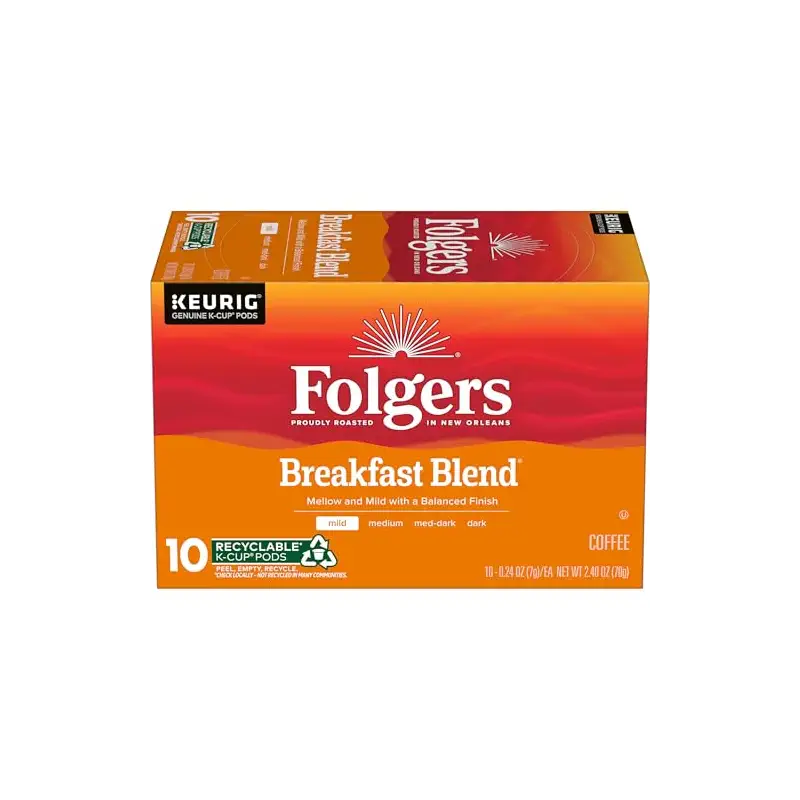
Folgers has built its name on affordability, and the Breakfast Blend K-cup doesn't break that tradition. The 10-pack box (sold individually) keeps your upfront cost low, which matters if you're sampling or on a tight budget. Owners rave about the aroma: one long-time review mentions it bringing back childhood memories of morning coffee smell, and that inviting scent seems to drive repeat purchases more than you'd expect. The mild roast delivers mellow flavors and a balanced finish without harshness.
The trade-off versus Starbucks or Green Mountain is subtler flavor complexity and less consistency pod to pod. A few reviewers mention one in ten pods brewing slightly weaker, which isn't a deal-breaker but worth knowing. The roast is designed to be approachable and not overwhelming, so if you're looking for bold or intense coffee, or caffeine-free flavor through the best hazelnut decaf coffee options where quality swings wide, you'll feel the difference. For households where multiple people drink coffee or where the primary goal is a smooth, non-aggressive morning cup, this works well.
Compare this to McCafe, which sits in a similar price range but with slightly more polish. Folgers wins on raw affordability and aroma. McCafe edges ahead on consistency and smoothness.
Pros
Lowest per-pod cost in the lineup
Iconic, inviting aroma
Mellow, smooth, non-bitter profile
Cons
Less consistent quality across individual pods
Thinner flavor than premium brands
Key features
Mild roast, 10-count box per order, roasted in New Orleans
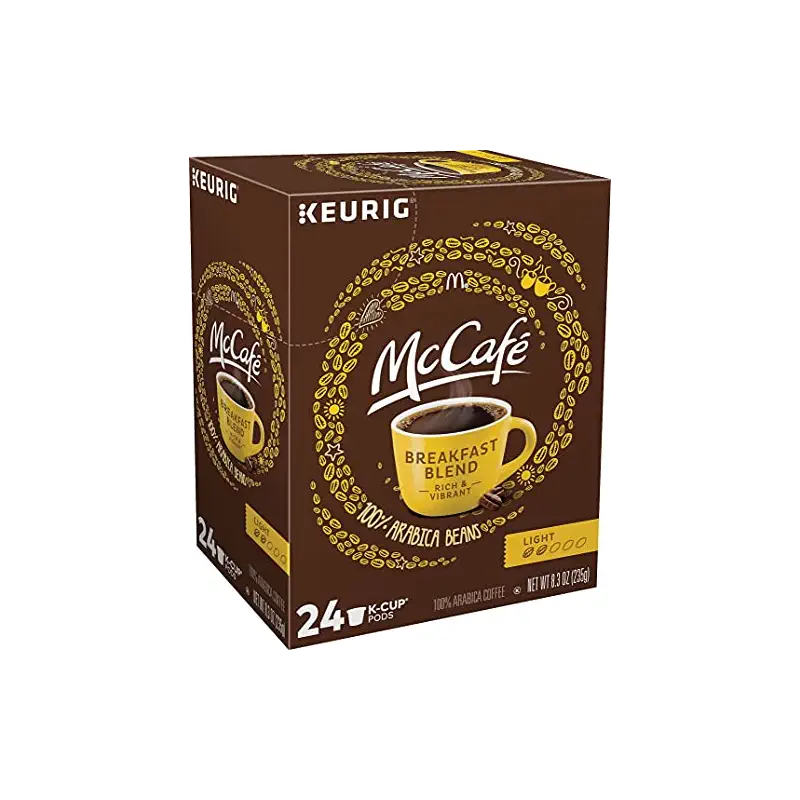
McCafe pitches itself as an everyday coffee that tastes better than generic brands but doesn't pretend to be artisanal. The 24-count box provides a middle ground between small packs and bulk quantities. Reviewers highlight the smooth, balanced profile with a mild nutty undertone and brightness that emerges after a few sips. One detailed review notes it shines with cream or milk, bringing out subtle sweetness, and holds up in black coffee without harshness. That versatility matters if your household mixes black-coffee and cream-coffee drinkers.
The aroma is inviting right out of the pod, though not quite as punch-you-in-the-face intense as Starbucks or as fresh-roasted as Green Mountain. Some variation pod to pod occurs (perhaps one in ten brews slightly weaker), which is more consistency drift than Starbucks but less than Folgers. If you're comparing this to Folgers, McCafe trades raw affordability for smoother, more reliable flavor; to Green Mountain, it trades sustainability certifications for slightly richer body; to Starbucks, it trades brand cachet for lower cost.
The recyclable pod option appeals to environmentally minded brewers, though like Green Mountain, check local guidelines. For households seeking an easy-drinking, non-fussy coffee that doesn't demand much fuss from the brewer, McCafe delivers without pretense.
Pros
Smooth, balanced flavor with subtle nutty sweetness
Works equally well black or with cream
Minimal bitterness and consistent quality
Cons
Occasional pod-to-pod variation in strength
Less intense aroma than premium brands
Key features
Light roast, 24-count box, 100% Arabica
Smooth, medium-bodied brew with mild nutty undertone
Bright, balanced flavor that holds black or with cream
Recyclable pods, compatible with all Keurig brewers
Ideal for: High-volume K-cup drinkers, budget-first buyers, those comfortable with light-roast profiles
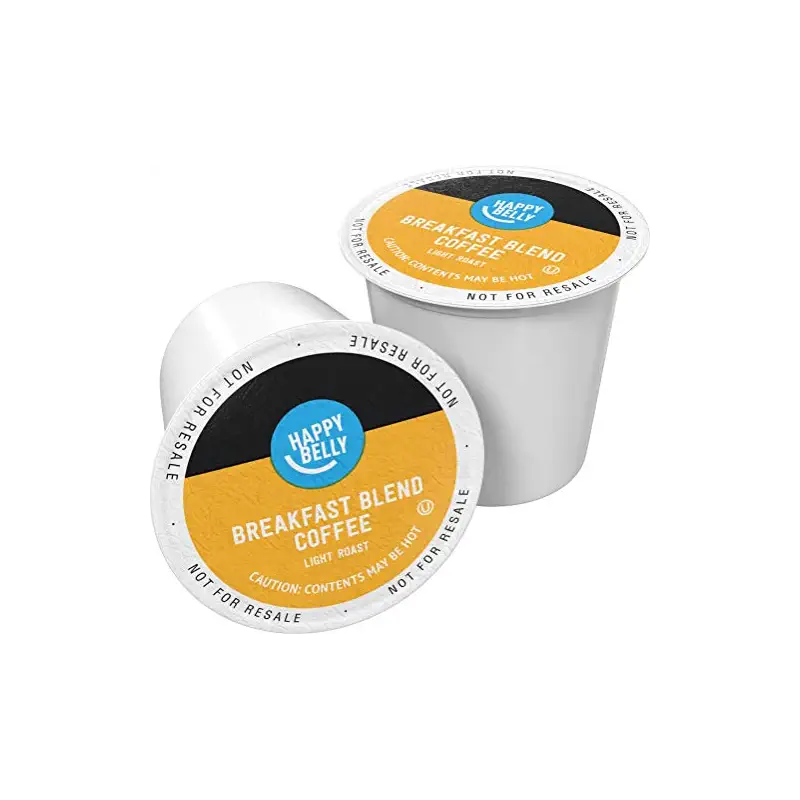
Amazon's Happy Belly brand competes on volume and value. The 100-count box is the largest in this lineup, which means you're buying months of coffee in one order. For regular K-cup drinkers unconcerned with brand names, this is an economical choice. The light roast blends Arabica beans from Latin America and Africa, resulting in nutty aroma and medium body with balanced acidity. Reviewers who prefer lighter coffee without intensity consistently give it high marks; those who want stronger coffee sometimes find it underwhelming.
Quality consistency lags slightly behind Starbucks or McCafe. A few owners report occasional weak pods or burnt-tasting brews, suggesting manufacturing variation. But the per-pod cost is hard to beat if you're willing to accept minor inconsistency. One reviewer specifically praised the caffeine content relative to other light roasts, which matters if you're using Breakfast Blend as your main caffeine source despite the lighter roast.
Where Happy Belly differs from Green Mountain (similar price tier, different scale) is the bulk commitment: 100 pods means you're locked in to this flavor for months. Green Mountain's 96-count also requires commitment but comes with stronger sustainability credentials. Choose Happy Belly if you're confident in your consumption rate and want the absolute lowest per-pod cost; choose Green Mountain if you value consistency and responsible sourcing.
Pros
Lowest per-pod cost at 100-count volume
Nutty aroma and balanced light-roast flavor
Compatible with all Keurig 1.0 and 2.0 brewers
Cons
Occasional inconsistency in brew strength
100-pod commitment requires confident consumption
Key features
Light roast, 100-count bulk box, 100% Arabica
Blend from Latin America and Africa with nutty aroma
Medium body with balanced acidity
Compatible with Keurig 1.0 and 2.0 brewers
How to Choose the Right Breakfast Blend K-Cup
Four trade-offs that actually matter when matching a breakfast blend k cups to your kitchen.
Roast Level and Flavor Profile
Breakfast blend sits in the light-to-medium zone by design. All five options here are gentle, approachable, and avoid harsh or overly bitter notes. The main variable is brightness: Green Mountain and Happy Belly emphasize clean, light character. Starbucks and McCafe sit slightly heavier with more body. Folgers leans mellow. If you're accustomed to a darker roast or espresso, breakfast blend may taste thin. To understand these differences better, review the breakfast blend roast levels guide to see how light versus medium roasts affect taste and caffeine. Generally, lighter roasts have more caffeine and brighter acids; medium roasts offer more body and sweetness.
Budget and Consumption Rate
Per-pod cost varies significantly. Folgers and Happy Belly cost least per pod. Green Mountain offers solid value at higher volume. McCafe lands in the middle. Starbucks commands the premium. If you drink 1–2 K-cups daily, buying in bulk (96 or 100 pods) from Green Mountain or Happy Belly saves money over months. If you're a light drinker or sampling, start with smaller boxes like Folgers' 10-pack. Subscription options on most of these can lock in modest discounts if you're confident in your choice.
Consistency and Aroma
Premium brands like Starbucks and McCafe prioritize consistent pod-to-pod flavor, which matters if you drink the same coffee daily and expect reliability. Budget options like Folgers and Happy Belly show more variation, which some owners barely notice and others find frustrating. Aroma is equally personal: Folgers is famously aromatic. McCafe and Starbucks are inviting. Green Mountain and Happy Belly are subtler. If the morning coffee smell is part of your ritual, Folgers wins. If you're brewing at odd hours without disturbing others, lighter-aroma options like Green Mountain suit better. Those seeking specialized brewing equipment might also explore options like a top turkish coffee maker, which offers a completely different approach to morning coffee ritual for those willing to invest time in traditional brewing.
Sustainability and Certifications
Green Mountain leads on transparency, offering 100% responsibly sourced coffee and Orthodox Union Kosher certification. Both Green Mountain and McCafe offer recyclable pods, though check your local waste program first: many communities don't accept K-cup pods yet. If environmental impact shapes your choice, Green Mountain's commitment and larger bulk box reduce packaging waste per cup. Starbucks, Folgers, and Happy Belly don't emphasize sourcing programs, though Happy Belly's Amazon provenance appeals to some buyers seeking supply-chain clarity.
Brewing Method Flexibility
All five K-cups work with standard Keurig 1.0 and 2.0 brewers. Happy Belly explicitly confirms dual compatibility; the others assume all-Keurig compatibility. Some brewers allow adjusting water amount for stronger or weaker cups. The choice between k-cup pods versus ground coffee remains personal: pods prioritize speed and consistency, while ground coffee offers more flavor control and lower waste if you're committed to composting. For most busy mornings, K-cups win on convenience; if you're willing to invest extra time, traditional brewing methods may reward you with more nuanced flavor.
Frequently asked
Quick answers to the questions readers ask most.
What makes breakfast blend different from medium or dark roast?
Breakfast blend aims for a sweet spot: light enough to feel approachable and pair well with milk or cream, but roasted long enough to develop character and avoid tasting bland or grassy. It typically has more caffeine and brighter acidity than medium roast, with less body and fewer bold roasted flavors. If you're coming from dark roast or espresso, breakfast blend may surprise you with its gentleness: that's intentional. Most owners prefer it for morning drinking when they want energy without intensity.
How long do K-Cup pods stay fresh?
Most K-cups remain flavorful for 8–12 months from the roast date if stored in a cool, dry place away from sunlight and moisture. Amazon shipping usually gets pods to you within days, so freshness isn't typically an issue. If you're buying 96 or 100 pods, try to rotate through them within 6–9 months. Starbucks and Green Mountain generally hold up better long-term due to more careful roasting and packaging, while budget options like Happy Belly may show flavor fade earlier if stored improperly.
Can I use these K-cups in any Keurig brewer?
Yes. All five brands here are designed for genuine Keurig K-Cup brewers (1.0 and 2.0 models). Some off-brand brewers claim K-Cup compatibility but have occasional fit or seal issues. If you own an older Keurig or a knockoff single-serve machine, check your manual. Happy Belly explicitly confirms compatibility with both generations; the others assume standard Keurig performance. Your brewer's warranty covers defects, not incompatible pods, so stick with reputable brands to avoid problems.
Will a lighter roast like breakfast blend give me more caffeine?
Yes, slightly. Light roasts retain more natural caffeine because they're roasted for less time; dark roasts lose caffeine mass to the roasting process. The difference is modest (maybe 5–10% more caffeine per pod) but if you're sensitive to caffeine, breakfast blend's brightness combined with slightly higher caffeine may feel more energizing than a medium or dark roast. Happy Belly reviewers specifically noted the caffeine content relative to other light options, so if that's a priority, it's worth considering.
Which breakfast blend K-cup is best if I drink coffee black without cream or sugar?
Starbucks Breakfast Blend is your safest choice. It has enough body and sweetness (brown sugar, sweet orange notes) to taste complete without additions. Green Mountain runs a close second, with clean brightness and nutty character that shine black. McCafe works if you prefer smooth over bold. Folgers leans a bit thin and mellow on its own; many black-coffee drinkers prefer it with at least a splash of cream. Happy Belly, while good, can taste slightly flat without additions. Personal taste varies, but premium brands invest in profile that holds up to black drinking.