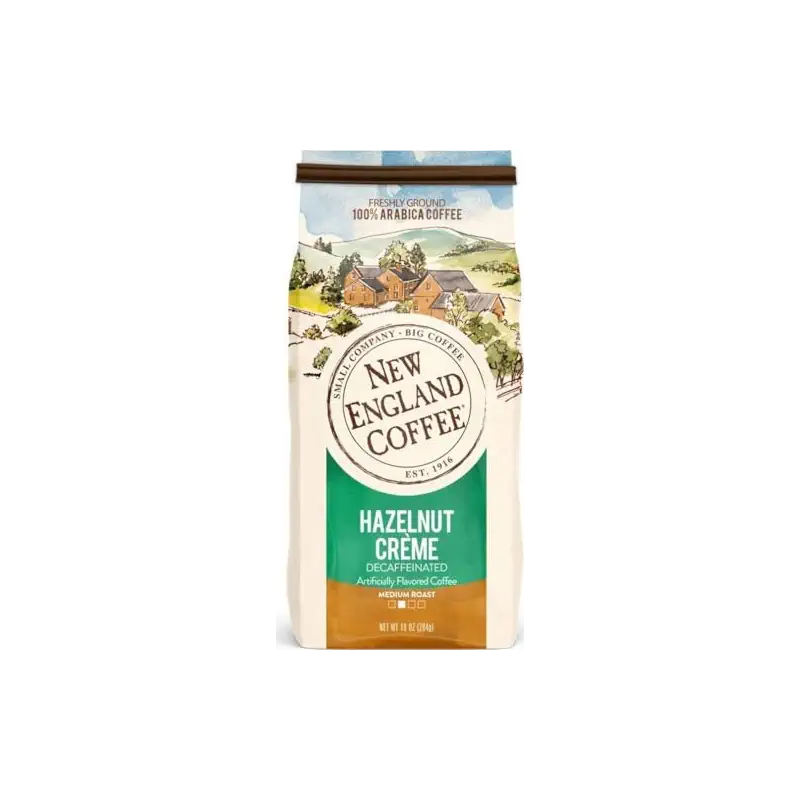
Ideal for: Daily decaf drinkers who brew in drip makers and want minimal setup hassle.
New England Coffee has earned their reputation through 100-plus years of small-batch roasting, and this decaf hazelnut shows why. The blend of South and Central American beans comes through mellow rather than bitter, and buyers consistently report the hazelnut note sits in the right place: present without aggressive sweetness. The flavor holds steady cup to cup, which matters in decaf where inconsistency often masks thin extraction. Ground coffee means no grind adjustment needed; you can brew immediately in drip makers or French press.
Where this stands out is durability of flavor. Decaf hazelnut coffees often fade fast in the cup, but this one holds its character through a full 12-ounce mug. The pack size is 10 ounces per bag (not the 12 ounces some competitors offer), and buyers note that detail matters if you're planning inventory.
The tradeoff: price has climbed significantly over the years according to long-term buyers, and the smaller bag size means more frequent reordering. If you brew multiple pots daily or want to stock weeks of coffee at once, the compact format might feel limiting. Still, if smooth, reliable flavor is your priority and you brew decaf regularly, this is the safest recommendation.
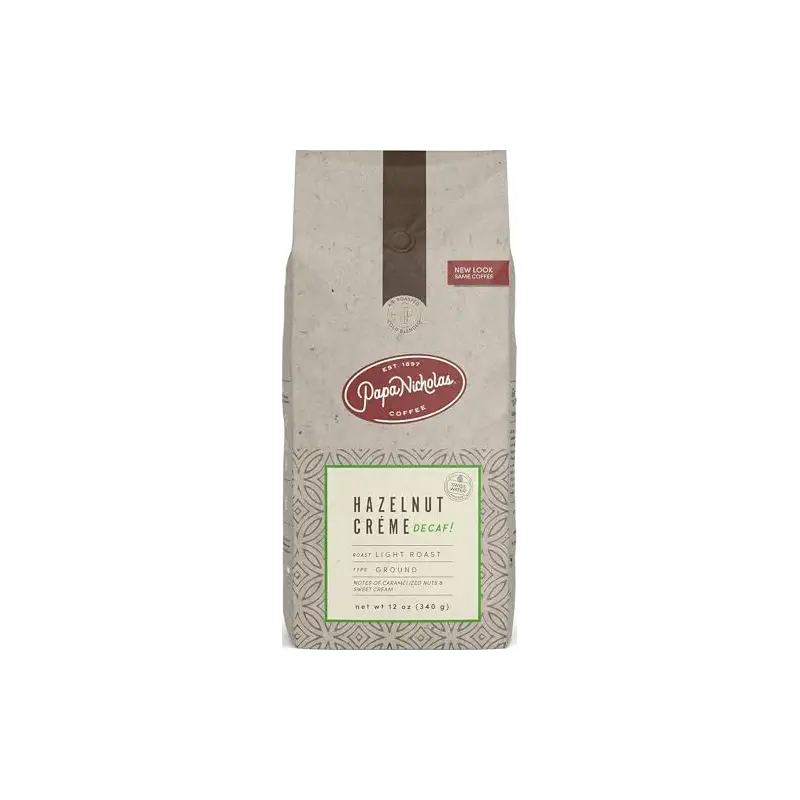
Ideal for: Buyers prioritizing solvent-free decaf and willing to sacrifice slight flavor intensity for peace of mind.
Papanicholas uses Swiss Water decaffeination, a method that relies on water and activated carbon rather than chemical solvents. This matters if you're on multiple medications or simply prefer to avoid industrial extraction agents. The process works because it preserves flavor compounds that chemical methods often strip, so the coffee tastes like coffee with hazelnut rather than a thin compromise.
The light roast profile works in its favor here. Rather than masking thin decaf with heavy roasting, Papanicholas leans into the beans themselves: you get a smooth cup without bitterness. Five generations of roasting standards apply to the decaf lineup equally, which shows in consistency. Buyers note the hazelnut character reads as natural toasted warmth, not candy overlay. Medium grind suits all standard drip makers.
One wrinkle: some buyers report batch-to-batch variation in grind fineness or aroma strength. If your first bag shines and your second disappoints, it's worth trying again before writing it off; this appears to be a packaging or storage issue rather than a formula flaw. Compared to the New England Coffee option, Papanicholas trades slightly less profile depth for a cleaner processing story and consistent Swiss Water decaffeination.
Pros
Swiss Water Process decaffeination, zero chemical solvents
Light roast preserves hazelnut and coffee character
12-ounce bag, larger than some competitors
Shelf-stable 365 days with nitrogen flush
Cons
Occasional batch variation in grind consistency
Hazelnut note can read subtle in lighter brews
Key features
Swiss Water Process decaffeination, solvent-free method
Ideal for: Keurig owners seeking afternoon or evening decaf without setup complexity.
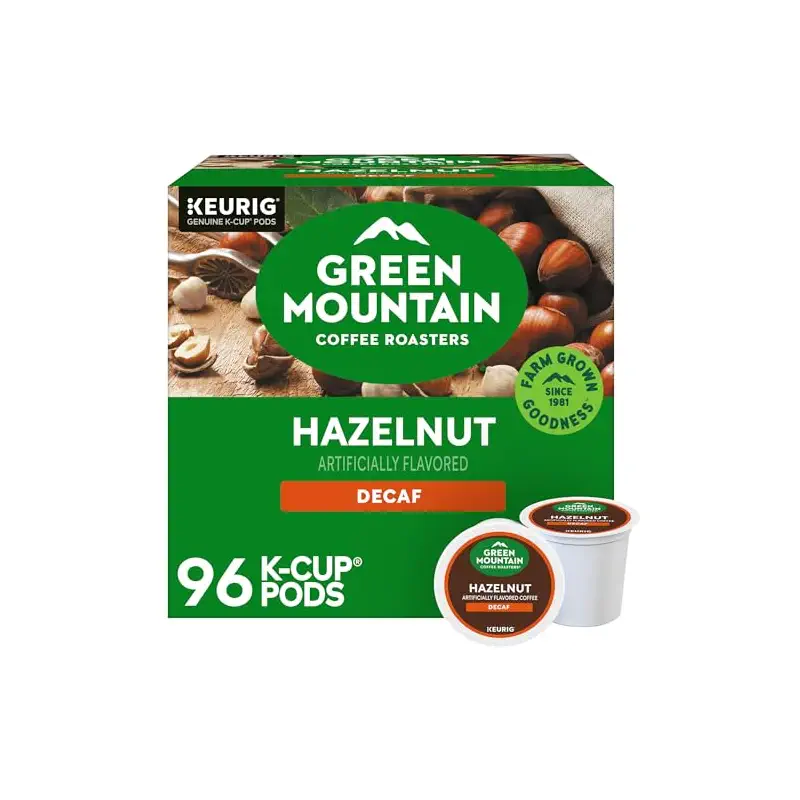
Green Mountain's hazelnut decaf K-Cups stand out in the pod market with a 4.8 rating across over 5,200 reviews: remarkable consistency for a single-serve product. The flavor profile emphasizes toasty warmth and buttery hazelnut, and buyers repeatedly praise the aroma on brew and the smoothness in the cup. No bitterness, no chemical finish, no aftertaste issues that plague many decaf pods.
The 96-count format means a full three-month supply for most daily drinkers, which reduces reordering friction. Green Mountain's 40-year track record in responsible sourcing shows up here; they're Certified Orthodox Union Kosher and their sourcing standards carry through to decaf as heavily as regular coffee. For afternoon or evening brewing when you want ritual without the jolt, this works.
The trade-off against whole bean or ground coffee is cost per cup: single-serve pods always command a premium. And if you're environmentally conscious, the plastic pod format carries weight. That said, the convenience factor for one-at-a-time brewing is hard to beat. Compared to Brooklyn Beans pods (also in this lineup), Green Mountain edges ahead on consistency and review volume, though Brooklyn Beans offers better value per pod.
Pros
Remarkably consistent flavor across 5,200-plus reviews
Buttery hazelnut aroma strong immediately upon brewing
Ideal for: Coffee lovers with a grinder who brew multiple ways and want maximum freshness control.
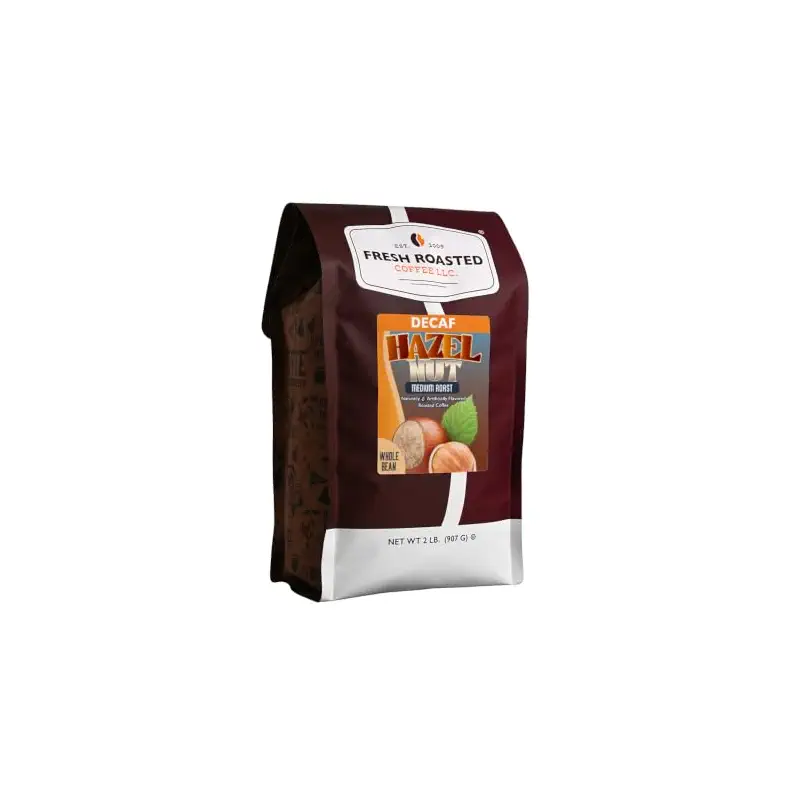
Fresh Roasted Coffee ships whole beans instead of ground, which means you preserve maximum freshness between purchase and brew. The hazelnut note reads fairly subtle when brewed: a deliberate choice favoring natural nuttiness over candy sweetness. That subtlety won't satisfy buyers chasing intense flavor layering, but it appeals to those who want hazelnut as undertone rather than front-and-center drama.
The beans are oilier than some competing whole-bean decafs, which changes grind behavior; you may need to adjust burr grinder settings to avoid clumping. For owners of conical burr grinders, this is a minor tweak. For blade grinder users, it's worth noting. Fresh Roasted uses Loring SmartRoasters and nitrogen-flushes every bag, which supports long shelf life and flavor stability. The 2-pound bag is larger than most ground options, making it the pick if you brew multiple pots weekly.
Compared to the Green Mountain K-Cups, whole beans give you format flexibility (you can grind coarse for French press or fine for espresso) but require an extra step every morning. The Fresh Roasted hazelnut will appeal to brewing enthusiasts who enjoy the grind-to-cup ritual; casual brewers may prefer pre-ground convenience.
Pros
Whole bean format preserves flavor until grinding
2-pound bag reduces frequent reordering
Nitrogen-flushed for extended shelf stability
Medium roast works for drip, French press, or espresso
Cons
Oilier bean texture requires grinder adjustment
Hazelnut flavor subtler than some competitors
Key features
2-pound whole bean bag, medium roast, decaf hazelnut
Roasted on Loring SmartRoasters with solar-powered facility
Nitrogen-flushed packaging for long-term freshness
Family-owned, roasted and packaged in the United States
#5 Pick
Best Value Pods
Brooklyn Beans
Brooklyn Beans Coffee Pods, Hazelnut Decaf - Compatible with Keurig K Cup Brewers Including 2.0 Machines, 40 Count, Deliciously Nutty Flavor
4.3(861)
Forty-count K-Cup pack with smooth, nutty decaf hazelnut at a friendlier per-pod price.
Ideal for: Keurig owners looking for affordable flavored decaf pods without bulk commitment.
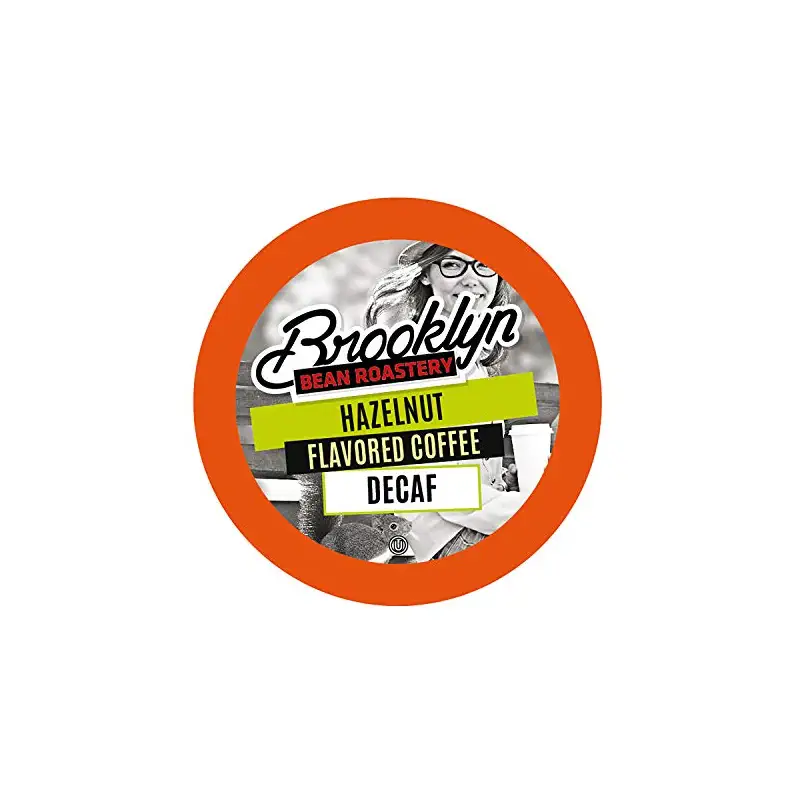
Brooklyn Beans hazelnut decaf pods deliver the convenience of single-serve brewing at a lower price point than Green Mountain's 96-count option. For buyers who want to try flavored decaf pods without committing to a year's supply, the 40-count format is a sensible entry. The flavor comes through rich and smooth without chemical edge: buyers often compare it favorably to New England Coffee's ground version, noting similar warmth and hazelnut presence.
Some owners report zero jitters from this decaf, which suggests the caffeine removal is thorough and the brew technique avoids over-extraction bitterness. The pods work in all Keurig machines including 2.0 models. One caveat: a small number of reviewers report the hazelnut note can be faint depending on brewing strength, which is why this sits a notch below Green Mountain in terms of flavor consistency, though it still earns strong marks overall. For enthusiasts exploring cold brewing options, the comparison between K-Cup convenience and top home nitro cold brew system flexibility highlights a real choice: pods brew instantly with zero equipment learning, while advanced cold-brew systems demand more setup but unlock different flavor profiles entirely.
Where Brooklyn Beans stands against Green Mountain K-Cups: this option costs less per pod and works fine for occasional afternoon brewing, but Green Mountain's 96-count box and higher review volume suggest tighter consistency. If you're a daily decaf pod drinker, the Green Mountain volume discount usually makes sense; if you're dipping your toes in, Brooklyn Beans offers a lower-stakes entry.
Pros
Smooth, nutty hazelnut flavor without chemical taste
40-count format easier to commit to than larger boxes
Compatible with all Keurig and 2.0 machines
Consistently positive reviews for flavor balance
Cons
Hazelnut strength can vary pod to pod
40-count means more frequent reordering than Green Mountain
Key features
40 K-Cup compatible pods, hazelnut decaf flavor
Freshly roasted, high-quality coffee in each pod
Works with Keurig and Keurig 2.0 brewers
Smooth, rich, aromatic coffee experience per brew
How to Choose Hazelnut Decaf Coffee
Four trade-offs that actually matter when matching a hazelnut decaf coffee to your kitchen.
Format: Ground, Whole Bean, or Pods
Your brewing method dictates format. Ground coffee brews immediately in drip machines or French presses: zero setup friction, perfect for busy mornings. Whole beans stay fresher longer and work across multiple brewing styles (drip, press, espresso), but require a grinder and five extra minutes. K-Cup pods suit single-serve Keurig brewers and demand no thought: just press a button. A decaf coffee brewing guide will walk you through extraction timing if you're switching formats; the same hazelnut coffee can taste thin or rich depending on brew duration. Choose pods if convenience wins; choose ground if speed matters; choose whole bean if you enjoy the ritual and own a burr grinder.
Decaffeination Method: Chemical vs. Water-Based
Most decaf uses chemical solvents to remove caffeine fast and efficiently. Swiss Water decaffeination relies on water and activated carbon instead, preserving more flavor compounds but costing slightly more. If you're on multiple medications or prefer avoiding solvents, Swiss Water is worth the small premium. Otherwise, modern chemical decaffeination is safe and produces excellent flavor: don't let processing fear drive your choice if taste and price matter more. Check the label or product description; most sellers highlight their method because it's a selling point.
Roast Level and Flavor Profile
Hazelnut decaf comes in light to medium roasts. Light roasts preserve delicate hazelnut notes and coffee brightness but taste thinner if extraction is rushed. Medium roasts build body and warmth, letting the hazelnut read as toasted nuttiness rather than sharp sweetness. Decaf loses some natural sweetness during removal, so medium roast often masks that gap better than light. If you prefer your coffee smooth and mellow, lean medium. If you want brightness and nuance, light roast paired with a proper brewing method (not rushed) works well.
Bag Size and Shelf Life
Ground coffee stays fresh 2-3 weeks after opening; whole beans last 4-6 weeks. Buy smaller bags if you're experimenting, larger bags if you've found a favorite and brew daily. Whole beans with nitrogen flushing can last a year sealed; ground coffee's shelf life is printed on the bag. K-Cup pods last 12 months sealed, though flavor can fade. The ground versus whole bean comparison shows how format affects freshness preservation: whole beans outpace ground by weeks because they've not yet oxidized from grinding. If price per ounce drives your decision, buy larger bags, but only if you'll finish them before the flavor flattens.
Hazelnut Intensity Preference
Hazelnut decaf flavor ranges from subtle (warm, toasted undertone) to bold (front-and-center nutty sweetness). Some brands lean natural and understated; others amplify the hazelnut to ensure it reads clearly in the cup. If you dislike overly sweet coffee, start with a brand that emphasizes 'smooth' and 'balanced' in reviews. If you want unmistakable hazelnut, look for words like 'rich' and 'bold' in buyer feedback. Understanding your sweetness threshold before ordering saves return hassles.
Frequently asked
Quick answers to the questions readers ask most.
Is decaf hazelnut coffee as flavorful as regular hazelnut coffee?
Modern decaffeination preserves 95-99% of flavor compounds, so yes: good decaf hazelnut tastes nearly identical to caffeinated versions from the same roaster. The gap shrinks further with Swiss Water or chemical methods that protect the roast's character. Poor decaf tastes thin because the roasting or extraction was weak, not because caffeine removal inherently strips flavor. Buy from established roasters and you'll notice minimal difference in the cup.
Why does some decaf hazelnut taste bitter or chemical?
Bitterness usually stems from over-extraction during brewing or old beans. Chemical decaffeination can leave residual solvent taste if the process wasn't thorough, though this is rare in major brands. If you notice a sharp or metallic finish, try brewing weaker (use less coffee or shorter brew time) or switch to Swiss Water decaf. One off bag doesn't mean the brand is bad; some batches oxidize or suffer storage issues.
Can I use a hazelnut decaf pod in a non-Keurig single-serve brewer?
Standard K-Cup pods work only in Keurig machines or Keurig-compatible brewers. Nespresso, Ninja, and other brands use proprietary capsule designs. Check your brewer's manual or look for multi-brand compatibility labels on the pod box. Some newer brewers accept K-Cups; most do not. If you own a non-Keurig single-serve, stick to ground coffee or buy pods engineered for your specific machine.
How long does hazelnut decaf stay fresh after opening?
Ground coffee peaks within 1-2 weeks of opening; use by week 3-4 for acceptable flavor. Whole beans last 4-6 weeks opened, longer if kept in an airtight container away from light and heat. K-Cup pods stay sealed until brewing, so they last their full shelf life. Store all formats in cool, dark cupboards or freezer in airtight containers to extend freshness. Don't refrigerate or leave on the counter next to heat sources.
What's the difference between hazelnut 'flavored' and hazelnut 'blend' coffee?
Hazelnut flavored means beans infused with hazelnut oils or essences after roasting. Hazelnut blend usually means the roaster mixed roasted hazelnut pieces or a small percentage of hazelnut-origin beans into the coffee. Both taste nutty; blends often read more subtle and natural, while flavored coffee can taste more pronounced or sweet. Check the label: reputable roasters clarify their method. Decaf options typically use flavoring oils since the process is simpler and more consistent.