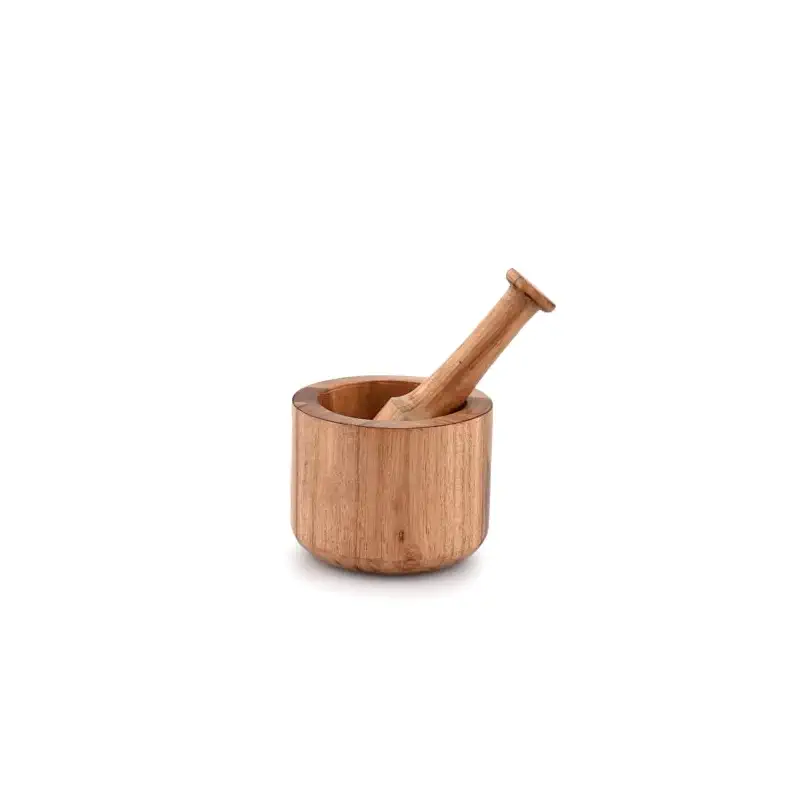
Ideal for: Home cooks grinding fresh herbs, spices, and pastes in daily cooking routines.
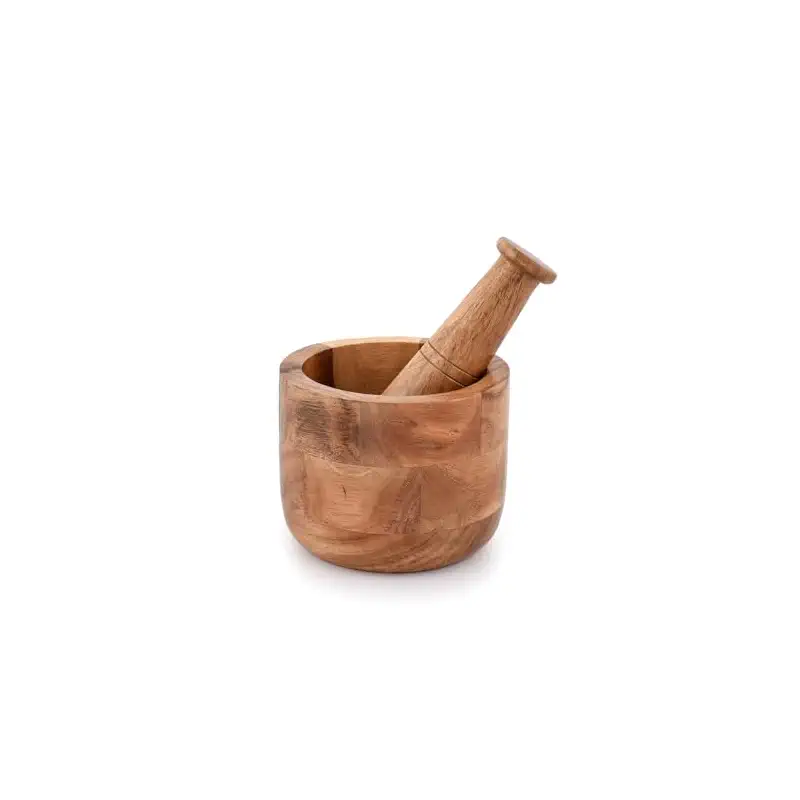
The Samhita acacia option is where I'd start for most home cooks. It's handcrafted, reasonably sized at 4 inches across, and buyers across multiple languages report it handles garlic, cilantro, ginger, and pepper with equal ease. The acacia wood is dense enough to resist the wear that comes with regular grinding, and owners consistently praise how sturdy it feels in hand. One standout review mentions using it to crush olives for a teaching moment with kids, which speaks to its real structural strength.
What makes this entry point strong is the straightforward care routine. You wipe it down with a damp cloth and towel dry, then occasionally rub in a bit of oil to keep the wood from drying out. That's it. No dishwasher guesswork, no mystery odors. The mortar's walls are high enough that herbs and spices don't scatter across the counter when you're working, a small detail that matters more than it sounds.
The trade-off is capacity. If you're grinding large batches for sauce-making or you have a bigger hand and grip, the slightly larger Samhita might feel limiting. And because acacia is a lighter wood than olive, it won't have quite the same visual impact sitting out on display, though buyers do say it looks nice.
Pros
Compact size fits small kitchens and drawer storage
Acacia resists cracking after months of regular use
Easy wipe-and-dry maintenance with occasional oiling
Cons
Smaller capacity limits batch sizes for sauces
Less striking visual appearance than olive wood options
Key features
4-inch mortar with 5.5-inch pestle, handcrafted acacia wood
High mortar walls prevent ingredients from escaping during grinding
Wipe-clean design with no dishwasher exposure needed
Acacia density resists wear from repeated spice crushing
#2 Pick
Best for Display
Naturally Med
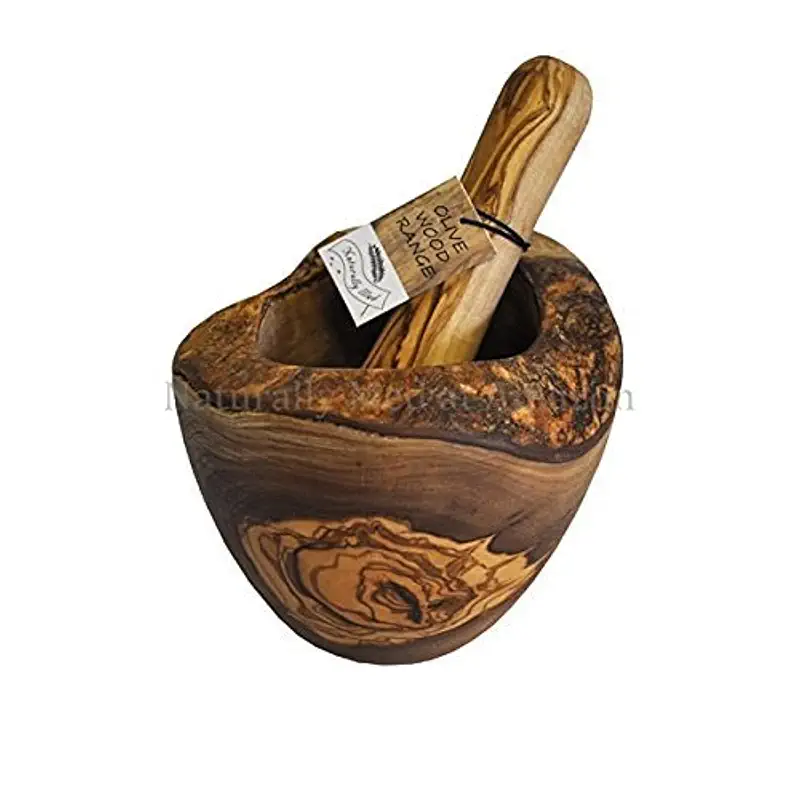
Naturally Med Olive Wood Rustic Mortar and Pestle
4.7(1,166)
Handmade Mediterranean olive wood with rustic charm and enough grinding power to handle curry pastes and whole spices.
Ideal for: Cooks who value both aesthetics and function, making pastes and grinding whole spices regularly.
If you want a mortar and pestle that earns its place on the counter even when you're not using it, olive wood is the visual answer. The Naturally Med version comes straight from Mediterranean artisans, and buyers consistently mention how beautiful it looks: the natural grain, the weight, the feel of something that could last generations. One reviewer with a small kitchen admitted she spent weeks just enjoying how it looked before she actually started grinding with it, then found it transformed her approach to whole spices.
The functional side holds up too. Olive wood is significantly harder and denser than acacia, so it brings real leverage to grinding. Reviewers making curry pastes and pesto report better results than they got from ceramic or marble sets, partly because the wood's density and the pestle's shape work together to crush rather than just pulverize. The weight feels substantial without being unwieldy, and the rustic finish inside the mortar creates enough texture that ingredients don't slip around while you're working.
One honest note: a few owners mentioned the interior edge could be slightly rough or a wood fiber might pop out. This is part of the handmade-from-natural-wood reality, not a defect. One buyer smoothed it with fine sandpaper, and that solved it. Compared to the Samhita options, which are more uniform, olive wood trades some manufacturing precision for character. The size is also slightly larger, around 4.7 inches in diameter, so it suits someone with counter space and serious grinding ambitions.
Pros
Olive wood density provides superior grinding leverage
Handmade Mediterranean craftsmanship looks intentional on display
Rustic interior texture grips ingredients and prevents slipping
Cons
Slightly higher cost than acacia alternatives
Handmade variation means occasional rough edges requiring light sanding
Key features
Mediterranean handcrafted olive wood with natural grain variation
4.7-inch diameter with rustic interior texture for grip
Olive wood density ideal for crushing pastes and whole spices
Substantial weight provides mechanical advantage during grinding
#3 Pick
Best Mid-Size Option
Samhita
Samhita Handmade Acacia Wood Mortar and Pestle Perfect for Grinder for Herbs, Garlic, Walnut Spices & Kitchen Essentials Usage
4.5(911)
Larger handmade acacia set with deeper bowl and longer pestle, balancing capacity with the durability acacia brings.
Ideal for: Home cooks who grind regularly and want more capacity than compact sets offer.
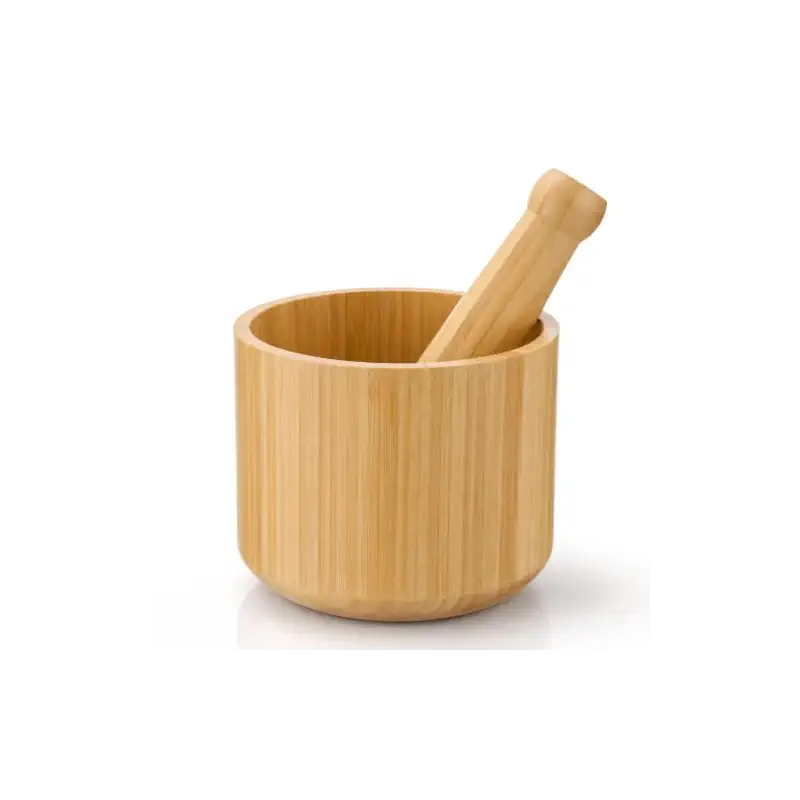
This Samhita variant steps up the scale: 5 inches across with a 4-inch depth and a 6.5-inch pestle that gives your hand more purchase. Buyers consistently call it gorgeous, and it sits nicely between compact and oversized. If you're grinding for a small family or making sauces where you need to work with more volume at once, the extra capacity makes a real difference without forcing you into mortar-and-pestle territory that's museum-sized.
The acacia wood here has the same durability advantage: dense enough to handle repeated grinding, resistant to the kind of splitting that can happen with softer woods after a season or two of regular use. One owner with arthritis in her hands noted that despite the larger size, it doesn't feel heavy, which mattered for her comfort during use. Another buyer bought the smaller version first, then ordered this one specifically because she could work faster and make bigger batches.
Where this differs from the Naturally Med olive wood option: acacia will require more frequent oiling to maintain its appearance over years, and it doesn't have olive wood's show-stopping grain pattern. But it costs less and performs identically for grinding. The care is the same: wipe and dry, occasional oil rub. One honest consideration is that some early reviews mention rough interior surfaces, though that's typical for handmade wood and easily addressed with fine sandpaper if it arrives unfinished.
Pros
5-inch bowl size handles larger batches than compact models
Longer pestle provides better leverage and control
Acacia durability with handcrafted character and appeal
Cons
Requires periodic oiling to maintain wood appearance long-term
Slightly rough interior surfaces may need light finishing before use
Key features
Mid-sized 5x5-inch mortar with 6.5-inch pestle, acacia wood
Deeper bowl allows working with larger ingredient batches
Handmade finish with decorative appeal for kitchen display
Acacia wood resists cracking from repeated grinding pressure
#4 Pick
Best for Batch Work
Thenshop
Thenshop Extra Large Wood Mortar and Pestle 7.87", Natural Wood | Spice Grinder for Herbs, Garlic, Pepper, Walnut Spices, Kitchen Essentials Usage, Housewarming Gift
5.0(1)
Extra-large wooden set for grinding bigger volumes of spices, seeds, or herbs in a single session without cramping.
Ideal for: Serious home cooks making spice blends and pastes in larger batches.
At nearly 8 inches across with a 25-centimeter pestle, this Thenshop model is the largest in the lineup. If you're the type who makes spice blends in volume, prepares multiple batches of ginger paste for the week, or simply prefers working with more ingredient at once, the generosity of space changes how the tool feels. One buyer specifically highlighted that the size allows you to pound and mix simultaneously, which acacia and olive wood options with tighter bowls don't really permit.
The solid wood construction and smooth interior surfaces are meant to release ground ingredients easily after use, which matters when you're working with larger quantities. The flat bottom keeps it stable on the counter during vigorous grinding, a detail that becomes more important as the mortar gets bigger. The sole review on this listing is enthusiastic about craftsmanship and durability after repeated use, though the single review count means less statistical weight than the other options in this lineup.
The trade-off is obvious: this takes up real counter space, and the extra size can feel unwieldy if you're making small pinches of ground pepper. This is the tool for someone with kitchen room to spare and serious grinding ambitions. If you're also exploring electric alternatives, a top grinder for flaxseed can handle seeds that require sustained grinding power, though a wooden mortar works fine for occasional seed work.
Pros
Extra-large capacity for grinding multiple servings at once
Ideal for: Budget-conscious cooks testing wooden mortar and pestle for daily herb and spice grinding.
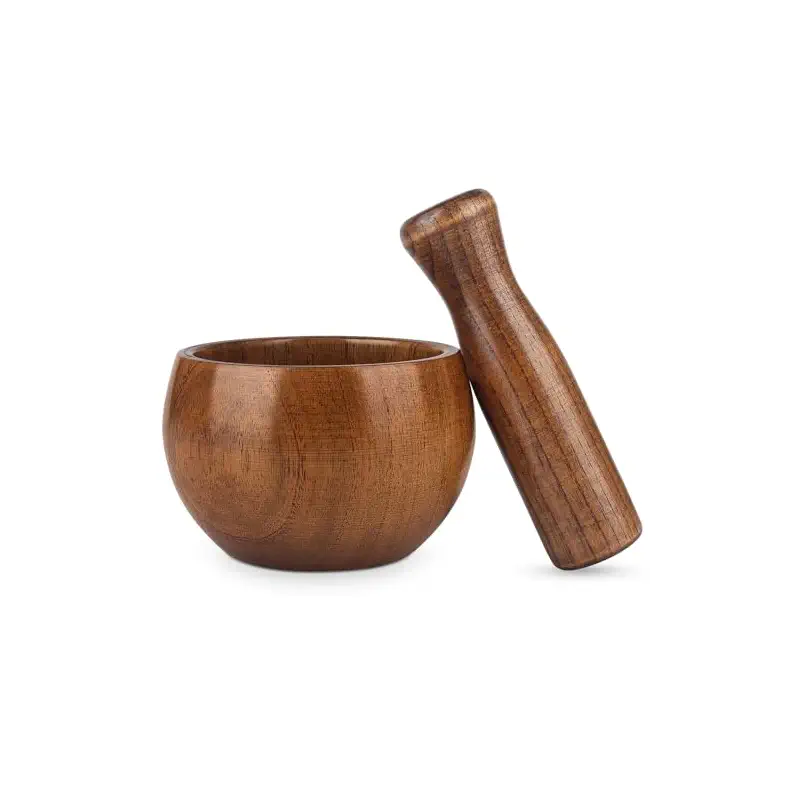
The Hisize entry hits the affordability sweet spot while keeping the acacia wood advantage intact. Buyers report it grinds fenugreek, fennel, and fresh herbs well, and the handmade polish gives it character without pretense. One long-term owner noted she's had it for years and still recommends it enthusiastically, which is real-world durability speaking louder than early reviews. The design is straightforward: acacia, manually polished, no frills, just a tool that works.
What stands out in the feedback is the emphasis on flavor. Buyers appreciate that manual grinding (as opposed to a blender or spice grinder) preserves the aromatic compounds in herbs and spices, and they notice the difference in their finished dishes. One reviewer specifically mentions the contrast between hand-grinding and relying on technology, finding the ritual satisfying on its own. Another uses it for guacamole and salsa, leveraging the acacia's ability to handle both dry and wet ingredients without leaving residual odors or flavors.
One honest detail: a few reviews mention it's on the smaller side, and if you're expecting large-capacity grinding, this will disappoint. Compared to the extra-large Thenshop model or even the mid-sized Samhita option, the Hisize trades volume for affordability and portability. It's adequate for daily herb and spice work, but won't shine if you're a batch-cooking enthusiast. The simple design and acacia durability make this a sensible entry point if you're not yet sure how much you'll actually use a mortar and pestle.
Pros
Affordable entry point without sacrificing acacia wood quality
Handmade polish creates unique visual character at lower cost
Multi-use design handles dry spices, wet pastes, and fresh herbs
Cons
Smaller capacity limits batch sizes and vigorous grinding sessions
Limited interior surface detail compared to larger handmade options
Key features
Hand-polished acacia wood with natural unique grain variation
Compact size ideal for daily herb and spice preparation
No lingering odor or flavor residue from acacia material
Simple maintenance: rinse, dry, occasional mineral oil application
How to Choose the Right Wood Mortar and Pestle
Four trade-offs that actually matter when matching a wood for mortar and pestle to your kitchen.
Wood Types: Acacia vs. Olive
Acacia and olive wood are the two workhorses here, and they serve different priorities. Acacia is denser, lighter in color, and extremely resistant to cracking and splitting, making it the workhorse choice for cooks who grind daily. It requires occasional oiling to stay supple, but it'll outlast most kitchen tools if you care for it. Olive wood is harder still, brings Mediterranean beauty to any counter, and has enough weight to crush tougher ingredients like whole seeds with less effort on your part. The trade-off: olive wood is handmade, so you get variation in grain and the occasional rough edge that needs light sanding. Understanding wood types durability comparison will help you anticipate long-term wear and maintenance needs, especially if you're grinding spices multiple times per week.
Size and Capacity
Compact sets (4-4.7 inches) suit small kitchens and daily single-spice grinding. Mid-size options (5 inches) add enough depth to handle small sauce batches or larger quantities of herbs without mess. Extra-large models (7.8+ inches) are for serious cooks who make spice blends in volume or prep multiple servings of paste at once. Your choice depends on how much counter space you have and how often you'll actually reach for it. A small set that gets used daily beats a large one that sits untouched because it's too bulky to bother with.
Grinding Power and Ingredient Fit
All wood mortars handle fresh herbs and soft spices without trouble. For harder ingredients like whole peppercorns, fennel seeds, or walnut pieces, you need density and weight. Olive wood has the mechanical advantage here because of its density. Acacia is close behind and still handles those tasks well. If you're primarily making salsa, guacamole, or fresh herb pastes, any acacia option will do the job. If you're serious about grinding whole spices into powder, olive wood or a mid-to-large acacia set gives you less fatigue and better results.
Maintenance Reality
Wood requires consistency, not complexity. Never put these in the dishwasher: the heat and moisture will split and warp the wood. Wipe with a damp cloth and dry immediately after use. Every two to four weeks, rub a light coat of food-safe mineral oil into the wood to keep it from drying out and cracking. Some buyers skip this step and still get years of use, but oiling extends life significantly. The wood mortar pestle care guide covers seasonal maintenance in detail, but the baseline rule is simple: hand wash, dry fast, oil occasionally.
Frequently asked
Quick answers to the questions readers ask most.
Will my wooden mortar and pestle crack or split if I use it regularly?
With proper care, no. Acacia and olive wood are dense enough to handle daily grinding without splitting if you avoid the dishwasher and keep the wood from drying out completely. Occasional oiling (every few weeks) prevents the kind of moisture loss that causes cracking. Most owners report their sets remain intact after years of regular use. The risk comes from temperature shock (hot dishwasher) or severe neglect, not from actual grinding work.
Can I use a wooden mortar and pestle for wet ingredients like garlic paste or guacamole?
Yes, though it's not the primary use. Acacia and olive wood can handle garlic paste, ginger, guacamole, and salsa without absorbing flavors or holding onto smells permanently. The key is washing immediately after use and not letting wet ingredients sit in the bowl. If odor does linger, rub the interior with a cut lemon or a bit of baking soda, then rinse and dry. Most buyers find acacia's natural properties resist odor retention better than softer woods.
How do I know if my mortar and pestle is handmade versus machine-made?
Handmade pieces show individual variation in grain, slight surface texture differences, and sometimes minor imperfections like slightly uneven edges or wood-grain depth shifts. Machine-made sets are more uniform and polished. Handmade doesn't automatically mean better, but it often means character and slight uniqueness. Most acacia options in this lineup are handmade or hand-finished, while olive wood mortars are almost always artisanal. Check the product description and photos: they'll clarify the manufacturing method.
What's the best way to season a new wooden mortar and pestle before first use?
Before grinding food, rub the interior and exterior with food-safe mineral oil and let it soak for 24 hours, then wipe away excess. This preps the wood and reveals its final color and grain. Some buyers prefer to grind a small handful of rice or salt first to smooth any tiny splinters, then discard. After that first oiling, a light rub every few weeks keeps the wood supple and prevents cracking over time.
Can I use my wooden mortar and pestle to grind spices like flax seed or coffee beans?
Dry spices, seeds, and beans are ideal. Wood doesn't get hot during grinding the way metal grinders do, so volatile oils in spices stay intact, which is why many cooks prefer hand-grinding for flavor. Flax seeds, peppercorns, fennel, cumin, and coffee beans all work well. If you're considering a mortar and pestle alongside other grinding tools, the grinder for flaxseed can help you decide whether a dedicated electric model or a mortar-and-pestle-only approach makes sense for your kitchen.