Find the best vintage kitchen knives for everyday cooking. Compare handcrafted blades, carbon steel options, and knife sets with expert reviews and buyer feedback.
Ideal for: Travelers, campers, and home cooks seeking a portable five-piece set with vintage aesthetics.
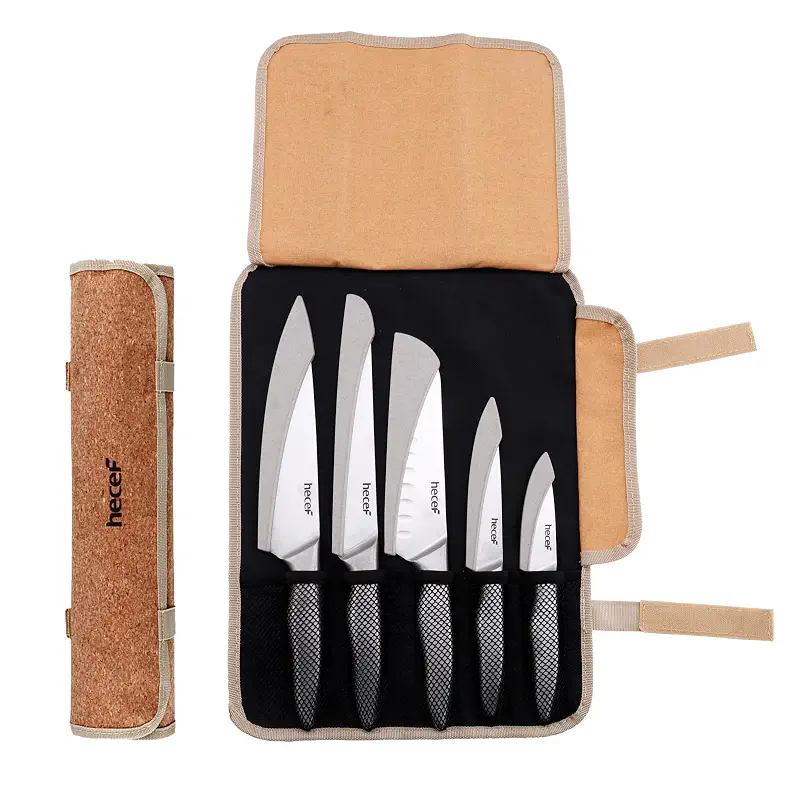
The hecef vintage-style set hits a sweet spot for cooks who want a complete lineup without overcommitting to a single brand or spending heavily upfront. You get five distinct knife profiles: 8" chef, 8" bread, 7" Santoku, 5" utility, and 3.5" paring: each with a stonewashed high-carbon stainless blade that looks authentically worn while resisting rust better than true carbon steel. The hollow handles keep weight down, which matters if you're packing these into a camping trailer or carrying them to a rental kitchen. Buyers consistently praise the sharpness out of the box and the quality of the included roll bag with blade covers; several outdoor enthusiasts report they've replaced it as their go-to travel set after one trip.
The main trade-off is that this is not a heirloom-grade tool. The stonewashed finish will pick up micro-scratches as you use it, but that's the whole design: those marks become part of the vintage patina rather than looking like damage. If you demand a pristine mirror polish or crave the feel of a full-tang blade (one solid piece of steel from tip to handle), you'll want to step up to something like the Lamson. For weekend cooks, travelers, and anyone who values versatility and portability over absolute prestige, this set punches well above its relative investment.
Hand-washing is non-negotiable, and you'll want to keep a sharpener nearby if you plan to use these regularly. But owners report six-month edge retention with moderate use, and the sharpening steel itself is forgiving: you can touch it up on a basic whetstone without professional equipment.
Pros
Complete five-piece set with protective roll bag and blade covers
Stonewashed finish resists scratches and masks patina beautifully
Lightweight hollow handles reduce fatigue during extended use
Stays sharp for months with basic maintenance
Cons
Hollow construction lacks full-tang durability for heavy-duty butchering
Requires hand-washing and careful drying to prevent corrosion
Key features
Eight-piece kit: chef, bread, Santoku, utility, paring knives plus roll bag
High-carbon stainless steel blades with taper-ground edges
Stonewashed finish that resists scratches and develops authentic patina
Oxford cloth carrying case with padded slots and velcro closure
#2 Pick
Best Budget Pick
NEW
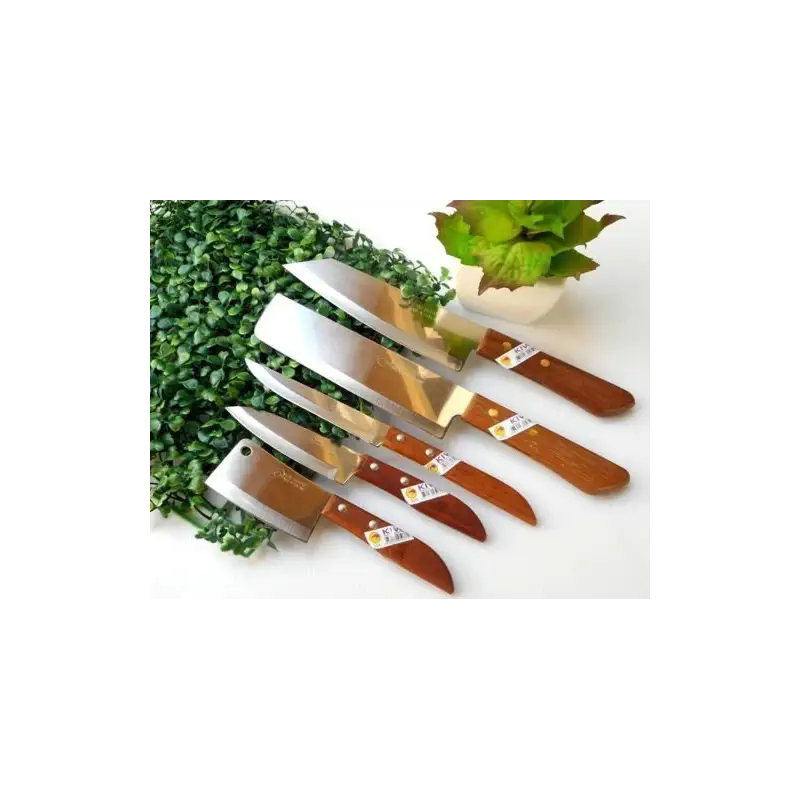
SET 5 CHEF KNIFE KITCHEN KNIVES STAINLESS STEEL VINTAGE CUTLERY KIWI BLADE SHARP
4.4(35)
Razor-sharp, sharpenable Kiwi brand blades in mixed sizes: no frills, maximum value for daily use or backup knives.
Ideal for: Budget-conscious cooks, students, and travelers who want functional blades without premium pricing.
Kiwi knives occupy a unique niche: they're not designer tools or investment pieces, but they're genuinely sharp, take an edge well, and cost almost nothing. This five-piece set includes three full-size blades plus two smaller specialty knives, each one made from stainless steel that's softer and thinner than premium alternatives: which is actually a strength in this price tier. Softer steel is easier to sharpen by hand and doesn't require fancy equipment; a basic whetstone or honing steel will bring these back to razor-sharp in minutes.
Compared to the Ontario Old Hickory (which demands carbon-steel discipline and hours of initial sharpening), the Kiwi set is immediately usable and forgiving. You don't have to baby them. Owners report solid performance on vegetables, proteins, and cheese, and several note they've kept one in rotation for over a year of frequent use. One reviewer mentioned the edge lasted six months at five-days-a-week use before needing attention: respectable longevity for the price.
The catch: build quality is modest. The blades are thin and lightweight, which some cooks appreciate and others find insubstantial. If you're used to the heft and authority of a Lamson or Wusthof, these will feel like toy knives at first. They're also very sharp out of the box (several buyers warn to be cautious), and one reviewer noted surprise at the size range: one blade is quite small. This is a set where you get what you pay for, but what you get is functional sharpness and the peace of mind that replacing a blade doesn't cost much if it gets damaged.
Pros
Exceptionally sharp and easy to resharpen with basic whetstones
Low cost means less anxiety about damage or loss
Lightweight and thin blades suit slicing tasks and fine work
Hand-sharpened edge can last six months with moderate use
Cons
Thin, lightweight blades feel insubstantial compared to premium knives
Mixed size range includes one very small blade most cooks rarely use
Key features
Five Kiwi-brand stainless steel blades in various sizes
Razor-sharp edges that respond well to hand-sharpening
Lightweight thin blades ideal for slicing and precision work
Minimal maintenance; no special care or equipment required
Ideal for: Serious home cooks and kitchen enthusiasts who want one exceptional chef knife for daily use.
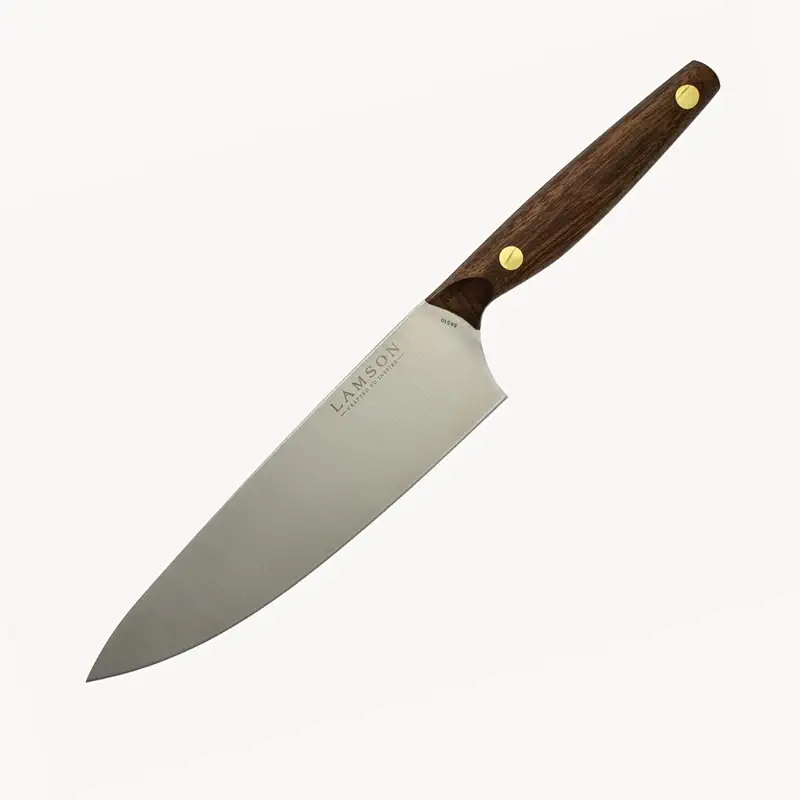
The Lamson vintage chef knife sits at the opposite end of the value spectrum from Kiwi, and it's worth every dollar if you want a single, serious blade that'll outlast you. Made in the USA by a company that's been forging knives since before most kitchen gadgets existed, this 8" chef knife brings real weight, balance, and an aesthetic that actually improves with age. The hi-carbon stainless steel is substantially thicker and harder than entry-level blades; combined with the double-riveted walnut handle and full bolster, you're holding something that feels like an heirloom tool.
Buyers consistently call out the exceptional sharpness, comfort, and balance. One experienced home cook with commercial kitchen background praised the craftsmanship and finish as superior to Wusthof. Another noted it's heavy enough to do most of the work for you during rocking-motion chopping, and that weight, while it takes adjustment, becomes an asset once you're comfortable with it. The walnut handle looks beautiful, feels warm in hand (unlike plastic), and shows character after years of use.
Where the Lamson diverges from the hecef set is in its single-blade focus and maintenance mindset. You're not buying a camping kit; you're buying one exceptional chef knife that demands hand-washing and proper care. It's also front-heavy compared to some balanced designs, which some cooks love and others find tiring. If you already own a full set and want to upgrade your primary blade, or if you're willing to invest in one premium knife rather than five mediocre ones, this is your pick. It's American-made in an era when that increasingly carries both practical and philosophical weight.
Pros
USA-manufactured with hi-carbon stainless steel and excellent balance
Walnut handle and full bolster provide durability and timeless aesthetics
Exceptional sharpness and edge retention praised by experienced cooks
Substantial weight assists chopping and minimizes user fatigue
Cons
Front-heavy design takes adjustment; not ideal for all hand sizes or techniques
Premium investment requires hand-washing and proper storage discipline
Key features
Eight-inch blade forged from USA hi-carbon stainless steel
Walnut hardwood handle with double-riveted construction
Full tapered bolster for balance and easier honing
Razor-sharp from factory; excellent edge retention and longevity
#4 Pick
Best Carbon Steel Option
Ontario Knife Company
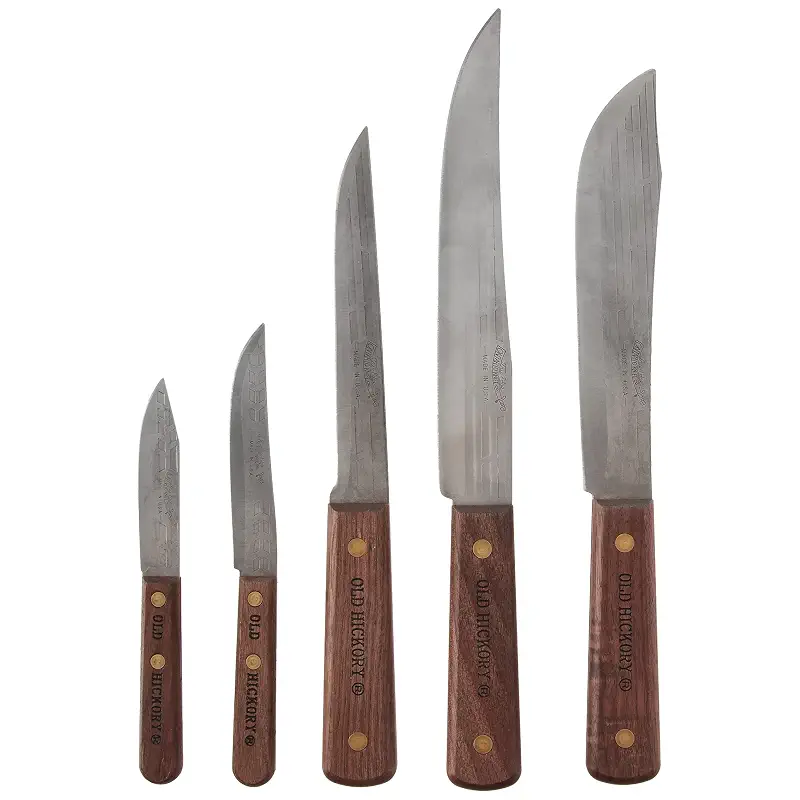
Ontario Knife Co. 5-Piece Old Hickory Knife Set 705
4.3(1,442)
Five-piece Old Hickory set in hard 1095 carbon steel: professional-grade edge retention for cooks willing to hand-sharpen and maintain carefully.
Ideal for: Experienced home cooks and kitchen enthusiasts comfortable hand-sharpening and maintaining carbon steel.
Old Hickory knives are legend among chefs who understand carbon steel. This five-piece set (8" slicing, 7" butcher, 6" boning, two paring knives) uses fully hardened 1095 steel: harder and thinner than stainless, capable of taking and holding a genuinely sharp edge that won't dull as quickly as softer alternatives. The hardwood handles and brass rivets echo vintage kitchen aesthetics and durability. Where the hecef set prioritizes convenience, Old Hickory demands respect and maintenance.
One expert reviewer with 25+ years of sharpening experience reported that Ontario's factory edges arrive fairly dull, requiring serious sharpening work upfront. After that investment, though, the knives become razor-sharp and maintain edge better than most stainless alternatives. The same owner reported nine years of regular use and still considers them fantastic. This is the trade-off: initial effort and ongoing hand care yield superior cutting performance and longevity that approaches heirloom status.
The critical caveat is rust. Carbon steel will develop a dark patina with use (which some find beautiful), but neglecting hand-washing and immediate drying invites corrosion. If you throw these in a dishwasher or leave them wet, you'll regret it. Compared to the Yatoshi professional set (which offers stainless, more knives, and a wood block), Old Hickory demands a different philosophy: you're buying into a tradition of kitchen craft, not kitchen convenience. For home cooks who sharpen their own tools and understand steel, this set is unbeatable value. For anyone unsure about carbon-steel maintenance, the hecef or Yatoshi would be safer choices.
Pros
Hard 1095 carbon steel holds razor edge longer than typical stainless
Five diverse blade profiles cover most prep work and butchery
Full-tang construction on larger blades provides durability
Legend-status brand with proven multi-decade longevity
Cons
Arrives dull; requires hours of hand-sharpening to reach usable condition
Carbon steel rusts quickly if not hand-washed and dried immediately
Key features
Five-piece set with 1095 carbon steel blades forged and tempered in USA
Hardwood handles with brass compression rivets for authentic vintage look
Full-tang on butcher, slicing, and boning knives for heavy-duty work
Superior edge retention after proper sharpening; sharpenable by hand
#5 Pick
Most Versatile Professional Set
Yatoshi Knives
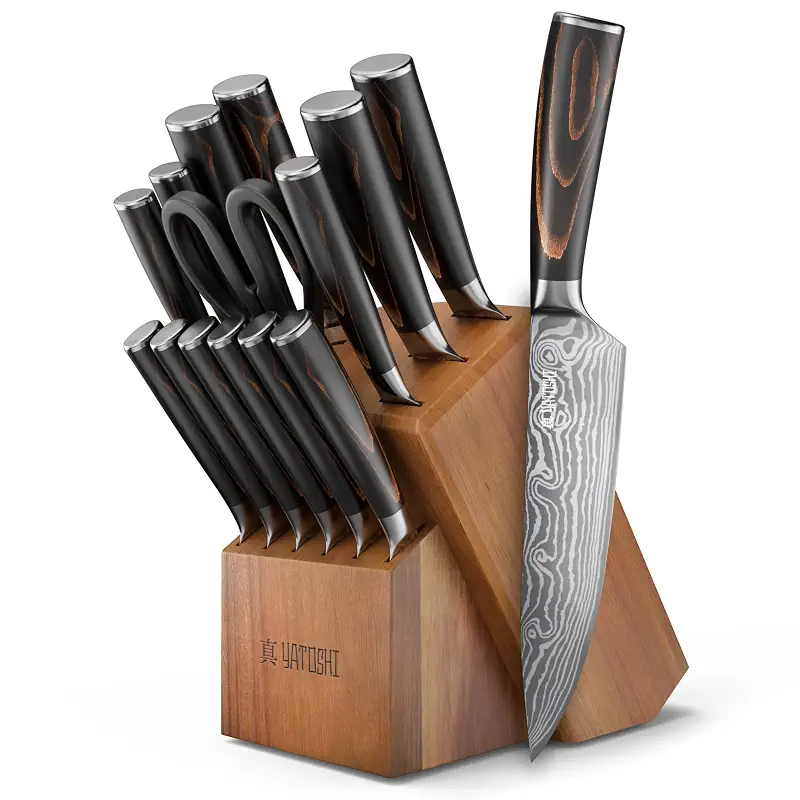
Yatoshi Professional Kitchen Knife Set, 15 Pieces, High Carbon Stainless Steel, Ergonomic Handle
4.4(1,463)
Fifteen-piece set with high-carbon stainless, ergonomic handles, wood block, and scissors: complete kitchen lineup in one purchase.
Ideal for: Home cooks seeking a complete multipurpose set with wood block storage and minimal maintenance compared to carbon steel.
The Yatoshi set is the maximalist answer to the hecef kit. Instead of five blades, you get fifteen pieces: 8" chef, 8" bread, 7" Santoku, 8" slicing, 5" Santoku, 5" utility, 3.5" paring, six steak knives, scissors, and an acacia wood block. If you're buying once and want coverage for every task from carving meat to fine brunoise, this eliminates the need to hunt for specialty blades later. The 7Cr17 high-carbon stainless steel is softer than 1095 carbon (easier to sharpen, rust-resistant) but harder and holds edge longer than basic stainless.
Buyers consistently report sharp-out-of-box performance, comfortable ergonomic handles, and a beautiful presentation. The acacia wood block with deep slots protects edges and looks premium on the counter. The waved blade pattern is aesthetic, though one reviewer notes it's printed on rather than forged. Customer service stands out: one owner reported a broken knife was replaced at no cost within days. Where this set diverges from Old Hickory is in its philosophy: convenience and completeness over maintenance burden. You get a sharpener's dream (stainless high-carbon) without the rust anxiety.
The significant caveat is durability. Multiple buyers reported rust after light use and proper care, despite the marketing as stainless. This suggests batch inconsistency or quality control issues that hand-washed blade care alone doesn't prevent. If you're drawn to the completeness and ergonomics, factor in that you may need to dry these more aggressively and store them in a low-humidity environment. Compared to the Lamson's focused excellence, Yatoshi bets on breadth, and the rust reports are a real concern worth monitoring before committing.
Pros
Fifteen pieces cover every kitchen task from carving to fine prep work
7Cr17 high-carbon stainless balances sharpness with rust resistance
Ergonomic Pakkawood handles and sloped bolster encourage proper technique
Acacia wood block with non-slip base included; looks attractive on display
Cons
Reports of rust on stainless blades after minimal use and proper care suggest quality inconsistency
Waved blade pattern is printed decoration rather than forged design
Key features
Fifteen-piece set including chef, bread, Santoku, slicing, utility, paring, and steak knives
7Cr17 high-carbon stainless steel with 57-58 Rockwell hardness
Ergonomic Pakkawood handles with sloped bolster for proper grip training
Acacia wood block with deep protective slots and non-slip rubber feet
How to Choose Vintage Kitchen Knives
Four trade-offs that actually matter when matching a vintage kitchen knives to your kitchen.
Understand Your Steel Type
The foundational choice is carbon versus stainless. Carbon steel (like the Old Hickory's 1095) gets sharper and holds edge longer, but requires hand-washing, immediate drying, and accepts rust as part of its character. Stainless or high-carbon stainless (like Lamson or Yatoshi) forgives neglect and works for cooks who want low maintenance. Understanding the vintage knife material guide helps you weigh the trade-off: carbon demands discipline but rewards sharp cooking; stainless offers convenience but may not achieve the same edge. There's no wrong choice: only the right choice for your lifestyle and how often you're willing to sharpen.
Match the Set Size to Your Space and Habits
Five-piece sets (hecef, Kiwi, Old Hickory) cover everyday cooking without overwhelming a kitchen or travel bag. Fifteen-piece sets (Yatoshi) suit cooks who prepare elaborate meals regularly and want specialty blades ready. Single-knife purchases (Lamson) work if you already own supporting blades or if you're upgrading one workhorse tool. Consider your actual counter space: a wood block takes room; a roll bag or magnetic strip is compact. Think about your cooking frequency, too. Weekend cooks benefit from sets; daily cooks might invest in one exceptional blade and rotate beaters.
Evaluate Handle Comfort and Balance
Vintage-style knives vary widely in handle material and feel. Walnut (Lamson) feels warm and ages beautifully but requires occasional oiling. Stainless steel hollow handles (hecef) are lightweight and easy to clean but may feel cold or slippery when wet. Pakkawood or ergonomic molded handles (Yatoshi) provide grip without maintenance. Balance matters too: front-heavy blades (Lamson) do chopping work for you; lighter, more balanced designs (hecef) suit slicing and fine work. Hold a knife in person if possible; if buying online, read reviews about handle comfort for your hand size, and don't underestimate weight preference: some cooks love heft, others find it exhausting.
Plan for Maintenance and Sharpening
Stainless knives need basic hand-washing and drying but can go months between sharpening. Carbon steel demands immediate drying after every use and regular (weekly or biweekly) maintenance with a honing steel. If you're new to sharpening, choose stainless or high-carbon stainless; they forgive imperfect technique. If you're committed to hand-sharpening, carbon steel rewards the effort with unmatched edge. Budget for a quality whetstone or honing steel: a fifteen-dollar stone outlasts fancy electric sharpeners. And be honest: if you hate maintenance, don't buy Old Hickory, no matter how legendary it is.
Frequently asked
Quick answers to the questions readers ask most.
What's the difference between vintage knives and reproduction vintage-style knives?
True vintage knives are original 1950s-1970s blades, often harder to find and requiring restoration. Reproduction vintage-style knives use modern materials (hi-carbon stainless, for example) designed to look and feel vintage through aesthetics like stonewashed finishes or hardwood handles. Most buyers today opt for vintage-style because they combine character with reliability and availability. Both can be excellent; vintage-style just removes the guesswork about hidden rust or damage.
Can I put vintage kitchen knives in the dishwasher?
Not recommended, especially for carbon steel or knives with hardwood handles. The heat and moisture accelerate rust on carbon, weaken handle adhesives, and dull edges from contact with other items. Stainless high-carbon knives tolerate brief dishwasher cycles better but still benefit from hand-washing and immediate drying. For any vintage-style set, hand-wash in warm soapy water, dry immediately with a soft cloth, and store in a block or on a magnetic strip.
How often do I need to sharpen vintage kitchen knives?
It depends on steel type and use. Stainless high-carbon (like Yatoshi or Lamson) can go four to six months with three-day-a-week cooking before needing sharpening. Carbon steel (Old Hickory) may need weekly honing and monthly sharpening to maintain that legendary edge. All knives benefit from regular honing with a honing steel between sharpening sessions, honing realigns the edge, while sharpening removes metal to create a new edge. Many owners report six-month edge retention if they're regular users who respect the steel.
Are full-tang knives better than hollow-handle or partial-tang knives?
Full-tang (one solid piece of steel from tip to handle) is stronger and better for heavy-duty butchery or rough use. Partial-tang or hollow-handle knives are lighter, cheaper, and excellent for everyday slicing and prep work. For camping, travel, or general home cooking, you won't notice the difference. Full-tang matters if you're processing whole animals or doing aggressive chopping for hours. Most home cooks never need it, so don't let full-tang claims drive your choice if other factors (weight, price, sharpness) serve you better.
What makes a vintage knife look aged without actually being old?
Stonewashing (an acid-and-abrasive process that creates a matte, scratched appearance) is the most common technique. Patina from genuine carbon-steel use also creates dark, aged look. Some brands use hand-hammering or forging marks to mimic old-school manufacturing. These finishes serve double duty: they look authentic and they mask wear and minor scratches, so vintage-style knives look elegant whether they're two days old or two years in use. It's aesthetic choice, not a durability feature.