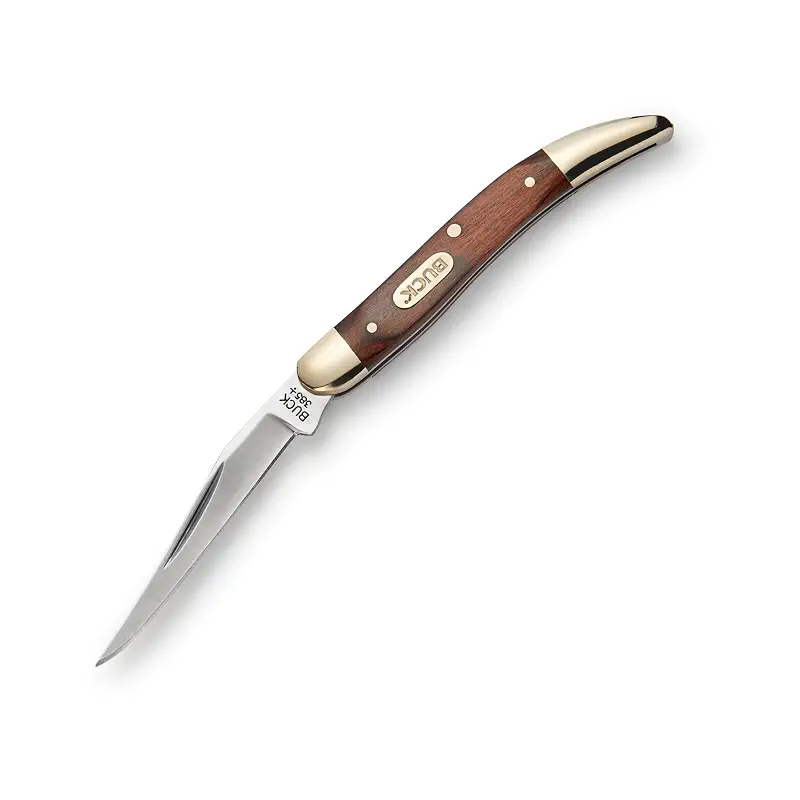
Ideal for: Daily carry users seeking balance of portability, sharpness, and heritage American knife quality.
The Buck 385 Toothpick sits at the intersection of tradition and practicality. Buck has been manufacturing pocket knives since 1902, and that manufacturing heritage shows in how this knife feels in hand and how it performs on everyday tasks. The stainless steel holds an edge longer than you'd expect at this price point, and the modified clip design is genuinely useful for detail work and tight spaces.
What strikes me most is the weight. At 0.8 ounces and 3 inches closed, this knife vanishes in a pocket without that constant awareness of carrying something. Buyers report it stays put during sitting, driving, and restaurant visits, which matters if you're doing true everyday carry rather than occasional use. The woodgrain handle with nickel silver bolsters gives it a classic aesthetic that works in professional or casual settings.
The main caveat: this model is made in China (though Buck also manufactures higher-end knives domestically), and the steel, while corrosion-resistant, isn't as hard as premium options. If you're cutting through tougher materials regularly, you'll need to sharpen more often. For daily opening, slicing, and detail work, though, the edge retention is solid. The Forever Warranty covers manufacturer defects, which adds confidence to the purchase.
Pros
Ultra-compact at 0.8 oz with zero pocket bulge
Sharp blade holds edge well for typical tasks
Lifetime warranty backs all Buck knives
Cons
Made in China, not USA domestic manufacturing
steel requires more frequent sharpening than premium alloys
Key features
2.25-inch modified clip blade in stainless steel
Woodgrain handle with nickel silver bolsters, slipjoint design
3 inches closed, weighs less than a penny
Buck Forever Warranty covers manufacturing defects for life
#2 Pick
Best Made in USA
Case
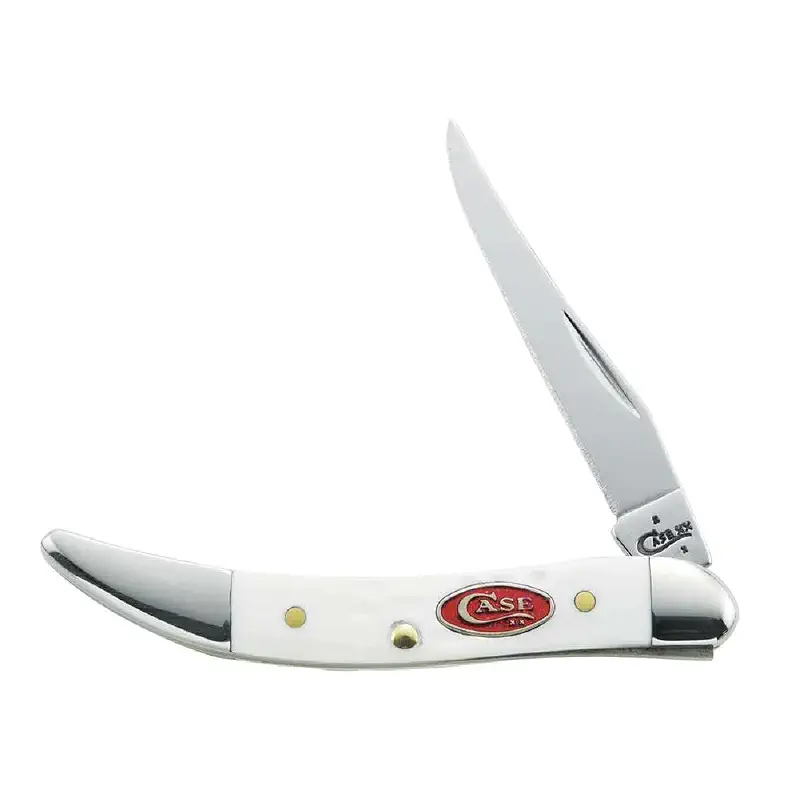
Case Small White Texas Toothpick Pocket Knife
4.8(515)
American-made Case knife with sharp Tru-Sharp steel, white synthetic handle, and genuine manufacturing quality.
Ideal for: Buyers prioritizing USA manufacturing, lasting edge retention, and proven long-term durability.
Case manufactures in Bradford, Pennsylvania, which means this knife is built in the USA from domestic and imported materials. For buyers who prioritize origin and want to know exactly where their tool is made, the Case Small Texas Toothpick delivers that assurance along with real edge retention. The Tru-Sharp stainless steel is a high-carbon formulation designed to hold an edge longer than conventional steel while resisting corrosion.
Buyers consistently praise the blade centering and lack of blade play. The white synthetic handle with the red shield is more durable than wood, and the jigged texture provides grip even if your hands are wet or oily. Several owners report using this knife for two decades or longer without failure, which speaks to Case's manufacturing standards. One firefighter owner noted that this exact knife model cut seatbelts for emergency rescues, showing it handles real-world demands beyond novelty use.
Compared to the Buck 385 Toothpick, the Case trades some lightweight portability for stronger edge retention and USA manufacturing credentials. The synthetic handle is tougher than wood but slightly bulkier in the pocket. If you want a knife that will hold an edge through daily work without constant sharpening, this is the stronger choice. For specialized kitchen blades with a similar precision aesthetic, some cooks compare the toothpick profile to the best kiritsuke knife, though the category and use cases differ significantly.
Pros
Manufactured in Bradford, PA with high-carbon Tru-Sharp steel
Blade centering and zero blade play reported consistently
White synthetic handle withstands repeated use and outdoor conditions
Cons
Synthetic handle less aesthetically refined than classic wood
Slightly bulkier in pocket compared to ultra-compact alternatives
Key features
Long clip blade in Tru-Sharp high-carbon stainless steel
White jigged synthetic handle with red Case shield
3 inches closed, approximately 1.0 ounce
Made in USA, Limited Lifetime Warranty
#3 Pick
Best Collector's Pick
Case
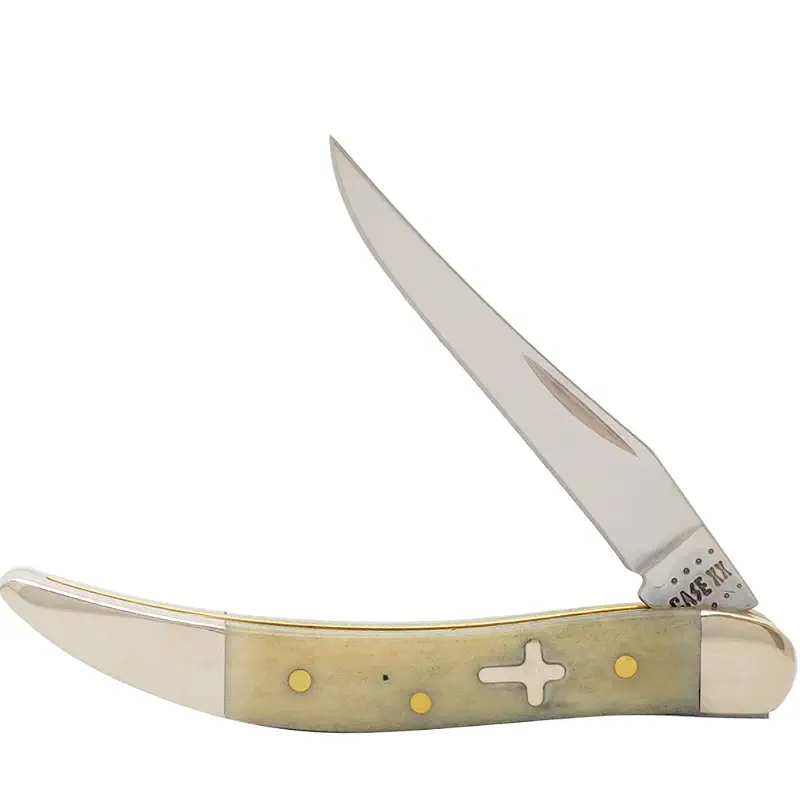
Case XX WR Pocket Knife Small Texas Toothpick Cross Shield Natural Bone Item #26193 (610096 SS) 3" Inches Closed
4.9(34)
Premium Case model with natural bone handle and American manufacturing, ideal for groomsmen gifts and collection.
Ideal for: Collectors, gift-givers, and users seeking refined bone-handled aesthetics without sacrificing function.
The Case XX WR Small Texas Toothpick steps into collector territory while maintaining everyday function. Natural bone handle scales elevate this knife visually compared to the white synthetic version, and it carries that heirloom quality that makes it suitable for milestone gifts (groomsmen sets, graduations, yearly collection additions). The long clip blade and cross shield branding are unmistakable Case hallmarks.
Buyers mention using this knife for dress slacks and formal occasions where a purely utilitarian aesthetic might clash. The lightweight design and authentic Case manufacturing mean it's not just cosmetic. Where this differs from the Case Small White Texas Toothpick is primarily the handle material: bone feels and looks more refined, which justifies the higher cost for owners who value knife aesthetics as much as function.
The trade-off is availability and price. With only 34 reviews compared to hundreds for competitor models, stock can be spotty. If the natural bone handle appeals to you and you're buying this as a collectible or special-occasion piece, that's the right frame of mind. If you need a knife for heavy rotation and occasional replacement, the white synthetic Case or the Buck 385 makes more practical sense.
Pros
Natural bone handle with cross shield adds heirloom quality
Same robust American manufacturing as other Case models
Perfect size and weight for formal dress carry
Cons
Limited availability and potentially higher price point
Bone handle less durable than synthetic if subjected to harsh abuse
Key features
Long clip blade, cross shield branding
Natural bone handle scales, American-made in Bradford, PA
Ideal for: Historical knife enthusiasts, collectors, and users seeking a fixed-blade display piece or outdoor dagger.
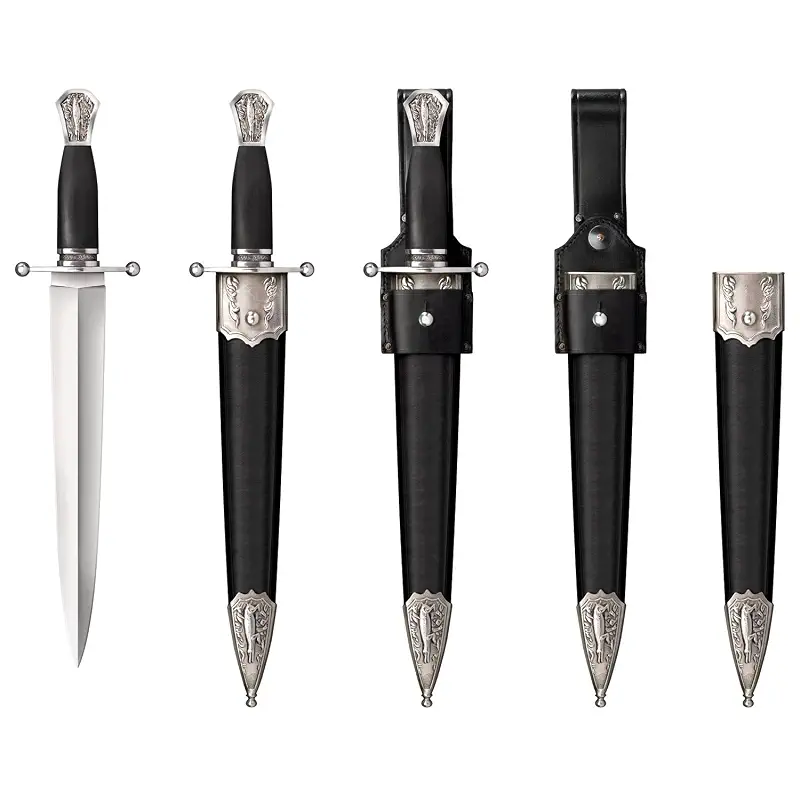
This isn't a pocket knife. Cold Steel's Arkansas Toothpick is a fixed-blade dagger inspired by the 1830s–1860s originals that competed with Bowie knives on the frontier. Double-edged, sharp to a point, with a heavy pommel and guard, it's a historical statement piece as much as a functional tool. If you're comparing this to pocket knives like the Buck or Case, you're choosing a different category entirely.
The appeal for some buyers is exactly that: this is a weapon-grade piece, not a utility blade. Reviews note it comes razor-sharp out of the box, heavy enough to feel substantial (not cheap), and visually striking with contrasting materials and engravings. The sheath is included and functional, though one reviewer noted the internal keepers can scratch the blade during repeated draws. For display or occasional use, that's acceptable. For daily sheath work, it's a limitation.
Where the Arkansas Toothpick diverges from the toothpick knife versus pocket knife comparison is scale and intent. It's larger, heavier, requires a sheath or belt clip rather than pocket carry, and demands different legal consideration depending on your location. If you want something that actually fits in a pocket and disappears from notice, skip this and stick with the Buck, Case, or SZCO options.
Pros
Double-edged blade with sharp acute point, factory razor edge
Heavy pommel and guard design offers striking surface and retention
Visually striking contrasting colors and engravings
Cons
Fixed blade requires sheath carry, not pocket-discreet
Sheath keepers can scratch blade during repeated draws and retention
Key features
Double-edged blade with acute point, inspired by 1830s–1860s design
Heavy pommel and quillon guard for striking and retention
Includes sheath with ambidextrous pocket/belt clip
Functional dagger rather than everyday pocket utility knife
#5 Pick
Best Budget Option
SZCO
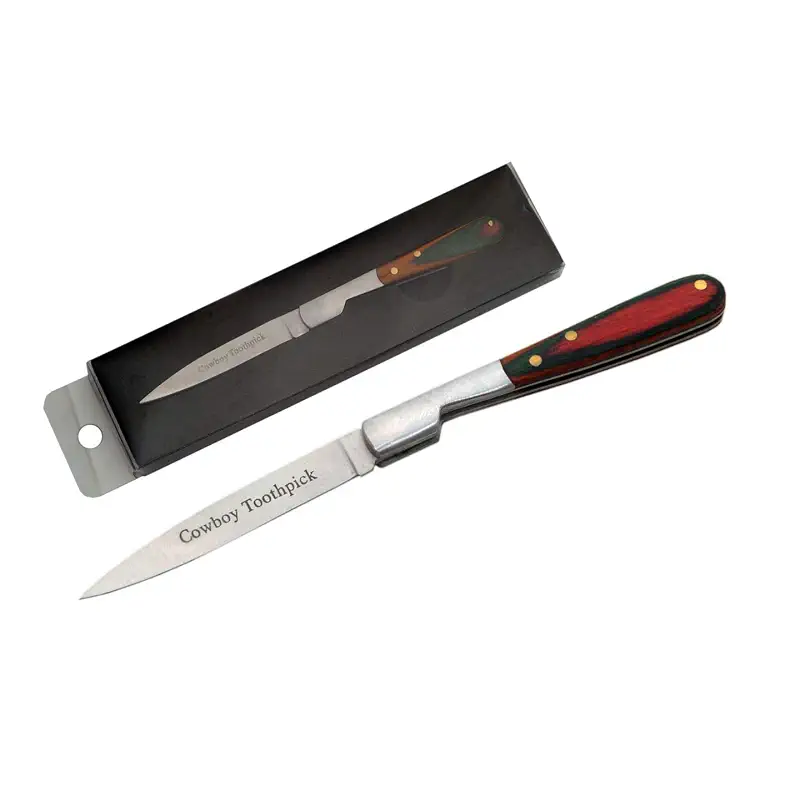
SZCO Supplies 212071-CB Cowboy Toothpick Knife
4.4(801)
Affordable stainless steel blade with Pakkawood handle, true pocket-sized and surprisingly sharp for the price.
Ideal for: Budget buyers, first-time EDC users, and those wanting multiple carry knives for different pockets.
At under $7, the SZCO Supplies Cowboy Toothpick undercuts every other option here by an order of magnitude. The question isn't whether it's as good as a $50+ Buck or Case; it's whether it's good enough for the asking price. The answer for most buyers is yes. The blade is stainless steel, comes from the factory sharp enough to cut cleanly, and the Pakkawood handle (a resin-impregnated wood composite) is riveted securely with no play.
One reviewer tested edge retention by intentionally dulling the blade with cardboard cuts, then stropping it back to sharpness six times. It held its edge through the same cutting tasks each time, which suggests the steel, while not premium, is serviceable for daily carry and light work. The small size (2.75 inches closed) and lightweight construction mean this knife literally vanishes in a pocket: some owners keep one in a car visor, another in jeans coin pockets.
The trade-offs are obvious. Stainless steel at this price doesn't have the edge retention or corrosion resistance of or Tru-Sharp alloys. The "Cowboy Toothpick" laser engraving on the blade is functional but cheesy-looking to some. And at this price, there's no warranty to speak of. That said, for someone testing whether they actually use a pocket knife or want a beater blade for situations where losing the knife wouldn't hurt, this SZCO model removes purchase guilt entirely.
Pros
Stainless steel blade comes factory sharp from the box
Compact at 2.75 inches closed with almost no pocket presence
Riveted Pakkawood handle secure with consistent blade centering
Cons
Stainless steel requires frequent sharpening compared to premium alloys
No warranty coverage; treat as disposable or test blade
Pakkawood handle with riveted scales and finger slot
Weighs ounces, fits coin pocket or visor carry
Ships in clam shell packaging, ready for gift or collection
How to Choose a Toothpick Knife
Four trade-offs that actually matter when matching a toothpick knife to your kitchen.
Pocket Knife vs. Fixed Blade
The toothpick knife versus pocket knife distinction matters less than function versus carry. Pocket models (Buck, Case, SZCO) fold for discreet EDC and comply with local blade-length restrictions in most urban areas. Fixed blades (Cold Steel Arkansas Toothpick) offer quicker deployment and a historical aesthetic but require a sheath and won't fit in a typical pocket. Check your local ordinances before purchasing, especially in cities that restrict locking blades or blade length. A folding pocket knife is the safer legal choice for everyday carry in populated areas.
Blade Steel and Edge Retention
stainless (Buck 385) is affordable and resists corrosion but dulls faster than premium alloys. Tru-Sharp high-carbon steel (Case models) holds an edge longer and sharpens more easily, making it worth the trade-off in price. Standard stainless (SZCO) requires frequent stropping to maintain sharpness but costs so little that replacing it is economical. Ask yourself whether you'll sharpen your knife regularly or whether you prefer a blade that stays sharp through multiple months of daily use, much as a cook would prioritize edge retention in the kitchen with a top kiritsuke knife.
Handle Material and Durability
Wood handles (Buck 385) offer classic aesthetics and grip texture but require occasional maintenance and are prone to splinters if abused. Synthetic handles (Case white Texas Toothpick) are tougher, more water-resistant, and require no upkeep but feel less refined. Bone handles (Case XX WR) split the difference visually but demand care similar to wood. For heavy pocket rotation and outdoor conditions, synthetic is more practical. For occasional carry or collectible use, wood or bone suits the aesthetic.
Size, Weight, and Legal Carry
A true toothpick blade should disappear in your pocket without noticeable weight. The Buck 385 at 0.8 ounces is the lightest here; the SZCO Supplies is similarly diminutive. Most cities allow 2.5- to 3-inch folding blades for civilians, but check local ordinances. Some areas restrict locking mechanisms, which rules out certain designs. A smaller blade in a compliant city is always safer than pushing size limits. Test-carry your preferred model in your actual pocket for a few days before committing.
Frequently asked
Quick answers to the questions readers ask most.
What's the difference between a toothpick knife and a regular pocket knife?
A toothpick knife is intentionally compact and narrow, designed for detail work, precision cuts, and discreet carry. The blade is usually 2 to 2.5 inches long and tapers to a sharp point rather than a broad cutting edge. A regular pocket knife often has a wider blade and may be larger overall. The toothpick profile is ideal for opening, slicing, and work requiring control; a regular pocket knife covers broader utility tasks.
Are toothpick knives legal to carry in most cities?
Legality depends on local ordinance. Most US cities allow folding pocket knives under 3 inches closed and without locking mechanisms in unrestricted public spaces. Some restrict any blade in schools, government buildings, or airports. Always verify your local law before carrying. A folding non-locking blade with a short, narrow profile like the Buck 385 or Case Small Texas Toothpick is generally the safest legal choice in populated areas.
How often do I need to sharpen a toothpick knife?
Frequency depends on steel type and use. Premium steels like Case's Tru-Sharp may stay sharp for months of daily light use. Budget stainless (SZCO) or basic alloys () may need stropping or sharpening every few weeks if you use the knife regularly. Many owners find that a quick strop on a leather strap between sessions maintains edge longer than periodic aggressive sharpening. Stropping is faster than full sharpening and extends intervals significantly.
Is a wood or synthetic handle better for everyday carry?
Synthetic handles (resin, Pakkawood) are more durable in wet conditions, require no maintenance, and withstand abuse better. Wood handles offer superior grip texture, classic aesthetics, and are easier to repair if damaged, but need occasional oiling and are prone to splinters from heavy use. For true everyday carry with frequent pocket rotation, synthetic is more practical. For occasional or display use, wood is more refined.
Can a toothpick knife handle serious cutting tasks?
A small toothpick blade excels at detail work, opening, and precision cuts but isn't designed for heavy chopping, batoning, or high-stress cutting. The narrow, tapered point can break if abused or flexed excessively. Use it for its intended purpose (delicate work, detail cuts, daily utility) and reach for a larger blade if you need to process firewood or rough materials. Respecting the blade's limits keeps it useful for years.