Kitchen & Dining · Gadgets
Best Surface for Kneading Dough: Top Silicone Mats Compared
Find the best surface for kneading dough. Compare top-rated silicone pastry mats with non-slip backing, measurements, and durability for home bakers.
Affiliate disclosure: As an Amazon Associate I earn from qualifying purchases.
At a glance
1
Best Overall Kneading MatFolksy Super Kitchen
2
Best for Precision RollingQuellance
3
Best for Contained KneadingEuChoiz
4
Best Budget-Friendly OptionFolksy Super Kitchen
5
Best for Bakers Who Want ExtrasMimekitchen
Detailed reviews
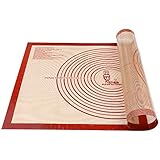
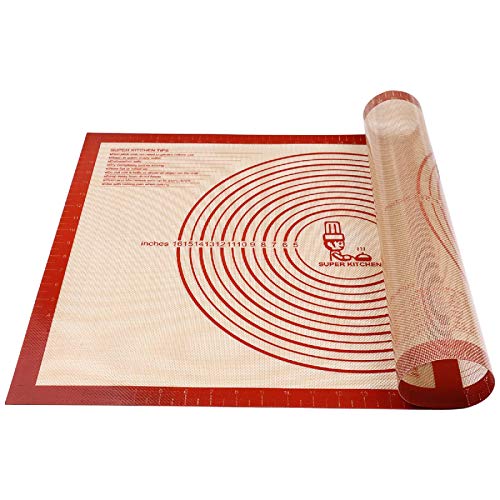
The Folksy Super Kitchen mat in red has earned its ranking through consistent performance across a broad range of baking tasks. The 0.7mm thickness is substantial enough to prevent the thin-mat problem of bunching or wrinkling under hand pressure, and owners who knead regularly report the non-slip backing holds firm on most countertops without tape or repositioning. The 28-by-20-inch size gives you real room to work without feeling cramped, which matters whether you're opening a dough ball or stretching pizza.
What sets this mat apart is owner feedback about durability over years of use. One reviewer mentioned using it for over four years without loss of the non-stick surface or shape. The silicone resists cuts from dough cutters and bench scrapers, and cleanup is straightforward: a quick rinse and wipe, no drying ceremony required. Food-grade silicone and no lingering rubber smell out of the box are baseline expectations, but owners confirm both.
The one real caveat: a few owners noted that despite the "non-slip" claim, the mat does slide on their particular counters when they knead with heavy pressure. This suggests the grip depends partly on counter surface texture. If your counter is polished granite or glass, you may need to tape the mat down or find another stabilizing solution. For most kitchen counters, though, owners report it stays put.
Pros
- Genuine non-slip backing holds on most countertops
- 0.7mm thickness resists bunching and wrinkling during kneading
- Durable silicone remains cut-resistant after years of use
- Extra-large 28x20 inch workspace covers most counter areas
Cons
- May slide on very smooth or polished counters despite non-slip claim
- Measurements printed in single color can be harder to read against light dough
Key features (4)
- Food-grade silicone with 0.7mm thickness and reinforced non-slip backing
- Extra-large 28-by-20-inch surface with printed measurements and circle guides
- Non-stick top surface requires minimal flour for dough rolling and shaping
- Heat-resistant from -30°F to 470°F; dishwasher-safe and rolls up for storage
Quellance's mat matches the Folksy Super Kitchen in overall size and thickness but brings a design focus that appeals to bakers who want precision without guessing. The 0.7mm construction is the same durable standard, and reviewers confirm the non-slip base keeps the mat anchored during rolling. What distinguishes it is the inclusion of both inches and centimeters printed on each side, making it easier to dial in exact dimensions for pie crusts, pizza, or any dough that needs to meet a specific size.
Owners praise the weight balance: heavy enough to stay in place, light enough to fold or roll up without effort. One reviewer specifically mentioned the mat doesn't lose its flat lay after being folded and stored in a zip bag for weeks, which speaks to the silicone quality and flexibility. The non-stick surface genuinely releases dough with less flour than many cheaper alternatives, and the burned sugar test mentioned by one owner (where caramelized sugar fell off on its own) suggests the surface really does resist stubborn buildup.
Compared to the EuChoiz mat with its raised edges, this one keeps a clean flat profile, which some prefer for rolling but means spills on the counter are your responsibility. The measurement printing is clear enough that owners don't complain about readability, though one noted the text could be a slightly different shade to pop more against the mat's natural color.
Pros
- Dual-measurement printing in inches and centimeters on each edge
- Balanced weight that stays put without sliding during rolling
- Non-stick release requires less flour than standard silicone mats
- Lies flat consistently after folded storage; no edge curling
Cons
- No raised edges means spills and flour scatter onto the counter
- Measurement text printing could be bolder for better visibility against light dough
Key features (4)
- 0.7mm food-grade silicone with non-slip base; resists warping during kneading
- Dual metric and inch measurements printed on both edges for precision sizing
- 28-by-20-inch workspace with non-stick surface and excellent flour release
- Microwave and dishwasher safe; folds and rolls easily for cabinet or drawer storage
EuChoiz takes a different design approach with a 0.16-inch edge lip around the mat's perimeter. This raised border isn't just aesthetic: it genuinely contains flour scatter and water splatter when you're kneading wet doughs or working with sticky fondant. The 1.3mm thickness is the thickest option in this lineup, which appeals to bakers worried about durability and long-term wear. Reviewers confirm the mat stays flat and doesn't crease after being rolled or folded, and one owner specifically noted using it for a year without visible wear on the measurement markings.
The non-stick performance is on par with competitors, and owners report needing little to no flour to keep dough from sticking. The 24-by-16-inch size is slightly smaller than the Folksy and Quellance options, so if you work with large loaves or big pizza doughs, you'll have less workspace. However, if you work in a smaller kitchen or on a compact counter, this size may actually fit better. The included hang holes and storage strap are practical touches that appeal to cooks who keep their pastry tools visible and accessible.
Where this mat differs most from the Folksy and Quellance models: the raised edges make it slightly less ideal for very firm doughs that you'd want to flip and work on both sides. The edge adds about 0.16 inches of height, which is minimal but noticeable if you're accustomed to a completely flat surface. Most kneading work happens fine, but some bakers may prefer the flat profile of the Quellance for total flexibility.
Pros
- Raised 0.16-inch edges contain flour and water splatter during kneading
- Extra-thick 1.3mm silicone resists cuts and warping over time
- Measurement markings remain visible and clear after extended use
- Includes hang holes and storage strap for wall-mounted or compact storage
Cons
- Slightly smaller 24x16 size than competing mats reduces workspace
- Raised edges limit flexibility if you frequently flip and work both sides of dough
Key features (4)
- Extra-thick 1.3mm food-grade silicone with reinforced raised edges for mess containment
- 24-by-16-inch surface with inch and metric measurements printed clearly
- Non-stick surface releases dough easily without excess flour application
- Wall-hanging holes and included strap; rolls up compactly for small-space storage
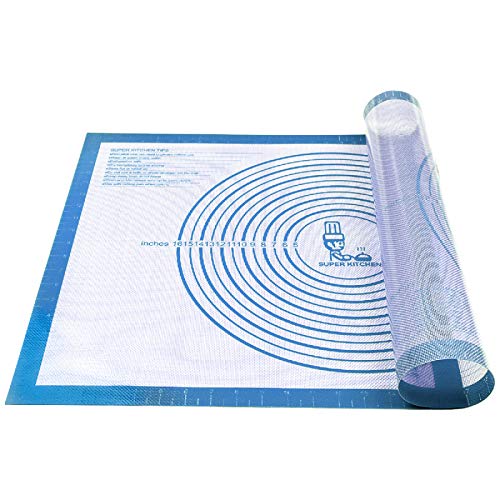
Folksy Super Kitchen's blue mat is the same product as the red, with identical 0.7mm thickness, 28-by-20-inch dimensions, and non-slip backing. The only difference is color, which makes this the obvious choice if you prefer blue or find it in stock when the red isn't available. Owners report the same durability and non-stick performance, with one reviewer comparing it directly to a KitchenAid mat and finding this one thicker and more adhesive to countertops.
One owner's experience over 3.5 years across multiple blue and other-colored mats from this brand is worth noting: the mats withstood 460-degree oven heat without damage or yellowing, and they proved resilient enough to trim without fraying. The reversible surface (dough can stick to neither side) is a genuine advantage. This reviewer also used the mat as a microwave turntable liner to protect glass: a creative use that speaks to the mat's durability and lack of heat sensitivity.
Compared to the Mimekitchen mat with its recipe guide and dual-color measurement printing, this Folksy option is more straightforward in features. It doesn't include a recipe card or have the high-contrast measurement markings. For bakers who want solid quality at a moderate price point without extra frills, this delivers. The main trade-off versus the Mimekitchen is less fancy presentation and fewer printed guides, not performance or durability.
Pros
- Proven non-slip backing anchors firmly on non-porous countertops
- Reversible surface means no sticking to either side of the mat
- Oven-safe and heat-resistant; can withstand 460+ degrees without damage
- 0.7mm thickness remains durable and trimmable without fraying over years of use
Cons
- Single-color measurement printing is less visible than dual-color alternatives
- No included recipe guide or beginner's tips like some competing options offer
Key features (4)
- Food-grade silicone, 0.7mm thickness with proven non-slip backing design
- 28-by-20-inch extra-large workspace suitable for most home baking projects
- Reversible non-stick surface with printed measurement guides and circular size markers
- Heat-resistant to 470°F; oven-safe and dishwasher-safe with storage scrunchie included
Mimekitchen distinguishes itself with thoughtful extras that add real value without inflating the core performance. The dual-color measurement printing (in high contrast) is genuinely easier to read than single-color alternatives, and owners confirm the sizing rings and ruler along the edges are helpful guides for rolling pie crusts and pizzas to exact dimensions. The 0.7mm thickness is the standard durable build, and non-slip performance is on par with other mats in this category.
The included recipe guide with beginner-friendly instructions for cookies is a touch that appeals to people new to baking or those buying the mat as a gift. Owners also appreciate the rounded corners and reinforced edges: safety details that prevent sharp edges during handling and folding. The mat comes in elegant packaging, which matters if you're giving it as a birthday or holiday gift. At 26-by-16 inches, this mat is slightly smaller than the Folksy and Quellance options but larger than the EuChoiz, so it occupies a middle ground in workspace.
One genuine consideration: the slightly smaller size means less counter coverage than the full 28-by-20 options. If you regularly work with large loaves or oversized pizza doughs, you'll have a tighter fit. But for weekly cookie batches, pie crusts, and bread in the 1-to-2-pound range, the space is adequate. The fiberglass core and -40°F to 480°F temperature range match the best performers here, so cold-freeze and high-heat applications are no problem.
Pros
- Dual-color measurement printing provides high contrast and easy visibility
- Included beginner's recipe guide helps new bakers understand dough sizing
- Rounded corners and reinforced edges add safety and durability
- Gift-ready packaging makes it ideal for bakers on your holiday or birthday list
Cons
- Slightly smaller size offers less workspace than full extra-large mats
- Premium packaging and extras add modest cost versus basic mat-only options
Key features (4)
- 0.7mm food-grade silicone with fiberglass core; temperature range -40°F to 480°F
- Dual-color high-contrast measurements in inches and centimeters with sizing circles
- 26-by-16-inch workspace with non-slip base and rounded, reinforced edges
- Includes beginner's recipe guide and elegant gift packaging; rolls and stores compactly
How to Choose the Right Kneading Surface
Size and Workspace
The workspace you need depends on what you knead regularly. A 28-by-20-inch mat covers most home counters and gives you room to work with large loaves or stretch pizza dough without hitting the counter edge. Smaller 24-by-16-inch mats fit in compact kitchens or on tight counters but require more careful dough positioning. If you mostly make pie crusts, cookies, or small rolls, the smaller size is adequate; if you work with artisan bread or multiple doughs at once, go larger.
Thickness and Durability
Mats range from 0.7mm to 1.3mm thick. Thinner mats (under 0.5mm) wrinkle and bunch under hand pressure and wear out faster. The 0.7mm standard is the sweet spot for most home bakers: durable enough to resist cuts from dough cutters and bench scrapers, flexible enough to roll up for storage. The 1.3mm EuChoiz option offers maximum durability if you knead several times a week and worry about long-term wear. All thicknesses in this lineup are food-grade silicone and will last years with basic care.
Non-Slip Performance and Counter Fit
The backing of your mat matters more than the top surface. A silicone mat that slides during kneading defeats the purpose: you'll spend energy repositioning instead of working dough. Most mats in this lineup have upgraded non-slip backing, but performance depends on your countertop. Polished granite, glass, and laminate can challenge non-slip surfaces; textured counters like brushed stainless or matte laminate grip better. Read reviews from owners with your counter type if possible. The kneading surface material comparison guide can help you weigh silicone against marble or wood alternatives if you're still deciding between surface types.
Cleaning, Storage, and Lifespan
Silicone mats are low-maintenance. Dough releases cleanly, and a quick rinse with warm soapy water is all you need. Most mats are dishwasher-safe, though hand washing preserves the surface longer. For storage, roll or fold the mat loosely and tuck it into a drawer or cabinet: no special space required. A mat that lays flat after folding (without creasing or curling edges) is worth the choice; owners report years of reliable use from quality silicone. When you're ready to care for your mat between uses, the silicone mat cleaning guide walks through maintenance steps to extend its life.
Our picks at a glance
1
Best Overall Kneading MatFolksy Super Kitchen
2
Best for Precision RollingQuellance
3
Best for Contained KneadingEuChoiz
4
Best Budget-Friendly OptionFolksy Super Kitchen
5
Best for Bakers Who Want ExtrasMimekitchen
Frequently asked
Do I really need flour on a silicone pastry mat?
No. One of the main advantages of quality silicone is the true non-stick surface: dough releases cleanly without extra flour. Many owners report they tried it and stopped using flour entirely. Some bakers still dust a light amount out of habit, but it's not necessary. Less flour means less mess and easier cleanup. Start flour-free and add only if your dough sticks, which is rare with these mats.
Can I use a silicone pastry mat in the oven?
Yes, all five mats here are oven-safe. They're rated for temperatures from -30°F to 480°F, so you can use them as baking sheet liners or pizza bases. One owner tested a Folksy mat at 460 degrees for 30 minutes with no damage or yellowing. This versatility lets you roll dough on the mat and slide it directly into the oven, saving cleanup time and keeping your baking sheets free.
What's the difference between 0.7mm and 1.3mm thickness?
The 1.3mm mat (EuChoiz) is the thickest and most resistant to warping or compression over time, making it ideal if you knead heavy sourdough or work with dough multiple times weekly. The 0.7mm mats are the standard and still very durable: they won't wrinkle or bunch during normal kneading. Unless you have heavy hands or knead professionally, 0.7mm is more than adequate and offers better flexibility for storage.
Will the mat really stay in place on my counter?
Most owners report excellent non-slip performance on granite, marble, and textured laminate counters. Smooth surfaces like polished glass or highly glossy laminates may challenge the grip. Read reviews from owners with counters like yours. If you have an unusually smooth counter, consider tape as a backup or explore a different surface type. The non-slip backing is a major upgrade over older mats, but surface texture matters.
Which mat should I buy if I mostly roll dough rather than knead it?
If rolling is your main use, the Quellance or Mimekitchen mats shine because their measurement guides help you dial in exact sizes for pie crusts and pizza without guessing. The Folksy and Quellance both offer generous 28-by-20-inch space, while Mimekitchen is slightly smaller. For pure rolling, flat profile without raised edges is better, so skip the EuChoiz unless you want the edges for mess containment.