Verdict, analysis, and key features for each pick.
#1 Pick
Best Overall
PYD Life
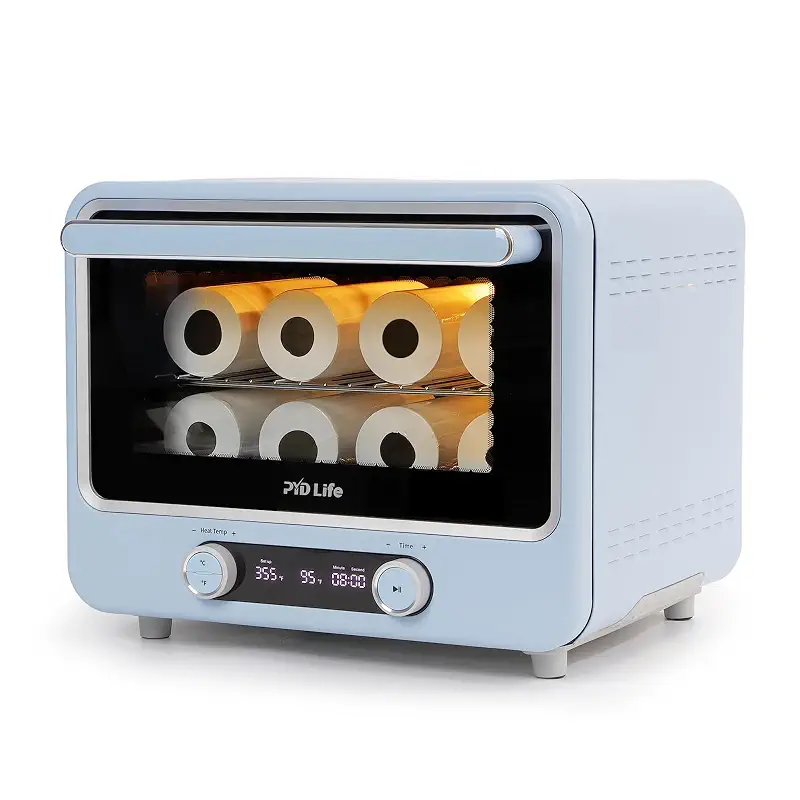
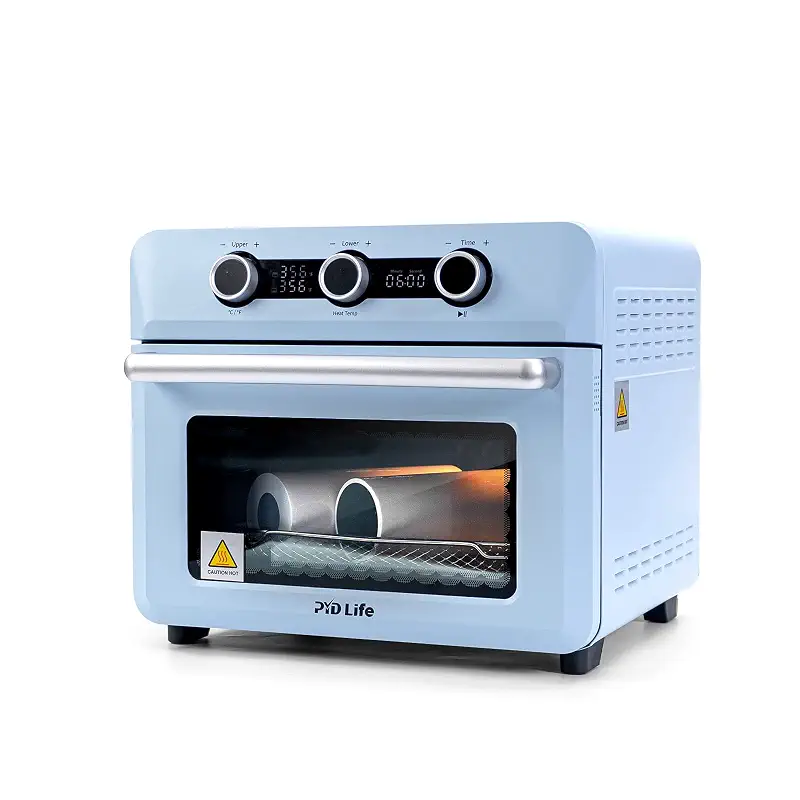
PYD Life Sublimation Oven Machine Convection Oven for Tumblers Mugs 25 L | 120 V 1600 W Light Blue Oven for Sublimation Blanks Cups Water Bottles Pens Bulk Printing
4.7(705)
Proven workhorse with exceptional thermal consistency and included accessories that let you start today.
Ideal for: Small-batch crafters and emerging businesses with space constraints and focus on consistent results.
The PYD Life 25L Sublimation Oven has built a reputation among serious hobbyists and small-batch producers because it solves the core problem most people bring to sublimation: ghosting and uneven color transfer. Owners consistently report that the dual heating tubes paired with ceramic enamel interior and active air circulation eliminate the temperature dead zones that plague standard ovens. The 1600W power draws heat quickly and holds it steadily, which means less guesswork about whether your settings are actually matching what's inside the chamber.
Capacity-wise, 25 liters fits four 20 oz skinny tumblers or four 11 oz ceramic mugs in a single cycle, which is a meaningful leap over heat press speed without requiring a massive footprint. The control panel uses simple dials and a digital timer, and the machine signals when it reaches temperature with an audio cue. One caveat: buyers with electrical concerns note that power fluctuations can affect consistency, so a stable circuit and ideally a dedicated outlet matter. Also, some recommend verifying the actual internal temperature with an independent thermometer before committing expensive blanks, since the display can drift by a few degrees.
Compared to the larger Omperio model, this trades capacity for smaller-workspace efficiency, making it the stronger choice if you're working in a kitchen corner or home studio.
Pros
Rapid heat-up and stable temperature maintenance throughout cycle
Eliminates ghosting and uneven sublimation on full-wrap designs
Comes with shrink wrap, heat tape, and oven mitts included
Cons
Power stability required; circuit sharing can cause inconsistency
Display temperature may lag ±5°F from actual interior heat
Key features
1600W convection heating with dual upper and lower heat tubes
25-liter capacity fits 4 × 20 oz tumblers or 4 × 11 oz mugs per run
Temperature range 0–446°F with 1–60 minute adjustable timer
Ceramic enamel interior resists buildup and cleans easily
Includes oven mitts, heat tape, and shrink wrap sleeves
#2 Pick
Best for Multiple Large Tumblers
Vevor
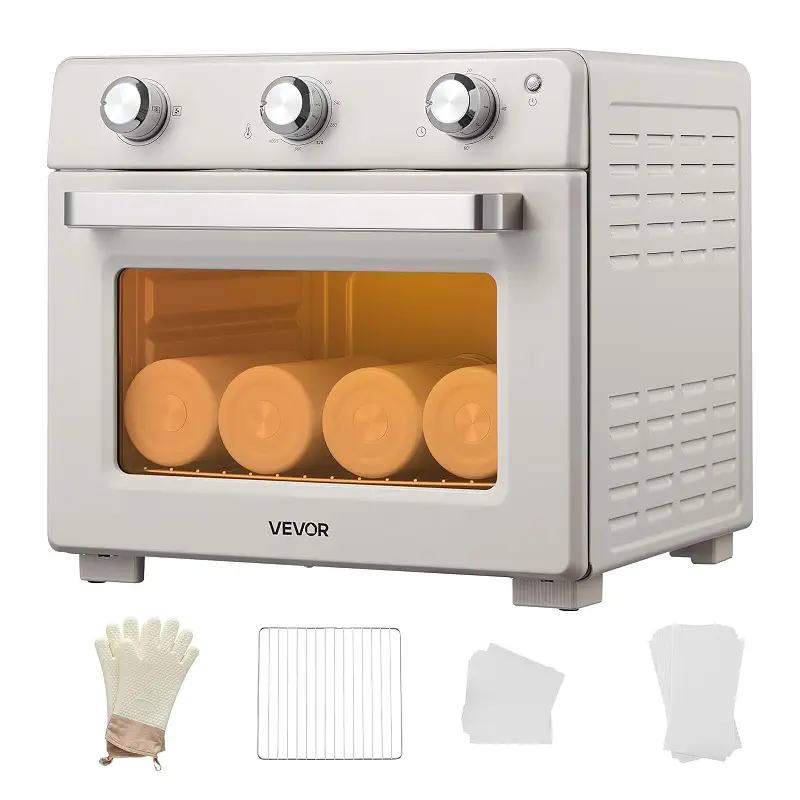
VEVOR Sublimation Oven Machine, 26 Qt, Fits 40oz Tumblers, with 50 Shrink Films, 1 Tape and 2 Heat Gloves, 360° Turbo Convection for Sublimation Blank Tumblers, Mugs, Bowls, Off-White
4.5(29)
Spacious 360° heating chamber designed to fit 40 oz tumblers and deliver even coverage on larger blanks.
Ideal for: Producers running high-volume orders of 40 oz tumblers and large drinkware with professional finish demands.
The Vevor Sublimation Oven targets producers who specifically need to process bigger items: the chamber is engineered around 40 oz tumblers with handles, a size that doesn't fit neatly into smaller convection boxes. The all-around heating approach maintains consistent temperature across the entire interior, which is especially important when your pieces have irregular geometry. Owners love that it handles multiple large tumblers at once, compressing workflow time significantly compared to sequential runs.
Setup is genuinely frictionless: it ships with fifty shrink films, a pair of heat gloves, and heat tape, so new users can go from unboxing to finished product without a supply run. The control interface is straightforward (0–450°F and 0–60 seconds), and the beep and auto-shutoff signals keep you from guessing when the cycle is done. One owner flagged that the machine needs roughly 40 minutes of preheating for heat to distribute evenly throughout the chamber, which is longer than some competitors but necessary for large blanks to cure uniformly.
If you compare this to the PYD Life 25L option, Vevor gives you more elbow room inside the chamber and a focus on bigger items; the trade-off is that it requires patience during the preheat phase and occupies more counter space.
Pros
360° all-around heating ensures vibrant, even color on large surfaces
Accommodates multiple 40 oz tumblers simultaneously
Full accessory kit included: gloves, tape, and fifty shrink films
Cons
Requires 40-minute preheat for optimal thermal distribution
Larger footprint demands dedicated workspace
Key features
26-quart (25L) chamber with 360° turbo convection heating system
Temperature control 0–450°F with 0–60 second digital timer
Fits 40 oz tumblers with handles and multiple items per batch
Rust-resistant interior wipes clean with minimal effort
Includes heat gloves, heat tape, and 50 pre-cut shrink films
Ideal for: Professional sublimation businesses and serious crafters with established workflows and premium output standards.
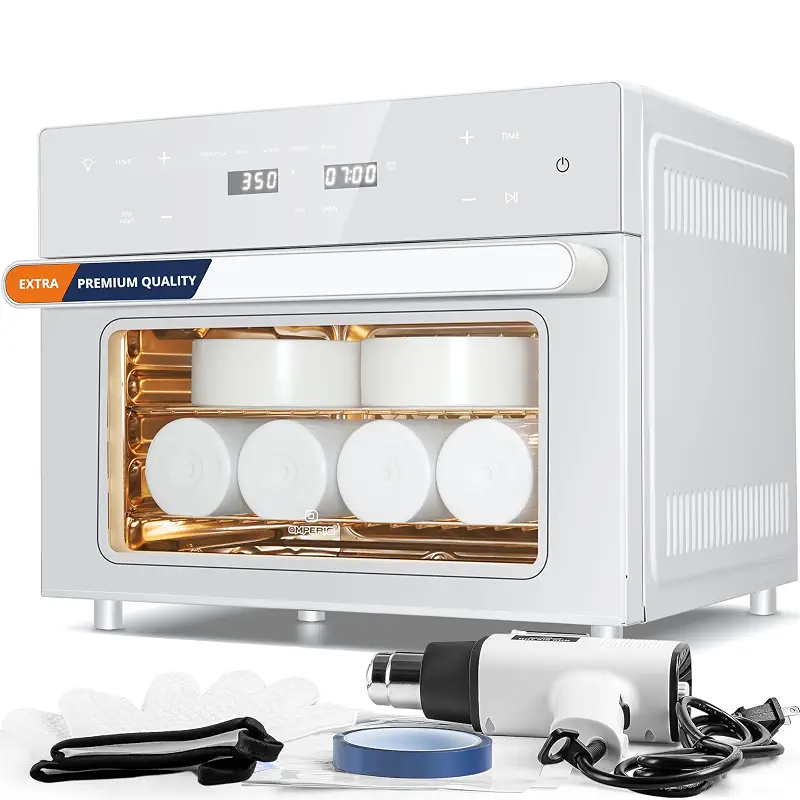
The Omperio Sublimation Oven targets users who see their craft as a core business and want no compromises in build quality or user experience. The 32-quart capacity is the largest in this lineup, and the construction reflects the price point: cold-bent steel exterior, 304 stainless steel interior chamber, and a double-tempered glass door that feels durable even after repeated cycles. The touchscreen interface stands out: large, responsive digital numbers display preheating status, execution phase, and completion all on a borderless glass panel.
The heating system uses patented dual-blade technology with a hot and cold air circulation design that keeps the outer surface cool while maintaining consistent internal temperature. This is a genuine comfort feature when you're running back-to-back jobs and reaching into a warm chamber repeatedly. The machine arrives fully loaded: heat gun, two heat gloves (not one), 25 shrink wraps, and heat tape, removing any excuses to delay your first project. Buyers praise how quickly it heats and how flawlessly it handles batch runs, with results described as vibrant and flawless. One owner noted the oven doesn't produce the fishy smell that some heat presses do, which matters if your workspace has ventilation limits.
Where to apply care: the touchscreen and stainless steel interior mean this is not a machine you want exposed to moisture or careless storage. Against the Omperio, other models in this list are budget-friendly alternatives; this is the choice when build longevity and professional output justify the premium investment.
Pros
Stainless steel interior and cold-bent steel exterior ensure durability
Touchscreen interface with clear status indicators for every phase
Largest capacity: fits 6 × 11 oz mugs or 8 × 20 oz tumblers per cycle
Cons
Premium price point requires commitment to high-volume production
Touchscreen and stainless finish demand careful maintenance and dry storage
Key features
32-quart capacity with stainless steel interior and double-tempered glass door
1800W power with 360° hot and cold air circulation system
Touchscreen digital display with preheating and completion indicators
Temperature range 0–450°F, timer 0–60 seconds with auto shut-off
Includes heat gun, two heat-resistant gloves, 25 shrink wraps, and heat tape
#4 Pick
Best for Maximum Capacity
PYD Life
PYD Life Sublimation Oven Machine Convection Oven for Tumblers Mugs 40 L | 120 V 1700 W Light Blue Oven for Sublimation Blanks Cups Water Bottles Salad Bowl Pet Bowl Pens Bulk Printing
4.5(73)
40-liter chamber handles the highest tumbler volume per batch, ideal for scaling production quickly.
Ideal for: Growing sublimation businesses that need to batch six or more tumblers per cycle without upgrading to commercial equipment.
The PYD Life 40L Sublimation Oven is the larger sibling to the 25L model, and if your business is reaching the point where single-batch limits feel like a bottleneck, this machine is the direct answer. The 40-liter interior uses three heating tubes (not two) to manage the additional volume, and owners report that temperature stays consistent even when you're filling the chamber near capacity: eight 20 oz skinny tumblers or six 11 oz ceramic mugs in one cycle. That capacity leap directly reduces production time per finished piece, which compounds into real business efficiency gains over weeks of operation.
The thermal characteristics stay true to the 25L formula: even air circulation, ceramic enamel coating, and rapid heat-up that gets you to working temperature in under a minute. Control remains simple (dials plus digital timer), and it includes the same accessory bundle as its smaller sibling. Buyers note improved productivity and the ability to keep up with larger customer orders without purchasing multiple machines. One drawback worth mentioning: some owners found a small gap where the door meets the frame, which can allow slight heat leakage and may affect precision on very long cycles. The machine also demands a substantial space footprint (18 × 19 × 14.5 inches exterior), so studio layout matters.
Compared to the Omperio premium model, the PYD Life 40L gives you similar or slightly higher capacity at a much lower investment, trading some touchscreen convenience and stainless interior for more accessible pricing and proven thermal performance.
Pros
Largest capacity in this lineup: up to 8 × 20 oz tumblers per batch
Triple heating tubes ensure temperature consistency across full volume
Fast heat-up and proven track record for batch production efficiency
Cons
Minor door-frame gap can allow slight heat loss on extended cycles
Cannot stand tumblers upright inside chamber; requires horizontal placement
Key features
40-liter capacity with three upper and lower heating tubes
1700W convection heating, temperature range 140–450°F
Fits 8 × 20 oz skinny tumblers or 6 × 11 oz ceramic mugs per cycle
Ceramic enamel interior with easy-clean surface finish
Simple analog controls with 1–60 minute digital timer
#5 Pick
Best for Beginners
AceSubli
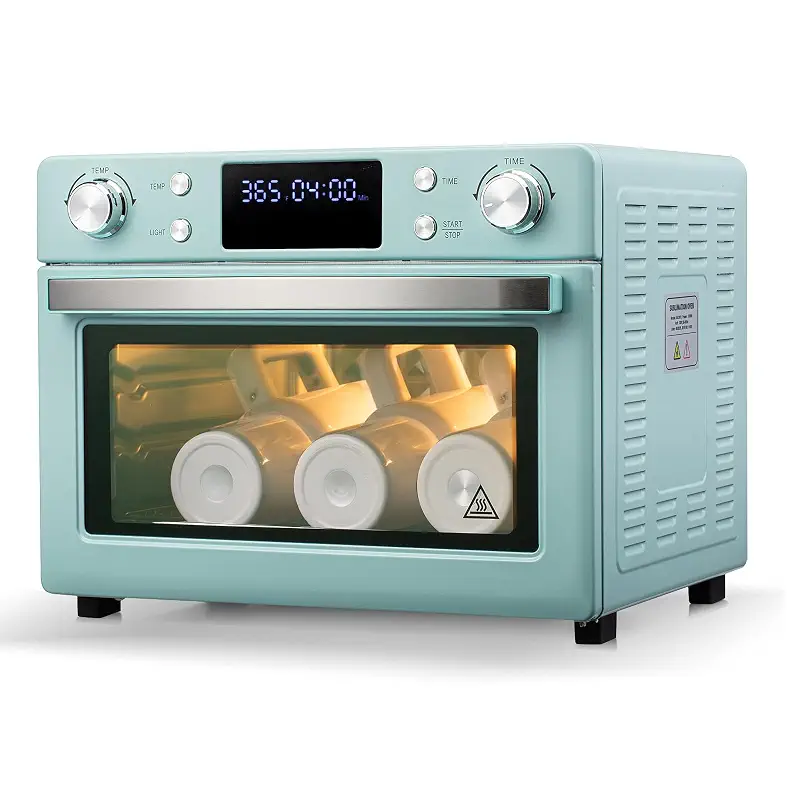
Sublimation Oven Machine 25L 110V 1700W Blue with Digital Display, Large Capacity Convection Oven with LED Light for Sublimation Blanks Tumblers Mugs Cups Bottles Bulk Transfer with Glove
5.0(6)
Lightweight, intuitive digital controls, and expandable rack system make this the gentlest entry point into oven sublimation.
Ideal for: New sublimation users, home crafters, and small-space producers who value ease of use over maximum capacity.
The AceSubli 25L Sublimation Oven is built with new users in mind, which shows in every design choice. The machine is noticeably lighter than competitors, so it doesn't demand permanent counter real estate: you can store it in a closet and pull it out for production sessions, a practical feature for home crafters. The digital display with separate temperature and time controls eliminates the dial-reading confusion that catches beginners, and the manual includes a preheat mode that runs automatically for three minutes once you hit target temperature, then stops on its own.
The 360° airflow heating works well for standard tumblers, and the adjustable rack slots let you fine-tune tray height depending on your item's size. Most importantly, the machine walks you through the learning curve without punishing mistakes: a pause function lets you stop mid-cycle without losing your progress, and auto-shutoff after three minutes of inactivity keeps you from overheating blanks if you step away. Owners love that setup is straightforward, and results improve quickly as you dial in timing. One caveat is that the manual and feature set are slightly less comprehensive than the premium Omperio option, so you may need to experiment more on your own to find optimal settings for unusual blank sizes.
If you're deciding between this and the best mini heat press for your first investment, the oven gives you batch capacity and learning room; the heat press offers simplicity on single items. This machine is the oven choice for methodical learners.
Pros
Lightweight design fits apartments and home studios without permanent setup
Clear digital display with automatic preheat and safety auto-shutoff features
Adjustable rack slots allow fine-tuned heating for different item sizes
Cons
Manual is less comprehensive than premium models; requires hands-on learning
Capacity is mid-range (3–4 large tumblers per batch, not 6+)
Key features
25-liter capacity with 1700W power and 360° heated airflow circulation
Digital display with separate temperature and time controls, 5°F increments
Supports 3 × 40 oz tumblers or 4 × 30 oz skinny tumblers per cycle
Preheat mode auto-stops; pause and resume functions for flexible timing
Built-in LED interior light with automatic shutoff after 1 minute idle
How to Choose a Sublimation Oven for Tumblers
Four trade-offs that actually matter when matching a sublimation oven for tumblers to your kitchen.
Capacity and Batch Volume
The gap between machines here is meaningful: a 25-liter oven fits four tumblers per cycle, while a 40-liter fits eight. If you're running a side hustle with occasional orders, 25 liters is sufficient. If you're scaling to handle multiple customer requests weekly, batch size directly affects your turn-around time and profit per hour worked. Think about your typical weekly order load and whether you'd rather run the oven three times with four pieces each, or run it once with eight. Larger capacity machines also occupy more counter space, so studio footprint is a real constraint for home-based crafters. The Omperio and PYD Life 40L both target volume producers; the smaller models suit space-conscious setups.
Heat Consistency and Results Quality
Even heat distribution is the reason you buy an oven instead of using your kitchen appliance. All five machines here use convection and multiple heating tubes, but they differ in design philosophy. Dual-tube systems (like the PYD Life 25L) heat faster and work well for standard tumblers. Triple-tube systems (PYD Life 40L) maintain evenness across larger volumes. Patented dual-blade circulation (Omperio) keeps the exterior cool while heating the interior uniformly. If your designs include full wraps or dark colors, even coverage becomes non-negotiable for avoiding ghosting and pale zones. Owners consistently report that machines with strong convection eliminate the temperature dead spots that single-element ovens create.
Controls and Learning Curve
Sublimation oven controls fall into three camps: simple analog dials, digital displays with buttons, and touchscreen interfaces. Analog dials (PYD Life models) are straightforward but require you to cross-reference a chart to understand what temperature you've actually set. Digital buttons (AceSubli, Vevor) give you precise readouts and memory; touchscreen (Omperio) adds visual feedback about preheating and cycle phases. For beginners, the how to wrap and heat guide will help you understand process, but the machine's interface determines how quickly you move from following instructions to intuitive adjustment. The AceSubli and Omperio make temperature tuning less mysterious; the PYD models reward experience over button-pushing.
Included Accessories and Total Investment
All five machines ship with some combination of heat gloves, shrink wrap, heat tape, and sometimes a heat gun. This matters because these items are consumables and one-time necessities: you'll spend an extra $20–40 buying them separately if they're not included. The Omperio and PYD Life 40L both arrive fully loaded. The AceSubli includes a glove but not a heat gun, meaning you'll source that separately. Before choosing based solely on machine price, factor in the real cost of launching your first batch. Many buyers underestimate how much easier those included items make the first week of learning.
Frequently asked
Quick answers to the questions readers ask most.
Can I use a regular kitchen oven for sublimation instead of a dedicated machine?
Technically, yes, but it's not recommended. Kitchen ovens cycle on and off to maintain temperature, which creates hot and cold zones that cause ghosting and uneven color transfer on tumblers. They also aren't designed for the rapid heat cycling sublimation requires, and food residue buildup becomes a contamination issue. A dedicated sublimation oven uses continuous convection heating, which delivers the even results that make your design work shine. The cost difference is smaller than you'd think once you factor in ruined blanks and reprints.
What temperature and time should I use for standard 20 oz skinny tumblers?
Most manufacturers recommend 355°F for 5–6 minutes as a starting point for 20 oz tumblers with standard sublimation transfer paper. However, every oven varies slightly in actual internal temperature versus the display reading, so treat the manual guideline as your first test, not your final setting. Once you've run your first successful batch, note what worked so you can replicate it. Some owners find that preheating the oven for an extra minute or two before inserting the tumbler improves consistency, especially in larger machines where heat distribution takes longer.
Do I need shrink wrap film, or can I skip that step?
Shrink wrap is genuinely useful, not optional. It holds the sublimation transfer paper tight against the curved tumbler surface during heat exposure, ensuring even color contact and preventing the paper from sliding mid-cycle. Without it, you risk patchy coverage and registration shifts that ruin the design. All five machines in this guide arrive with shrink films included, but they're consumables and you'll need to order replacements every few months as your production volume grows. Budget approximately $15–25 per 100 films depending on where you source them.
How long does the oven need to preheat before I start running tumblers?
Preheat times vary by machine size and design. Smaller 25-liter ovens typically reach stable temperature in 1–2 minutes. Larger 32–40 liter models may need 5–10 minutes, and some owners report that waiting 40 minutes ensures heat is truly distributed throughout the full chamber for maximum consistency. The machine will beep when it hits your target temperature, but that's the heating element at equilibrium, not necessarily the entire interior. For your first few cycles, run the oven at your target temperature for 10 minutes before inserting anything, then gradually dial back preheating time as you gain confidence in your machine.
What's the difference between a sublimation oven and a heat press for tumblers?
A heat press clamps your tumbler between two heated surfaces for a set time, while a sublimation oven uses surrounding heat and air circulation. Heat presses are faster for single items and require less counter space, but they can't handle irregular shapes well and limit you to one or two tumblers at a time. Ovens are slower per cycle but let you batch multiple tumblers, and the all-around heat works better for full wraps, handles, and non-standard shapes. If you're building volume, an oven eventually pays for itself through faster batch processing, though heat presses remain valuable for detail work on specialty items.