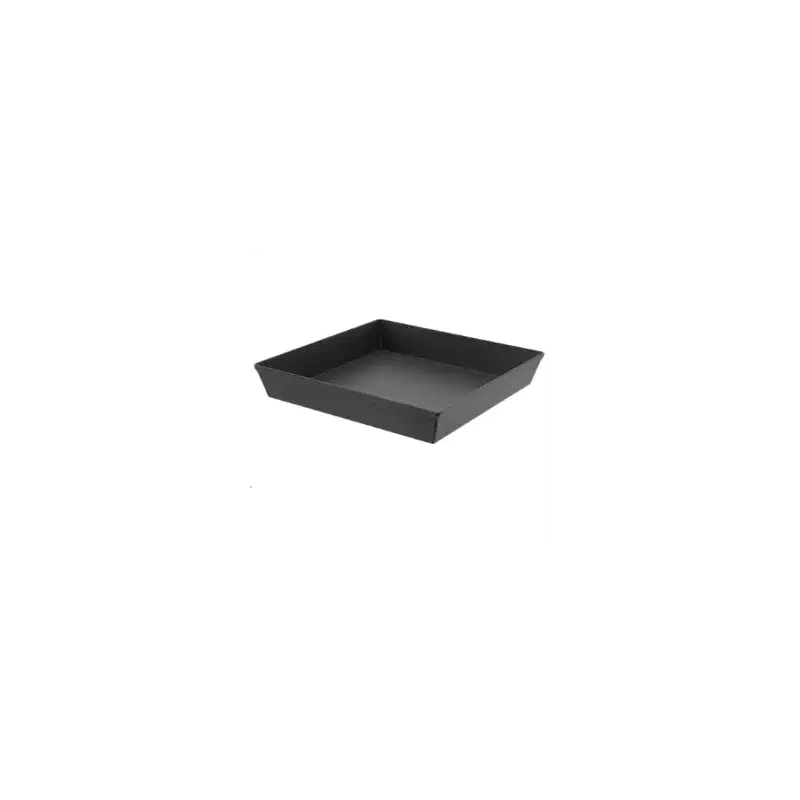
Ideal for: Home bakers making Sicilian pizza regularly, small families or dinner groups.
This 12-inch square pan sits right in the middle of the Lloyd lineup (not the smallest, not the most niche) and it's where most home cooks find their footing. The Pre Seasoned Tuff-Kote finish means no seasoning ritual; oil it lightly before the first use, load your dough, and go. Owners consistently report that the nonstick surface lives up to its reputation, and the 1.5-inch depth works well with most pizza dough recipes without feeling cramped like shallower options can.
What I find compelling here is the feedback around actual kitchen use. Buyers note that cleanup is genuinely easy (a quality that matters if you bake pizza regularly), and the crust comes out crispy on the bottom with good lift and pull at the cheese. The pan is heavy duty without being unwieldy: you can handle it solo, and it won't warp after years of use.
Compared to the smaller 10-inch model, the 12-by-12 gives you enough surface area to feed two or three people comfortably, while still fitting most standard ovens. If you're torn between sizes, the 12-inch is the more versatile choice unless your oven is exceptionally tight or you're cooking for one.
Pros
Nonstick coating requires no seasoning or maintenance
Crispy bottom crust with excellent heat distribution
Easy cleanup; dishes slide out without sticking
Cons
Premium price point compared to casual baking pans
Shallow depth may feel limiting for very high-rise styles
Key features
12-by-12-inch square design feeds 2–3 people per pizza
Ideal for: Entertaining and larger groups, serious home bakers who bake multiple pizzas.
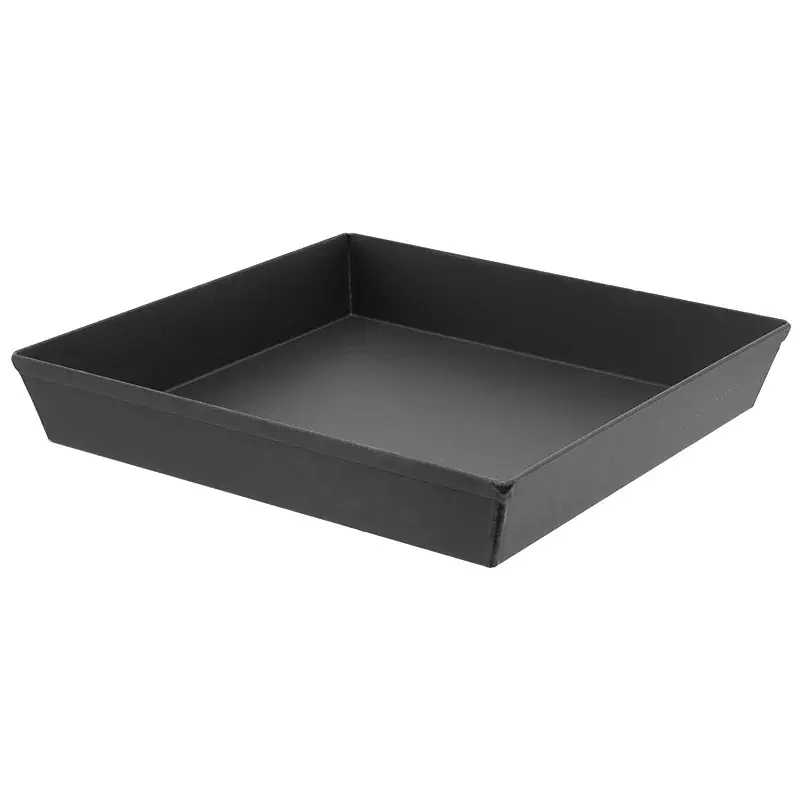
If you're feeding a gathering or you simply prefer a larger pizza to slice and share, the 14-inch square pan steps up without complicating the bake. Owners report the same nonstick performance as smaller models, and the extra two inches in each direction makes a real difference in yield: you're not squeezing toppings into a confined space.
The higher review count (483 reviews with a 4.8 rating) suggests this size has found a loyal audience. What stands out in buyer feedback is the pan's stability and durability; people who own multiple Lloyd pans often pick up the 14-inch as a second or third because they trust the build quality. One reviewer mentioned using it for focaccia, which speaks to the versatility beyond pizza: thick breads, flatbreads, and even sheet desserts work beautifully in this format.
Where it differs from the 12-inch is mainly footprint. The 14-inch will occupy more shelf space and needs a bit more oven room, but if you have the space, you're getting better value per square inch of pizza and the same reliable nonstick finish. The heavy-duty 14-gauge aluminum ensures even browning across a larger surface, so you're not fighting hot spots.
Pros
Larger 14-by-14 footprint yields more pizza per batch
Even heat distribution prevents hot spots across wider pan
Metal utensil-safe coating resists scratching and chipping
Cons
Requires more oven space and storage room than smaller sizes
Heavier pan makes handling in and out of oven more demanding
Ideal for: Bakers who prefer rectangular focaccia or extended loaf shapes.
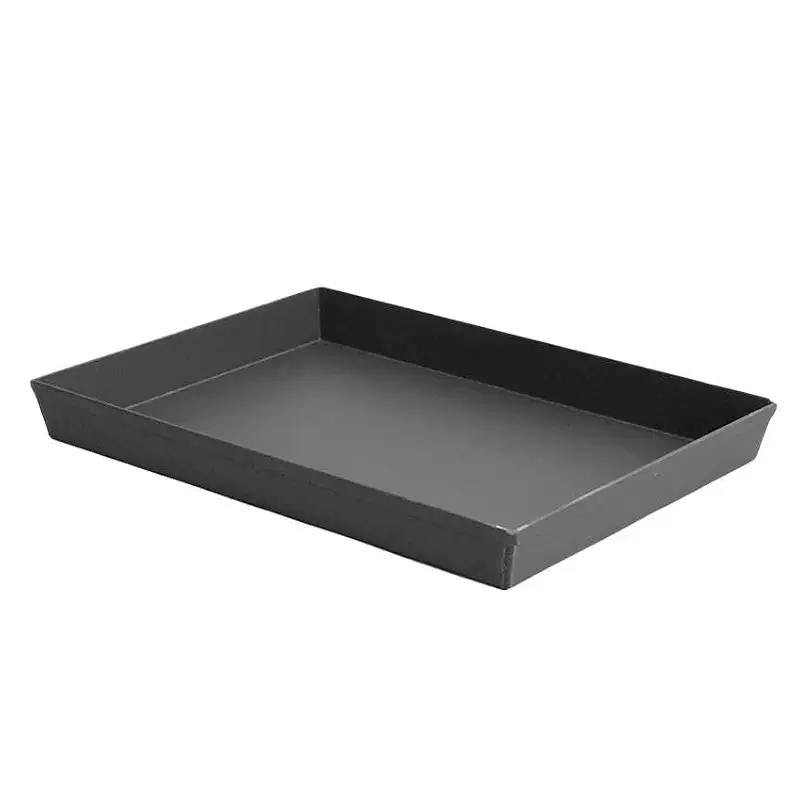
This rectangular 12-by-18 pan offers a different canvas. Instead of a square, you're working with a wider, narrower footprint that suits focaccia, long Sicilian pies, or anyone who prefers to cut slices lengthwise rather than in a grid. The Pre Seasoned Tuff-Kote finish and commercial-grade aluminum are identical to the square models, so performance should match.
What's worth noting: this pan has the fewest reviews in the lineup (only 9), so the feedback is more limited. One buyer flagged that aluminum bakes faster and can brown bottoms more aggressively than steel, which is especially relevant if you've been working with steel pans before. The same buyer solved it by adjusting temperature and timing: a worthwhile trade-off if you prefer the cleanup ease and nonstick properties of aluminum. Other reviewers praised the build quality, durability, and the crispy crust results.
Compared to the square Sicilian models, the rectangular shape is the main trade-off: it's specialized. If you love long, thin Sicilian slices or want to make focaccia without worrying about a seasoning routine (something you can't avoid with steel), this is your pick. But if you're making traditional square pizzas, the 12-by-12 or 14-by-14 will feel more natural.
Pros
Rectangular 12-by-18 footprint ideal for long-format breads
Metal utensil-safe permanent coating tolerates aggressive use
Nesting design and made-in-USA construction ensure durability
Cons
Aluminum heats faster, requiring temperature or timing adjustments
Limited review volume means less user feedback on long-term performance
Key features
12-by-18-inch rectangular design suits focaccia and long pizzas
Ideal for: Small-oven cooks, compact kitchens, single-person or couple households.
The 10-inch square pan is the smallest in Lloyd's Sicilian lineup, and it serves a purpose: you get the same nonstick coating and build quality in a footprint that fits toaster ovens, compact ranges, and kitchens where counter storage is precious. One buyer specifically mentioned fitting it in a Breville Mini Smart Oven: a real-world win for anyone with limited kitchen real estate.
Owner feedback splits between enthusiasts and skeptics. Fans love the compact size, the nonstick reliability, and the made-in-USA durability promise. One reviewer noted it's perfect for making a single focaccia for one or two people, then baking something else in the same meal without heating the whole kitchen. But there's also a critical one-star review that questions the value proposition: for the price, some buyers feel an aluminum cake pan with a proprietary coating doesn't justify the premium when cheaper steel alternatives exist. That's fair context. If you're choosing between this and a standard sheet pan or cake pan, the Lloyd premium comes down to the nonstick coating's durability and the commercial-grade aluminum.
For home cooks with smaller ovens or those making personal-sized pizzas, the 10-inch delivers. But if you have room for the 12-inch, you're getting more pizza per bake for a modest price step up.
Pros
Compact 10-by-10 footprint fits toaster ovens and small ranges
Ideal for: Detroit pizza enthusiasts, home cooks seeking caramelized cheese crust edges.
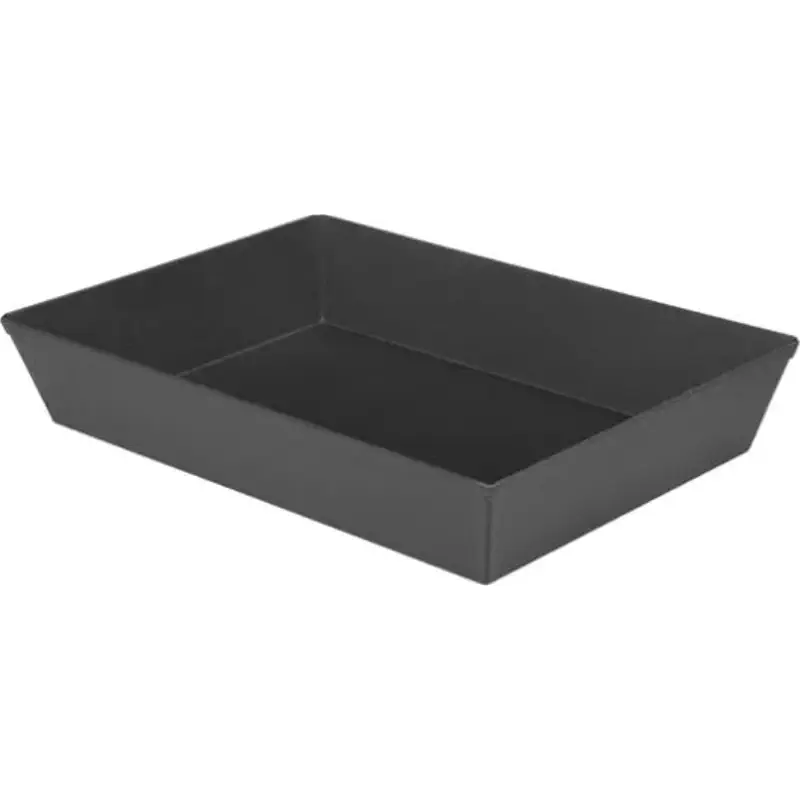
This isn't a Sicilian pan: it's the Detroit format: slightly wider, taller at 2.5 inches (versus 1.5 for Sicilian models), and engineered specifically to fry that signature cheese crust around the edges. With 5,052 reviews and a 4.8 rating, this is Lloyd's flagship. If you're serious about trying Detroit-style pizza at home, buyers nearly uniformly agree this pan is the enabler.
What sets Detroit apart is depth and the technique it encourages. The extra inch of height captures oil and cheese in a way that square or shallower pans can't replicate. Detailed buyer feedback walks through dough hydration, cheese selection, and edge positioning: evidence that owners are learning the style seriously. The nonstick finish works identically to Sicilian models, and cleanup is equally painless.
If you're torn between this and the Sicilian pan, ask yourself: do you want thick, focaccia-like bread with cheese distributed across the top (Sicilian), or do you want an oily, frothy, caramelized cheese edge that's almost fried in the pan (Detroit)? The 12-by-18 rectangular Sicilian model is the better choice if you prefer the traditional thicker, more bread-forward style. But if Detroit-style pizza calls to you, this pan does its job better than any cake pan or alternative.
Nonstick release works equally well despite oil-heavy cooking method
Exceptional owner satisfaction with 5,000+ reviews at high ratings
Cons
Taller profile requires adjusted dough amounts compared to Sicilian pans
Specialized format means less versatility for other bread or pizza styles
Key features
10-by-14-inch rectangular format matches authentic Detroit pizza specs
2.5-inch depth enables signature crispy cheese edge and focaccia-like crumb
Heavy-duty aluminum with Pre-seasoned Tuff-Kote nonstick coating
Double-thick rim and 76-degree nesting save storage without stacking issues
Metal utensil-safe surface tolerates aggressive edge removal and cleaning
How to Choose a Sicilian Pizza Pan
Four trade-offs that actually matter when matching a sicilian pizza pan to your kitchen.
Size and Oven Fit
Start by measuring your oven. The 10-by-10 or 12-by-18 models slip into compact ovens where a 14-by-14 won't fit. If you're cooking for a family or group regularly, the 12-by-12 or 14-by-14 square pans yield more pizza per bake and save you time. A rectangular 12-by-18 works if you love long focaccia-style loaves or prefer cutting slices lengthwise. Most home ovens accommodate a 12-inch square without trouble; test your specific oven before ordering if you're unsure about clearance.
Nonstick Coating vs. Seasoning
All Lloyd Sicilian pans ship with the Pre Seasoned Tuff-Kote (PSTK) finish: no seasoning required. This is a significant practical difference if you're comparing to steel pans. Unlike blue steel pizza pans that demand regular seasoning maintenance, the Lloyd aluminum coating is permanent and metal-utensil safe. You do need to oil lightly before first use and after cleaning to maintain the nonstick performance, but there's no curing ritual or worry about rust.
Aluminum Heat vs. Steel Performance
Lloyd's aluminum pans heat faster than steel, which means darker crusts and quicker bakes. One buyer noted burning issues when switching from steel to aluminum with the same time and temperature settings. If you've been baking on steel, reduce your oven temperature by 25 degrees or shorten bake time by a few minutes. Aluminum is also lighter to handle in and out of the oven, and it won't rust: trade-offs worth weighing if you're accustomed to steel's slower, more forgiving heat profile.
Sicilian vs. Detroit: Know the Style
The sicilian versus detroit pizza pans serve different goals. Sicilian pans (1.5 inches deep) produce a thick, airy bread with crispy edges and toppings distributed across the surface. Detroit pans (2.5 inches) focus on deep oil, caramelized cheese frico at the edges, and a focaccia-like structure. Sicilian is the traditional Grandma-style pizza. Detroit is specialty. If you're new to homemade square pizza, start with Sicilian. Detroit requires technique and dough adjustments, so save that pan for when you're ready to focus on the style.
Budget and Long-Term Value
Lloyd Pans carry a premium price, but owners consistently report that durability and nonstick performance justify the investment for regular bakers. If you're making pizza once or twice a month, the cost-per-use is low over several years. For occasional bakers, a standard aluminum cake pan works fine; the Lloyd coating just reduces cleanup friction and guarantees no warping. Consider whether you'll actually use the pan enough to recoup the investment before committing.
Frequently asked
Quick answers to the questions readers ask most.
Do Lloyd Pans require seasoning like cast iron or steel pans?
No. Lloyd's Pre Seasoned Tuff-Kote finish is permanent and requires no seasoning ritual. Lightly oil the pan before first use and after washing to maintain nonstick performance, but there's no curing process or maintenance burden like you'd face with blue steel pans. The coating won't chip, flake, or peel off with normal use.
Can I use metal utensils on Lloyd Pans without damaging the surface?
Yes. The Tuff-Kote finish is explicitly metal-utensil safe. Buyers report using metal spatulas, scrapers, and even aggressive cleaning techniques without harm. This durability is a key selling point compared to delicate nonstick coatings on some other brands.
What's the difference between Lloyd Sicilian and Detroit pans?
Sicilian pans are 1.5 inches deep and produce thick, airy bread with toppings spread across the surface. Detroit pans are 2.5 inches deep and focus on deep oil, crispy caramelized cheese edges, and a focaccia-like crumb. Sicilian is the more traditional home-pizza style. Detroit is a specialty format that requires specific technique and dough hydration.
Will a Lloyd Pans Sicilian pan fit in my toaster oven?
It depends on the toaster oven model and size. The 10-by-10 is most likely to fit compact models like the Breville BOV450XL, as confirmed by one buyer. The 12-by-12 and larger will only fit full-size or professional toaster ovens. Measure your oven's interior dimensions and compare to the pan footprint before ordering.
How do I adjust baking time and temperature when switching from steel to aluminum?
Aluminum heats faster than steel, so reduce your oven temperature by about 25 degrees or shorten baking time by a few minutes. Start with small adjustments and monitor the first bake; every oven varies. Light oil coating on the pan also affects heat transfer, so consistency in oil use helps with predictable results over time.