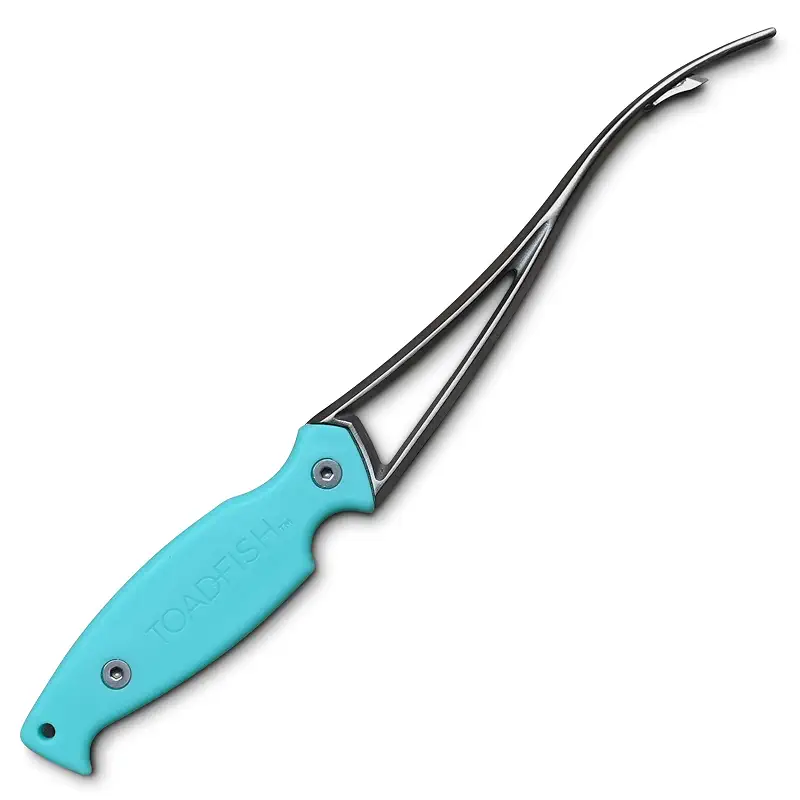
Ideal for: Home cooks who prep shrimp regularly and value build quality over bargain pricing.
The Toadfish tool brings heirloom-quality build to a task most people treat as disposable. Its full-tang stainless steel blade and thoughtfully engineered handle win praise from users who process pounds at a time, and the butterflying motion splits, peels, and deveins in one stroke. Most five-star reviewers highlight the speed gain once they acclimate to the technique.
That said, the learning curve is real. Several owners note the blade diameter and grip angle differ enough from cheaper alternatives that the first few uses feel awkward. One reviewer who owns dozens of the inexpensive red plastic deveiners found this tool clunkier and slower until they adjusted their technique. If you've been using a specific style for years, you'll need to unlearn that muscle memory.
Where this stands apart from budget picks is longevity and comfort during extended prep. The grip won't slip in wet hands, and the blade won't degrade after five seasons in a drawer. Owners report years of reliable use, which justifies the higher entry price if you devein shrimp regularly or run a coastal household where this becomes a workhorse tool.
Pros
Full-tang stainless steel blade lasts years without degradation
Ergonomic handle engineered for comfort during high-volume prep
Butterflies, peels, and deveins in one motion
Non-slip grip maintains control in wet conditions
Cons
Steeper learning curve compared to simpler plastic tools
Larger blade diameter may feel awkward if you prefer narrow tips
Key features
Full-tang stainless steel construction with recycled plastic handle
Patented butterfly blade design splits shell and removes vein simultaneously
Ergonomic handle contoured to fit palm comfortably during extended use
Multifunctional tool handles peeling, deveining, and butterflying tasks
#2 Pick
Best Safety and Design
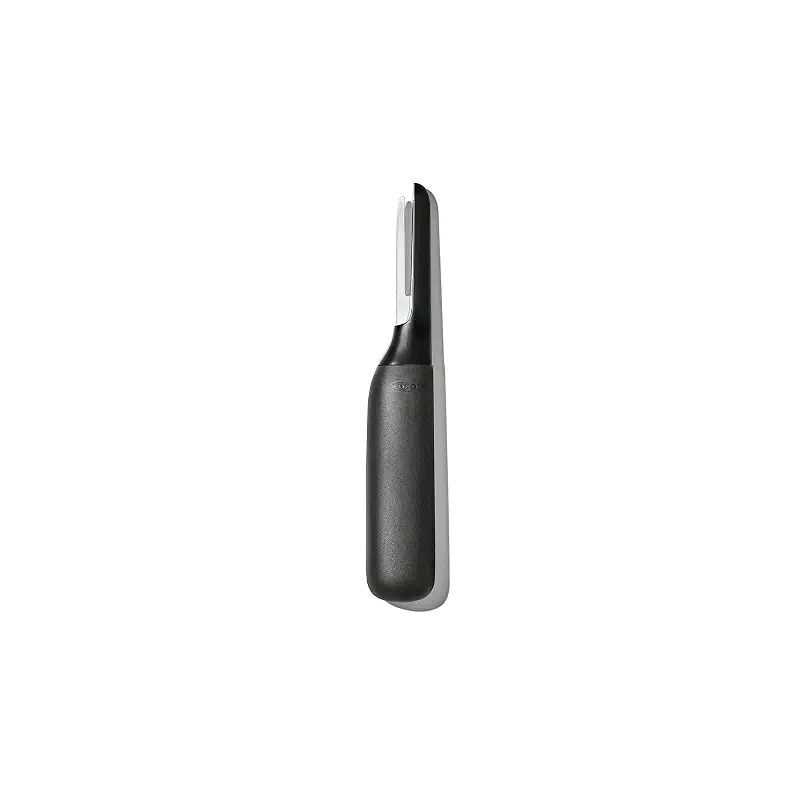
OXO
OXO Good Grips Shrimp Deveiner | Stainless Steel Blade, Peels and Deveins Shrimp, Plastic Guard for Protection, Non-Slip Grip, Dishwasher Safe
4.5(343)
OXO's hidden blade guard and asymmetrical angle make this the safest option for cautious cooks.
Ideal for: Safety-conscious cooks and those who want to avoid hand injuries while prepping shrimp.
OXO brings its reputation for thoughtful everyday tools to the shrimp deveiner category. The plastic guard wraps the blade, so your hand stays well clear of the sharp edge while you work, which is a real advantage over exposed-blade designs that require more attention and finesse. Users switching from paring knives specifically praise the drop in injury risk, and reviewers note the tool works just as fast once you understand the angle.
The asymmetrical design is a genuine innovation. It lets you work at multiple angles without cramping your hand or twisting your wrist. The non-slip grip holds steady even when the shrimp are slippery, and the whole tool feels balanced in hand. Owners consistently mention comfort alongside effectiveness, which is rare in this category.
Compared to the Norpro scissor-style deveiner, this tool uses a pointed thrust motion rather than a cutting action, so it suits cooks who prefer a straighter technique. A few reviewers find it less intuitive than the scissors approach, and one owner in a small minority returned it, but the overwhelming pattern is satisfaction and regular use.
Pros
Built-in blade guard minimizes accidental cuts during prep
Asymmetrical design allows comfortable use from multiple angles
Non-slip grip stays secure with wet, slippery shrimp
Stainless steel blade with soft ergonomic handle
Cons
Requires a thrust-and-insert motion that takes practice to master
Some users find it less intuitive than scissor-style alternatives
Key features
Stainless steel blade with integrated plastic guard for hand protection
Asymmetrical design enables use from various angles without wrist strain
Soft, non-slip handle stays secure even with wet hands and slippery shrimp
Ridged edge splits shell and removes vein in a single motion
#3 Pick
Best Budget Value
HIC Kitchen
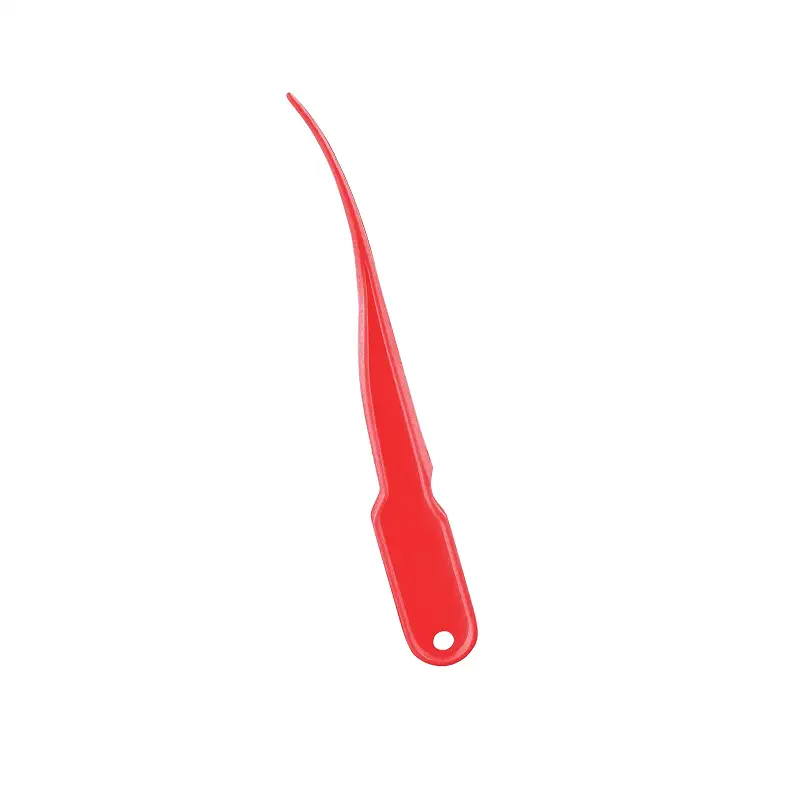
HIC Harold Import Co. Co Inc Shrimp Deveiner 509-HIC - Set of 2
4.6(79)
Affordable two-pack offers straightforward deveining without the premium price tag.
Ideal for: Budget-conscious cooks and those who prep shrimp infrequently or keep backups on hand.
The HIC Harold Import Co. tool is the no-frills option. It does the job, and at a fraction of what you'd spend on premium picks. Owners who catch or buy fresh shrimp regularly find the price point makes it easy to keep extras on hand, and Florida fishermen report years of reliable use.
The tool works on a simple insert-and-twist principle. It's not flashy, but reviewers confirm it deveins and helps peel in one motion. The plastic construction means it won't rust, though one owner noted corrosion concerns with what sounds like a different variant. The two-pack format is handy if you want backups or have family members sharing kitchen duty.
One caveat worth noting: owners report mixed results with cooked shrimp. If your workflow involves already-cooked frozen shrimp, this tool may feel less effective. It's designed for raw, shell-on shrimp, which is where it shines compared to more complex tools aimed at multiple use cases. For the occasional cook who buys fresh shrimp a few times a year, this is sensible. For volume prep or someone who values ergonomic refinement, the Toadfish or OXO will feel like a worthwhile upgrade.
Pros
Low price point makes multiple purchases or backups feasible
Plastic construction won't corrode or require special care
Two-pack format offers extra tools for sharing or backup
Ideal for: Cooks comfortable with scissors-based kitchen tools and high-volume shrimp prep sessions.
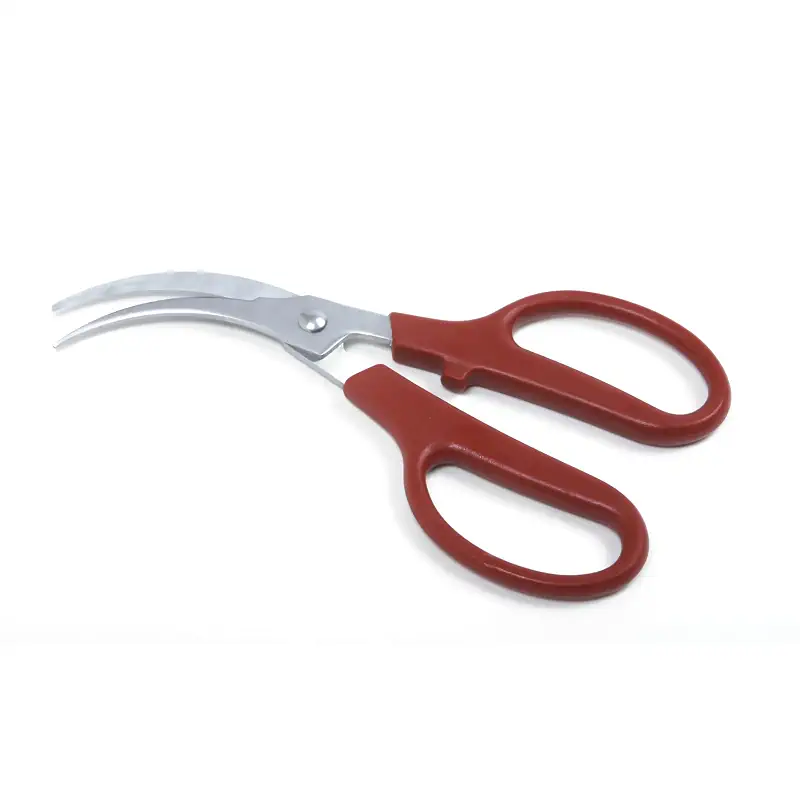
The Norpro takes a fundamentally different approach from the pointed-blade tools. Instead of inserting a tip, you slide the scissor edge under the shell along the back of the shrimp and push through. This cutting action appeals to cooks who think in terms of knife skills and blade work rather than tool insertion. Owners report that once the technique clicks, usually after five to ten shrimp, the pace becomes very efficient.
Users especially praise this tool for high-volume prep. Reviewers who peeled ten pounds at a time with friends found the scissor motion intuitive and tiring on the hand in a different way than pointed tools, which some prefer. The stainless steel blades are sharp and durable, though one reviewer noted rust developing over time, suggesting hand-wash-only care may be important despite the metal construction.
Where this differs from the OXO is the cutting action itself. Where the OXO uses a guarded thrust, the Norpro leverages a slicing motion that some cooks find more natural. America's Test Kitchen endorsement carries weight with kitchen-focused buyers. If you already own scissors-based kitchen tools and prefer that ergonomic feel, this tool will feel like a natural extension of your hand, though it trades the safety guard that the OXO provides.
Pros
Scissor-edge design mimics familiar knife and blade work
Curved blades cut shell along spine and expose vein in one motion
Stainless steel construction holds sharpness through extended use
Efficient once technique becomes automatic after a few shrimp
Cons
Requires learning a scissor-motion technique that feels foreign at first
Stainless steel can develop rust without proper hand-wash care
Ideal for: Families sharing kitchen duties and cooks who want multiple backup tools and shareable options.
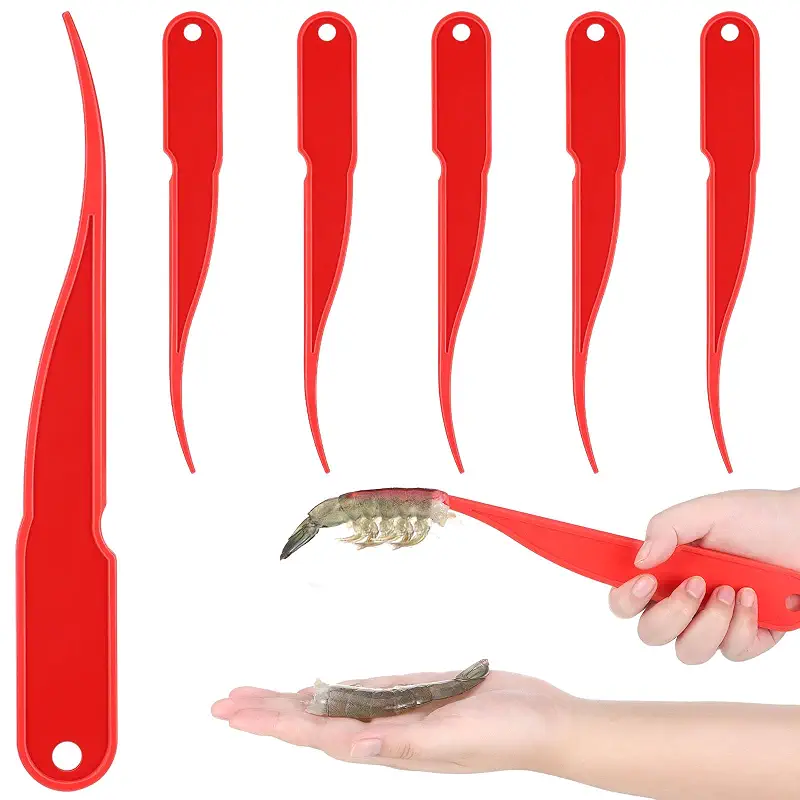
Gisafai's six-pack format makes this the natural choice if you have multiple cooks in the household or want several deveiners stationed around the kitchen. The food-grade plastic is safe, dishwasher-friendly for quick cleanup, and the grooved handle resists slipping when hands are wet. Owners report genuine enthusiasm, calling it the best shrimp peeler they've tried even after using more expensive stainless steel options.
The cone-end design slides under the shell similarly to the HIC tool, and users find it fast once they establish the motion. The 10.2-inch length gives enough leverage that prep sessions on several pounds don't feel cramped or repetitive. One reviewer noted the tools arrived stiff and required a small break-in period, but that's a minor note against strong overall satisfaction.
The trade-off between this and the deveiner material comparison is real. Plastic tools don't last as long as full-tang stainless steel like the Toadfish, but they cost a fraction as much per unit. If you share prep duties with family or want to experiment without a big investment, six affordable options distributed across the kitchen beats owning one premium tool that stays in a single drawer. The straightforward plastic-and-groove design is simpler to master than curved scissors, making it accessible for kids or less experienced cooks joining in kitchen prep.
Pros
Six-piece set provides deveiners for each household cook or kitchen station
Food-grade plastic is dishwasher safe and easy to clean quickly
Grooved handle stays secure even in wet, slippery conditions
Affordable price per unit makes backup deveiners sensible
Cons
Plastic construction wears faster than stainless steel over years of use
Tools may feel stiff initially and require a short break-in period
Key features
Six food-grade plastic deveiners in one purchase for household sharing
Grooved ergonomic handle provides firm grip on wet shrimp
Ten-point-two-inch length balances leverage and maneuverability
Cone-end design slides under shell to remove vein and shell simultaneously
How to Choose the Right Shrimp Deveiner
Four trade-offs that actually matter when matching a shrimp deveiner tool to your kitchen.
Blade Type and Motion
Shrimp deveiners fall into three camps: pointed-blade tools that insert into the shell end, scissor-based cutters that slice along the spine, and simpler plastic cones you slide under the shell. The pointed-blade approach is fastest once your hand learns the angle, but requires more hand strength and control. Scissor tools mimic knife skills and appeal to cooks comfortable with blade-based kitchen work. Plastic cone tools are the most intuitive for beginners. There's no objectively best motion, only the one that matches your existing kitchen habits and hand comfort.
Material and Durability
Full-tang stainless steel deveiners (like the Toadfish) are built to last decades without degrading. Plastic tools are lighter, easier to clean, and dishwasher-safe, but wear out faster with heavy use. If you prep shrimp once a month, plastic is fine. If you devein shrimp weekly or run a coastal household, stainless steel justifies the higher cost. A deveiner material comparison can help you weigh whether spending three times as much upfront saves money across years of use.
Volume and Frequency
High-volume prep (five or more pounds per session) demands ergonomic refinement and hand-fatigue considerations. Premium tools with carefully shaped handles make a real difference when you're working for thirty minutes straight. For infrequent cooks prepping a half-pound for dinner, budget options work fine because discomfort only lasts a few minutes. If you entertain regularly with shrimp platters, investing in comfort pays dividends.
Safety and Hand Protection
Some deveiners feature integrated guards that keep your hand away from the blade. Others expose the edge during use, which demands more attention but gives you direct blade feedback. If you have children helping with prep, or if you work quickly and prefer not to think about hand placement, a guarded tool is worth the trade. If you already work with knives daily, an exposed blade may feel natural and not require extra mental bandwidth.
Cleaning and Maintenance
Most deveiners are dishwasher-safe, but hand-washing stainless steel tools prevents corrosion over time. Plastic tools require no special care. If your kitchen workflow leans toward loading the dishwasher without thinking, a plastic deveiner reduces friction. If you hand-wash your knives anyway, the extra minute for stainless steel tool maintenance is automatic.
Frequently asked
Quick answers to the questions readers ask most.
Do I need a special deveiner, or can I use a knife or toothpick?
A knife works but carries real injury risk on slippery shrimp, and you'll spend extra time maneuvering to expose the vein. A toothpick is slow and tedious for more than a few shrimp. A proper deveiner is designed to slide or cut along the shell in ways that minimize both hand fatigue and the vein-removal time. For occasional single-shrimp prep, improvising is fine. For a plateful, a deveiner saves minutes and keeps your fingers intact.
Can I use these deveiners on cooked or frozen shrimp?
Most deveiners work best on raw, shell-on shrimp. Cooked shrimp are firmer and the shell adheres differently, so the tool is less efficient. Frozen shrimp thaw well and work the same as fresh once thawed. Pre-cooked frozen shrimp with the shell already removed don't need a deveiner at all. If your shrimp prep workflow includes cooked varieties, test a tool on a few cooked specimens before committing.
How do I know if the vein is completely removed?
The vein should pull out in one or two pieces, depending on shrimp size. If small fragments remain, run a finger under cool water over the shrimp's back to rinse the last bits away. Most owners report that rinsing under running water as a final step catches any stragglers. The vein is soft and dark, so it's visible if any remains after the deveiner pass.
Are plastic or stainless steel deveiners better for hand strength and comfort?
Stainless steel tools with ergonomic handles distribute pressure across your hand more efficiently, which reduces fatigue during long prep sessions. Plastic tools are lighter, which some cooks prefer. If you prep shrimp infrequently, plastic is comfortable enough. If you devein five or more pounds in one session regularly, a stainless steel tool with an engineered grip makes a tangible difference in how your hand feels afterward.
Can I devein and peel shrimp in one motion with these tools?
Yes, all the tools covered here are designed to split the shell and remove the vein simultaneously. The shell usually peels away easily once it's been scored and the vein lifted out. Most owners complete both steps in one motion, though occasionally a bit of shell remains and requires a final manual peel or a light rinse to finish.