Ideal for: Home preservers making 2+ jars per batch; experienced jam cooks seeking an upgrade.
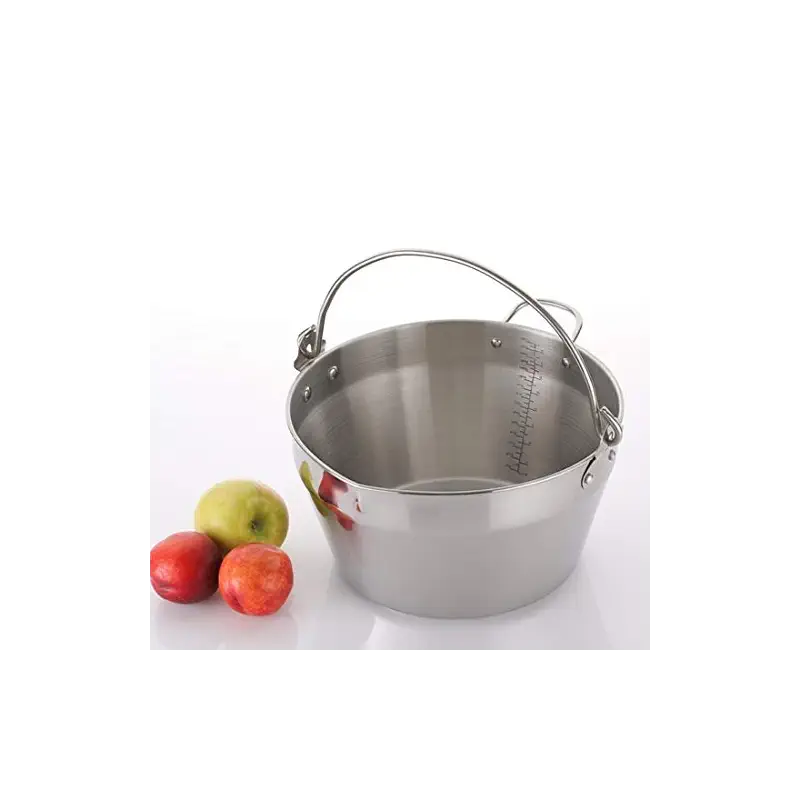
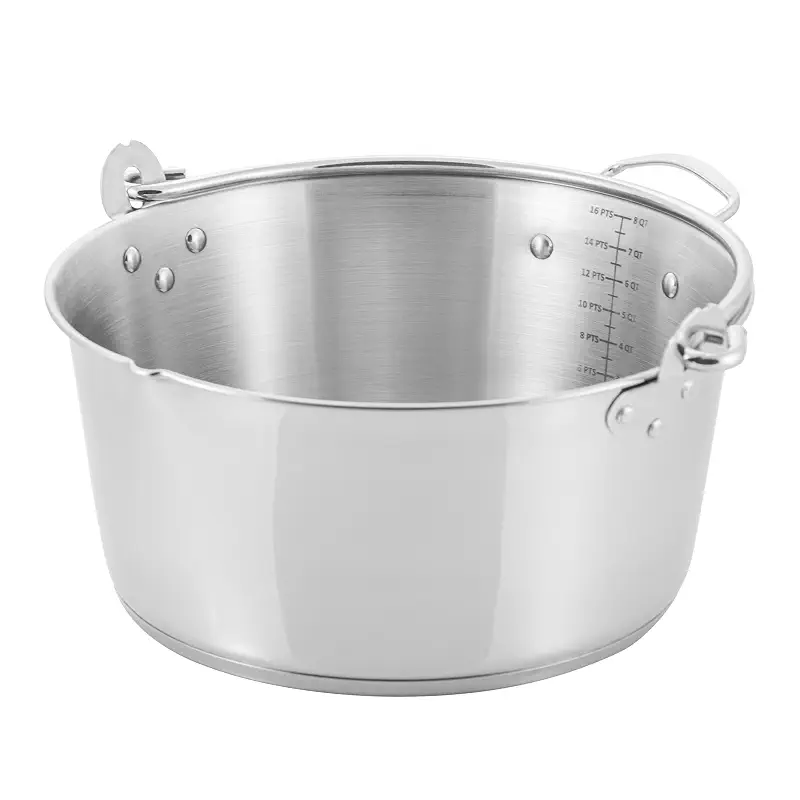
The McSunley 9-quart maslin pan is what experienced jam makers often describe as a revelation. Unlike tall stockpots that force fruit to cook in a narrow column, this pan's wider, shallower design lets you stir in an efficient S-pattern and lets heat reach the surface evenly, which is exactly what stops scorching before it starts. The bucket-style handle and helper grip are thoughtful details, not marketing flourish. When you're working with a pot of hot fruit at rolling boil, a second handle that actually sits where you need to grip it makes a measurable difference in safety and control.
Owners with decades of jam-making experience call this pan a game-changer. The thick, even bottom prevents the center from burning while the fruit cooks down, and the graduated interior markings help you track volume without stopping to measure. At this capacity, you can make a full canning batch without fearing a boil-over, yet it's not so deep that you're stirring fruit for hours waiting for heat to penetrate.
If you're serious about jam, this is the pot to choose. It costs less than specialty copper options and performs better than repurposed stockpots. The only constraint is that it's heavier when full, which is why the secondary handle exists. For occasional small-batch cooks, a lighter option might suit you better.
Pros
Wide shallow shape minimizes scorching risk
Dual handles for safe pouring and transport
Thick bottom provides even, stable heat
Cons
Heavy when full of hot fruit
9-quart capacity overkill for single-jar batches
Key features
9-quart capacity with wide, shallow design for even cooking
Bucket and helper handles for safe pouring and transport
Laser-etched interior graduated scale for batch sizing
Even-heating thick base prevents center scorching
#2 Pick
Best Value
i Kito
Jam Making Maslin Pan Stainless Steel Preserve Pot & Handle Bucket,Camping Pan (9L-9QT)
4.7(145)
Versatile stainless maslin pan with thick base and mirror finish at a fraction of specialty-pan pricing.
Ideal for: Budget-conscious jam makers wanting proper maslin proportions without premium pricing.
The i Kito stainless maslin pan delivers the same core design benefits as the McSunley (wide shape, dual handles, pouring spout, graduated markings) but at a notably lower entry point. Users report the same even heating and jam-making success, and the 9-liter capacity gives you ample room without requiring restaurant-sized equipment. The 304 stainless steel and three-layer base mean heat distribution isn't a gamble; owners consistently report zero scorching and clean-up without stuck residue.
Where it shines is versatility beyond jam. The mirror-polished exterior looks intentional on the stovetop, so some cooks keep it out rather than tucking it away. That said, the i Kito isn't a premium hand-crafted piece: it's a functional, well-proportioned tool. Compared to the McSunley, the i Kito trades some of the heavier feel and heritage positioning for better value and the same usable performance. The dishwasher-safe rating is a bonus if you prefer convenience to hand-washing.
This is the pot to pick if you want maslin-pan benefits without premium pricing, or if you're testing the waters before investing in a specialty piece. The only real trade-off is that some owners mention wishing for an even larger 12-quart size for ambitious batches.
Pros
Three-layer base ensures even heat distribution
9-liter capacity suits most home jam recipes
Dishwasher safe for easy cleanup
Cons
Lighter feel than premium maslin pans
Some batches too large for single-pot cooking
Key features
Grade 304 stainless steel with three-layer heating base
9-liter capacity with wide shallow design
Pouring spout and dual handles for safe transfer
Interior metric and imperial graduated markings
#3 Pick
Best for Traditional Cooks
LD HuYY
Pure Copper Jam Pot, 3 Quart (2.9L) Solid Copper Pot with Tinned Interior, Handmade 100% Copper Cooking Pot for Jam, Chocolate & Soup
5.0(2)
Handcrafted pure copper with tinned interior; a specialty tool for cooks who prioritize heritage and heat control.
Ideal for: Experienced jam makers prioritizing heat control, craftsmanship, and small-batch precision.
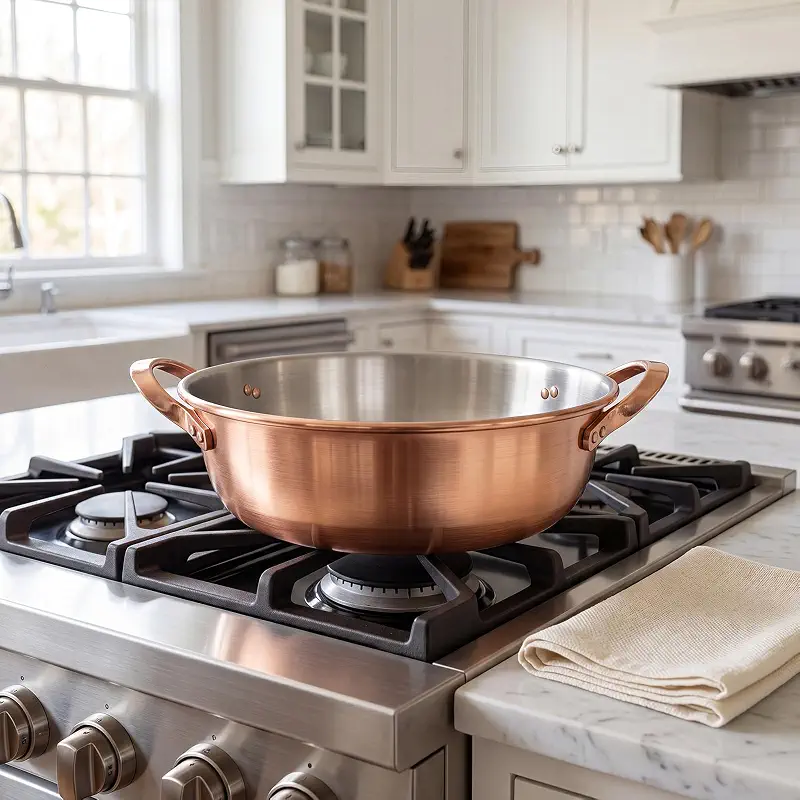
Solid copper has been the jam maker's choice for generations, and the LD HuYY honors that tradition with 100-percent handcrafted copper and a tinned interior: no chemical coatings, no shortcuts. Copper's thermal conductivity is unmatched; it responds instantly to temperature changes, which means you have exquisite control over boil intensity and jelling point. For cooks used to working with delicate fruit or precise sugar work, this responsiveness is worth the cost and care.
The 3-quart capacity is intentionally modest, which signals this pot's purpose: small, controlled batches where technique matters more than volume. Owners report that acidic fruits like citrus preserve beautifully in tinned copper, and the pot itself becomes a kitchen heirloom if cared for. Hand-washing (dishwasher not suitable) is the trade-off, but seasoned preservers view that as part of ownership, not a burden.
Compared to stainless maslin pans, copper is a specialty pick for someone who cooks jam regularly and values the ritual. If you're making one batch a year or working with large quantities, the stainless options above offer better practicality. But if you see jam-making as a craft worth mastering, copper's thermal precision and heirloom potential justify the investment and maintenance.
Pros
Instant thermal response for precise boil control
Tinned interior safely handles acidic fruit
Heirloom quality; lasts generations with proper care
Cons
3-quart capacity limits batch size significantly
Requires hand-washing and periodic tinning refresh
Key features
100-percent solid copper with 2mm thick walls
Tinned interior for safe acidic fruit cooking
3-quart capacity ideal for small controlled batches
Dual solid copper handles; gas and ceramic hobs only
#4 Pick
Best Established Brand
Kilner
Kilner Silver Stainless Steel Preserving Jam Pan
4.6(455)
Kilner's trusted stainless pan with 8-liter capacity and induction compatibility across all cooktops.
Ideal for: Cooks wanting a trusted brand with induction compatibility and proven track record.
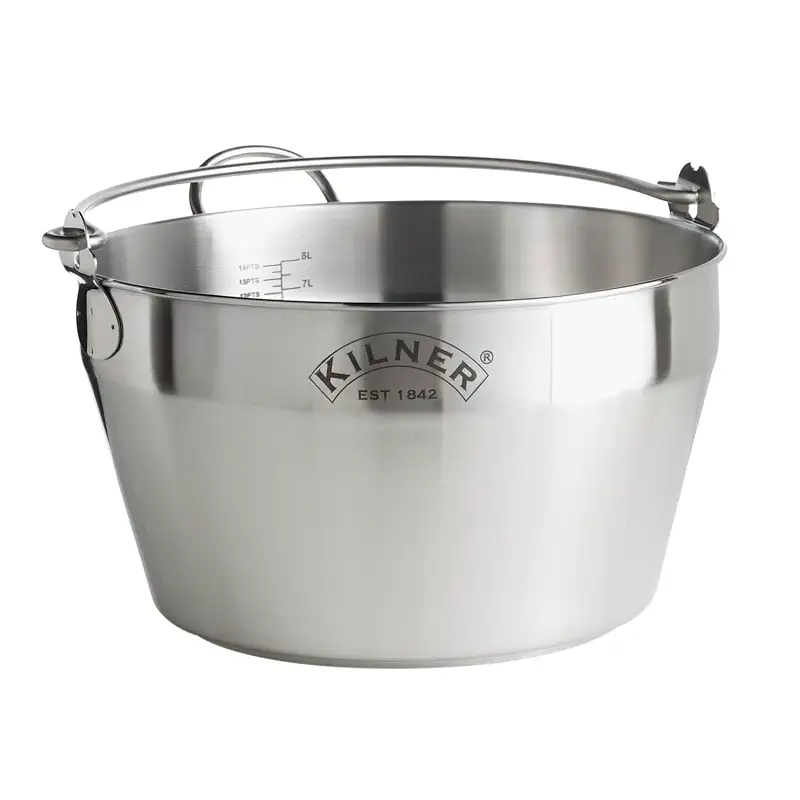
Kilner's 180-year heritage in preserving (the company invented the original canning jar) gives their jam pan credibility that newer brands must earn. The 8-liter stainless design is purposeful: wider than a stockpot, deep enough to prevent splashing, with an encapsulated base suited to gas, electric, ceramic, halogen, and induction. The internal markings in litres and pints help you scale recipes without guesswork, and the pouring spout with integrated handle is a small comfort when transferring hot jam to jars.
Owners consistently praise the heavy bottom and mirror-polished interior: the same heat distribution you'd expect from a quality maslin pan. However, a small number of owners reported inconsistencies in the graduated markings between pans from the same batch, which is worth noting if precision measuring is central to your process. The brushed exterior resists fingerprints better than mirror finishes, though stainless can show water spots if you live in a hard-water area. Dishwasher safe is convenient, though hand-washing preserves the finish longer.
Where the Kilner differs from the maslin pans above is batch size. At 8 liters, it's slightly smaller than the 9-quart options, which some cooks find limiting for high-yield fruits. Still, it's the choice if you want a proven brand with universal cooktop support and no surprises.
Pros
Encapsulated base works on all cooktop types including induction
Mirror-polished interior and brushed exterior finish
Proven Kilner heritage in preserving; 180+ years credibility
Cons
Reported inconsistencies in internal measurement markings
8-liter capacity slightly smaller than some maslin alternatives
Key features
8-liter capacity stainless steel preserving pan
Encapsulated base suitable for all cooktops and induction
Interior markings in litres and pints for easy scaling
Pouring spout and integrated handle for safe transfer
#5 Pick
Best Multi-Purpose Option
Kirecoo
Kirecoo 8 Quart Stainless Steel Induction Stock Pot with Visible Lid | Heavy Duty, Even Heat, Thick Nonstick Base, Deep Cookware for Soup Pasta & Spaghetti, Ideal for Canning, Boiling & Simmering
4.4(1,904)
Heavy-duty 8-quart stockpot with thick bottom and glass lid; a general-purpose pot that handles jam, soup, and canning.
Ideal for: Home cooks needing a multi-purpose large pot for soup, pasta, and occasional jam batches.
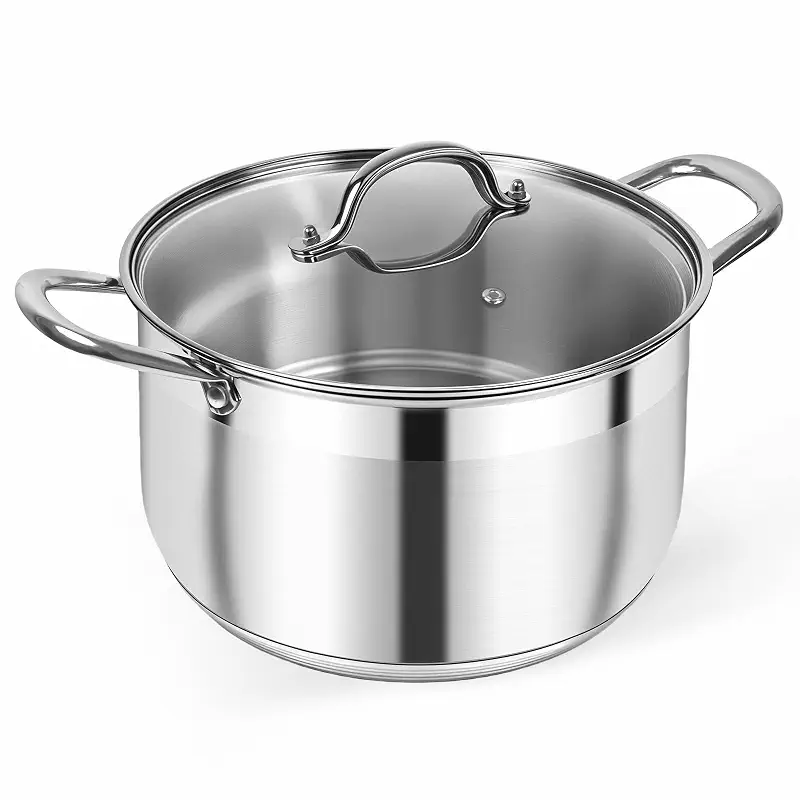
The Kirecoo stockpot is not purpose-built for jam, but it's the right tool if you need one pot to handle soups, pasta, stock, and occasional jam all year round. The 5-layer bottom with 10mm thickness provides the even heating that prevents scorching, and the 8-quart capacity gives you room to work. Owners making large batches report quick heat-up and consistent results, particularly when browning meat or boiling large pasta quantities: tasks a maslin pan won't handle well.
The glass lid with steam vent is useful for monitoring boil without opening the pot, though some reviewers noted concerns about lid durability if accidentally thermal-shocked. The nonstick interior coating is marketed for easy release, though it's worth noting that long, high-heat preserving work is more stressful on nonstick surfaces than occasional stovetop cooking. For this reason, cooks making jam weekly should lean toward stainless or copper maslin pans rather than relying on a nonstick coating over time.
Compared to dedicated maslin designs, the Kirecoo's tall sides and narrower opening mean less surface area for evaporation, so jam cooking can take longer. It's the budget-conscious pick if you already own a large stockpot and want to test jam-making, or the value choice if versatility matters more than specialized performance. For serious jam cooks, the maslin pans above will serve you better.
Pros
5-layer thick bottom ensures even heat without scorching
8-quart capacity handles family-sized batches and canning
Universal cooktop compatibility including induction
Cons
Tall narrow design reduces surface evaporation for jam
Nonstick coating less durable for extended high-heat preserving
Key features
8-quart stainless steel stockpot with 5-layer thickened base
Tempered glass lid with steam vent for monitoring
Nonstick interior for effortless food release and cleanup
Works on all cooktops: gas, electric, ceramic, induction
How to Choose a Jam-Making Pot
Four trade-offs that actually matter when matching a pot for making jam to your kitchen.
Pan Shape and Size Matter More Than You'd Think
A proper jam pan is wider and shallower than a stockpot, which lets fruit cook down faster and lets you stir without splattering. Capacity should match your recipes: 3-quart pans work for small test batches or delicate work; 8 to 9-quart pans suit standard home preserving where you're filling 4 to 12 jars per session. Too small and you're making single jars; too large and fruit takes forever to reach jelling point. Maslin pans (wide, shallow design) are the standard for jam because the shape itself prevents scorching better than any coating can.
Material Selection and Heat Conductivity
Copper heats instantly and cools instantly, giving you precise control but requiring hand-washing and periodic maintenance. Stainless steel is durable, dishwasher-safe, and nearly maintenance-free, though it responds more slowly to temperature changes. A thick, even bottom matters far more than the metal itself; a thin-bottomed copper pan will scorch as easily as a thin-bottomed stainless one. Look for pots with three-layer or encapsulated bases that promise even heat distribution across the entire cooking surface.
Cooktop Compatibility and Handle Design
If you have induction, verify the pot works on your stove: many copper and specialty pans don't. Gas, electric, and ceramic usually work with any pot. The handle setup matters more than specs suggest: a bucket-style handle and a secondary grip point let you safely move a heavy pot of hot fruit off the heat. Graduated interior markings in both metric and imperial help you scale recipes without stopping to measure, which is valuable when managing a rolling boil. A pouring spout is worth having; it makes transferring hot jam to jars significantly safer.
Frequency and Scale of Your Jam Making
If you make jam once or twice a year, a multi-purpose pot like the best pot for chili can serve double duty. Weekly cooks benefit from a dedicated maslin pan because the shape and proportions cut cooking time significantly. Small-batch traditionalists or those working with heirloom recipes might choose copper for its thermal responsiveness, accepting that hand-washing and care are part of the craft. Consider storage too: a 9-quart maslin pan takes up real cabinet space. For apartment kitchens or seasonal use, a 3-quart copper or smaller stainless option may be more realistic.
Long-Term Care and Durability
Stainless steel pans require minimal upkeep beyond normal washing; dishwasher-safe models cut chores even further. Copper needs hand-washing to preserve the tinned interior and can develop a patina over time, which some cooks find beautiful and others prefer to polish away. All jam pans benefit from proper jam pot cleaning and maintenance to keep the interior mirror-polished and free of mineral deposits, especially if you live in a hard-water area. Budget for occasional hand-washing if you want your pan to last decades.
Frequently asked
Quick answers to the questions readers ask most.
Can I use a regular stockpot for jam making instead of a maslin pan?
You can, but results will be less reliable. Stockpots are deeper and narrower, which concentrates heat and slows evaporation: your jam takes longer to reach jelling point and scorches more easily. Maslin pans' wider, shallower design lets fruit cook down faster and lets you stir without splattering. If you're making jam weekly, a proper maslin pan saves time and frustration. For occasional single batches, a stockpot works if you stir constantly and watch the heat closely.
Does induction compatibility matter for jam making?
It matters if you have an induction cooktop. Gas, electric, and ceramic stoves work with any pot. Induction requires a ferrous metal base (magnetic), which rules out pure copper and many older pans. Most modern stainless steel maslin pans and stockpots work on induction. Check the product listing before buying if you're unsure what your stovetop type is.
What's the advantage of copper over stainless steel for jam?
Copper responds instantly to temperature changes, giving you precise control over boil intensity: valuable if you're working with delicate fruits or perfecting heirloom recipes. Stainless steel is more forgiving and requires far less maintenance. Copper is beautiful and becomes an heirloom if cared for, but it needs hand-washing and occasional tinning refresh. Most home cooks find stainless maslin pans deliver excellent results with none of the upkeep.
How do I know when a pot's base is thick enough to prevent scorching?
Look for pans marketed with three-layer or encapsulated bases, or those that specify bottom thickness (10mm or more is solid). Pick up the pot: a quality base feels noticeably heavier than the sides. Read owner reviews for scorching mentions; if several buyers report even heat with no burned spots, the base is doing its job. Maslin pans and stockpots with thick bases almost never scorch if you maintain a steady boil and stir regularly.
Is a 9-quart maslin pan too large for small batches?
A 9-quart pan works fine for small batches, though you'll be stirring a wider surface rather than a deep one. The benefit is that you have room to work without fruit splattering over the edge, and the shallow sides let you see your jam clearly. If you're making single-jar batches regularly, a 3-quart copper or 6-quart stainless option lets you work on a smaller scale. For most home cooks making 4 to 12 jars at a time, the 9-quart size is ideal.