Find the best pastry board for your kitchen. Compare silicone mats, wooden boards, and hybrid designs with expert guidance on durability, size, and ease of use.
Verdict, analysis, and key features for each pick.
#1 Pick
Best Overall Value
Folksy Super Kitchen
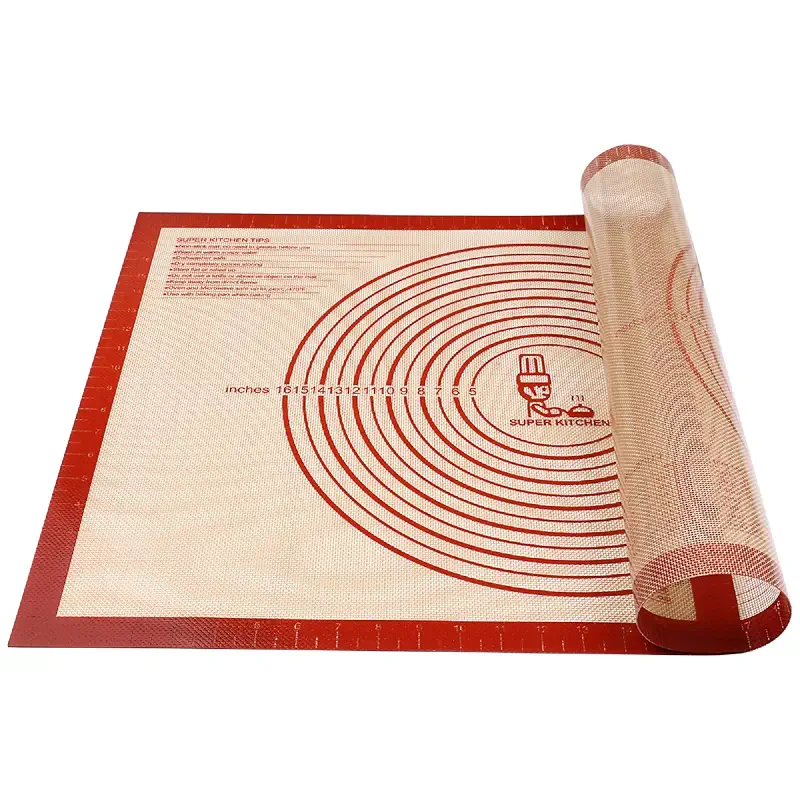
Non-slip Silicone Pastry Mat Extra Large Measurements 28''x 20'' Baking Mat | Silicone Baking Mat Counter Dough Rolling Oven Liner Fondant / Pie Crust Sourdough Bread Supplies - Folksy Super Kitchen Red
4.8(27,165)
Durable, non-slip silicone mat at an extra-large size with excellent real-world performance and loyal following.
Ideal for: Home bakers who prioritize durability, non-slip grip, and versatile sizing without premium pricing.
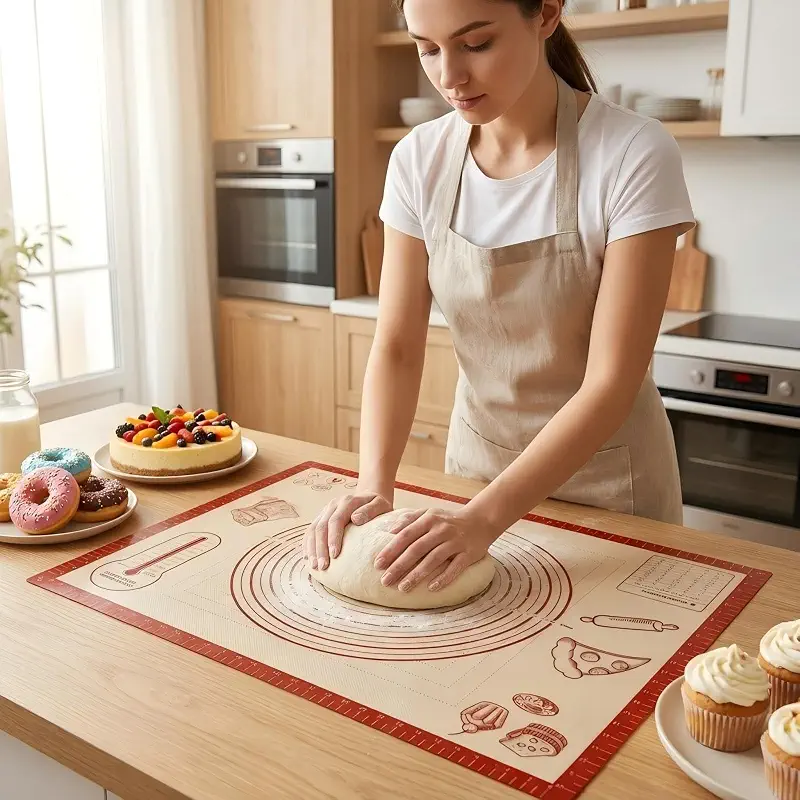
The Folksy Super Kitchen mat has earned nearly 28,000 reviews because it handles the everyday reality of home baking without pretense. The 0.7mm thickness (roughly twice the standard) means it won't bunch, wrinkle, or curl at the edges, even after years of use. Owners consistently praise how the non-slip backing actually grips the counter during kneading, a claim that matters far more than marketing copy when you're working dough.
What sets this mat apart is the balance between grip and glide. It stays put when you need stability, yet dough slides freely without requiring extra flour. The silicone is food-grade and odor-free from the start, and the 28 by 20 inch footprint covers most home counter space. You can cut directly on it without damage, use it in the oven to 470°F, and roll it up for pantry storage when you're done.
The main trade-off is that no mat is perfect for every kneading technique. Some buyers report the surface can slide on very smooth countertops if they're knead with heavy downward pressure rather than a rolling motion. If your counter is formica or laminate, this rarely surfaces as an issue. For most bakers rolling, stretching, and working dough, the stability wins out.
Pros
Non-slip backing that genuinely grips countertops during rolling
Extra-thick 0.7mm silicone resists warping and curling
Food-grade material with no odor straight from package
Measures 28 by 20 inches, covering most counter space
Cons
May shift on very smooth counters during heavy-pressure kneading
Measurements difficult to read in certain lighting angles
Key features
0.7mm food-grade silicone, twice the thickness of standard mats
Non-slip backing grips countertops and stays flat during use
Heat-resistant to 470°F, suitable for oven and stovetop
Extra-large 28 x 20 inch surface for most home baking projects
Printed measurements in inches and centimeters for precision rolling
#2 Pick
Best Wooden Board
Montex
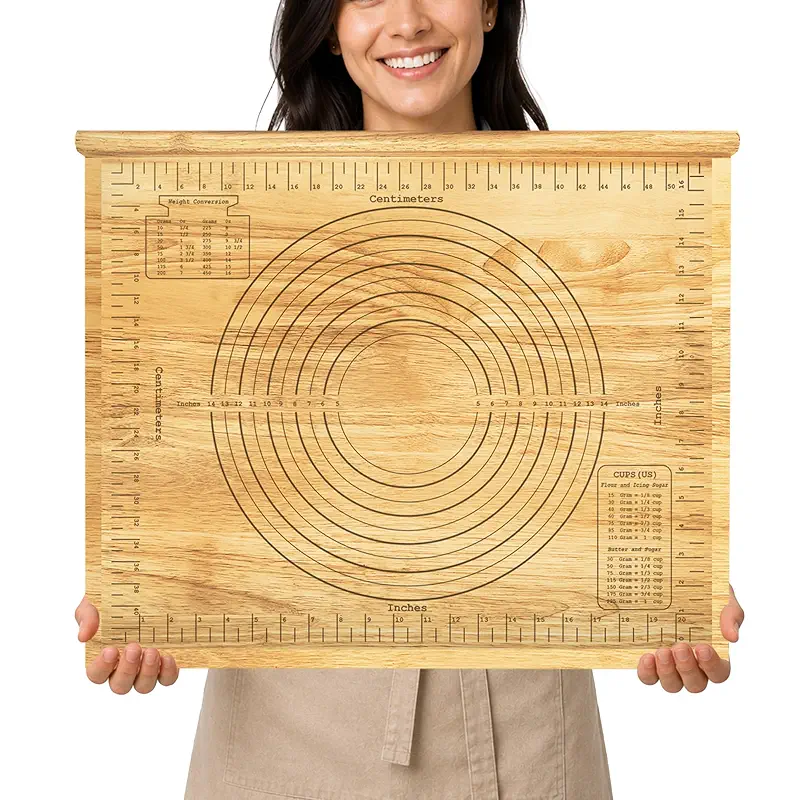
Extra Large Pastry Board, 24'' x 20" Wood Dough Rolling Tray with Edge, Reversible Cutting & Serving Board for Pizza, Bread, Pastry Baking, Kitchen Counter Dough Prep Board
4.5(63)
Reversible rubber wood board with laser-etched measurements, designed for rolling and cutting with edge lips for stability.
Ideal for: Bakers who prefer traditional wooden surfaces and value stability and precision markings for regular use.
If you prefer the feel and aesthetic of wood at your counter, the Montex Extra Large board delivers serious craft without the maintenance burden of traditional hardwood. Rubber wood (also called parawood) is durable enough for daily rolling, kneading, and cutting, yet gentler on knife blades than harder materials. The laser-etched measurements and square/circular guides on one side make sizing pie crusts and dough straightforward; the plain side serves as a general cutting board.
The side lip design addresses a real problem: wooden boards tend to migrate when you're working dough. The raised edge on both sides acts as both a barrier to contain flour spill and an anchor point that keeps the board from sliding backward under pressure. Owners who bake bread regularly report the lip makes a tangible difference in stability compared to edge-less boards. At roughly 24 by 20 inches, it's slightly smaller than the silicone mats but still adequate for home projects.
Weighed against the silicone mat, this board exchanges easy fold-up storage and heat-resistance for a more traditional working surface and better aesthetics if your counter is part of your kitchen's style. It's heavier and bulkier to store, and you'll want to wipe or hand-wash rather than toss it in the dishwasher. The trade is worthwhile if you spend significant time at the board and value the feel of wood under your hands.
Pros
Reversible design with measurements on one side, plain on other
Lip design prevents sliding during rolling and kneading
Rubber wood is durable and gentler on knife edges
Laser-etched guides for circles, squares, and measurement conversions
Cons
Heavier and bulkier than silicone mats, harder to store or move
Grooved measurement side less practical for rolling; plain side preferred
Key features
Dual-sided rubber wood with smooth and measured sides
Laser-etched measurements for precise dough sizing and conversions
Raised lips on both sides prevent sliding during kneading
24 x 20 inch working surface with polished finish
Safe for food prep, easy to clean and maintain without special oils
#3 Pick
Best Compact Wooden Option
Montex
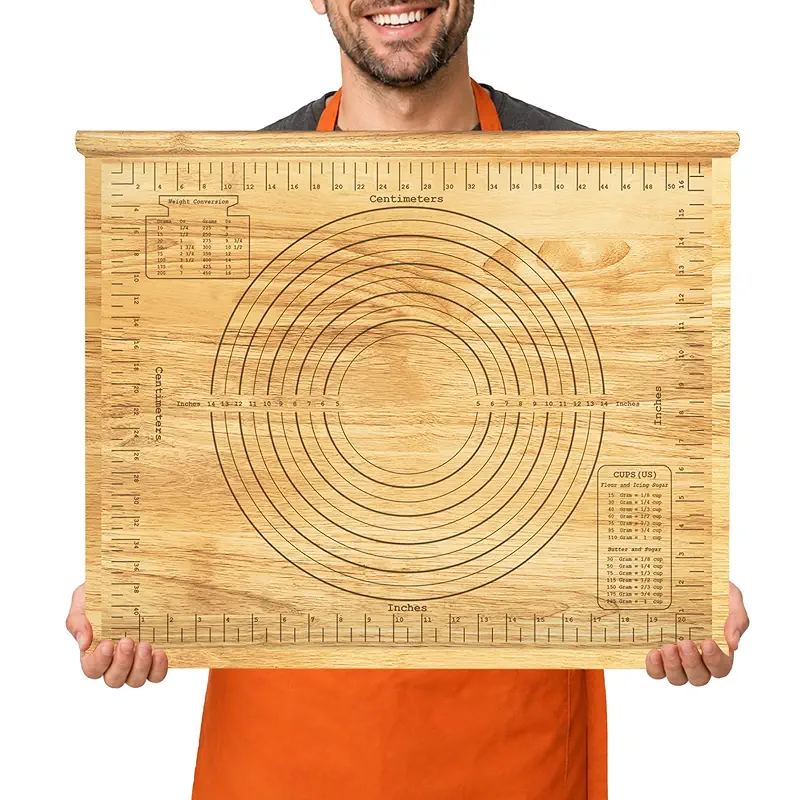
Wooden Pastry Board with Measurement, 23.5“ x 19.5" Kneading Board, 2 in 1 Pastry Baking Board with Lip
4.5(69)
Smaller wooden board with dual-side design and measurement guides, ideal for kitchens with space constraints.
Ideal for: Bakers with smaller kitchens or those who bake frequently at moderate scale without needing maximum working surface.
The Montex Wooden Pastry Board trades the slightly larger footprint of its Extra Large sibling (this model measures 23.5 by 19.5 inches) for a more compact profile that still covers solid work area. Both Montex boards share the rubber wood durability and laser-etched measurement system, so the core value (measured rolling and marked cutting edges) remains intact. If your counter real estate is limited or you prefer a board that fits more easily into a cabinet, this size strikes the balance.
Compared to the silicone mats, wood requires a different care routine and won't roll up for tight storage, but many bakers find the traditional surface and aesthetic worth the trade-off. If you've already committed to silicone vs. wood pastry boards as a material choice, the size difference between the two Montex models comes down to counter space and project scope. For cookies and smaller doughs, this works fine; for large pizzas or multiple loaves, you'd want the larger Extra Large version. The side lip design remains present here, providing the same anti-slide benefit.
Pros
Compact 23.5 x 19.5 inch size fits tight kitchen spaces
Dual-sided design with measurement guides and plain side
Rubber wood resists damage from rolling and cutting tools
Side lips provide stability during kneading
Cons
Smaller working surface than extra-large options limits larger projects
Wood requires hand-washing; not dishwasher-safe like some alternatives
Key features
Premium rubber wood with polished, food-safe finish
Laser-etched measurements with square and circular guides
Dual-sided design for rolling and general cutting tasks
23.5 x 19.5 inch surface with raised lips for counter stability
Flour and sugar measurement conversions engraved for reference
#4 Pick
Best Multi-Material Hybrid
Elihome
Elihome Essential Baking Pastry & Cutting Board for Kitchen, Wood Fiber Cutting Board for Kitchen, Knife Friendly, Dishwasher Safe, Non-Slip Feet, Juice Groove, Non-Porous, Eco Friendly, 15" x 18"
4.5(419)
Wood-fiber composite board combining non-slip feet, juice groove, and modest sizing for balanced kitchen use.
Ideal for: Cooks seeking a compact, dishwasher-safe board for light rolling and general food prep, not heavy dough work.
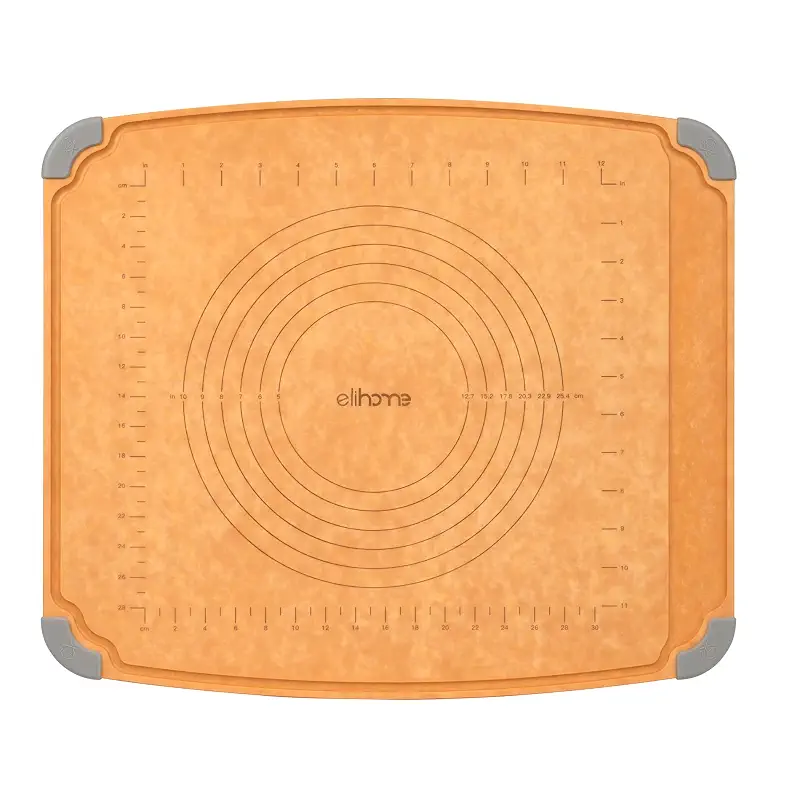
The Elihome board represents a different material category altogether: engineered wood fiber (high-density pine-leaf composite) rather than solid wood or silicone. This approach offers genuinely dishwasher-safe convenience while maintaining a wooden-board feel and aesthetic. The non-slip rubber feet keep it firmly planted during cutting or light kneading, and the juice groove on one side captures flour and crumbs, reducing counter mess. Laser-engraved pastry measurements appear on the working surface.
At 15 by 18 inches, this is the smallest board in the lineup, positioning it as a secondary prep surface rather than a primary baking mat. Where the silicone mats and larger wooden boards are designed for full-scale dough work, the Elihome shines for mixing, measuring, and light rolling: a capable companion for smaller projects or for use alongside a larger mat. It doubles as a trivet (rated to 350°F) and the engineered-fiber material is knife-friendly and won't shed like traditional wood. Compared to the larger Montex wooden boards, you're trading working surface area for dishwasher convenience and a lower entry price point. It's not a replacement for a pastry mat if you regularly make bread or large pastries; it's an addition if counter flexibility and easy maintenance rank high.
Pros
Engineered wood fiber is dishwasher-safe and easy to clean
Non-slip rubber feet keep board stable without sliding
Juice groove contains flour and crumbs on countertop
Modest 15 x 18 inch size fits most dishwashers and storage
Cons
Small working surface unsuitable for large dough projects or bread
Material durability over years of heavy rolling remains unproven
Non-slip rubber feet and juice groove for stability and mess control
Laser-engraved pastry measurements and roller-pin rest groove
Heat-resistant to 350°F for use as a trivet or hot-pad shield
15 x 18 inch size ideal for light prep and occasional rolling
#5 Pick
Best Premium Silicone Mat
Quellance
Silicone Baking Pastry Dough Mat - 28x20Inch Extra Large Cookie Bread Rolling Mats Sheet, Nonstick Kitchen Counter Kneading Board, Thick Reusable Pie Cookies Pizza Fondant Making Matt with Measurement
4.7(1,690)
Extra-thick silicone with precise measurements, non-slip base, and exceptional durability for dedicated bakers.
Ideal for: Serious home bakers and sourdough makers who want extra-thick silicone with highly visible measurement guides.
The Quellance mat matches the Folksy Super Kitchen in size (28 by 20 inches) and core non-slip technology, but emphasizes thickness and print clarity as its standout features. The 0.7mm construction is identical to the Folksy, ensuring the same resistance to warping and edge-curl that owners rely on. What distinguishes this mat is the measurement print in inches and centimeters on both sides, making the guides more visible and useful for precision rolling. Buyers specifically note the helpful accuracy of the guides and the fact that they remain readable through repeated washing.
Where this mat separates from the Folksy is in the emphasis on serious bakers. Quellance's positioning around sourdough, pizzas, and fondant work appeals to cooks who view the mat as a primary baking tool rather than a convenient accessory. It's equally dishwasher-safe, folds or rolls for storage, and handles the same temperature range. The core performance is comparable to the Folksy, so the choice between them often comes down to measurement clarity preferences and whether you care about the brand messaging around serious baking. If the Folksy mat's measurement readability in certain light bothered you, this version addresses that directly.
Pros
0.7mm thick reinforced silicone, twice standard thickness
Measurement guides printed on both sides in inches and centimeters
Non-slip backing keeps mat firmly in place during kneading
Food-grade, dishwasher-safe, and heat-resistant to high oven temps
Cons
Large 28 x 20 inch size can be difficult to hand-wash thoroughly
Measurement text color hard to read against mat surface in some conditions
Key features
0.7mm food-grade silicone with reinforced non-slip base
Dual-sided measurement printing in inches and centimeters
Extra-large 28 x 20 inch surface for substantial baking projects
Heat-resistant and oven-safe; folds or rolls for flexible storage
Non-stick surface requires minimal flour for dough rolling and shaping
How to Choose a Pastry Board
Four trade-offs that actually matter when matching a pastry board to your kitchen.
Material: Silicone vs. Wood
Silicone mats and wooden boards each serve different preferences and workflows. Silicone is lightweight, folds for storage, and works double-duty in the oven or as a counter liner. Wood offers a traditional feel and aesthetic presence on your counter, and many bakers find it more pleasant to work with over long sessions. The material choice often depends on whether you prioritize ease of cleanup and storage (silicone) or the tactile experience and visual appeal (wood). Learn more about the practical differences in our guide to silicone vs. wood pastry boards to help you decide which suits your kitchen style and baking routine.
Size and Counter Space
Pastry boards range from 15 inches to 28 inches in length. Extra-large mats (28 by 20 inches) cover most standard counter sections and give you room for multiple items without overlap. Smaller boards (18 by 15 inches or so) work for light rolling and prep but require careful positioning if you're making large loaves or pizza dough. Measure your counter workspace and consider what you typically make. If you roll dough weekly and want flour contained to one surface, an extra-large mat pays for itself in counter protection alone.
Stability and Non-Slip Performance
A mat that slides around during kneading defeats its purpose. Non-slip silicone backing or wooden boards with edge lips prevent the frustration of repositioning mid-work. Test reviews often mention stability as a deciding factor: owners who praise their mats almost always note that it stayed put. This feature matters most if you knead dough, press down hard while rolling, or work on smooth countertops like granite or glass.
Measurement Guides and Precision
Wooden boards and some silicone mats include laser-etched or printed measurements for circles, squares, and common sizes. These guides are genuinely useful if you make pie crusts, pizzas, or fondant to exact dimensions, but they're not essential for casual bakers. If you rely on precision, check that the markings are legible: some measurement text fades or becomes hard to read under kitchen lighting. For ongoing pastry board cleaning and maintenance, printed guides are easier to preserve than scratched-in marks.
Cleaning and Long-Term Care
Silicone mats wipe clean or go in the dishwasher; wooden boards require hand-washing and occasional drying. Neither requires special oils or treatments if cared for properly, but wood is more sensitive to prolonged moisture. Consider how much time you want to spend on cleanup: if dishwasher convenience is a priority, silicone wins. If you're willing to hand-wash for the feel of wood, the trade is manageable.
Frequently asked
Quick answers to the questions readers ask most.
Can I use a pastry board in the oven?
Most silicone mats are oven-safe to 350–470°F and can double as baking sheet liners. Wooden boards should not go in the oven. The Elihome hybrid board is rated to 350°F as a trivet shield but isn't designed for direct oven use. Always check the product specifications before placing any board in the oven.
What's the best way to prevent my mat from sliding while I knead dough?
Non-slip silicone backing or wooden boards with edge lips are designed specifically for this. If your mat still slides on a very smooth counter, try placing a damp towel underneath it for extra grip, or work on a section of counter with more texture. Avoid taping or permanently securing a mat, as this defeats the purpose of having a portable surface.
How do I get flour out of the grooves and measurement markings?
On silicone mats, a quick wipe with a damp cloth usually works fine. For wooden boards with laser-etched measurements, simply brush or wipe away loose flour before rinsing. The grooves are shallow enough that flour doesn't get deeply embedded. Avoid aggressive scrubbing or high-pressure water spray, which can eventually wear away markings.
Do pastry boards actually prevent dough from sticking?
Quality silicone and properly maintained wood boards significantly reduce sticking, especially with a light dusting of flour rather than heavy coating. True non-stick performance depends on the material quality and how well you've worked the dough. Wet or very sticky doughs may still require a bit of flour, but a good board cuts your overall flour usage by at least half and makes cleanup far easier.
How long do pastry boards typically last?
Silicone mats last 5-10+ years with normal use; many owners report using the same mat for over a decade. Wooden boards can last just as long if hand-washed and allowed to dry fully. Durability depends more on how often you use the board and how well you care for it than on the initial material cost. Both types should not be subjected to extreme heat or left wet for prolonged periods.