Kitchen & Dining · Gadgets
Best Orange Peeler Tools & Citrus Gadgets for Easy Peeling
Find the best orange peeler for your kitchen. Compare plastic, stainless steel, and specialty citrus peelers with expert reviews and buyer insights.
Affiliate disclosure: As an Amazon Associate I earn from qualifying purchases.
At a glance
2
Best for Cocktail GarnishesA Bar Above
3
Best Timeless DesignTupperware
4
Best Value MultipackNewTalent
5
Best for Heavy-Duty PeelingCoksdupid
Detailed reviews
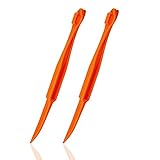
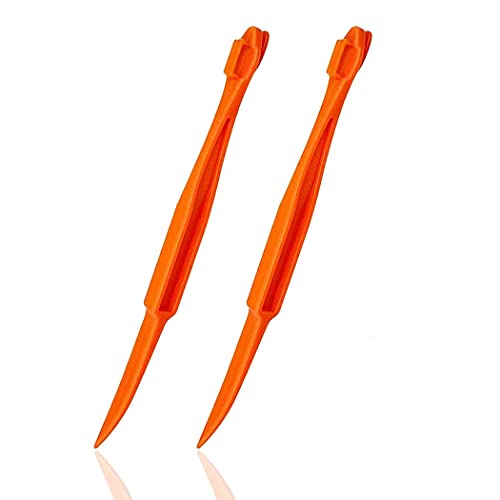
The Cosmer two-pack hits the balance most cooks are after: it costs nearly nothing, works reliably, and comes with a backup so one never gets lost in a drawer. Buyers consistently report that these peelers last through years of daily use, and the dual-end design (sharp scoring edge plus a flat lift end) handles the full peeling workflow without needing a second tool. The plastic won't corrode or require special care, and parents appreciate that kids can use them safely.
What makes this design enduring is its simplicity. You score the peel in strips from top to bottom, then flip the tool to peel away sections. The scale of reviews (nearly 5,000 across Amazon) shows this isn't a niche pick; it's become the baseline expectation. People buy it as a replacement for ones they lost or inherited from family members, which speaks to how deeply this tool embeds in kitchen routine.
The trade-off is that plastic will eventually wear. Some buyers note the material feels basic, and if you peel a lot of thick-skinned fruit or require fine precision for garnishes, you might prefer the control and durability that comes with stainless steel alternatives.
Pros
- Proven durability despite modest plastic construction
- Two-tool design handles scoring and lifting in one grip
- Compact size fits easily in any drawer or kitchen gadget set
Cons
- Plastic material lacks the longevity of metal options
- Less precise for specialty tasks like cocktail garnish strips
Key features (4)
- Two-pack set with sharp scoring edge and flat peeling end
- Food-safe plastic construction, safe for all ages
- Lightweight and space-efficient for small kitchens
- Works on oranges, lemons, limes, grapefruit, and other citrus
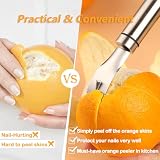
The A Bar Above peeler addresses a specific pain point: standard vegetable peelers tear citrus skin too thin for proper garnish work, and knives take too much skill and waste too much fruit. This one's engineered with an angled blade that removes just enough pith to stay flexible without breaking when you express the oil. Bartenders and home cocktail makers report it delivers consistent, visually polished strips every time, turning Old Fashioned and Manhattan prep from frustration into ritual.
The build quality separates this from budget plastic tools. 304 stainless steel resists corrosion, cleans easily in the dishwasher, and the contoured grip supports steady hand motion without fatigue. Owners praise the balance and control, noting it reduces hand cramps during prep for multiple drinks. If you're building a home bar or upgrading from makeshift knife work, this integrates seamlessly with matching barware.
Compared to the Tupperware-style plastic peeler, this sacrifices the dual-function design for a single-purpose blade that excels at one job. It's also a step up in investment, so if you peel the occasional orange for juice or snacking, the extra precision and durability may be unnecessary. But for cocktail work or anyone who values finesse, it's the standout choice.
Pros
- Angled stainless steel blade engineered for garnish-weight strips
- Ergonomic grip reduces hand fatigue during batch prep
- Professional-grade 304 stainless resists corrosion and maintains shine
Cons
- Single-purpose design limits versatility compared to dual-end tools
- Higher price point than plastic alternatives
Key features (4)
- 304 stainless steel blade with polished professional finish
- Angled design controls pith removal for flexible, quality garnishes
- Contoured ergonomic handle for steady, comfortable control
- Part of coordinated barware collection for cohesive setup
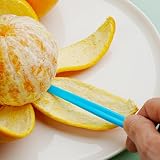
This peeler carries the weight of nostalgia alongside solid performance. Buyers pull the exact same tool their grandparents used forty, fifty years ago, and the consistency is almost shocking. The hook-shaped wedge at the top cuts peel into four strips (imagine a Mercator map of the orange), which then lift away with minimal juice loss and nearly complete rind removal. Multiple owners mention buying extras after finally losing or gifting their decades-old original.
The four-pack addresses a household reality: you buy one, use it daily, and it vanishes into a drawer or gets grabbed by family members. Having backups means you'll actually find one when you need it. The hard plastic feels substantial without being heavy, and the design is intuitive enough that children can use it safely. Owners consistently report that the tool requires minimal learning and delivers results immediately.
Where this differs from the A Bar Above stainless peeler is in scope. This is a pure volume tool for eating fruit, not for garnish precision. And compared to the NewTalent set (which offers six peelers at a similar investment), you get fewer units in the box, though Tupperware's heritage and established durability may justify the choice.
Pros
- Proven 40+ year legacy with unchanged core design
- Four-pack ensures backups don't get permanently lost
- Wedge cuts create clean strips that lift away with minimal mess
Cons
- Plastic material will eventually wear with heavy, frequent use
- Less specialized than stainless steel for cocktail work
Key features (4)
- Four-pack of hard plastic peelers with vintage design pedigree
- Hook wedge scores peel into four manageable strips per orange
- Dual-end functionality: sharp cutter and flat lift for white pith
- Food-grade construction safe for all family members
The NewTalent six-pack strikes a balance between Cosmer's minimalist two-pack and the Tupperware four-pack. For households where orange peelers tend to migrate, disappear, or get chewed by dogs (buyers actually report this), having six units scattered across the kitchen, car, or shared spaces is practical insurance. The food-grade plastic is reinforced to handle daily rotation, and the slim profile slides under thick rinds without damage to the fruit.
Buyers who owned Pampered Chef or Tupperware peelers years ago often land here, noting the NewTalent design and performance sit squarely in that lineage. The ultra-slim handle is intentional: it's thin enough to slip between the peel and flesh, but ergonomic enough for extended use without cramping. Reviews emphasize durability at a fraction of specialty pricing. The neon bright colors make peelers easier to spot in a crowded drawer, which extends their useful life (you actually find them).
The trade-off against the Cosmer two-pack is that you're buying more units (which helps with loss prevention but takes up space), and against the A Bar Above stainless peeler is that plastic lacks the precision and corrosion resistance. This is the sweet spot for families or frequent orange eaters who want quantity and proven function without premium pricing.
Pros
- Six-pack ensures backups are always within reach
- Food-grade reinforced plastic balances durability with low weight
- Bright neon colors make tools easier to locate and track
Cons
- Takes up more storage space than smaller two or four-packs
- Plastic construction won't match stainless steel longevity
Key features (4)
- Six-pack of food-safe reinforced plastic peelers in bright colors
- Ultra-slim profile inserts cleanly under citrus peel without bruising
- Sharp edge scores, pointed end lifts for complete two-step workflow
- Lightweight and portable for car, kitchen, or travel use
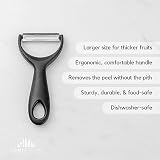
The Coksdupid peeler takes a different approach: instead of the hook-and-lift design of plastic tools, it pairs a triangular stainless blade with a zigzag scraper on the reverse. The blade cuts cleanly through tough rinds (thick navels, grapefruits, pomelos), and the serrated end removes stubborn white pith that clings after initial peeling. This dual-end metal tool is built more like a small kitchen knife than a gadget, which appeals to cooks doing high-volume prep or handling tougher citrus varieties.
The 304 stainless steel construction withstands commercial kitchen pace and dishwasher cycles without dulling or corroding. The wider handle provides leverage and reduces hand strain during sustained peeling sessions, and the hanging loop design keeps it accessible. Owners report the tool excels at juice prep, where thick skins and speed matter most. The serrated scraper side is a genuine advantage if you prefer peeling to remove almost all white pith, which some find unpleasant.
This is where plastic vs stainless steel peelers diverge most visibly. The Cosmer and NewTalent tools are faster learners and gentler on delicate fruit like mandarins; this one demands a steadier hand and sharper attention to blade angle, especially on thinner-skinned varieties. If you're peeling a few oranges on Tuesday, the plastic pack is simpler. If you're prepping juice weekly or handling grapefruit and thick-rind citrus, the stainless steel control and durability earn their place.
Pros
- Triangular stainless steel blade cuts through tough, thick rinds
- Zigzag serrated scraper removes stubborn white pith effectively
- Durable 304 stainless withstands heavy use and dishwasher cycles
Cons
- Requires more technique and caution than plastic alternatives
- May cut too deep for delicate fruit like tangerines
Key features (4)
- 304 stainless steel with triangular blade and zigzag-serrated scraper
- Wider handle for leverage and reduced hand fatigue in sustained prep
- Hanging loop design for convenient storage and accessibility
- Works on thick-rind fruit: oranges, grapefruits, pomelos, passion fruit
How to Choose the Right Orange Peeler for Your Kitchen
Plastic vs. Stainless Steel: Material Durability and Use Cases
The choice between plastic and stainless steel hinges on frequency and application. Plastic peelers (Cosmer, NewTalent, Tupperware-style) excel for casual daily eating: they're lightweight, safe for all ages, and require no maintenance. Stainless steel tools (A Bar Above and Coksdupid) handle high-volume prep, commercial kitchens, and dishwasher cycling without dulling. For most households that peel a few oranges weekly, plastic offers reliability and simplicity. If you make fresh juice regularly, craft cocktail garnishes, or manage multiple units through a family of heavy consumers, plastic vs stainless steel peelers becomes a question of wear tolerance and whether precision or speed matters more to your workflow.
Design: Hook-and-Lift vs. Blade-and-Scrape
Hook-and-lift designs (plastic peelers and Tupperware-style tools) score the peel in strips that naturally separate, making them intuitive and fast. They work beautifully on navel oranges and mandate minimal technique. Blade-and-scrape designs (the stainless Coksdupid and A Bar Above) give you more control over blade depth and pith removal, which is why bartenders prefer them for garnish work and juice makers prefer them for handling thick-skinned fruit. If you're new to peeling gadgets, start with the hook design; if you need precision or handle challenging fruit regularly, a blade tool offers more finesse.
Single vs. Multi-Pack: Quantity and Loss Prevention
A two-pack covers a household's immediate need. A four or six-pack addresses a reality: orange peelers migrate. Kids grab them, family members borrow them, and they get lost in drawers. Buying in bulk ensures you'll find one when you need it, especially in larger households or if you give peelers as gifts. If you live alone or eat oranges occasionally, a two-pack is sensible. If multiple people consume citrus or you make juice weekly, a four or six-pack pays dividends in convenience and reduced search time.
Specialty Purpose: Cocktail Garnish vs. Everyday Eating
Most peelers handle both tasks adequately, but A Bar Above's design was engineered specifically for cocktail work. The angled blade and ergonomic grip let you produce consistent, visually polished strips without tearing. If cocktails are incidental, a standard peeler suffices. If you're building a home bar or regularly craft garnishes for drinks, the extra control and durability justify the investment. For everyday eating and casual juice prep, any of the plastic or dual-function stainless tools will serve you well, and orange peeling techniques guide can improve your speed and precision with whatever tool you choose.
Our picks at a glance
2
Best for Cocktail GarnishesA Bar Above
3
Best Timeless DesignTupperware
4
Best Value MultipackNewTalent
5
Best for Heavy-Duty PeelingCoksdupid
Frequently asked
Can I use an orange peeler on other citrus like lemons and grapefruits?
Yes, all five tools work on lemons, limes, and grapefruits. The plastic peelers excel on thinner-skinned fruits like lemons and tangerines, where their gentle action prevents bruising. For thick-skinned grapefruits and pomelos, the stainless steel Coksdupid with its serrated scraper handles stubborn pith better. The A Bar Above works well on all citrus, though it's designed primarily for garnish work. Test your preferred tool on a few varieties to find its sweet spot.
Are orange peelers dishwasher safe?
Plastic peelers can go in the dishwasher, though hand-washing extends their life. Stainless steel tools like the A Bar Above and Coksdupid are fully dishwasher-safe and benefit from it; the cycles don't dull or corrode them. Check the product listing to confirm, but most modern peelers are safe on high heat. Hand-rinsing immediately after use prevents peel buildup and keeps any tool cleaner longer.
How deep should an orange peeler cut to avoid bitter pith?
The goal is to remove the colored zest without taking too much white pith, which carries bitter compounds. Most hook-and-lift plastic peelers cut to the right depth automatically; you score and peel without overthinking it. Blade tools like the stainless steel Coksdupid require a steadier hand and some practice to nail the angle. If white pith remains, use the serrated scraper end to remove it cleanly. A little trial on your first orange teaches you the angle quickly.
Do plastic peelers wear out, and how long do they typically last?
Plastic peelers from Cosmer, NewTalent, and Tupperware-style designs last years with normal use. The sharp edge gradually dulls with time and heavy prep, but most users report getting 2-5 years or more before replacement becomes necessary. Since they're inexpensive, replacement is painless. Stainless steel tools last considerably longer and maintain their edge indefinitely, though they require more careful technique to avoid accidents due to their sharpness.
Which peeler is safest for children to use?
Plastic peelers are the safest choice for kids. Their duller edges reduce cut risk, and their lightweight construction is easy for small hands to control. The blunt-end design on most plastic peelers (especially NewTalent) is marketed with child-safety in mind. Stainless steel tools like the A Bar Above and Coksdupid have sharp blades and require adult supervision and steady technique. If kids will be peeling, start them with plastic and supervise until they develop proper grip and hand position.