Kitchen & Dining · Small
Best Mocha Syrup for Coffee: Top Picks for Home & Cafe
Find the best mocha syrup for coffee drinks. Compare premium, budget, and specialty options for lattes, mochas, and desserts with expert guidance.
Affiliate disclosure: As an Amazon Associate I earn from qualifying purchases.
At a glance
1
Best OverallHollander Chocolate
2
Best for Calorie CountersJordan's Skinny Mixes
3
Best All-Purpose Chocolate SyrupDaVinci Gourmet
4
Best for Daily Heavy UsersHollander Chocolate
5
Best Premium Compact OptionGhirardelli
Detailed reviews
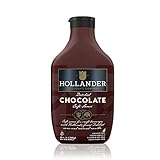
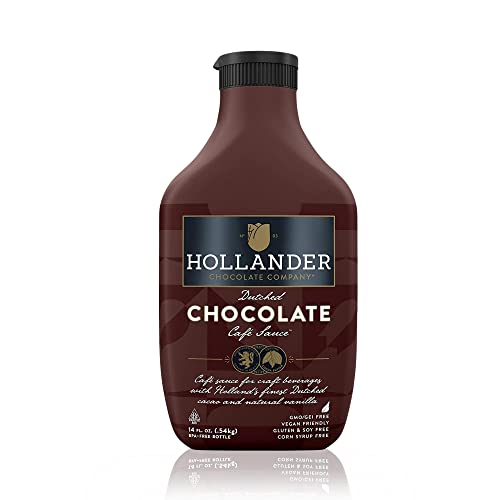
This is a syrup built for someone who notices the difference between real cocoa and generic sweetness. The Dutched cacao base (a higher-grade processing method that smooths bitterness) gives it a depth that reads less like candy and more like actual chocolate. Owners rave about how it dissolves cleanly into hot coffee, including the intensely concentrated brews that turkish coffee maker picks consistently produce, without graininess, and the ingredient list (real cane sugar, natural vanilla, no corn syrup or gums) appeals to anyone paying attention to what goes in their cup.
We'd reach for this if daily mochas are your ritual and your white coffee maker setup is already dialed in for the full flavor experience. It's vegan, gluten-free, and comes in a convenient squeeze bottle that travels well. The 15 fl. oz size is modest, so you're not committing to a huge bottle right away.
The main caveat is that it costs more than commodity chocolate syrups, and some reviewers note the flavor is quite rich, so intense it can overwhelm if you prefer lighter chocolate notes. If your household has varied chocolate tastes, you might find this too bold for someone used to milder syrups.
Pros
- Silky texture dissolves smoothly in hot coffee
- Rich, authentic Dutch cocoa flavor without artificial taste
- Clean label: vegan, GMO-free, no corn syrup
Cons
- Higher price point than standard chocolate syrups
- Flavor is quite intense; may be too rich for lighter preferences
Key features (4)
- Holland's Finest Dutched Cacao with real cane sugar and natural vanilla
- 15 fl. oz squeeze bottle with flip cap for easy dispensing
- Shelf-stable, vegan, gluten-free, and Kosher Pareve certified
- No high-fructose corn syrup, artificial flavors, or trans fats
Jordan's Skinny Mixes has built a massive following by solving a real problem: how to get dessert-level flavor without the sugar crash. This mocha syrup uses sucralose to achieve zero calories and zero carbs while tasting genuinely sweet. Reviewers consistently note it works in hot coffee, iced lattes, protein shakes, and even drizzled over popcorn, which speaks to its versatility.
Where this beats the premium options is value and scope. A 25.4 fl. oz bottle lasts 60+ drinks at typical serving sizes, and you're not paying for small squeeze bottles. It's also keto-friendly and dairy-free, which opens it to more dietary restrictions than many competitors.
The trade-off is a faint artificial-sweetener edge that some palates catch, especially when tasted cold or neat. A few reviewers mention it separates in iced drinks unless stirred well, and the ingredient list includes caramel color and potassium sorbate: acceptable to most, but not for anyone chasing a clean-label diet. If you're already comfortable with artificial sweeteners, the flavor payoff is strong enough to outweigh this.
Pros
- Zero sugar, zero calories, zero carbs per serving
- Large 25.4 oz bottle provides excellent value and longevity
- Works in hot coffee, iced drinks, shakes, and desserts
Cons
- Faint artificial-sweetener aftertaste some users detect
- Can separate in cold drinks without vigorous stirring
Key features (4)
- Sugar-free mocha with sucralose sweetener; keto and gluten-free
- 25.4 fl. oz bottle yields 60+ servings at standard ratios
- Made in USA; dairy-free, kosher, blends easily hot or cold
- Versatile use: coffee, lattes, shakes, yogurt, cocktails, desserts
DaVinci Gourmet occupies the middle ground: better than cheap grocery-aisle syrups but not as precious as single-origin craft brands. The formula uses semisweet chocolate and pure cane sugar (not corn syrup), which gives it more character than thin, watery competitors. Owners report it doesn't curdle in milk, mixes evenly without separation, and delivers a pleasant chocolate sweetness that doesn't taste artificial.
This syrup earned its reputation through accessibility and reliability. The bottle is large (25.4 fl. oz), the pour is easy to control, and reviewers use it across coffee, Italian sodas, ice cream, and even cocktails. If you're building a home mocha setup but want something less precious than the Hollander, this is a sensible middle option. Compared to the Jordan's Skinny Mixes offering, this has actual sugar and a fuller mouthfeel, which some prefer even if it carries calories.
The drawback is that it's sweeter and less sophisticated than the Dutch-cacao options, so if you've had a truly exceptional mocha from a specialty cafe, this won't quite match that depth. It's also mainstream enough that if you're looking to feel like you're using a secret-ingredient syrup, this won't deliver that satisfaction.
Pros
- Mixes smoothly in hot and cold beverages without curdling
- Large 25.4 oz bottle at moderate cost provides good value
- Pure cane sugar base tastes more natural than corn-syrup competitors
Cons
- Less sophisticated chocolate depth than premium Dutch-cacao options
- Contains regular sugar, not ideal for low-calorie or keto diets
Key features (4)
- Semisweet chocolate made with pure cane sugar. Kosher-Pareve
- 25.4 fl. oz bottle; fat-free formula resists curdling in dairy
- Blends easily hot or cold; professional-grade for home use
- Versatile: coffee drinks, desserts, ice cream, cocktails, baking
If the original Hollander 15 oz squeeze bottle was a treat, this 64 fl. oz version is a commitment. The same Dutch-cacao base and clean ingredients, but packaged for homes that go through mochas like a small cafe would. The pump dispenser is a game-changer for daily users: no squeeze-bottle hand fatigue, consistent portions, and less sticky mess. Owners who make espresso drinks every morning report this bottle lasting 6 weeks or more, which translates to better per-ounce value than smaller options.
The Rainforest Alliance certification also matters if ethical sourcing resonates with you. It's the same premium flavor as the smaller bottle, just in quantity. Compared to the DaVinci option, you're paying more upfront but getting a genuinely superior chocolate taste and a pump that simplifies the ritual.
The reality check: this is a large, heavy bottle. It needs pantry or fridge space (some reviewers recommend refrigerating after opening, though the label says it doesn't require it). It's overkill if you make mochas once a week, and the initial commitment is higher. For someone who loves specialty coffee at home, though, this removes the friction of constantly buying syrup.
Pros
- Large 64 fl. oz size lasts 6+ weeks for daily users
- Pump dispenser included; convenient and mess-free portioning
- Same premium Dutched cacao as smaller bottle. Rainforest Alliance certified
Cons
- Bulk size requires significant pantry or fridge space
- Higher initial investment than smaller bottles or other brands
Key features (4)
- 64 fl. oz professional-grade bottle with non-drip pump included
- Holland's Finest Dutched Cacao with cane sugar and natural vanilla
- Rainforest Alliance certified; vegan, gluten-free, no HFCS
- Shelf-stable and induction-sealed. GMO-free and Kosher Pareve
Ghirardelli is a heritage chocolate brand with decades of credibility, and this premium dessert sauce trades on that reputation. Made with real chocolate and positioned as both a coffee topping and a dessert staple, it occupies a niche between syrup and sauce. The 16 oz squeeze bottle is smaller and more compact than most competitors, which appeals to households with limited pantry space or anyone who wants to sample a premium option before committing to larger bottles.
Owners appreciate the richness and the fact that it's formulated for espresso drinks specifically. The squeeze bottle design makes portion control easy, and the compact footprint means it fits tidily next to coffee supplies. However, the product details note you must refrigerate after opening and avoid microwaving, which adds a small friction point compared to shelf-stable competitors.
Where this differs from the Hollander options is that Ghirardelli doesn't publicize Dutched-cacao specifics or as many clean-label certifications in the product copy, so if those details matter to you, you'd want to verify the full ingredient list separately. The 16 oz size also costs more per ounce than larger bottles, making it a premium-priced compact choice rather than a value play. For someone who wants a recognizable, quality brand in a smaller format, it works; for daily mocha making, bulk sizes from other brands offer better economics.
Pros
- Made with real chocolate; backed by Ghirardelli brand heritage
- Compact 16 oz squeeze bottle fits tight pantry or counter space
- Formulated specifically for coffee drinks and dessert toppings
Cons
- Requires refrigeration after opening; no microwaving allowed
- Higher cost per ounce compared to larger bulk bottles
Key features (4)
- 16 oz bottle of premium chocolate dessert sauce made with real chocolate
- Squeeze bottle design for easy drizzling and storage control
- Suitable for espresso drinks, ice cream, baking, and dessert toppings
- Cool, dry storage; refrigerate after opening for optimal freshness
How to Choose a Mocha Syrup
Ingredient Quality and Flavor Profile
The difference between a mocha syrup and actual chocolate matters on the palate. Syrups made with real cocoa, especially Dutched cacao, deliver a deeper, less artificial taste than those relying on chocolate flavoring or high-fructose corn syrup. If you make mochas daily, investing in a higher-grade base pays off in every cup. For occasional use or mixing into iced drinks, a mid-range cane-sugar syrup handles the job fine. Consider whether you want richness (Dutched options) or balanced sweetness (classic syrups), and test the ingredient list if you avoid additives, artificial sweeteners, or specific allergens.
Size, Shelf Life, and Storage
Mocha syrup comes in 15 oz squeeze bottles, 25+ oz standard bottles, and bulk 64 oz formats. Daily mocha makers benefit from larger bottles and pump dispensers, which reduce refilling frequency and provide better portion control. Shelf-stable syrups (no refrigeration needed) suit small kitchens; others require cool storage after opening. If counter space is limited, a compact 16 oz bottle may suit you better than a bulk format. Check whether the product is induction-sealed and stable at room temperature, especially if you plan to travel with it or stock it in a cafe.
Dietary Restrictions and Nutrition
Sugar-free syrups using sucralose or other sweeteners appeal to keto followers and calorie counters, but come with a slight artificial aftertaste some users detect. Traditional cane-sugar syrups carry calories but often taste richer and blend better in cold drinks. Vegan, gluten-free, and allergen-free options are widely available now; check labels if dairy, nuts, or soy matter to your household. A mocha syrup versus chocolate sauce distinction can also affect how you use it: chocolate sauces often have different viscosity and storage needs than thinner, pourable syrups, so understanding the mocha syrup usage guide helps you pick the right format.
Value and Quantity
Premium single-origin or small-batch syrups cost more per ounce but deliver superior flavor if you use them regularly. Bulk bottles from established brands often offer better economics for daily users, especially if you're making multiple drinks per week. Try a smaller bottle first to confirm you like the taste before committing to a 64 oz format. Compare price per fluid ounce and expected serving count to find the best value for your consumption rate. Occasional users or those experimenting with different brands may prefer compact sizes to avoid waste.
Blending and Mixing Behavior
Some syrups separate in cold drinks or curdle in hot milk if not formulated carefully. Owners report that higher-quality syrups (especially those with Dutched cacao) dissolve more smoothly and resist separation, while budget options occasionally need vigorous stirring. If you make iced mochas regularly, test whether the syrup stays suspended without constant agitation. Hot espresso drinks usually blend more easily, but adding syrup to steamed milk requires a formula that won't break or develop a grainy texture. Professional-grade syrups designed for barista use tend to perform better across both hot and cold applications.
Our picks at a glance
1
Best OverallHollander Chocolate
2
Best for Calorie CountersJordan's Skinny Mixes
3
Best All-Purpose Chocolate SyrupDaVinci Gourmet
4
Best for Daily Heavy UsersHollander Chocolate
5
Best Premium Compact OptionGhirardelli
Frequently asked
What's the difference between mocha syrup and chocolate syrup for coffee?
Mocha syrup blends chocolate with coffee notes and is designed specifically for espresso drinks, while chocolate syrup is a broader category that includes generic chocolate flavoring for desserts and drinks. A quality mocha syrup emphasizes balance (enough sweetness to enhance without masking the coffee) whereas a pure chocolate syrup prioritizes chocolate taste for ice cream, hot cocoa, or baking. The mocha syrup versus chocolate sauce distinction also matters: sauces are often thicker and richer, while syrups pour easily and blend smoothly. For mochas, a dedicated mocha syrup or a high-quality chocolate syrup works fine; generic versions may taste thin or overly sweet.
Can I use mocha syrup in cold iced coffee?
Yes, but with a caveat. Most syrups blend easily in hot coffee because heat helps dissolve the syrup evenly. In iced drinks, some syrups (especially thicker ones or those with certain sweeteners) can separate and sink to the bottom unless you stir vigorously. To avoid this, mix the syrup with a small amount of hot coffee or milk first, then add it to your cold brew. Alternatively, choose a syrup labeled as blending well in cold drinks. Professional-grade options tend to suspend better in iced beverages than budget syrups, so if you make cold mochas regularly, this is worth factoring into your choice.
How much mocha syrup should I add to one cup of coffee?
Most recipes recommend 1 to 2 tablespoons (roughly 0.5 to 1 oz) per 8 oz cup of coffee, depending on how sweet you like it and the syrup's flavor intensity. If you're using a pump dispenser, one pump typically equals about 0.5 oz. Start with 1 tablespoon, stir, taste, and add more if needed. Premium syrups like Dutched-cacao options are more intense, so you may need less; budget syrups may require a bit more to taste noticeable. For iced mochas, you might use slightly more syrup because the volume of ice dilutes sweetness. Keep in mind that different brands vary in sweetness intensity, so adjust to your preference rather than following a single fixed ratio.
Do mocha syrups need to be refrigerated?
Most commercial mocha syrups are shelf-stable and don't require refrigeration before opening, thanks to induction sealing and added preservatives. Once opened, some brands recommend refrigerating to extend freshness and prevent separation or spoilage, while others remain stable at room temperature. Check the label on your specific product. Generally, if you use a bottle regularly (within a few weeks of opening), room-temperature storage is fine; if you use it occasionally, refrigerating after opening ensures it stays fresh longer. Keep the bottle sealed and away from direct sunlight in either case.
Are sugar-free mocha syrups worth buying?
If you're tracking calories or following a keto diet, yes: sugar-free syrups deliver genuine flavor without the carbs. However, they use artificial sweeteners like sucralose, which some people detect as a slight aftertaste, especially in cold drinks or when tasted neat. Many users report the flavor improves when stirred thoroughly into hot coffee or mixed into shakes. The trade-off is convenience and taste preference: sugar-free syrups cost similar to regular syrups but carry an artificial edge. If you're calorie-conscious and don't mind artificial sweeteners, they're solid. If you want the richest, most natural taste and calories don't concern you, traditional cane-sugar syrups deliver better flavor.