Kitchen & Dining · Gadgets
Best Knife for Trimming Fat: Top Curved Boning Knives Compared
Find the best knife for trimming fat with expert reviews of curved boning knives. Compare sharp, durable blades for meat prep and deboning.
Affiliate disclosure: As an Amazon Associate I earn from qualifying purchases.
At a glance
1
Best OverallMercer Culinary
2
Best for Serious Meat ProcessingCutluxe
3
Best for Fine CraftsmanshipDrgskl
4
Best for Visibility and SafetyHuusk
5
Best for Professional ResultsHoshanho
Detailed reviews
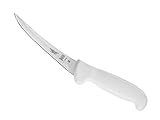
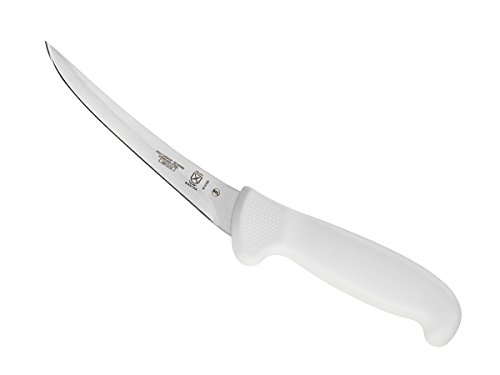
The Mercer Culinary Ultimate White has built a reputation among barbecue pitmasters and home cooks alike for delivering sharp performance at a price point that doesn't demand justification. The curved 6-inch blade is shaped for the exact job: trimming fat and membrane while leaving meat intact. Buyers consistently report that it arrives sharp enough to glide through raw meat and fat with minimal pressure, and the narrow tapered tip gives you the control to work around bone without overshooting.
The high-carbon Japanese steel holds an edge longer than many competing knives at the price, and owners note it sharpens easily when the time comes. The polypropylene handle has textured finger points that catch even when your hands are slick with meat juices. One caveat worth knowing: the handle can get slippery as you work, which is typical for any knife handling greasy prep, and the white plastic does absorb stains from paprika-based rubs (though they wash off). Compared to the Cutluxe below, the Mercer trades slightly higher initial sharpness for more predictable edge retention and better value.
For the money, this is the knife most home cooks should buy first. It works for brisket trimming, chicken deboning, fish filleting, and pork prep with equal competence. The only real limitation is blade length; one buyer noted the 6-inch size felt slightly long for small hands, so if your grip runs small, a 5-inch model might serve you better.
Pros
- Exceptional edge retention and easy resharpening
- Textured grip maintains hold when greasy or wet
- Arrives razor-sharp out of the box
- Proven durability over years of use
Cons
- Handle can feel slick when fat accumulates during long sessions
- White plastic handle absorbs and shows stains temporarily
Key features (4)
- High-carbon Japanese steel with 6-inch curved blade
- Polypropylene handle with textured finger points for wet grip
- Flexible enough to follow bone, rigid enough for precision cuts
- Hand wash recommended; withstands years of regular use
The Cutluxe Curved Boning Knife arrives hand-sharpened to 14-16 degrees per side and delivers what owners call near-surgical sharpness out of the box. The full-tang ergonomic design (triple-riveted pakkawood handle) feels substantial and balanced, and the 56+ Rockwell hardness means it resists wear through demanding sessions. For game processing, brisket trimming, and silver-skin removal, buyers report it cuts waste significantly; the flexible blade rides the contour of meat and fat without forcing.
The pakkawood handle is laminated, polished, and sanitary: designed for commercial kitchens but equally at home in a serious home setup. One trade-off: some reviewers report that edge retention requires attention between uses; a few noted needing to sharpen more often than with the Mercer. The handle can also feel hard to grip when hands are very oily, so you may want to wipe your hand or apply a towel occasionally during long prep. Where this knife excels is in raw sharpness and the confidence that comes with full-tang construction; the price sits a step above budget but below luxury territory.
This is the pick if you process whole animals or do frequent butchery work. For poultry prep, this knife handles deboning chicken with the same efficiency as the knife for cutting chicken breast that most home cooks reach for, but with noticeably superior edge retention. The lifetime warranty reflects the maker's confidence in the build, and buyers who take care of their blades report years of reliable service.
Pros
- Hand-sharpened to 14-16 degrees for surgical sharpness
- Full-tang construction with triple rivets ensures durability
- Flexible blade reduces meat waste during trimming
- Lifetime warranty against defects
Cons
- Requires more frequent stropping and sharpening than some alternatives
- Handle can feel slippery when hands are heavily oiled
Key features (4)
- High-carbon German steel at 56+ Rockwell hardness
- Full-tang design with triple-riveted pakkawood handle
- Hand-sharpened 14-16 degree edge for maximum precision
- Lifetime warranty; responds well to professional sharpening
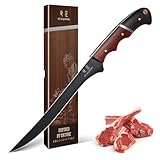
The Drgskl Boning Knife brings traditional Japanese blade-making to a modern aesthetic. The steel is forged through multi-stage wet grinding (Mizukensaku) and finished with a black titanium plating that resists rust and maintains a matte appearance over time. The walnut handle is hand-polished, features a sculpted finger groove, and sits beautifully on a kitchen counter; buyers frequently mention they enjoy seeing this knife because it looks as good as it cuts.
Performance-wise, the blade is exceptionally thin and sharp, suited for precision work on delicate cuts and silver-skin removal. However, reviewers note that steel is harder and more brittle than some alternatives; it's not the knife to chomp through frozen meat or bones. The blade spine is squared at 90 degrees rather than rounded, which can cause finger fatigue on longer prep sessions (though this varies by hand size and grip style). Compared to the Huusk below, which prioritizes visibility and everyday ruggedness, the Drgskl prioritizes aesthetics and precision: a trade-off worth considering if you do extended trimming work.
The knife demands hand washing and periodic mineral oil care to keep the walnut handle lustrous, and the gift-box packaging signals this is as much an object of beauty as a tool. Buy this if you want a blade that earns its place on the counter and doesn't hide when not in use.
Pros
- Exceptionally sharp, thin blade ideal for delicate trimming
- Hand-polished walnut handle with elegant black-and-wood aesthetic
- Dual-Tech Black Shield coating resists corrosion and maintains finish
- Full-tang construction with metal spacer for balance and durability
Cons
- steel is harder but more brittle; avoid frozen or heavy chopping
- Squared blade spine can cause finger discomfort during extended use
Key features (4)
- Japanese steel forged and hand-finished with Mizukensaku process
- Hand-polished walnut handle with sculpted finger groove and full tang
- Dual-Tech Black Shield titanium coating for rust and corrosion resistance
- 7-inch blade; includes elegant gift packaging and care guidance
The Huusk Curved Boning Knife stands out for its high-visibility orange handle, which matters more than it sounds in a busy kitchen or outdoor game-processing setup. The titanium-coated premium stainless steel resists corrosion, holds sharpness well, and doesn't demand the meticulous mineral-oil maintenance that some Japanese blades require. The ergonomic textured handle reduces fatigue during extended work, and buyers report it maintains grip even when wet or greasy.
This knife delivers solid middle-ground performance: sharp enough for clean cuts, flexible enough to follow bone contours, and forgiving enough for cooks who don't fuss with stropping between uses. Compared to the Drgskl, which prioritizes artisanal design, the Huusk prioritizes practical durability and quick access in chaotic environments. The curved 6-inch blade handles brisket trimming, poultry deboning, and general meat prep with competence, much like you'd expect from a top knife to cut raw chicken but with the curved blade geometry that makes fat trimming easier. The price sits just above budget but well below premium, making it an easy second or third knife to own.
The main limitation is that it's less trendy or impressive than some alternatives; if you're looking for a knife that turns heads on the counter, look elsewhere. But if you want something that vanishes into your routine and never lets you down, this is a solid, unfussy choice.
Pros
- Bright orange handle makes it easy to spot and locate quickly
- Titanium coating resists corrosion and maintains edge well
- Textured handle maintains grip even when wet or greasy
- Durable, forgiving steel; minimal care demands
Cons
- Less artisanal feel than premium alternatives; functional rather than beautiful
- Orange handle may not match minimalist kitchen aesthetics
Key features (4)
- Premium stainless steel with titanium coating for durability
- High-visibility orange ergonomic handle with textured grip
- 6-inch curved blade for deboning, trimming, and de-skinning
- Comes with gift box packaging; low-maintenance care profile
The Hoshanho Fillet Knife arrives with possibly the sharpest edge of this entire lineup. Multiple buyers who own expensive knives from premium brands report that this Hoshanho rivals their collection straight from the package. The Japanese 10Cr15CoMoV stainless steel is hand-polished to 15 degrees per side, which contributes to its surgical sharpness and ability to make clean cuts through delicate meat, fish skin, and connective tissue with minimal pressure.
The 7-inch length is slightly longer than most curved boning knives, which some prefer for working around larger cuts or whole fish, though it may feel oversized for small hands doing chicken prep. The pakkawood handle is ergonomically shaped and well-balanced, reducing fatigue during longer sessions. One buyer noted that the blade is less flexible than some filleting knives, making it better for precision cuts than for following curves; this is a minor trade-off for the exceptional sharpness and edge retention.
Compared to the Mercer, which is the budget workhorse, the Hoshanho sacrifices some value-for-money appeal but delivers noticeably sharper performance and a more refined aesthetic. If you prioritize the joy of working with a genuinely professional blade and don't mind hand washing and careful storage, this is the knife to reach for. The frosted texture of the handle also sets it apart visually, making it feel like a kitchen treasure rather than a utility tool.
Pros
- Sharpest edge out of the box among this group
- Japanese 10Cr15CoMoV steel with hand-polished 15-degree edge
- Excellent balance and 7-inch length suit large cuts and whole fish
- Holds edge exceptionally well after multiple uses
Cons
- Less flexible than traditional filleting knives; better for precision than curves
- Requires hand washing and careful storage to maintain performance
Key features (4)
- Japanese high-carbon stainless steel 10Cr15CoMoV hand-polished to 15 degrees
- 7-inch thin blade ideal for slicing, boning, trimming, skinning, and butterflying
- Ergonomic pakkawood handle with frosted texture and good balance
- Includes plastic sheath; responds well to professional sharpening
How to Choose a Curved Boning Knife for Trimming Fat
Blade Length and Flexibility Matter Most
A curved boning knife between 5 and 7 inches handles most home trimming work. Shorter blades (5-5.5 inches) suit small hands and precision work on chicken or fish; longer blades (7 inches) give more reach on brisket and large meat cuts. Flexibility is key: the blade should bend enough to follow bone contours without forcing, but stay rigid enough to make clean cuts through fat and sinew. Too-stiff a blade will tear meat; too-soft a blade loses precision at the tip.
Steel Type Shapes Edge Retention and Care
Japanese high-carbon steel holds a sharp edge for longer but requires hand washing and careful storage to resist rust. German stainless steel is more forgiving and resists corrosion better, but may need stropping more often. Titanium-coated or stainless blades trade some peak sharpness for durability and low-maintenance care. Consider boning vs fillet knife differences when deciding: boning knives are stiffer and suit precision deboning; fillet knives are more flexible and suit filleting tasks. Your choice depends on what you prep most often.
Handle Grip and Fatigue Prevention
When your hands are slick with meat juices, a textured or raised-point handle keeps the knife from slipping. Ergonomic finger grooves reduce fatigue during extended trimming sessions. Pakkawood handles resist stains and damage better than plastic, while polypropylene is lighter and more affordable. Test grip if you can, or check reviews from buyers with similar hand sizes. A knife that feels secure and balanced in your grip reduces accidents and improves control.
Maintenance Reality Check
Hand washing immediately after use is non-negotiable for any quality boning knife; dishwashers dull edges and damage handles. Japanese steel knives may need periodic mineral oil care to keep the handle lustrous and prevent rust. Fat trimming technique guide recommendations suggest stropping between uses if you do frequent prep. Budget 15-20 minutes monthly for basic maintenance. If you want a knife you can grab and use without worry, prioritize stainless or titanium-coated steel over high-carbon options.
Price and Long-Term Value
Budget knives (under $30) can stay sharp for years if maintained, but may need resharpening more often. Mid-range picks ($30-$60) balance durability with performance and suit most home cooks. Premium knives ($60+) offer superior edge retention and refined aesthetics but don't trim fat faster than a well-maintained budget knife. Your actual use pace matters: if you trim meat twice a week, invest in a quality blade; if you do it once a month, a budget pick suffices. Consider warranty coverage and the maker's reputation for standing behind their product.
Our picks at a glance
1
Best OverallMercer Culinary
2
Best for Serious Meat ProcessingCutluxe
3
Best for Fine CraftsmanshipDrgskl
4
Best for Visibility and SafetyHuusk
5
Best for Professional ResultsHoshanho
Frequently asked
What's the difference between a boning knife and a fillet knife?
Boning vs fillet knife differences come down to stiffness and blade shape. Boning knives have stiffer, more curved blades designed to follow bone contours and separate meat from bone with control. Fillet knives are thinner and more flexible, allowing the blade to bend and follow the natural curves of fish or meat for filleting work. For trimming fat, a curved boning knife generally offers better precision and control, though both can handle the job. Choose boning for deboning and trimming around joints; choose fillet for filleting and removing skin.
How do I keep my boning knife sharp between uses?
Use a honing steel (not a sharpener) once or twice weekly if you prep meat regularly. A honing steel realigns the blade edge without removing steel, maintaining sharpness longer. Wash and dry the knife immediately after use; never let meat residue dry on the blade. Store it in a knife block, on a magnetic strip, or with a blade guard to protect the edge and prevent accidents. For Japanese steel, a light wipe with food-grade mineral oil on the handle monthly keeps the wood conditioned. Professional sharpening every 6-12 months, depending on use frequency, keeps the blade cutting like new.
Can I use the same knife for trimming fat, filleting fish, and deboning chicken?
A quality curved boning knife handles all three tasks, though specialists exist for each. The curved blade and tapered tip work well for deboning and fat trimming; the flexibility suits fish filleting reasonably well. If you do all three frequently, you might benefit from two knives: a stiffer boning knife for deboning and trimming, and a more flexible fillet knife for filleting work. For most home cooks who do each task occasionally, one good curved boning knife covers all bases without compromising performance.
Why do some boning knives cost $20 and others cost $100?
Price reflects steel quality, manufacturing precision, handle materials, and brand reputation. A $20 knife may stay sharp adequately but requires more frequent sharpening. A $100 knife often features superior edge retention, better ergonomics, and refined aesthetics. Mid-range options ($30-$60) typically deliver the best value: they perform as well as premium knives for most home cooks but cost less. Your use frequency matters most: daily meat prep justifies a premium knife; occasional trimming works fine with a budget option. Warranty coverage and brand longevity also factor into long-term value.
Should I buy a boning knife set or a single knife?
A single quality curved boning knife suits most home cooks better than a set. Sets often include knives you don't need, and the quality may not match specialized single-knife offerings. If you break down whole animals or do frequent butchery, a set of 2-3 complementary blades (boning, fillet, utility) makes sense. For trimming fat, chicken prep, and occasional fish work, invest in one excellent curved boning knife and add specialty blades only as your cooking evolves. Quality over quantity yields better results and lasts longer.