Kitchen & Dining · Gadgets
Best Knife for Potatoes: Professional Cuts at Home
Find the best knife for potatoes with sharp blades, ergonomic handles & durability. Compare santoku, nakiri, paring & chef knives for clean, precise cuts.
Affiliate disclosure: As an Amazon Associate I earn from qualifying purchases.
At a glance
2
Best for Crinkle Cuts & GarnishGuardians
3
Best Premium Paring KnifeHenckels
4
Best for Heavy Vegetables & PrecisionPaudin
5
Best Budget Paring KnifeCuisinart
Detailed reviews
This Japanese-style santoku punches well above its price point. Owners consistently report that it arrived sharper than knives costing two or three times more, and that sharpness holds through weeks of regular use on potatoes, root vegetables, and soft produce. The 7-inch blade length gives you reach without awkwardness, and the 15-degree edge angle creates a keen cutting surface ideal for clean slices and dice work.
The ergonomic stainless steel handle balances the blade nicely, reducing fatigue during longer prep sessions. Reviewers with years of experience and collections of premium knives report reaching for this one first. The double-edged design works equally well for left- and right-handed cooks, though the blade does need hand washing and careful drying to maintain the finish.
If you're comparing this to the Paudin Nakiri, the santoku's narrower blade gives you more precision for fine dicing, while the nakiri's rectangular profile suits aggressive chopping of firm vegetables. For a balanced all-purpose potato knife, this santoku edges ahead due to its superior edge-retention and affordability.
Pros
- Exceptional sharpness out of the box, holds edge well
- Ergonomic balance reduces hand fatigue during prep
- Works for both left-handed and right-handed users
Cons
- Requires hand washing and immediate drying to prevent spotting
- Does not include a protective sheath or storage solution
Key features (5)
- 7-inch Japanese stainless steel blade with 15-degree edge angle
- High-carbon content (0.45–0.55%) for durability and sharpness retention
- Ergonomic stainless steel handle with full-tang construction
- Double-edged design suitable for all hand orientations
- Easy to sharpen on standard steel or whetstone
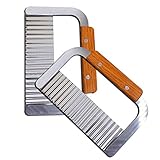
The crinkle blade is a single-purpose tool that does one job brilliantly: it cuts potatoes into restaurant-style wavy slices without the hassle of a mandoline or food processor. The wavy edge reduces friction and prevents the accordion effect (where thin slices stick together), which makes it surprisingly useful for both raw prep and cooked potatoes. Stainless steel construction and a sturdy wooden handle make it durable and comfortable to use during repetitive slicing.
The set-of-two design is practical for busy households: you can prep multiple ingredients without washing between tasks, or have a knife ready while the other dries. Reviewers love it for turning ordinary vegetable platters into visually interesting sides, and it works well on cheese, fruit, and pickles too. However, this knife does not replace a chef or santoku for everyday potato work; the wavy blade sacrifices precision dicing and fine cuts for its specialty niche.
Unlike the DDF santoku, which handles every potato task, the Guardians crinkle chopper shines only when you specifically want decorative waves. If your kitchen regularly uses the best knife to cut raw chicken for meal prep, you'll also want a general-purpose knife for potatoes alongside this specialty tool.
Pros
- Creates uniform wavy cuts in seconds, no electrical equipment needed
- Two knives in one package for family prep or gift-giving
- Durable stainless steel blade and comfortable wooden handles
Cons
- Wavy blade makes fine dicing and uniform cubes nearly impossible
- Limited to slicing; poor for chopping or mincing potato cubes
Key features (5)
- Wavy stainless steel blade for crinkle-cut slicing
- Wooden handles for comfortable, non-slip grip during repetitive work
- Two-knife set for efficient multi-ingredient prep or shared use
- Compact design for easy storage in drawers or on magnetic strips
- Manual operation: no batteries or power source required
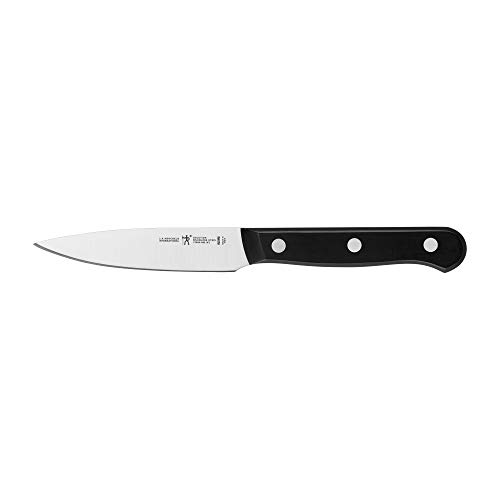
Henckels brings 100-plus years of cutlery tradition to this compact paring knife. The single-piece stamped blade is stiffer and taller than a typical paring knife, which some cooks find limiting for intricate turning cuts but which actually works well for peeling potatoes and cutting them into small, uniform pieces. The wooden triple-rivet handle is a classic design that feels solid and balanced in hand, though one owner noted that rivets can corrode in the dishwasher over time (hand washing is recommended).
Out of the box, the edge is good but not razor-sharp compared to the DDF santoku; reviewers note it benefits from a quick sharpening before first use. Once honed, it holds an edge decently for everyday kitchen tasks. This knife trades the santoku's all-around versatility for German precision and a lower price than many premium alternatives. The blade's stiffness can feel heavy-handed when you want a delicate touch, but it excels at peeling and firm vegetable cuts.
For a paring versus chef knife comparison, the Henckels leans toward detail work, while a chef-style blade covers broader chopping. If you prefer specialty paring knives over a multi-purpose blade, this Henckels is solid; for everyday potato work, the DDF santoku and Paudin Nakiri offer more practical versatility.
Pros
- Sturdy German engineering with proven durability
- Affordable entry point to quality German cutlery
- Comfortable wooden handle with secure triple-rivet construction
Cons
- Blade is taller and stiffer than traditional paring knives, limiting finesse
- Requires initial sharpening to reach peak edge performance
Key features (5)
- 4-inch single-piece precision-stamped stainless steel blade
- Stiffer blade construction for peeling and firm vegetable cuts
- Wooden triple-rivet handle for traditional grip and control
- Fine satin finish on blade resists staining and corrosion
- Dishwasher safe (though hand washing extends handle life)
The nakiri's rectangular profile is purpose-built for vegetables, and owners rave about how easily it tackles dense, hard potatoes and winter squash that would wear you out with a traditional chef knife. The flat blade allows efficient "push-cutting" rather than rocking, which means less hand strain and cleaner cuts through tough potato skins. The 5Cr15Mov steel (the same alloy used in major cutlery brands) strikes a balance between edge retention and ease of sharpening, and the ergonomic pakkawood handle sits comfortably during extended prep work.
One reviewer described cutting a butternut squash with this knife where five other kitchen knives had failed; that kind of performance on hard vegetables translates directly to potatoes. The blade arrived razor-sharp and stayed that way through regular use with simple steel honing. However, this is not a general-purpose knife: it's designed for vegetables and soft proteins, not bone-in meat or frozen items. The thin blade and delicate edge can chip if misused.
Compared to the DDF santoku, the nakiri trades fine dicing control for pure vegetable-cutting power. If your potato prep often involves thick skins and firm tubers, the nakiri's flat profile wins; if you want one knife for potatoes, herbs, and occasional meat work, the santoku is more flexible.
Pros
- Flat blade excels at slicing firm potatoes and winter squash
- Razor-sharp edge out of the box, easy to maintain with honing steel
- Lightweight with excellent ergonomic balance and control
Cons
- Thin blade can chip or dull if used on frozen items or hard bones
- Requires hand washing and immediate drying to preserve finish
Key features (5)
- 7-inch flat nakiri blade optimized for vegetable cutting
- 5Cr15Mov high-carbon stainless steel with 56+ hardness rating
- Wave-pattern finish decreases friction and aids food release
- Pakkawood ergonomic handle integrated with blade for comfort
- Designed for push-cutting technique to minimize hand fatigue
Cuisinart's triple-rivet collection delivers a solid, dependable paring knife for basic potato prep work. The 3.5-inch blade is compact enough for fine control when peeling or cutting small potatoes, and the forged high-carbon stainless steel takes a good edge. Many owners compare it favorably to vintage Henckels knives they've owned for decades, which speaks to the build quality. The extra-wide safety bolster provides stability and reduces hand fatigue, and it comes with a protective blade guard: a practical bonus that the other paring option lacks.
Out of the factory, sharpness is inconsistent; one reviewer noted it arrived duller than expected and needed honing before first use. Once sharpened, it holds an edge decently for home cooking. The main trade-off versus the Henckels or premium paring knives is that you're buying proven utility, not German heritage or specialty features. For cooks who want a no-fuss, affordable second knife for peeling and small cuts, this delivers solid performance.
If you're building a two-knife kitchen (a larger knife for general work plus a paring knife), the Cuisinart pairs well with the DDF santoku or Paudin nakiri. The paring versus chef knife comparison shows these tools are partners, not competitors; having both lets you work faster and with more control.
Pros
- Affordable entry-level paring knife with forged construction
- Includes protective blade guard for safe storage
- Extra-wide safety bolster provides stability and control
Cons
- Arrives less sharp than competitors; requires initial honing
- Smaller blade limits use on larger potatoes or vegetables
Key features (5)
- 3.5-inch forged high-carbon stainless steel blade
- Extra-wide forged safety bolster for stability and control
- Full-tang blade secured with stainless steel rivets
- Ergonomic handle designed for comfort during detailed work
- Includes hard-plastic blade guard and lifetime warranty
How to Choose a Potato Knife
Blade Shape & Length
For potatoes, blade shape matters as much as sharpness. A chef knife or santoku (7 inches) handles everything from peeling to dicing with one tool. A nakiri's flat profile excels at slicing firm, dense vegetables but struggles with detailed cuts. A paring knife (3.5 to 4 inches) is best for peeling and small, controlled work. If you prep potatoes several times a week, a 7-inch general-purpose blade saves time; for occasional peeling or garnish work, a paring knife is lighter and more precise. Consider your most common potato task: if it's slicing for gratin, you want length and flexibility; if it's peeling fingerlings, a short, stiff blade is ideal.
Steel Quality & Edge Retention
Stainless steel blades resist rust and staining but require hand washing to stay pristine. High-carbon stainless steel (the alloy in most kitchen knives) balances edge retention with ease of sharpening. A good potato knife holds its edge through 20-plus uses before needing a honing steel. Look for reviews mentioning sharpness after several weeks of use, not just out-of-the-box performance. The potato peeling and dicing guide emphasizes that a knife that dulls quickly wastes time; you want a blade that stays keen with simple, regular maintenance on a honing steel or whetstone.
Comfort & Balance
A well-balanced knife reduces hand and wrist strain during longer prep sessions. The weight should feel distributed between blade and handle, not top-heavy. Ergonomic handles with gentle curves and non-slip surfaces are essential if you're peeling wet potatoes or working with damp hands. Test a knife's balance by holding it near the bolster (where blade meets handle) and noticing if it tips forward or sits level. Owners consistently mention comfort as a reason they reach for one knife over others, so this factor deserves weight in your decision.
Maintenance & Care
Hand washing and immediate drying are non-negotiable for keeping stainless steel knives sharp and stain-free. Avoid the dishwasher; heat and abrasive detergent dull blades faster and can corrode rivets over time. A magnetic knife strip or block keeps blades safe and accessible. Learn to use a honing steel after every few uses: it realigns the edge and extends time between sharpenings. A knife that seems dull after a month often just needs a quick steel pass. Budget-conscious cooks can skip expensive whetstones; a simple honing steel costing a few dollars will maintain a blade for years.
Our picks at a glance
2
Best for Crinkle Cuts & GarnishGuardians
3
Best Premium Paring KnifeHenckels
4
Best for Heavy Vegetables & PrecisionPaudin
5
Best Budget Paring KnifeCuisinart
Frequently asked
Can I use the same knife for potatoes and raw meat?
Yes, but it's not ideal. A general-purpose chef knife or santoku handles both, but dedicated tools work better. If you cut raw chicken, wash and dry the blade immediately before moving to potatoes. Many cooks keep separate knives to avoid cross-contamination risk. The best knife to cut raw chicken is typically a flexible blade with a pointed tip; a stiff santoku or nakiri is less comfortable for that task. When choosing one knife for mixed kitchen work, look for a 7-inch chef-style blade as your safest compromise.
How often should I sharpen a potato knife?
Professional cooks sharpen blades weekly on a whetstone; home cooks do fine with monthly or quarterly sharpening, depending on use. Between sharpens, use a honing steel after every 5–10 cooking sessions. A honing steel realigns the edge without removing metal; a whetstone removes steel and creates a new edge. If your knife feels dull while dicing potatoes, a quick steel pass often restores it. A 7-inch potato knife that's well-maintained and properly honed can stay sharp for months with light home use.
What's the difference between a santoku and a nakiri for potato work?
Both are Japanese designs, but they excel at different tasks. A santoku has a narrower, slightly curved blade ideal for fine dicing and slicing of varied foods (potatoes, herbs, soft meat). A nakiri has a flat, rectangular blade designed purely for vegetables and excels at push-cutting dense items like potatoes and squash. For an all-rounder, choose the santoku; if your kitchen is vegetable-heavy and you want to minimize wrist effort on tough cuts, the nakiri wins.
Do I need both a chef knife and a paring knife, or can one do it all?
One well-chosen knife covers 90 percent of potato work, but many cooks keep both. A 7-inch chef or santoku handles bulk prep and dicing quickly; a 3.5 to 4-inch paring knife excels at peeling and detail work with less effort and better control. If you peel potatoes daily, a paring knife prevents hand fatigue. If you dice potatoes a few times a week, a larger blade is faster. Budget permitting, a two-knife setup is more practical than choosing one.
Why do some potato knives rust or stain, and how do I prevent it?
High-carbon stainless steel can discolor with prolonged moisture exposure, especially near the blade edge. The culprit is usually the dishwasher, where blades sit wet for hours in detergent. Hand wash and dry your potato knife immediately after use. If rust spots appear, rub them gently with a damp cloth and a tiny bit of Bar Keepers Friend, then dry thoroughly. Store blades in a magnetic strip or block, not loose in a drawer where moisture and other metal can cause spotting. Proper storage and prompt drying prevent 99 percent of staining issues.