Kitchen & Dining · Gadgets
Best Knife for Cutting Hard Vegetables: Top Picks
Find the best knife for cutting hard vegetables. Compare nakiri, santoku, and chef's knives with expert reviews and buyer insights.
Affiliate disclosure: As an Amazon Associate I earn from qualifying purchases.
At a glance
1
Best Overall for Hard VegetablesPaudin
2
Premium Nakiri with Superior Edge RetentionSunnecko
3
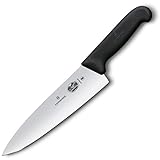
Best Budget Chef's Knife for Everyday ChoppingVictorinox
4
Best Premium Santoku for Precision WorkCutluxe
5
Most Versatile Japanese Nakiri with Long-Term ValueHoshanho
Detailed reviews
The Paudin nakiri arrives genuinely sharp and excels at the job it's designed for: slicing through tough produce like butternut squash, sweet potatoes, and root vegetables. The flat blade geometry means you can cut straight down without the rocking motion required by chef's knives, which buyers report makes butternut squash and similar hard vegetables far less taxing to process. The wide blade also acts as a food scoop, a practical bonus for transferring chopped ingredients to a pan.
The 5Cr15Mov stainless steel holds an edge well with regular honing and resists rust, though it's not a high-carbon specialty grade. Build quality feels solid at this price point, and the pakkawood handle sits comfortably in smaller to medium hands. One caveat: the wavy pattern is decorative (laser-etched, not structural) and has no bearing on function, so don't let aesthetics drive your decision here.
Where this trails the Sunnecko or Cutluxe models is in steel composition and long-term edge retention. If you're cutting hard vegetables several times a week, you'll likely need to steel it after every use and sharpen it more frequently than premium competitors. But for a budget-friendly nakiri that handles everyday vegetable prep beautifully, it's tough to beat.
Pros
- Exceptional sharpness straight from packaging
- Flat blade eliminates rocking motion on hard squash
- Lightweight with comfortable ergonomic handle
- Easy to clean and resharpen
Cons
- Not suited for bones or very hard frozen items
- Requires regular honing to maintain edge
Key features (4)
- 7-inch nakiri blade in 5Cr15Mov stainless steel, 56+ Rockwell hardness
- Flat-profile vegetable knife for push-cutting without accordion effect
- Decorative wavy pattern reduces food friction during cuts
- Pakkawood handle with perfect blade-to-handle balance
The Sunnecko steps up from the Paudin with a hand-polished 12-degree edge and premium high-carbon steel that holds sharpness considerably longer through heavy vegetable work. Reviewers note it powers through watermelon rinds, sweet potatoes, and tomatoes without the dulling that catches users of entry-level models after a few weeks of regular use. The blade geometry is identical to other nakiris in this category, but the steel composition means fewer trips to the sharpening stone.
Build quality is noticeably refined. The blade comes with a protective sheath (a feature many competitors omit at this price), and the packaging suggests care in manufacturing. At 0.48 pounds, it's light enough to use for extended prep without hand fatigue, yet substantial enough that each cut feels controlled and deliberate. The ergonomic pakkawood handle is slightly more refined than budget competitors, though the difference is subtle.
Compared to the Paudin, you're paying more for steel durability and edge longevity rather than a dramatic leap in initial sharpness. If you only cut vegetables once or twice a week, the Paudin handles the job fine. But if you're a regular cook or meal-prepper, the Sunnecko's superior edge retention will save you frustration. The trade-off is slightly higher cost.
Pros
- Hand-polished 12-degree edge holds sharpness for weeks
- Protective blade sheath included for safe storage
- High-carbon stainless steel resists rust and staining
- Slightly more refined handle and blade finish than budget peers
Cons
- Pattern on blade is laser-etched, not true Damascus
- Not recommended for frozen or bone-in cuts
Key features (4)
- 7-inch nakiri with hand-polished 12-degree double-bevel edge
- Japanese high-carbon stainless steel at 56+ Rockwell hardness
- Decorative wavy blade pattern reduces food sticking
- Included protective sheath with ergonomic pakkawood handle
The Victorinox Fibrox Pro occupies a different category than the nakiris above: it's a traditional 8-inch chef's knife that excels at general kitchen work, not vegetables alone. Where it shines is versatility: you get one knife that handles carrots, celery, onions, herbs, meats, and fish without needing to swap tools. The blade comes sharp from the factory and maintains that edge through regular honing, making it a practical workhorse for busy kitchens.
Stainless steel (not high-carbon) means lower maintenance than premium knives. You can hand-wash it, it won't rust easily, and it's even dishwasher safe if you're in a rush, though hand-washing preserves the edge longer. The ergonomic TPE handle is grippier than pakkawood when wet, a real advantage if your hands tend to be slippery or if you work quickly. At just under 6 ounces, it's light enough to use all day without fatigue.
The caveat: this is not a specialist knife for hard vegetables. The rocking motion required with a chef's knife is less efficient on butternut squash than a nakiri's flat blade. If 80% of your cutting is vegetables, a nakiri makes more sense. But if you need one reliable knife for everything from herb chiffonade to dicing a cantaloupe to slicing a brisket, this Victorinox outperforms the Sunnecko or Cutluxe in pure versatility. For cooks who also prepare boneless knife to cut raw chicken, the chef's knife profile gives you better control and reach on protein work.
Pros
- Professional-grade sharpness at entry-level price
- Dishwasher-safe for low-maintenance care
- Excellent balance and control for all cutting styles
- Lightweight design reduces hand strain over long prep sessions
Cons
- Requires rocking motion on hard vegetables, less efficient than nakiri
- Stainless steel dulls faster than high-carbon competitors
Key features (4)
- 8-inch chef's knife in Swiss-made stainless steel
- Tapered blade geometry with excellent balance and control
- Thermoplastic elastomer (TPE) non-slip handle, even when wet
- Dishwasher safe; lifetime warranty against material defects
The Cutluxe santoku trades the push-cutting geometry of a nakiri for the Japanese-influenced blade profile of a santoku, which sits between a nakiri and a chef's knife in design. At 7 inches, it's smaller and more controllable than an 8-inch chef's knife, making it ideal for detailed dicing and mincing work. The forged high-carbon German steel (56+ Rockwell hardness) is deliberately heavy: this isn't a lightweight option. Buyers report the weight feels purposeful rather than fatiguing, lending authority to each cut.
Hand-sharpened to 14-16 degrees per side, the blade arrives wickedly sharp and holds that edge through weeks of regular use. Unlike the laser-etched patterns on budget nakiris, the scalloped hollow pits on this blade are functional: they create tiny air pockets that reduce vegetable sticking. The triple-riveted pakkawood handle is more refined than entry-level options, and the lifetime warranty reflects confidence in the build.
Where the Cutluxe differs from the Sunnecko nakiri: the santoku profile is less specialized for hard vegetables and more versatile across the kitchen. The heft and premium steel mean higher edge retention than the Paudin or Sunnecko, but you're also paying for craftsmanship and a knife designed to be handed down. If you cook seriously and want a single knife that will outlast trends and budget competitors, this is it.
Pros
- Forged high-carbon German steel retains edge for months
- Functional scalloped pits reduce vegetable sticking naturally
- Balanced weight feels substantial and controlled in hand
- Lifetime warranty reflects manufacturer confidence in durability
Cons
- Heavier than nakiri competitors, can cause fatigue for extended prep
- Santoku profile is less efficient on hard squash than flat nakiri blade
Key features (4)
- 7-inch santoku in forged high-carbon German steel, 56+ Rockwell hardness
- Hand-sharpened to 14-16 degree edge for precision and retention
- Scalloped hollow pits reduce food sticking during cuts
- Triple-riveted pakkawood handle with ergonomic blade-to-grip balance
The Hoshanho represents the upper tier of mid-range nakiris, offering Japanese 10Cr15CoMoV steel vacuum-heat-treated to 60 Rockwell hardness: among the hardest blades in this comparison. The 15-degree hand-polished edge slices through hard vegetables with minimal effort, and the hardness means that edge persists through weeks of regular use without honing. Buyers consistently praise the sharpness retention and the clean, almost effortless cuts it delivers on dense produce.
The scalloped hollow pits (similar to the Cutluxe santoku's design) are genuinely functional here, reducing sticking on tomatoes, cucumbers, and other vegetables that slide down conventional blades. The matte blade finish and natural-grain pakkawood handle give it a more refined appearance than competitors, yet it remains practical and easy to maintain. Unlike premium Japanese knives that demand obsessive care, this steel is stainless and forgiving.
Compared to the Sunnecko, you're trading a protective sheath for higher steel hardness and slightly more refined aesthetics. Compared to the Paudin, the Hoshanho's superior hardness means less frequent honing and longer stretches between sharpening sessions. If you want a nakiri that performs like a premium Japanese blade but doesn't require specialist maintenance or a second mortgage, this is the sweet spot.
Pros
- 60 Rockwell hardness retains edge through heavy vegetable prep
- Functional scalloped pits reduce vegetable sticking naturally
- Hand-polished 15-degree edge arrives prepped for immediate use
- Refined matte finish and natural-grain handle elevate kitchen aesthetics
Cons
- No protective sheath included for storage
- May be overkill for light or occasional cooking
Key features (4)
- 7-inch nakiri in Japanese 10Cr15CoMoV high-carbon stainless steel
- Vacuum heat-treated to 60 Rockwell hardness for exceptional durability
- Hand-polished 15-degree edge angle for effortless, precise cuts
- Scalloped hollow-pit design reduces food friction during chopping
How to Choose the Right Vegetable-Cutting Knife
Nakiri vs. Chef's Knife vs. Santoku
The knife types for hard vegetables fall into three profiles. A nakiri features a flat blade that cuts with a push-down motion, ideal for uniform slices and minimal hand fatigue on dense squash or potatoes. A chef's knife uses a curved blade that rocks back and forth, excelling at versatility but requiring more effort on hard vegetables. A santoku sits between the two, offering some of a nakiri's efficiency with slightly more versatility. For kitchens where 70% or more of your cutting involves vegetables, a nakiri is worth the single-purpose investment. If you need one blade for everything, a chef's knife or santoku serves you better.
Steel Type and Edge Retention
Stainless steel (used in the Victorinox) is forgiving and low-maintenance but dulls faster than high-carbon steel. High-carbon stainless blends durability with easier honing and longer edge life (Paudin, Sunnecko, Hoshanho). Premium forged steel (Cutluxe) holds its edge longest but demands regular honing to maintain sharpness. Your choice depends on how often you cook: occasional cooks benefit from low-maintenance stainless, while regular cooks save time with high-carbon steel that stays sharp weeks longer between sharpening sessions. The best chef knives under 50 typically use high-carbon or stainless blends that balance cost with performance, making them excellent entry points before investing in premium specialty blades.
Weight and Handle Comfort
Lighter knives (under 6 ounces) reduce hand fatigue during extended prep but may feel less controlled on very hard vegetables. Heavier knives (7+ ounces) deliver more cutting power with less effort but tire your hand faster on marathon meal-prep days. Handle material matters too: pakkawood is warm and traditional, while TPE (thermoplastic elastomer) grips better when wet. Test weight and balance if you can: comfort varies widely between hands. A properly balanced knife should feel like an extension of your arm, not a burden.
Maintenance and Longevity
All vegetable knives require hand-washing and immediate drying to prevent spotting and rust. High-carbon blades benefit from regular honing with a steel after each use and professional sharpening every few months. Stainless options tolerate longer intervals between sharpening but may never regain quite the same edge. Storing your knives on a magnetic strip rather than in a drawer prevents damage and dulling from contact with other utensils. A simple knife sharpening and maintenance guide will extend any blade's life by years.
Our picks at a glance
1
Best Overall for Hard VegetablesPaudin
2
Premium Nakiri with Superior Edge RetentionSunnecko
3
Best Budget Chef's Knife for Everyday ChoppingVictorinox
4
Best Premium Santoku for Precision WorkCutluxe
5
Most Versatile Japanese Nakiri with Long-Term ValueHoshanho
Frequently asked
Can I use a vegetable knife on frozen produce?
Most vegetable knives are not designed for frozen items. Hard-frozen vegetables risk chipping or dulling the blade because the cold makes steel brittle. Thaw your produce first, or use a heavier cleaver or utility knife for frozen work. All five knives in this guide handle room-temperature vegetables excellently; save them for that.
What's the difference between a 12-degree and 15-degree edge?
The number refers to the angle of the blade's bevel. A shallower angle (12 degrees) is sharper but dulls faster and is harder to sharpen. A steeper angle (15-16 degrees) is slightly less sharp but holds an edge longer and tolerates more abuse. For vegetable prep, 12-15 degrees is ideal; anything steeper starts sacrificing sharpness for durability.
Is dishwasher-safe really safe for good knives?
Technically, some knives (like the Victorinox) are dishwasher-safe, but hand-washing preserves the edge far longer. Dishwasher water pressure and contact with other utensils dulls blades quickly. Spend 30 seconds hand-washing and drying after each use, and your knife will stay sharp months longer than if you machine-wash it.
How often should I sharpen my vegetable knife?
Frequency depends on steel hardness and usage. Budget knives (Paudin) may need sharpening every 4-6 weeks with daily use; premium blades (Hoshanho, Cutluxe) can go 2-3 months. Regular honing with a steel after each use extends intervals between sharpening. If your knife struggles to slice a ripe tomato cleanly, it's time to sharpen.
Can I use a nakiri on meat as well as vegetables?
Yes, all the nakiris here handle boneless meats, poultry, and fish well. Avoid using them on bones or very hard-frozen items, which can chip the blade. A nakiri won't carve a roast as gracefully as a chef's knife, but for daily prep of chicken breasts, ground meat, or salmon, they perform excellently and often better than a chef's knife on vegetables.