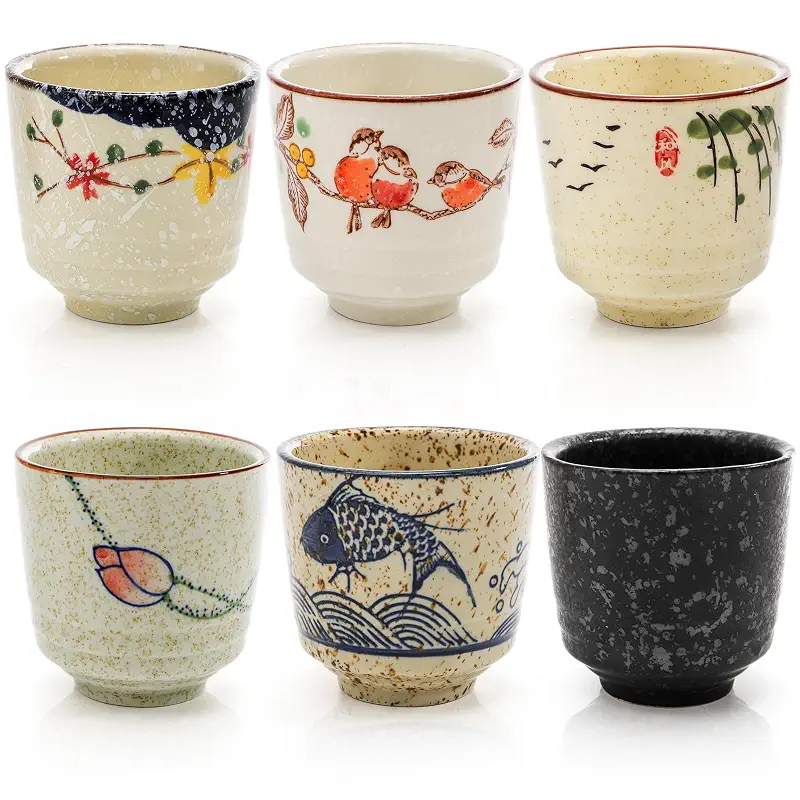
Ideal for: Budget-conscious tea drinkers and gift-givers wanting authentic style without premium pricing.
The Nagpew set appeals to anyone wanting authentic-feeling Japanese tea cups without premium pricing. Each cup features a distinct design (flower, bird, willow, fish motifs) so they work as both a functional set and a display piece. The thick-walled ceramic holds heat well, which is exactly what you want when steeping green tea. Buyers consistently praise the quality finish and the detailed hand-painted stamp on the bottom that signals genuine construction.
The main trade-off here is shipping care. Several reviewers noted that six cups arrived with minimal packing, resulting in breakage. The cups themselves are durable ceramic, but the presentation could improve. That said, at this price point for six pieces, one or two replacements still keeps you ahead of buying individual cups elsewhere.
I'd lean toward this set if you're testing whether handleless cups suit your routine, or if you need a gift that looks thoughtful without straining your budget. Compared to the premium handmade options in this lineup, you lose artisan variation and heritage provenance, but gain consistency and a lower barrier to entry.
Pros
Six cups with distinct traditional designs included
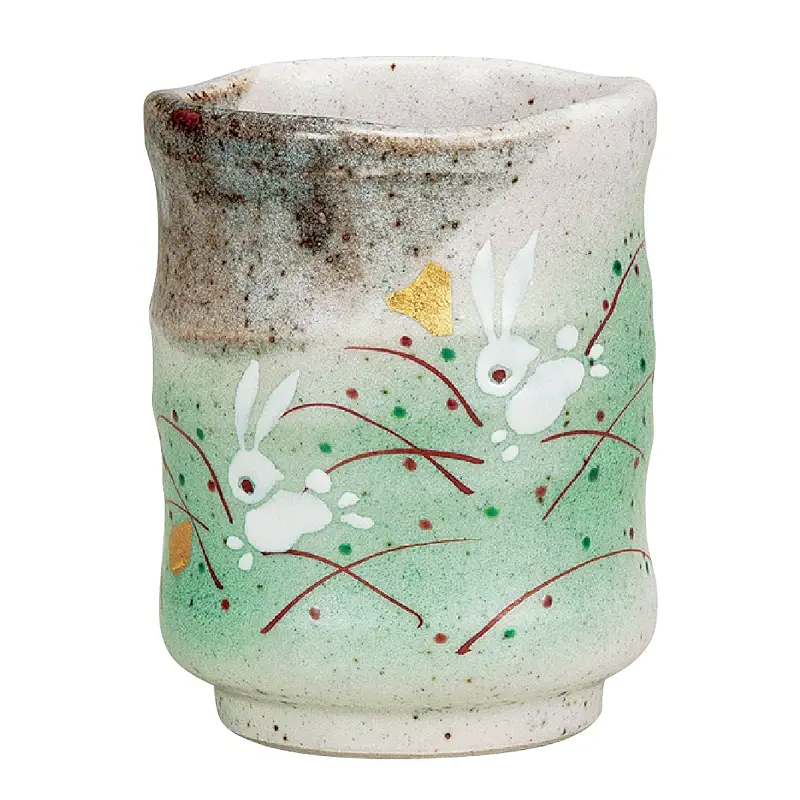
The Ino Seimine Kutani cup represents the opposite end of the spectrum from mass production. Kutani ware hails from Komatsu City in Ishikawa Prefecture and employs five traditional colors (blue, yellow, red, purple, navy) hand-applied by skilled craftspeople. What you receive is genuinely one-of-a-kind; the depth of paint, shading, and pattern intensity varies by cup, which is a feature, not a flaw.
Buyers consistently note that the color palette is more muted than the listing photos suggest, but many find this a welcome surprise once the cup arrives. The hand-painted rabbits and grasses develop an almost three-dimensional tactile quality that mass-produced pieces simply cannot match. The capacity is modest (roughly 7.8 oz), making it perfect for a single serve of green tea from a small kyusu teapot, which is exactly how it was engineered.
This is the pick for collectors and tea enthusiasts who view the cup as an art object. Where the Nagpew set prioritizes affordability and consistency, this cup prioritizes heritage and uniqueness. Hand-washing only is strongly recommended to preserve the finish. If you're drawn to Japanese aesthetics and willing to treat the cup with extra care, this one rewards that respect.
Pros
Authentic hand-painted Kutani ware; every cup unique
Five traditional colors applied by skilled artisans
Ideal for: Daily tea drinkers who appreciate Japanese craftsmanship with modern, approachable designs.
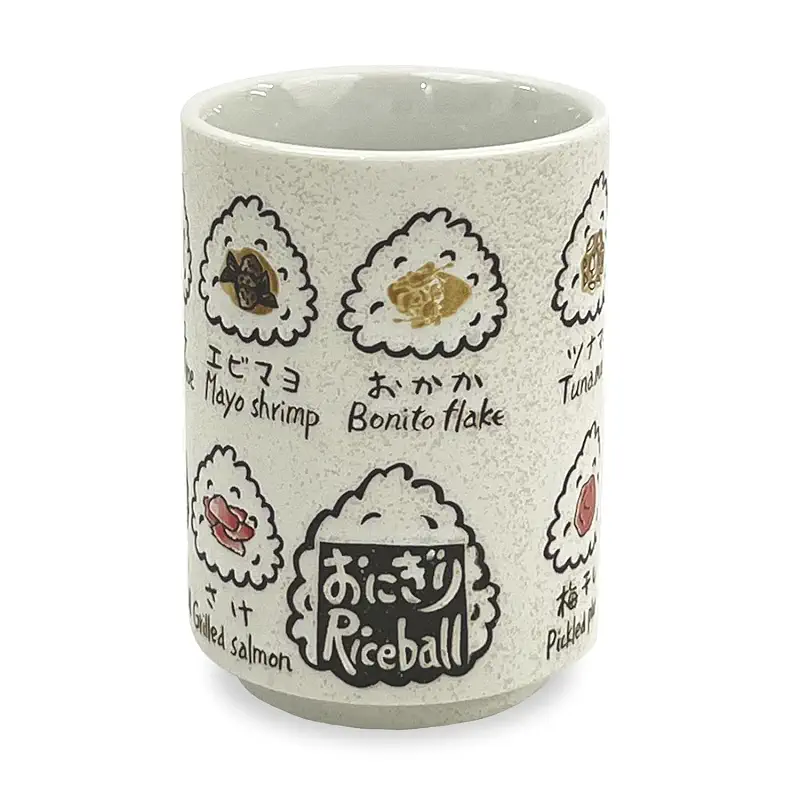
This Mino Ware Japan cup bridges artisanal heritage and contemporary playfulness. Mino ware has supported Japanese tables for centuries, and this collection, called "Japan Series," leans into charming, illustrative designs (cute sushi, rice balls, and other lighthearted scenes) rather than the formal garden motifs you might expect. The result is a cup that feels both authentic and fun to use.
The ceramic walls are thick enough to provide genuine heat retention, and the hand-drawn artwork is professionally applied across a porcelain body fired at around 1300 degrees. Owners report using these daily for iced matcha, tea, and other beverages without issue. At 9 fluid ounces, it sits comfortably in your hand and holds a solid serving.
Compared to the Ino Seimine Kutani cup, this option trades ultra-refined artisan uniqueness for a design sensibility that's lighter and more approachable. It's also slightly larger and more practical for everyday rotation. The hand-painting is visible but more consistent cup-to-cup than true one-of-a-kind pieces. If you want Mino ware quality without the premium price of artisan collections, this delivers.
Pros
Hand-drawn illustrations with playful Japanese motifs
Thick ceramic walls for excellent heat retention
Nine-ounce capacity balances refinement with practical serving size
Cons
Hand-washing recommended for durability despite dishwasher-safe rating
Design patterns may have slight firing variations in color tone
Key features
Mino ware porcelain fired at 1300 degrees for durability
Hand-drawn Japan Series illustrations on each cup
Nine-fluid-ounce capacity, ideal for single tea service
Water-repellent glaze applied for daily dishwashing use
#4 Pick
Best for Larger Servings
j-pure hitomi
Japanese Sushi Yunomi Tea cups, 13.5 Fluid Ounces, Mino Ware, Kurosuisho for Hot Green Tea, Matcha tea, Bancha Set of 2 from Japan
4.9(15)
Mino ware pair with generous 13.5-ounce capacity and sushi-themed design, made in Gifu.
Ideal for: Households wanting two matching handleless mugs for larger tea servings or shared routines.
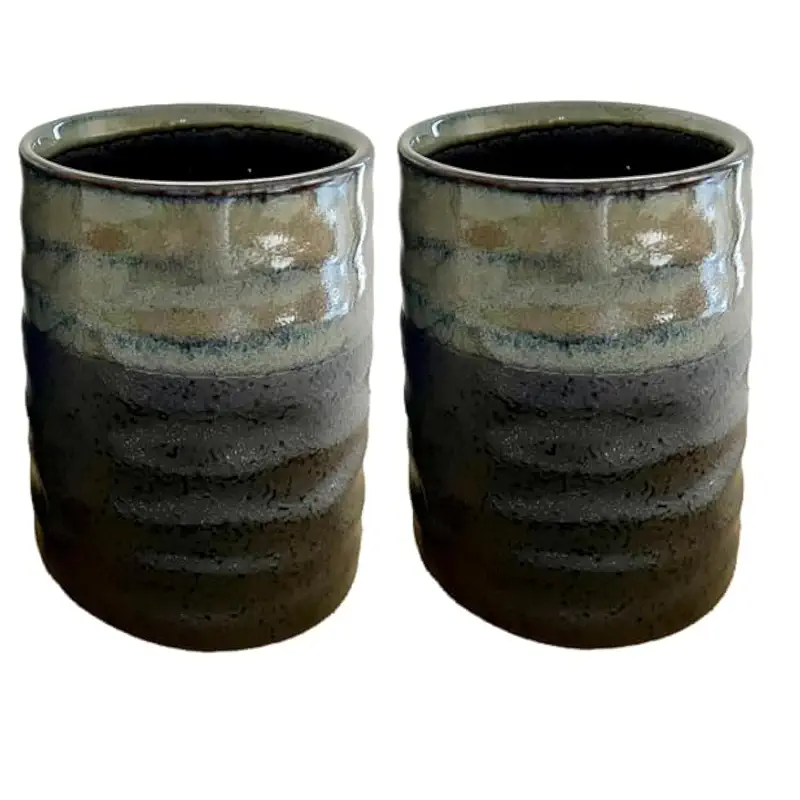
The j-pure hitomi set offers two cups, each holding over 13 ounces, making them substantially more generous than single-serve tea cups. The Mino ware pedigree is solid: crafted in Gifu Prefecture, Japan's dominant pottery region, using traditional techniques refined over 1300 years. The sushi theme and grooved exterior grip are practical design choices that also add visual interest.
Buyers emphasize how well these fit standard American cup holders and recliners, and how the weight and grooved texture feel substantial in the hand. The colors arrived true to photos in most reports, and the ceramic body is notably durable through regular washing. One reviewer appreciated the handleless design specifically for arthritis or trigger-finger relief, which speaks to the ergonomic thoughtfulness.
Where this differs from the Mino Ware Japan single-cup option is capacity and set size: you get two larger cups instead of one medium one. If you're brewing larger servings or want matching cups for two people, this set makes sense. The sushi illustration is less nuanced than the other Japan Series designs, but the cup itself is thicker and heavier, suggesting more robust daily use potential.
Pros
Generous 13.5-ounce capacity per cup; fits cup holders
Set of two matching Mino ware pieces from Gifu Prefecture
Grooved exterior improves grip and heat distribution
Cons
Larger size means the cup body becomes hotter to hold
Less artistic hand-painting detail than single-origin artisan cups
Key features
Pair of Mino ware yunomi cups, 4.37 inches high
13.5-fluid-ounce capacity per cup for generous servings
Sushi-themed ceramic design with traditional glaze
Dishwasher and microwave safe; lead-free food-grade ceramic
#5 Pick
Best for Multiple Users
Lxuwbd
Japanese Style Ceramic Tea Set, Tea Cup, Coffee Cup, Yerba Mate Set, Ceramic Mate Cup Set of 4 (4 colors)
4.7(332)
Set of four small ceramic cups in assorted colors, versatile for tea, espresso, and gifting.
Ideal for: Tea and coffee enthusiasts wanting a multicolor set for household use or coordinated gifting.
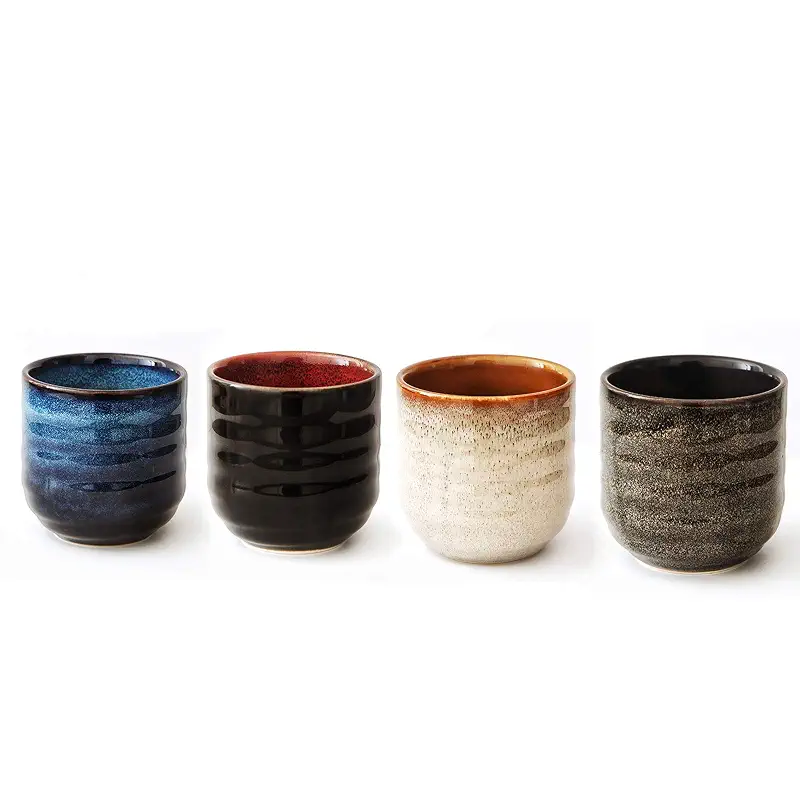
The Lxuwbd set pivots toward a multipack strategy: four individual cups in different colors, each 6.76 ounces, designed to serve a household or group. This appeals to anyone hosting tea service or looking to give matching gifts to multiple people. The ceramic is fired at high temperature for durability, and reviewers note the craftsmanship is solid: these feel weighty and substantial, not flimsy.
There's a heat-transfer trade-off to understand. Multiple owners mentioned these cups get noticeably warm quickly compared to thicker handmade pieces, which can feel either comforting or challenging depending on your tolerance. The color variation (different shades across the set) adds visual appeal but also means they feel less formally coordinated than a true matching set. Hand-washing is recommended over frequent dishwasher cycles to preserve the ceramic finish long-term.
Compared to the two-cup j-pure hitomi set, you get four cups in assorted colors instead of two matching ones, and smaller individual capacity. These work beautifully for espresso, small servings of matcha, or yerba mate: tasks where the smaller size is a feature. If you're hosting or need to place individual cups around a space, the four-pack approach is more practical. Pairing these with a best copper tea kettle completes a cohesive tea service setup that looks curated and intentional.
Pros
Four cups in distinct colors; looks beautiful on display
Holds heat well; ceramic fired at 1300 degrees for strength
Suitable for tea, espresso, matcha, or yerba mate service
Cons
Cup body transfers heat quickly to hands; use with caution
Dishwasher use can degrade finish; hand-washing preferred
Key features
Set of four ceramic cups, each 6.76 oz capacity
Four distinct colors for individual identification
High-temperature ceramic firing for durability
Microwave safe; dishwasher safe though hand-washing recommended
How to Choose a Japanese Tea Cup
Four trade-offs that actually matter when matching a japanese tea cups to your kitchen.
Handmade vs. Mass-Produced
Handmade pieces like Kutani ware carry artisan variation: colors, hand-painting intensity, and glaze texture differ subtly from cup to cup. Mass-produced options offer consistency and lower cost but sacrifice uniqueness. If you're a daily user prioritizing durability and ease of care, consistency works well. If you collect cups or view them as decorative art, handmade justifies the premium. Mino ware sits in the middle: traditional production using time-honored techniques, but scaled for broader availability.
Size and Capacity
Japanese tea cups range from 6 ounces (single-serve sencha) to 13 ounces (larger steeping and Western-style portions). Consider your brewing method: a small kyusu teapot pairs best with 7–8 ounce cups. If you're serving multiple infusions or hosting, larger cups reduce refilling. Think about how the cup sits in your hand and whether it fits your cup holder or recliner tray. The yunomi vs matcha bowl differences come down to intended use: yunomi work for all hot beverages, while matcha bowls are specialized.
Heat Retention and Grip
Thicker ceramic walls retain heat longer, which is ideal for steeping delicate green teas. Handleless cups rely on glaze quality and grooved or textured exteriors to keep your hand comfortable; smoother glazes transfer heat faster. If you have arthritis, trigger finger, or arthritis-related challenges, handleless designs are often easier than traditional handle-holding. Weight matters too: heavier cups feel more substantial and signal better ceramic quality, but some prefer lighter pieces for extended holding.
Care and Upkeep
How to clean and care for ceramic Japanese tea cups depends on the piece. Handmade or artisan cups almost always require hand-washing to preserve hand-painted details and delicate glazes. Mass-produced options labeled dishwasher-safe can handle machine cycles, though hand-washing still extends their lifespan. Avoid rapid temperature changes (don't pour boiling water into a cold cup) and store away from direct sunlight to prevent color fading. Check the manufacturer's recommendations: some glazes are more robust than others.
Regional Ware and Gifting
Japanese pottery regions carry heritage and distinct aesthetics. Mino ware from Gifu Prefecture represents over half of Japan's pottery output and balances tradition with innovation. Kutani ware from Ishikawa is known for intricate five-color hand-painting and formal artistry. Understanding where a cup originates helps you choose by style. Mino tends toward accessible, playful designs. Kutani leans formal and collectible. Authentic cups are stamped or marked with maker information, which adds value and authenticity. Paired with a best sake set, Japanese tea cups make a thoughtful gift for anyone interested in traditional beverages and ceremony.
Frequently asked
Quick answers to the questions readers ask most.
What's the difference between a yunomi and a regular mug?
A yunomi is a handleless cup specifically designed for tea service. It encourages a two-handed hold, allowing you to feel the warmth and appreciate the tea's aroma while holding the cup. Regular mugs prioritize handle-based holding and often larger capacity. Yunomi are engineered for proper steeping temperature and single-serve portions, making them functional art objects as much as drinkware.
Are Japanese tea cups safe for hot beverages?
Yes, quality ceramic cups are safe and preferred for hot tea. Japanese pottery is fired at high temperatures, making it durable and food-safe. However, the cup body itself will become quite hot: that's intentional, allowing you to sense the tea's warmth. Avoid holding the cup by gripping only the unglazed base, and let it cool slightly before drinking if the liquid is boiling. Always hand-wash after each use to maintain integrity.
Can I put Japanese tea cups in the dishwasher?
Many modern ceramic cups are labeled dishwasher-safe, but hand-washing is always safer and extends lifespan. Hand-painted or artisan pieces should never go in the dishwasher, as detergent and high heat can fade paint and damage glaze. Even for supposedly dishwasher-safe options, repeated machine cycles can dull the finish over time. A gentle hand wash with warm water preserves both beauty and durability.
How do I know if a Japanese tea cup is authentic?
Authentic cups carry maker marks, stamps, or signatures: often on the cup's base or exterior. Look for Japanese characters indicating region (Mino, Kutani) and production method. Handmade pieces show variation in glaze, hand-painted details, or slight irregularities in shape; consistency across identical pieces suggests mass production. Reputable sellers source from Japan and provide provenance information. Price is a signal too: genuine artisan ware costs more than imports.
What capacity should I choose for daily tea drinking?
For daily use with a small kyusu teapot, 7–8 ounces is ideal and allows multiple infusions without over-steeping. If you brew larger batches or prefer Western-style larger portions, go for 9–13 ounces. Consider how often you refill: smaller cups require more pours but let you taste each infusion distinctly. Larger cups reduce refilling but may lead to over-steeped, cooling tea. Match capacity to your brewing habit and how you like to serve.