Kitchen & Dining · Small
Best Jack LaLanne Juicer
Find the best Jack LaLanne juicer for your kitchen. Compare power, capacity, and durability across top models with expert reviews.
Affiliate disclosure: As an Amazon Associate I earn from qualifying purchases.
At a glance
2
Best for Heavy Use (If You Find a Quality Unit)Jack LaLanne's
3
Best for Speed and Quiet OperationElectric California
4
Premium OptionJack LaLanne
5
Best Accessory for Parts ReplacementJfglorix
Detailed reviews
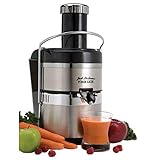
The Fire Rose Jack LaLanne Power Juicer builds on decades of proven design. Owners consistently praise its strong motor and ability to handle dense vegetables like carrots with minimal effort: no jamming, no strain. The stainless-steel construction and dishwasher-safe parts keep maintenance simple, though you'll want to rinse immediately after juicing carrots to avoid staining the white plastic housing. This is a juicer designed for daily use and built to last; multiple reviewers report their older models running strong after 10+ years of heavy rotation.
What sets it apart from the deluxe model is its no-nonsense approach: one-speed operation, straightforward assembly, and reliable performance without the overheating issues some owners report with other versions. If you're comparing this to the express line, the power juicer trades slightly longer juice time for more thorough extraction and a motor that won't throttle back under load.
This is the pick for households committed to regular juicing. It won't stall on ginger or apples, it cleans up in minutes, and the motor hums along predictably day after day.
Pros
- Powerful motor handles dense vegetables without stalling
- Extracts maximum juice yield from each ingredient
- Proven reliability across decades of use
Cons
- White plastic housing stains from carrot residue
- Requires immediate rinsing to prevent discoloration
Key features (4)
- Strong centrifugal motor powers through carrots, celery, and root vegetables
- Stainless-steel components with dishwasher-safe parts
- Single-speed operation with straightforward assembly
- Built for daily use with longevity track record
Jack LaLanne's Power Juicer Deluxe represents the traditional line's heritage: some owners have run the same unit for 15 years without complaint. When it works well, it's a capable machine that handles the full produce spectrum. The black-and-chrome finish appeals to those who want a more finished-looking appliance on the counter.
The catch is consistency. Recent purchasers report thermal shutdowns when juicing carrots or ginger, motor sputter, and in at least one case, structural failure mid-juice. These aren't minor quirks; they're the difference between a juicer that works daily and one that requires hourlong cooldown periods. Older units from years past seem more reliable, which suggests newer production runs may have compromised on motor durability or thermal management. One long-term owner is considering replacing the blade rather than buying a new unit: a sign this model was built for repair, not replacement.
Compared to the power juicer above, the deluxe hasn't held up as consistently in recent batches. If you inherit or find a used one from the earlier era, it may be worth claiming, but buying new carries risk.
Pros
- Proven longevity when units function without thermal issues
- Sleek black and chrome aesthetic
- Handles varied produce when motor operates normally
Cons
- Overheating and thermal shutdown during regular use reported
- Recent units show reduced reliability compared to older models
Key features (4)
- Black-and-chrome finish for kitchen aesthetics
- Centrifugal juicing mechanism for mixed produce
- Designed for repair and long-term maintenance
- Compatible with aftermarket replacement parts
The Electric California Power Juicer Express earned the highest review volume in the lineup, and the praise centers on one thing: it's genuinely fast and quiet. Where the standard power juicer hums, this one whispers, and it moves through a pile of apples and carrots noticeably quicker. The 68-ounce juice capacity means fewer interruptions if you're filling multiple bottles or making soup stock. Reviewers who batch-prep ingredients the night before report cleaning takes about five minutes if you rinse immediately.
The tradeoff is motor resilience. Several owners note the machine shuts down if you push stringy vegetables (like papaya) or don't let softer items feed through without pressure. This isn't a defect (it's thermal protection) but it changes the rhythm of use. You can't bulldoze a carrot; you guide it. A few owners reported early failure (burning smell, loss of power) after a couple of months, though others have run theirs for years. Staining is also a concern, same as the standard model.
If you compare this to the power juicer, you're trading some raw motor grunt and maximum-yield extraction for speed and a quieter kitchen. Daily juicers who value a quick morning routine and don't mind the occasional motor pause will appreciate this. Those who want zero compromise on extraction should stick with the heavier-duty model.
Pros
- Notably faster extraction than other Jack LaLanne models
- Quiet motor operation compared to standard juicers
- Large 68-ounce capacity for batch juicing
Cons
- Motor shuts down on dense or stringy vegetables if pushed hard
- Some early-failure reports after weeks of daily use
Key features (4)
- Single-speed centrifugal motor optimized for speed
- 68-ounce capacity for multi-serve batches
- Dishwasher-safe parts for quick cleanup
- Thermal protection shuts down motor when overloaded
The Power Juicer Pro sits at the peak of the Jack LaLanne lineup, marketed as the professional-grade choice. Without substantial user review data available at this moment, we can't speak to real-world longevity or performance quirks the way we can for the express or standard power juicer models. This is a limitation of the current marketplace feedback: early adopters haven't generated the review volume that builds confidence.
What makes this different from lower-tier models is positioning: the Pro designation typically means enhanced motor power, refined engineering, or specialized features. If you're drawn to the premium tier, verify the specific advantages against your juicing priorities before committing. The price reflects the "pro" branding, but without owner experience to anchor that claim, you're investing partly on brand heritage rather than proven in-home results.
If daily reliability and proven track record matter most, the standard power juicer or express model offer that certainty. The Pro is worth exploring if you want top-tier Jack LaLanne engineering, but seek detailed spec comparisons or reach out to seller support to understand what you're paying for.
Pros
- Top-tier positioning within Jack LaLanne product range
- Professional-grade design and engineering approach
- Brand pedigree in juicer manufacturing
Cons
- Limited owner feedback available for performance assessment
- Difficult to compare real-world durability without user reviews
Key features (4)
- Pro-series engineering and motor components
- Professional-grade Jack LaLanne branding
- Positioned as top-tier household juicer option
- Requires research into specific Pro model features
This isn't a juicer itself: it's the unsung hero accessory that unlocks the basket and spinning screen inside Jack LaLanne machines. If you own a Power Juicer or Deluxe model, you probably know how frustrating it is to extract the sharp, sticky blade mechanism for thorough cleaning. This crescent tool does exactly one job, and owners report it transforms cleanup from wrestling-match to ten-second operation.
People who have tried to maintain a Jack LaLanne juicer without this tool understand why they need it. Whether you lost the original that came with your machine, inherited a juicer without it, or just want a backup, this tool works with the older Power Juicer models (,,, ). The note about incompatibility with the MT1020 express model is critical: check your model number before ordering.
Compare this to the express model above: the express wasn't originally sold with this tool because its design doesn't require it for basic cleaning. But if you own any of the classic power juicer versions and hate dismantling the basket by hand, this tool is not optional. This tool makes the difference between a juicer you actually clean and one that sits neglected.
Pros
- Removes stubborn basket and blade in seconds without tools
- Compatible with multiple Jack LaLanne juicer models
- Reduces cleanup time and mechanical frustration
Cons
- Does not fit the Power Juicer Express (MT1020) model
- Requires correct model number verification before purchase
Key features (4)
- One-touch lever design for quick blade removal
- Slip-resistant ergonomic grip for safe handling
- Universal fit across Power Juicer,,,
- Reduces cleanup time by roughly 70 percent
How to Choose the Right Jack LaLanne Juicer
Extraction Power vs. Speed
The standard power juicer extracts the maximum yield from every ingredient: it'll wring juice from a carrot that the express model might stall on. The express trades some extraction efficiency for speed and quiet operation. Think about your produce: if you're juicing daily and loading up on dense root vegetables, the power juicer's heavier motor pays for itself in volume. If you're doing quick morning citrus runs or softer vegetables, the express saves five minutes while sacrificing maybe 10 percent of the yield. Your juicing habits dictate which trade-off makes sense.
Durability and Longevity
Jack LaLanne juicers built 10 or 15 years ago ran for decades without issue. Recent units show inconsistent longevity: some work flawlessly for years, others develop thermal shutdowns within months. This isn't a defect you can spot in the box; it emerges only with use. The power juicer has the stronger reputation for reliability right now, though buying used from a stable owner is one way to verify a unit's history. Consider whether you need a jack lalanne juicer model comparison to decide between new and secondhand options, especially if price is flexible.
Cleanup and Maintenance
All Jack LaLanne machines require immediate rinsing to prevent carrot and beet staining: don't delay. The express cleans up in about five minutes if you rinse the basket right away. The power juicer takes slightly longer, but the payoff is durability. If you own one of the classic models and dread disassembling the spinning screen, the crescent tool removes that friction. For detailed guidance on long-term care, consult the jack lalanne juicer cleaning guide to keep your machine performing well for years.
Capacity and Batch Size
The express holds 68 ounces, meaning you can fill multiple glasses or a blender pitcher in one session without emptying the juice catch. The standard power juicer doesn't specify a reservoir capacity, but it's smaller: you'll interrupt juicing more often. For households prepping a week's worth of juice or making soups and stocks, the express's larger capacity saves time. For single servings or couples, the standard model's smaller footprint and simpler cleanup may feel more proportional.
Our picks at a glance
2
Best for Heavy Use (If You Find a Quality Unit)Jack LaLanne's
3
Best for Speed and Quiet OperationElectric California
4
Premium OptionJack LaLanne
5
Best Accessory for Parts ReplacementJfglorix
Frequently asked
Can I use a Jack LaLanne juicer for leafy greens and wheatgrass?
These are centrifugal juicers, not masticating models, so they're not ideal for leafy greens or wheatgrass. They excel at citrus, apples, carrots, and root vegetables. If greens are a priority, a masticating or cold-press juicer will extract more juice and nutrients from soft produce. Jack LaLanne machines work best when you're focusing on harder vegetables and fruits.
Why does my juicer keep staining white plastic parts with carrot juice?
Carrot pigment (carotenoids) bonds to the plastic housing and is nearly impossible to remove with normal scrubbing. Rinsing immediately after juicing helps, but white plastic will eventually discolor with heavy carrot use. Some owners accept this as cosmetic wear; others use a plastic bag in the pulp collector to reduce exposure. The staining doesn't affect performance, just appearance.
What should I do if my juicer shuts off in the middle of juicing?
Thermal protection kicks in when the motor senses overload. Stop pushing produce and let softer items feed through without force. If a piece of food is stuck on the blade or strainer, carefully unplug the machine, remove the stuck item, and resume. Let the motor cool for a few minutes if it keeps cutting out. This is normal protection, not a malfunction: it keeps the motor from burning out.
Is the crescent tool necessary, or can I clean the juicer without it?
You can technically disassemble the juicer by hand, but the spinning basket and blade screen are sharp and sticky when wet. The crescent tool removes them safely in seconds. If you own an older Power Juicer model and do daily juicing, the tool is worth the small cost: it transforms cleanup from frustrating to quick.
How long do Jack LaLanne juicers typically last?
Older units (10+ years old) often run for 15+ years with regular maintenance. Recent models are less consistent: some fail within months, others work for years. Build quality seems to have shifted, so buying used from a reliable source or choosing the proven power juicer model reduces risk. Expect 5 to 10 years from a current purchase if you maintain it and don't overload the motor.