Kitchen & Dining · Espresso
Best Home Espresso Machine Under 500
Discover the best home espresso machine under 500. Compare 20-bar pumps, steam wands, and compact designs for café-quality drinks at home.
Affiliate disclosure: As an Amazon Associate I earn from qualifying purchases.
At a glance
1
Best Overall ValueCasabrews
2
Best for Quick Setupatatix
3
Best with Built-In GrinderGevi
4
Best Premium PickCasabrews
Detailed reviews
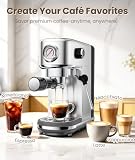
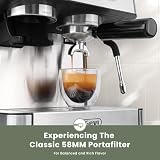
The Casabrews Compact delivers where it counts: a 20-bar pump that pulls rich shots with solid crema, a pressure gauge that lets you dial in your technique, and fast heating. The stainless steel finish looks tidy on a counter, and at this price point, it's hard to argue with the build quality owners report after months of daily use. The learning curve is forgiving, especially for first-time espresso makers, and the included accessories (portafilter, tamper, baskets) mean you're making coffee the day it arrives.
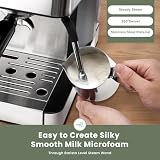
That said, the steam wand is the weak link. Multiple owners note that frothing milk produces hot liquid with minimal texture; you won't get the silky microfoam you'd see on a café cappuccino without upgrading to aftermarket baskets and a better portafilter. The machine also has a quirk: if you switch between steaming and pulling shots too quickly, it triggers a thermal protection lockout. It's not a deal-breaker, but it does mean planning your workflow.
Where the Casabrews shines is reliability and customer service. Owners report responsive support even years after purchase, and a solid espresso shot every time once you nail the grind. If you prioritize consistent daily espresso over fancy milk art rather than the fully automated ritual that jura for home machines offer, this machine punches above its weight.
Pros
- 20-bar pump produces rich crema consistently
- Compact footprint fits tight counters
- Fast heating and intuitive controls
- Excellent long-term customer support
Cons
- Steam wand struggles with milk texture and microfoam
- Thermal protection mode limits rapid drink-making workflow
Key features (5)
- 20-bar Italian pump with built-in pressure gauge
- 34oz removable water tank for easy refilling
- Stainless steel body, compact design under 10 inches wide
- Semi-automatic brewing with single and double shot baskets
- Fast heat-up in under 30 seconds
The atatix espresso machine earns its spot through sheer ease of use. It reaches temperature in just 30 seconds, making it ideal if you're impatient on a weekday morning. The NTC precision temperature control locks onto the sweet spot (90-96°C) automatically, so even if you're new to espresso, the machine handles one of the trickier variables for you. The steam wand produces proper microfoam in under a minute, and owners consistently praise how quickly they went from nervous novice to pulling decent shots.
Compared to the Casabrews, the atatix includes a manual extraction mode that lets you customize shot length up to 102 seconds, offering more room to experiment. The 44oz water tank is larger, meaning fewer refills during your morning routine. Owners report great customer service, including same-day replacement offers when issues arise.
The learning curve does flatten quickly, but early attempts can feel unpredictable until you dial in your grind and tamp. The machine is also louder than some competitors during steam cycles, which matters if you're brewing before household members wake up. Quality baskets and portafilter upgrades make a noticeable difference here too, so budget for accessories if you want café-level results.
Pros
- 30-second preheat, fastest in this lineup
- Precision temperature control removes guesswork
- Manual and auto extraction modes for flexibility
- 44oz water tank larger than competitors
Cons
- Notably loud during milk steaming cycles
- Requires grind dialing-in to avoid channeling
Key features (5)
- 20-bar pressure with NTC precision temperature control
- Auto and manual extraction modes up to 102 seconds
- Powerful steam wand for dense microfoam creation
- 44oz removable water tank with low-level indicator
- Four silicone suction cups prevent machine wobble
The Gevi 20 Bar stands apart by integrating a conical burr grinder with 30 adjustable settings, eliminating the need for a standalone grinder investment. This grinder setup comparison is crucial: built-in grinders save counter space and let you adjust on the fly for different beans. Owners who work in coffee report the machine rivals much pricier equipment, with rich extraction and balanced crema thanks to the 20-bar pump and PID temperature control.
The dual-function steam wand handles both milk frothing and hot water dispensing, so you can make Americanos or rinse the portafilter without switching tools. The machine heats up quickly and maintains consistent temperature across multiple drinks. For buyers who value convenience, having freshly ground espresso at the touch of a button (rather than pre-grounding or using a separate grinder) is worth the trade-offs.
That said, the grinder lacks a built-in weight measurement, so you're eyeballing or weighing doses separately. Some owners note the machine runs louder than expected during grinding. There's also a learning curve around grind adjustment; dial it in wrong and you'll pull weak or over-extracted shots. If you're a true espresso enthusiast comfortable tinkering, the control is excellent. If you want zero thinking, you'll want to pair this with a scale and some experimentation time.
Pros
- Built-in conical burr grinder eliminates separate purchase
- PID temperature control for consistent extraction
- Dual-function steam and hot-water wand
- Professional-grade crema and microfoam capability
Cons
- Grinder noise can be startling; louder than pump operation
- No weight indicator on grinder; requires scale or guesswork
Key features (5)
- Conical burr grinder with 30 adjustable grind sizes
- 20-bar Italian pump with PID temperature control
- Dual-function steam wand for milk and hot water
- Customizable single and double shot volumes
- Compact design that doesn't sacrifice water tank capacity
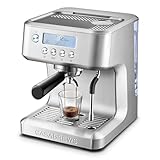
The Casabrews Ultra steps up with an LCD screen, customizable brew temperature across four settings, and a larger 73oz water tank that handles multiple drinks in succession without refilling. The brushed stainless steel looks upscale, and owners rave about the intuitive control panel and pre-programmed buttons that deliver consistent shot volumes every time. The 20-bar pump and 1350W heating system are identical to its compact sibling, but the Ultra adds refinement in usability and capacity.
Where this machine shines is the dedicated hot water button, perfect for Americanos or tea without switching modes. Owners who upgraded their portafilter and baskets report that the Ultra rivals machines costing significantly more. The larger tank and straightforward button interface appeal to buyers making multiple drinks for family or guests.
Compared to the Gevi with its built-in grinder, the Ultra requires a separate grinder, which adds to upfront cost and counter footprint. The steam wand, while powerful, can splatter if your milk pitcher is too small; many owners recommend investing in a larger frothing pitcher. Build quality feels solid, but some users note the machine doesn't retain heat in the portafilter quite as well as professional-grade equipment, affecting shot temperature slightly.
Pros
- LCD display shows temperature and programming options
- Four brew temperature settings for bean experimentation
- 73oz water tank handles multiple drinks without refill
- Dedicated hot water button for Americanos and cleaning
Cons
- Portafilter heat retention lags compared to premium machines
- Steam wand splatter requires larger milk pitcher
Key features (5)
- 20-bar Italian pump with 1350W rapid heating
- LCD display with customizable temperature and shot timing
- 73oz removable water tank for extended brew sessions
- Brushed stainless steel design with cup warmer on top
- Volumetric pre-programmed single and double shot buttons
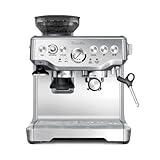
The Breville Barista Express is the standard against which other home machines are measured. Its conical burr grinder with dose control grinds fresh beans directly into the portafilter, eliminating storage and staleness issues. The integrated pressure gauge and PID digital temperature control give you visibility into what's happening inside the machine, which is invaluable for learning and dialing in shots. Owners with years of experience report consistency that holds up to daily heavy use; many have owned theirs for 5-9 years without major failure.
The build quality feels noticeably premium compared to budget machines. The portafilter is 58mm (commercial standard), and the steam wand is powerful enough to texture milk into proper microfoam. The machine heats up in about 30 seconds, and the automatic cleaning cycles take the guesswork out of maintenance. Experienced coffee lovers praise the range of customization: you can dial in grind, temperature, dose, and extraction time to match any bean profile.
However, it's a single-boiler machine, so you can't pull shots while steaming milk; you'll work sequentially. The learning curve is steeper than budget options, getting dialed in takes practice, and maintenance is more involved than some competitors. The drip tray fills quickly and needs emptying regularly. Where grinder setup comparison matters most is here: the built-in grinder eliminates a separate purchase but requires careful cleaning and regular maintenance. It's the machine for buyers willing to invest time and attention in pursuit of café-quality results, not a quick-and-forget appliance.
Pros
- Built-in conical burr grinder with dose control
- PID digital temperature control for precise extraction
- Commercial 58mm portafilter opens upgrade path
- Proven durability; many machines operate 5+ years
Cons
- Single-boiler design limits simultaneous steaming and espresso
- Higher learning curve and ongoing maintenance demands
Key features (5)
- Integrated conical burr grinder with variable dose control
- PID digital temperature control and pressure gauge
- Commercial 58mm portafilter with single and dual wall baskets
- Automatic cleaning and descaling cycles
- 1600-watt heating element with 67oz water tank capacity
How to Choose Your First Home Espresso Machine
Pressure and Temperature: Non-Negotiables
Any espresso machine worth buying needs 15+ bars of pressure and stable temperature control. The 20-bar pumps in all five machines here hit that mark comfortably. Look for machines with a pressure gauge so you can see what's happening; it's the difference between guessing and learning. Temperature stability matters for consistency. PID or NTC control systems (like those in the atatix and Breville) keep water within a few degrees, which affects extraction flavor. Machines without temperature control drift by 10+ degrees between shots, leading to sour or bitter results.
Grinder: Built-In or Separate?
The grinder setup comparison comes down to counter space and convenience. Built-in grinders (Gevi, Breville) save space and let you adjust settings between shots, but they require more cleaning and take up space inside the machine. Separate burr grinders (Casabrews, atatix, Casabrews Ultra) cost extra but often perform better and are easier to clean. For beginners, built-in is simpler; for precision-focused brewers, separate is more forgiving. Pre-ground espresso from a local roaster is an option, but loses aroma quickly once ground.
Steam Wand Power and Milk Texture
Not all steam wands are equal. Some produce hot milk with no texture; others make proper microfoam for latte art. Test reviews for words like 'microfoam' and 'velvety': those signal a wand worth using. Powerful wands (Breville, Gevi) froth milk in 30-60 seconds and create dense, glossy foam. Weaker wands (Casabrews Compact) take longer and produce thinner bubbles. If you drink milk-based coffee daily, wand quality directly affects how much you'll enjoy the ritual. Single-boiler machines like the Breville require steaming before or after espresso; dual-boiler machines let you do both at once, but cost more.
Counter Space and Water Tank Size
Compact machines (Casabrews Compact, atatix) fit on tight counters but have smaller tanks (34-44oz), requiring refills after 2-4 drinks. Larger machines (Casabrews Ultra with 73oz, Breville with 67oz) reduce refill frequency on busy mornings. If your kitchen is cramped, prioritize the Casabrews Compact or Gevi. If you make multiple drinks or have guests over, the larger tanks in the Ultra or Breville prevent interruptions. Measure your available counter space before ordering; espresso machines are not trivial to relocate daily.
Our picks at a glance
1
Best Overall ValueCasabrews
2
Best for Quick Setupatatix
3
Best with Built-In GrinderGevi
4
Best Premium PickCasabrews
Frequently asked
Can I use pre-ground espresso from the grocery store?
Yes, but results are mediocre. Pre-ground beans oxidize quickly, losing aroma and oils that make espresso flavorful. If you go this route, use a pressurized basket (usually included with budget machines) to compensate for uneven grinds. Fresh beans ground at home or at a local roastery within a few hours of brewing will taste noticeably better. If whole beans feel intimidating, ask your roaster to grind a small batch fresh; most will do it free or cheap.
How often do I need to clean my espresso machine?
Daily wiping of the steam wand and group head keeps buildup minimal. Weekly deep cleans of removable parts (portafilter, baskets, drip tray) prevent residue and smell. Descaling every 2-3 months (depending on water hardness) removes mineral deposits that slow heating and clog lines. Breville and some newer models have automatic cleaning cycles that make this easier. Neglecting cleaning will shorten machine life and sour your espresso taste within weeks.
What's the difference between 15-bar and 20-bar pressure?
The difference is subtle but real. Espresso extraction happens optimally at 9 bars; higher pump ratings allow the machine to achieve and maintain that pressure even as water flows through the puck. A 15-bar pump works fine for most home use. A 20-bar pump gives slightly more headroom for dialing in and produces marginally richer crema. The real bottleneck for flavor isn't pressure; it's grind size, dose, tamp, and bean freshness. Both are good; 20-bar is not required.
Do I need to descale if I use filtered water?
Yes, though less often. Filtered water reduces mineral buildup but doesn't eliminate it entirely. Even filtered water contains some minerals that accumulate over months. Descale every 3-4 months on filtered water, versus every 2 months on tap water. Use a machine-compatible descaler (Breville sells proprietary tablets, but Cafiza and other brands work and cost less). Skipping descaling voids warranties and leads to heating problems, leaks, and sour espresso within a year.
How do I dial in the perfect espresso shot?
Dialing in means adjusting grind size, dose (grams of coffee), and tamp pressure until you pull a 1:2 ratio shot in 25-30 seconds. Start with medium-fine grounds, dose around 18 grams for a double shot, tamp level and firm, then pull the shot and time it. If it's fast and sour, grind finer. If it's slow and bitter, grind coarser. An inexpensive scale ($15-30 on Amazon) removes guesswork by letting you weigh dose and output. Dialing takes 10-20 shots of practice; results improve noticeably once you nail it.