Kitchen & Dining · Gadgets
Best Herb Saver for Your Fridge: Top Containers Tested
Find the best herb saver to keep cilantro, parsley, and fresh herbs crisp for weeks. Compare OXO, Cole & Mason, Prepara, and more.
Affiliate disclosure: As an Amazon Associate I earn from qualifying purchases.
At a glance
2
Best Premium OptionCole & Mason
3
Best for Serious Herb GrowersOXO
4
Most Durable Long-Term StoragePrepara
Detailed reviews
OXO's Produce Saver earned its reputation through sheer consistency. The water fill line takes guesswork out of hydration, the hinged lid opens without spilling, and the removable basket lets you hook it anywhere you need quick access during cooking. Owners report that flat-leaf parsley and dill stay vibrant for a full two weeks when you trim the stems first. The narrow footprint fits neatly on fridge shelves or doors without hogging space.
The main trade-off is capacity. You can fit two standard herb bunches if you trim stems short, but if you're storing multiple varieties at once or have tall scallions, you'll hit the lid pretty quickly. One owner noted the lid feels a bit flimsy compared to the basket itself, though most report it holds up fine through regular washing. If durability is paramount, the larger GreenSaver model offers more headroom and sturdier construction.
For cooks who use one or two herbs regularly and want straightforward storage without complicated water changes, this is the pick. The design philosophy is pure OXO: simple, functional, and it works.
Pros
- Water fill line removes guesswork about hydration
- Hinged lid opens easily during meal prep
- Fits neatly on refrigerator shelves or doors
- Keeps herbs fresh two weeks with stem trimming
Cons
- Lid feels less sturdy than the container body
- Limited capacity for tall or bulky herb bunches
Key features (4)
- Marked water fill line for consistent herb hydration
- Removable, hangable basket with ventilation pattern
- Hinged lid for easy access during cooking
- Narrow profile fits fridge shelves and most door racks
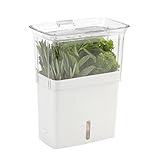
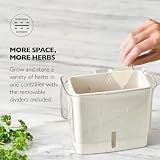
Cole & Mason's Fresh Herb Keeper appeals to cooks who want their storage to look polished and don't mind extra care routines. The flip-and-slide lid and removable dividers let you store multiple herbs in one container, and the water-level window lets you see exactly how much moisture you have without opening the lid. Cilantro routinely lasts two weeks in owners' fridges, and some report three weeks with careful water changes.
But there's a learning curve. The design works best when the clear upper section is fully extended or fully collapsed; halfway heights don't seal properly and can allow herbs to dry out. Changing water requires removing the herbs first, which means lifting them out, waiting for a temperature shock, then repositioning them. The two-part assembly also complicates cleaning compared to a simpler one-piece design. Where the OXO Produce Saver prioritizes ease of use, this container asks for more attention in exchange for aesthetics and the ability to organize multiple herb types at once.
If your kitchen values style and you're willing to refresh water every few days as part of your routine, this works beautifully. For hands-off storage, simpler designs might feel less taxing.
Pros
- Water-level window shows hydration without opening
- Removable dividers separate multiple herb types
- Cilantro lasts three weeks with regular care
- Attractive appearance on fridge shelves
Cons
- Requires frequent water changes and herb repositioning
- More complex cleaning than single-piece designs
Key features (4)
- Flip-and-slide lid design with air vents for breathing
- Water level indicator window to monitor moisture
- Removable dividers customize space for herb types
- Extended height fits most fresh herb bunches
The OXO GreenSaver is the workhorse for anyone who cooks with fresh herbs several times a week or maintains a rotating lineup of mint, basil, cilantro, and parsley all at once. The 1.8-quart size and hinged basket with full 360-degree air circulation are genuinely different from the smaller Produce Saver: you can fit multiple full bunches and tall herbs without bending them. Owners report cilantro staying fresh for three weeks when you change the water every three days and trim stem bottoms to keep them drinking.
The trade-off is that the loose-fitting lid (by design, to allow humidity to balance) can pop off if bumped in the fridge. Several owners recommend securing it with a rubber band on the sides to prevent spills without creating an airtight seal. The container is also taller and won't fit in some refrigerator doors, so shelf space is required. Compared to the more compact Produce Saver, this demands more hands-on maintenance: water changes, stem trimming, and careful lid handling are part of the routine. But if you're the kind of cook who uses fresh herbs as a core ingredient rather than an occasional garnish, the capacity and airflow justify the extra care.
If you have the fridge space and embrace the water-change ritual, this is the most effective herb storage available.
Pros
- Holds multiple herb bunches simultaneously
- 360° airflow basket keeps herbs crisp three weeks
- Large capacity fits tall herbs without bending
- Hinged basket protects delicate leaves during access
Cons
- Loose-fitting lid can pop off if jostled in fridge
- Requires regular water changes and stem trimming
Key features (4)
- 1.8-quart capacity with ample room for multiple bunches
- Hinged basket with 360-degree air circulation design
- Water added to base hydrates herb stems
- Fits refrigerator shelves; too tall for most doors
Prepara's Herb Savor Eco stands out for its protective hard-shell design and tethered water-filler cap: a small detail that makes water changes less messy than models requiring full removal. The crystal-clear greenhouse enclosure protects delicate cilantro, parsley, and basil leaves from being crushed by other fridge items, which matters if your shelves are crowded. Owners who follow the water-change routine (every 2-3 days) report herbs staying vibrant for four to five weeks, well beyond the advertised three weeks. One owner documented a parsley bunch at week five that still had substantial, fragrant stems.
The narrowness is the genuine drawback. You can fit a small handful of cilantro comfortably, but wide bunches need trimming to avoid being squeezed. The door-mounted footprint means you trade capacity for convenience. Compared to the GreenSaver's roomier basket design, the Eco fits less per unit, which matters if you're stocking multiple herbs. The Eco version (tested here) also lacks the rinse basket included in the Classic model, so setup is simpler but you lose that optional cleaning tool.
This works best as a specialty keeper for one premium herb you want to protect for weeks, rather than as your main storage for rotating herbs. The hard-shell durability and long-term freshness make it worth the investment if you're serious about reducing herb waste.
Pros
- Hard-shell protects leaves from crushing
- Tethered water cap simplifies refilling
- Herbs stay fresh four to five weeks with care
- Fits neatly in refrigerator doors
Cons
- Narrow design limits capacity per container
- Requires disciplined water changes every 2-3 days
Key features (4)
- Crystal-clear hard-shell greenhouse protects leaves
- Tethered silicone filler cap for easy water refills
- Water-well base hydrates herb stems continuously
- Top-rack dishwasher safe. BPA-free materials
#5 PickBest Budget PickGiyochie
Affordable entry-level storage keeps herbs fresh two to three weeks; less durable plastic than premium options.
Ideal for: Budget-conscious cooks; first-time herb-saver buyers testing the concept.
Giyochie's Fresh Herb Saver offers the core feature set (water well, transparent lid, air grooves) at a lower entry point than established brands. Owners report cilantro and parsley staying fresh for two to three weeks when you change water every three to five days, which matches what you'd get from much pricier containers. The transparent design lets you check herb condition without opening the lid, and the sturdy round shell prevents herbs from being crushed on crowded shelves.
The durability story is mixed. Some owners report drops and regular use without cracks, while others found the construction flimsier than expected. The two-part assembly (clear insert and white base) can be stiff to separate, which builds confidence in the seal but makes maintenance slightly awkward when you're working with water inside. One owner noted the lid sometimes won't stay fully closed or connected. If you view this as a short-term investment or a trial before committing to premium storage, the value works; if you're buying for years of daily use, the build quality gaps versus Cole & Mason or Prepara may disappoint after six months.
This is the choice for budget-minded cooks who want to test whether dedicated herb storage actually works for their routine before investing in a pricier model. It does the job, but plan to replace it sooner than you would with premium options.
Pros
- Keeps herbs fresh two to three weeks affordably
- Transparent lid shows herb condition at a glance
- Sturdy round shell prevents crushing on shelves
- Fits refrigerator shelves and most door racks
Cons
- Plastic durability less robust than premium brands
- Two-part assembly can be stiff to separate
Key features (4)
- Transparent lid with air grooves for circulation
- Water-well base hydrates herb stems daily
- Sturdy ABS plastic round shell protects leaves
- Compact 3-inch width fits fridge doors easily
How to Choose an Herb Saver
Capacity and Fridge Fit
The first practical constraint is space. Door-mounted models like the Produce Saver, Cole & Mason, and Prepara Eco are narrow and fit most refrigerator doors but hold one to two bunches comfortably. The GreenSaver is larger and requires a shelf but lets you store multiple herbs at once. Measure your fridge door width and depth, or plan to use a shelf. If you buy multiple containers (many owners do), think about how many you can stack without creating an organizational nightmare. The wider OXO models take up more door real estate but reduce the number of containers you need.
Hydration and Water-Change Frequency
All these containers work by submerging herb stems in water while keeping leaves dry above. The difference is how you maintain the water. Models with water-level windows (Cole & Mason) or fill caps (Prepara) make checking and refilling easier. Models requiring full removal of the herb basket (OXO GreenSaver) mean more handling and temperature shock to the herbs. If you're willing to change water every 2-3 days, you'll see herbs last three to four weeks. If you forget or change water less frequently, choose a design where herb keeper water maintenance is simpler to stay consistent with, and expect freshness to drop to two weeks. The water you use matters too: filtered or room-temperature water extends freshness more than cold tap water.
Build Quality and Durability
Budget models like Giyochie work for a season or two but may show plastic fatigue (cracking lids, seals that don't hold) after heavy use. Mid-tier options (Cole & Mason, Prepara) offer better materials and typically last 3-5 years with regular washing. OXO's Produce Saver splits the difference: solid for the everyday home cook, though owners occasionally report lid hinges loosening. The GreenSaver is OXO's most robust version. If you plan to keep fresh herbs year-round and want something that won't need replacing, invest in mid-tier or premium brands. Dishwasher safety helps; top-rack models are gentler than full-cycle.
Herb Type and Variety
Tender herbs like cilantro, parsley, and mint thrive in all of these. Hardy herbs like thyme and rosemary are more forgiving and work anywhere. Tall herbs like dill and scallions need either a container with vertical clearance (GreenSaver) or the willingness to trim or fold stems. If you rotate between many herbs, the removable dividers in the Cole & Mason or the larger basket in the GreenSaver let you store several types without them tangling. Single-herb cooks can get by with a compact door-mounted model. Consider whether you'll store just herbs or also asparagus, green onions, and greens: some owners use these containers for lightweight vegetables too, which affects which model suits you best.
Maintenance vs. Convenience Trade-off
Simple designs (OXO Produce Saver, Giyochie) minimize fussing: fill water, place herbs, done. More elaborate designs (Cole & Mason, Prepara with their tethered caps and water windows) offer more visibility and easier refilling but require more hands-on care and learning curves. The GreenSaver sits in the middle: it's forgiving but benefits from consistent water changes. Decide if you'd rather spend five minutes twice a week maintaining an herb keeper, or if you prefer something you can mostly forget about. Serious cooks embrace the routine; casual herb users appreciate simplicity.
Our picks at a glance
2
Best Premium OptionCole & Mason
3
Best for Serious Herb GrowersOXO
4
Most Durable Long-Term StoragePrepara
Frequently asked
How do I prep herbs before putting them in an herb saver?
Rinse herbs gently under cool water and pat completely dry with paper towels or a clean cloth. Wet herbs rot faster. Trim the bottom half-inch of stems with a sharp knife or kitchen scissors to remove dried-out tissue and open the veins so the plant can drink. Remove any yellowed or damaged leaves. Place stems in water first, leaves above the waterline. Change water every 2-3 days and retrim stem bottoms every few days for best results.
Which herbs stay fresh longest in these containers?
Hardier herbs like thyme, rosemary, sage, and mint last three to four weeks with minimal fussing. Tender herbs like cilantro, flat-leaf parsley, and dill typically stay fresh two to three weeks. Basil is finicky: some owners report good results, others say it blackens faster despite the container. Soft greens like spinach and arugula work but need more frequent water changes. Scallions and asparagus hydrate well but need tall containers and benefit from standing upright.
Can I store different herbs together in the same container?
Yes, but only if the container is large enough or has dividers. Mixing herbs works when you trim all stems to similar lengths and they don't crowd the basket. Herbs with different water needs (basil likes more moisture than rosemary) compete, so if one type wilts faster, you may need separate containers. The Cole & Mason with removable dividers handles this best. OXO's GreenSaver is roomy enough for two or three varieties without dividers if you arrange them carefully.
Should I store herbs in the fridge door or on a shelf?
Door storage is convenient for daily access, but fridge doors experience more temperature fluctuation than shelves, which can shorten freshness slightly. If your door is crowded or has items pressing against the container, herbs get crushed faster. Shelves are more stable. Whichever you choose, keep the container away from the coldest back corner of the fridge, where temperature swings are largest. Most owners report good results with either location as long as the herb saver sits upright and level.
What's the real difference between water-submersion containers and plastic-wrap storage?
An herb container versus plastic wrap comes down to consistency and effort. Wrapping herbs in a damp paper towel and sealing them in a plastic bag works for four to five days, but results are inconsistent: they often wilt or get slimy after a week. Dedicated herb containers with water submersion extend freshness two to four weeks because the constant hydration at the stem base maintains turgor, while the lid controls humidity to prevent rot. The trade-off is that containers require more space and regular water changes. If you use herbs once or twice a week, wrapping is fast. If you cook with fresh herbs daily, a container pays for itself in reduced waste.