Kitchen & Dining · Cookware
Best Heat Diffuser for Electric Stove: Top Picks for Even Cooking
Find the best heat diffuser for electric stoves. Compare cast iron, stainless steel, and steel options to prevent scorching and enable slow simmering on any cooktop.
Affiliate disclosure: As an Amazon Associate I earn from qualifying purchases.
At a glance
1
Best OverallHeat Equalizer
2
Best for Frequent UseHIC Kitchen
3
Best Budget PickCooks Innovations
4
Best for Glass CooktopsKlnbrwr
5
Best Multi-Pack Optioneaacaa
Detailed reviews
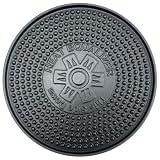
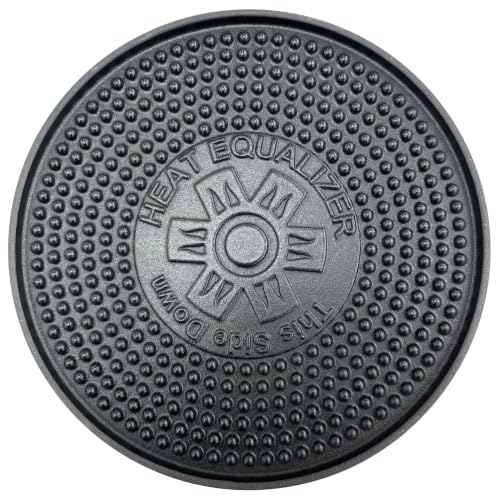
The Heat Equalizer's 9.25-inch cast iron plate is built like a heirloom: solid metal that won't warp, dent, or wear out. Buyers consistently report that their most troublesome burners (the ones that boil aggressively even on low) become usable for the first time, turning what was a one-speed zone into a proper simmer. The payoff is real: soups stop scorching, stews cook evenly, and stir-fries brown without burning. Cast iron does take longer to heat and cool, which some see as a drawback for quick cooking, but that thermal mass is precisely why it excels at the job heat diffusers are meant to do.
Setup and upkeep are refreshingly simple. You place it on the burner, set your pot on top, and leave it there: many owners keep it on the stove permanently, wiping it down between uses. Like any cast iron, it will discolor and may develop patina, but that's cosmetic and expected; one owner reported using theirs for a lifetime. The main trade-off is weight and footprint; it's not for cooks with tiny kitchens or limited storage, and it demands respect when handling.
Compared to the perforated stainless steel options lower in this list, the Heat Equalizer trades compact storage for superior heat retention and durability. If you cook frequently and value a tool that will outlast your stove, the investment in this piece pays dividends.
Pros
- Superior heat distribution eliminates hot spots and scorching
- Cast iron construction designed to outlast your stove
- Works on gas, electric coil, glass, and ceramic stovetops
Cons
- Heavy and requires more storage space than stainless alternatives
- Discoloration and patina develop with regular use and high heat
Key features (5)
- 9.25-inch cast iron plate with 480+ heat collectors
- Compatible with gas, electric coil, glass, and ceramic stoves
- Concentrates and retains heat for energy-efficient low simmering
- 30-day satisfaction guarantee with no-questions-asked returns
- Solid construction designed for lifetime kitchen use
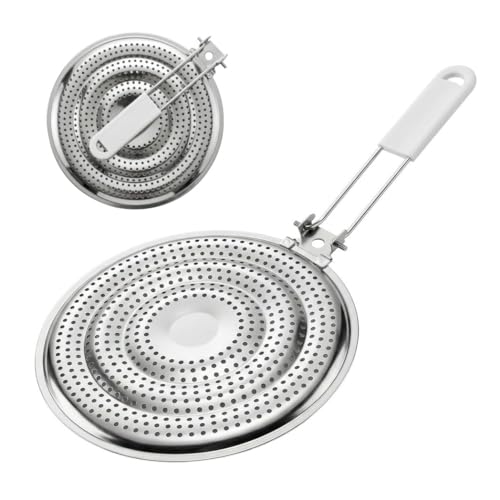
The HIC Kitchen diffuser has been refined over decades, and that lineage shows. The perforated stainless steel design is lighter and thinner than cast iron, which means it heats faster and tucks away neatly when not in use. The removable handle is a genuine convenience: it folds off for storage and stays cool enough to grip even over an active flame, solving the safety issue of reaching over a hot burner. Buyers who own this model for years report that it performs just as well at decade's end as it did on day one, withstanding high heat without warping or rusting.
What makes this diffuser stand out is its track record with specialty cookware. Moka pots, espresso makers, and small sauce pans all benefit from the even heat spread, and the perforated design works equally well on gas and electric coils. One owner noted using the same HIC diffuser for 25 years, which speaks to durability in a way few products can claim. The trade-off is that the handle bracket can sit slightly proud of the body surface, which means pans larger than the diffuser itself may rest on the bracket rather than the plate; this matters only if you're using oversized cookware on a small burner.
While the Heat Equalizer above focuses on pure thermal mass, the HIC Kitchen prioritizes practicality and accessibility: you'll reach for this one more often because it's always ready and easy to stash.
Pros
- Lightweight stainless steel heats faster than cast iron
- Removable stay-cool handle folds off for compact storage
- Proven 25+ year lifespan with minimal wear or rust
Cons
- Handle bracket can prevent perfectly flat resting of oversized pans
- Shows burn marks and discoloration from gas flames with use
Key features (5)
- 8.25-inch perforated stainless steel with chrome-plated steel
- Removable, fold-away handle keeps hands safely away from heat
- Works on electric, gas, and glass cooktops
- Dishwasher safe for quick cleanup and maintenance
- Balances small cookware like moka pots and espresso makers
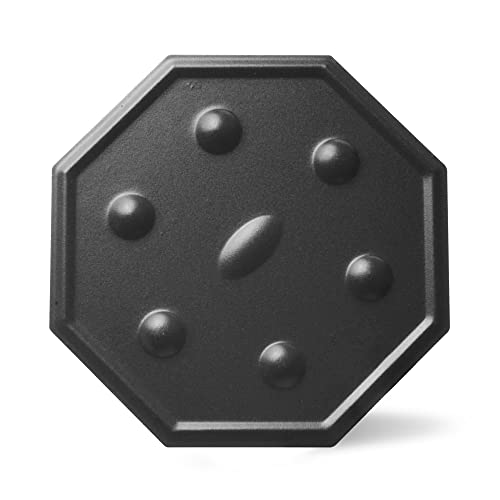
The SimmerMat takes a different form: a flat steel ring with dimpled surface rather than solid plate or perforations. The design is practical and thrifty. Buyers report using it for the same jobs as pricier options. Italian Sunday gravy simmering for five hours without scorching, stews that cling to the pot bottom normally, chilis and sauces that usually require vigilant stirring. The dimpled surface grips cookware so it doesn't slide around, and the ring sits flat enough on any burner. Cost matters here: you get genuine diffusion function at a lower entry point than cast iron.
One caveat stands out in the reviews: this is strictly a low-heat tool. It's pressed sheet metal, not heavy cast iron or welded stainless. Users who tried it on medium-high heat saw it discolor, warp, or perform poorly; it's designed to bridge the gap between your burner's low setting and true low heat, not to handle serious searing. If your cooking is predominantly simmering and slow cooking, that's fine. If you need versatility across heat levels, the Heat Equalizer or HIC Kitchen will serve you better.
The SimmerMat shines for cooks working with small burners that don't have a true simmer setting: it transforms a binary on-off experience into gradual, controllable warmth. Compared to the heavier cast iron options, it trades durability for price and storage convenience, making it a smart starting point for anyone unsure if a diffuser will pay off.
Pros
- Proven effectiveness for slow simmering
- Dimpled surface prevents pan sliding during long cooking
- Compact and lightweight; easy to store between uses
Cons
- Pressed sheet metal limits use to low-heat applications only
- Lighter material means shorter lifespan than cast iron or heavy steel
Key features (5)
- Zero-carbon steel construction with dimpled heat-distribution surface
- Works on electric coil, gas, glass, halogen, and induction cooktops
- Designed for low-heat simmering and slow cooking without scorching
- Dishwasher safe for convenient cleanup
- Compact design fits small and large burner sizes
The Klnbrwr stove ring addresses a specific pain point: vintage glass percolators, Pyrex pots, and cast iron cookware that cooks worry will scratch or thermal-shock their glass cooktops. This 5-by-5-inch ring is smaller and lighter than a full diffuser plate, designed to sit under a pot rather than spread heat across a large surface. It's protective, not primarily a heat distributor: the wire construction creates air gaps that isolate hot cookware from direct contact with the glass, which is why it works so well for delicate vessels.
Built from high-strength metal with thick wire, the ring doesn't deform under normal use, and owners report it holds cast iron and vintage glass pots securely without tipping. The trade-off is clear: it doesn't diffuse heat the way a solid plate or perforated sheet does. If your goal is to even out a hot spot on an electric coil burner and slow-simmer a sauce, the Heat Equalizer or SimmerMat will do more. But if you're trying to use a beloved vintage coffee pot or cast iron skillet without ruining your glass stove, this ring is the right answer. One reviewer cautioned about black discoloration and odor on a coil stove, suggesting compatibility is best with electric or glass surfaces, not gas.
This pick works best alongside other heat diffusers in a multi-tool kitchen. Use it for protection with special cookware; reach for a full diffuser when you need true heat distribution.
Pros
- Thick, sturdy wire protects glass cooktop from scratches and thermal shock
- Compact size fits small and medium burners without bulk
- Safe for vintage glass percolators and cast iron cookware
Cons
- Smaller footprint limits heat distribution compared to full-size diffusers
- Not recommended for gas stoves; may discolor on high heat
Key features (5)
- 5-by-5-inch stainless steel wire ring for glass cooktop protection
- High-strength metal construction resistant to warping and deformation
- Isolates cookware from direct glass surface contact
- Easy to clean and compact to store
- Ideal for vintage percolators, glass Pyrex pots, and cast iron pans
The eaacaa set gives you three diffusers in one purchase, addressing the reality that many kitchens need more than one tool: one stays on the most-used burner while others are available for specialty cookware or backup. Stainless steel is rust-resistant and dishwasher safe, ticking boxes for durability and cleanup. Each diffuser is designed as a buffer between stove and glass or ceramic cookware, spreading heat gently to avoid thermal shock or direct scorching.
Reviews reveal a mixed picture. Some buyers are delighted with the value and performance on glass cooktops, particularly when using heirloom glass percolators or delicate cookware. Others note that the wire diameter is thin, and pans (especially heavier cast iron) can rock or teeter on the surface rather than sitting stable. One reviewer struggled to keep a 13-pound Dutch oven centered, which is a real limitation if you cook with heavy cookware regularly. The set also includes wire gaps that some reviewers felt were uneven or could scratch, so handling and placement matter.
Compared to the solid Klnbrwr ring or the HIC Kitchen's perforated design, these thin-wire diffusers sacrifice stability and durability for affordability and quantity. They work best for lighter cookware or as spares, less so as your primary daily tool. If you're trying out heat diffusers for the first time or need coverage across multiple burners without a big investment, the three-pack makes sense.
Pros
- Three-piece set provides coverage and spares for multiple burners
- Rust-resistant stainless steel suitable for glass cooktop protection
- Affordable entry point for first-time heat diffuser buyers
Cons
- Thin wire diameter makes sets unstable under heavy cookware
- Uneven gaps in metal can catch or scratch pans during placement
Key features (5)
- Three stainless steel diffusers per package for multi-burner coverage
- Designed for glass and ceramic cookware on electric stoves
- Rust-resistant construction with dishwasher-safe convenience
- Thermal buffer reduces direct heat contact and risk of breakage
- Suitable for metal cookware to reduce sticking and burning
How to Choose a Heat Diffuser for Your Stove
Understand Your Stovetop Type
Electric coil burners benefit most from diffusers because the coils concentrate heat in a small ring; spreading that heat evenly is transformative. Glass cooktops also work well, though your main concern becomes protecting the surface from scratches and thermal shock: thinner wire designs excel here. Gas stoves can use diffusers too, but the open flame underneath means you're managing radiant heat rather than concentrated coil heat. Induction cooktops are a gray area; some diffusers claim compatibility, but induction works by generating heat in the cookware itself, so a diffuser in between reduces efficiency. Always check the product's stated compatibility before buying.
Material and Durability Trade-offs
Cast iron is the heaviest hitter: it absorbs and retains heat beautifully, distributes it evenly, and lasts decades with minimal maintenance. The downside is weight and permanent counter presence; if storage or ease of use matters, stainless steel or steel alternatives move faster, weigh less, and fold away. When evaluating cast iron vs stainless steel, consider how often you cook and whether you want a tool that disappears between uses or one that earns a permanent home on your stove. For cooks simmering daily, cast iron pays dividends; for occasional users, lighter materials make more sense.
Cookware Size and Burner Fit
Diffuser size should match your burner and typical pot diameter. A 9.25-inch cast iron plate covers most standard burners and works under large stockpots, while smaller 5-inch wire rings are better for vintage cookware or small sauce pans. Check whether the product can handle your heaviest cookware without tipping; oversized pots on undersized diffusers rest on the handle or bracket rather than the plate, reducing effectiveness. If you use multiple pot sizes across your stove, a larger diffuser gives more versatility.
Heat Control and Cooking Style
If your cooking centers on simmering soups, stews, and sauces that need hours at low heat without scorching, any solid diffuser works well. For specialty applications (melting chocolate, gentle warming, defrosting) cast iron's heat retention is an asset. If you need using a heat diffuser properly is part of your routine, look for products with clear instructions; some are designed for the side facing up or down, and placement matters. Budget or sheet-metal options work fine for low-heat-only tasks but can't handle medium-high settings, so assess what heat levels you actually use before choosing.
Storage and Daily Convenience
Cast iron and large solid plates live on the stove permanently or occupy significant cabinet space. Perforated stainless steel with removable handles folds flat for compact storage, making it ideal if counter space is tight or you prefer tools out of sight. Wire rings and multi-packs save space by nature. Consider whether you'll use the diffuser daily (keep it accessible) or occasionally (storage is less critical). A diffuser you have to hunt for in a back cabinet is one you'll stop reaching for.
Our picks at a glance
1
Best OverallHeat Equalizer
2
Best for Frequent UseHIC Kitchen
3
Best Budget PickCooks Innovations
4
Best for Glass CooktopsKlnbrwr
5
Best Multi-Pack Optioneaacaa
Frequently asked
Can I use a heat diffuser on an induction cooktop?
Most heat diffusers aren't ideal for induction. Induction generates heat directly in ferromagnetic cookware, and a diffuser between the cooktop and pan interrupts that magnetic connection, reducing efficiency. Some steel or cast iron diffusers claim induction compatibility, but you'll likely find they work poorly. If you have an induction stove, check the product specifications carefully; if they don't explicitly mention induction, skip it and look for alternatives designed for your cooktop type.
How do I clean a cast iron heat diffuser?
Wipe cast iron with a damp cloth immediately after use while it's still warm; avoid soaking or aggressive scrubbing. If food spatters and fuses to the surface (common with boil-overs), let it cool and scrub with a stiff brush or steel wool; a bit of oil on the brush helps. Unlike cast iron cookware you cook in, diffusers don't need seasoning, though they will discolor and develop patina over time: that's normal and doesn't affect performance. Dry thoroughly after cleaning to prevent any rust.
Will a heat diffuser reduce my electric bill?
Yes, modestly. Heat diffusers let you simmer on lower burner settings by spreading heat more evenly, so you use less total energy. The effect is most noticeable if you do a lot of long simmering on high burners normally; shifting that work to low with a diffuser means shorter heating time and lower sustained power draw. Don't expect dramatic savings, but over a year of frequent low-simmer cooking, the difference adds up, plus you avoid the silent cost of remaking a scorched sauce.
Can I use a heat diffuser under any size pan?
Diffusers work best under cookware that matches or slightly exceeds their diameter. A 9.25-inch diffuser handles most standard pots, but a tiny saucepan won't make good contact and won't benefit from the heat distribution. Oversized pans (larger than the diffuser) may rest on the handle bracket or edges rather than the plate itself, reducing effectiveness. Check the product's stated size range and pair it with cookware in that zone for best results.
How long does a heat diffuser last?
Cast iron diffusers are built to outlast your stove: owners report 25+ years of reliable use with basic care. Stainless steel and perforated designs last 10 to 20 years with normal use; they may show burn marks or discoloration but continue to function. Sheet-metal or thin-wire diffusers are more fragile and may warp or develop issues in 5 to 10 years, especially if used on high heat. Buy the material grade that matches your cooking frequency and budget; a quality diffuser is a one-time investment that pays back in time and saved dishes.