Kitchen & Dining · Small
Best Grinder for Flaxseed: Top Picks for Whole Seeds
Find the best grinder for flaxseed with our expert comparison. Blade grinders that handle whole seeds, nuts, and spices. See top picks now.
Affiliate disclosure: As an Amazon Associate I earn from qualifying purchases.
At a glance
1
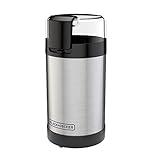
Best Overall for FlaxseedBlack+Decker
2
Best Value for Frequent UseKrups
3
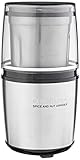
Best for Wet and Dry GrindingSecura
4
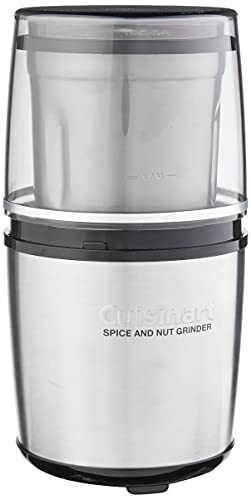
Best for Hard Spices and SeedsCuisinart
5
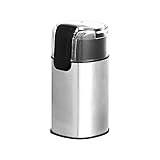
Best Budget StarterAmazon Basics
Detailed reviews
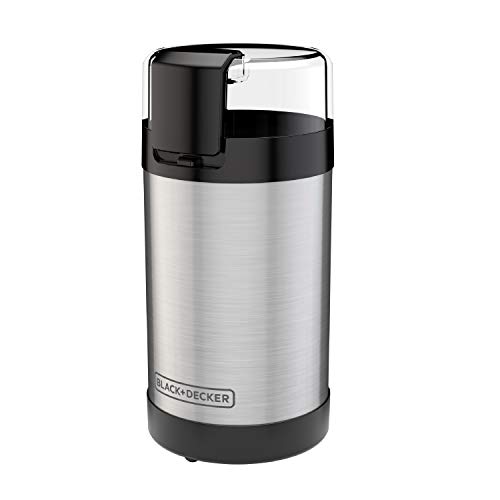
The Black+Decker One-Touch stands out for flaxseed work because it grinds small seeds to a fine powder quickly without the hassle of adjustable settings. Owners specifically mention using it for flax and chia seeds with excellent results, and the compact footprint means it doesn't dominate counter space. The stainless steel blades pulverize seeds uniformly, and you control fineness purely by how long you hold the button, which simplifies the learning curve for beginners. The main trade-off is capacity: you're limited to roughly a third cup at a time, so batch grinding is necessary if you're making large quantities. Compared to the Krups, the Black+Decker delivers almost identical performance at a lower price point, though some owners note it's noisier during operation. The lid-lock safety feature prevents accidental blade engagement, a practical detail that matters if you have kids or share your kitchen.
Pros
- Grinds flax and tiny seeds to fine powder in seconds
- Straightforward one-touch button, no grind-setting menus
- Compact size fits small kitchens and tight counters
- Removable bowl locks safely when lid is secured
Cons
- Small capacity requires multiple batches for bulk grinding
- Notably loud during operation, especially with hard seeds
Key features (4)
- Stainless steel blades and bowl for even grinding texture
- One-touch push-button control, no preset dial or settings
- Lid-locking safety interlock prevents accidental blade spin
- 150-watt motor processes small seeds and coffee beans uniformly
The Krups Precision Electric has earned a reputation for reliability that spans decades. Owners report machines still performing flawlessly after 10, 20, even 30 years of daily grinding, which speaks to build quality that justifies the modest cost. Multiple reviewers specifically praise it for flax and seed grinding, making it a smart choice if you plan to use this tool regularly. The 3-ounce capacity is slightly larger than the Black+Decker, accommodating more seeds per batch without dramatically increasing bulk. One owner notes using it to grind flax seeds to add to recipes and making nut toppings, which shows the versatility that keeps people using this model across many grinding tasks. The main limitation is consistency: because it's a blade grinder with no preset speeds, you'll need to develop a feel for timing to get uniform texture. Compared to the Secura's removable bowls, the Krups has a fixed chamber, meaning cleanup requires a bit more care and a dry brush. The motor runs at a higher pitch than some competitors, which some find concerning until they realize the noise level matches the grinding action, not motor distress. If you're deciding between this and a top flax seed grinder with more features, the Krups prioritizes simplicity and proven durability over convenience features.
Pros
- Proven 20+ year lifespan with minimal maintenance issues
- 3-ounce capacity handles more seeds than entry-level models
- 200-watt motor delivers consistent grinding in under 10 seconds
- Simple design means fewer parts to replace or troubleshoot
Cons
- Fixed grinding chamber requires brushing out, not dishwasher-safe
- No grind-setting presets; you control texture by button-hold duration
Key features (4)
- 200-watt motor with stainless steel blades for rapid grinding
- Fixed 3-ounce capacity hopper suits small to moderate batches
- One-button operation, no preset dials or speed settings
- Lid-activated safety lock prevents unintended blade activation
The Secura stands apart because it ships with two detachable stainless steel bowls and gives you the option to switch between a double-blade setup for dry grinding and a four-blade configuration for wet ingredients. If you grind flaxseed one day and then move to ginger-garlic paste the next, having separate bowls eliminates flavor cross-contamination and makes cleanup trivial: both bowls are dishwasher-safe, a convenience that neither the Black+Decker nor Krups match. The transparent double-lid design lets you monitor grinding progress in real time, which is helpful for getting flax to exactly the texture you want. Build quality concerns do emerge in owner feedback: a few reviewers flagged thin stainless steel and plastic gearing that feels less robust than older models, and one owner experienced motor fatigue after extended use. Where the Secura falls short against the Krups is longevity evidence; even owners seeking the top grinder for chemex brewing cite decade-spanning testimonials for the Krups that simply don't exist here. The higher price reflects the added convenience of removable bowls and dishwasher-safe parts, a worthwhile trade if you grind wet and dry ingredients regularly but less compelling if flax is your only grinding task.
Pros
- Two removable, dishwasher-safe stainless steel bowls for separate tasks
- Dual-blade and four-blade options for dry and wet grinding
- Transparent double-lid design shows grinding progress in real time
- 200-watt motor with overheat protection safeguards motor from damage
Cons
- Some owners report thinner materials and cheaper-feeling plastic components
- Bowl attachment requires careful alignment; occasional difficulty removing after use
Key features (4)
- Two stainless steel bowls with attached blades, dishwasher-safe
- 200-watt motor with integrated overheat protection system
- Transparent double-lid prevents splashing while monitoring texture
- Bowl-activated safety lock ensures blades only spin when bowl is secure
The Cuisinart Spice and Nut Grinder is purpose-built for seeds, nuts, and hard spices rather than coffee, which means the blade geometry prioritizes the kind of pulverizing action flaxseed grinding demands. Multiple owners confirm it grinds flax to a fine powder quickly and effortlessly, and reviewers who tried it after giving up on coffee grinders are vocal about the improvement. The 90-gram bowl holds a reasonable batch without requiring constant refilling, and the push-top lid design is intuitive: you press down to activate, release to stop. Cleanup stands out as a genuine advantage here: the lid and removable bowl go straight into the dishwasher, a feature that sets it apart from the Black+Decker and Krups. One notable concern: the motor can overheat if you try to grind wet pastes or oils, and the blade can jam on extremely hard spices like cinnamon sticks if you're not patient. Compared to the Secura, the Cuisinart is single-bowl and single-blade, so it's less versatile for wet grinding, but owners report fewer durability complaints and simpler operation. If you're grinding only dry seeds and spices, this is a more focused, reliable choice than the Secura's multi-configuration setup.
Pros
- Blade design optimized for seeds and spices, not just coffee beans
- 90-gram bowl capacity larger than budget coffee grinders
- Lid and bowl are dishwasher-safe for quick cleanup
- Push-top operation is simple and eliminates accidental grinding
Cons
- Single bowl and blade setup limits wet grinding or flavor separation
- Motor can overheat if overloaded or used on extremely hard spices
Key features (4)
- Specialty blade design optimized for seeds, nuts, and hard spices
- Heavy-duty 200-watt motor delivers fast, thorough grinding
- 90-gram bowl with removable lid for easy dishwasher cleaning
- Push-top operation with built-in safety interlock on lid
The Amazon Basics Fast Electric Coffee Grinder delivers solid basics, making it the smart choice if you're unsure whether you'll use a dedicated flaxseed grinder regularly. It grinds 30 grams of beans or seeds in 10 seconds, and owners confirm it works fine for flax and other small seeds despite its coffee-centric marketing. The clear safety lid lets you monitor progress, and the stainless steel interior doesn't retain odors: practical touches that show thoughtful design even at this price point. Capacity is the tightest here: you're limited to roughly a tablespoon of flax per grinding round, so it's best suited for individual smoothies rather than batch grinding for the week. A few owners report the motor failing after a year of regular use, which is a durability concern that neither the Black+Decker nor Krups demonstrate in their owner feedback. Compared to the other options in this lineup, the Amazon Basics lacks any way to adjust texture, meaning you're locked into one grind size. If you occasionally grind flax and are willing to replace the grinder in 1-2 years, this is the lowest barrier to entry; if you grind several times a month, spending slightly more on the Krups or Black+Decker will likely save money over time.
Pros
- Budget price point among all options reviewed here
- Grinds 30 grams of seeds to usable texture in 10 seconds
- Clear safety lid monitors progress; stainless interior stays odor-free
- Compact footprint takes minimal counter or storage space
Cons
- Very small capacity limits batch grinding; single-use portions only
- Some owners report motor failure after one year of regular use
Key features (4)
- Heavy-duty stainless steel blade grinds seeds uniformly
- 10-second grind time for 30 grams of beans or seeds
- Clear safety lid shows grinding progress in real time
- Compact design stores easily in drawers or small cabinets
How to Choose a Flaxseed Grinder
Capacity and Batch Size
Flaxseed loses nutritional potency within days of grinding, so most home cooks grind in small batches rather than bulk. Budget models hold 1–3 tablespoons, mid-range grinders manage 3 ounces, and specialty models top out around 90 grams. If you grind fresh flax for a single smoothie or baking session a few times weekly, a smaller capacity is actually an advantage: it encourages frequent grinding and minimizes the time your ground flax sits in the open air. If you're grinding for meal prep or household use, a 90-gram capacity reduces the number of rounds needed and makes the task faster overall.
Blade Design and Motor Power
Flaxseeds are small and hard enough that a weak motor or poorly designed blade can leave uneven texture or take excessive time to pulverize. Look for models with 150-watt motors or higher and stainless steel blades specifically mentioned in product descriptions. Coffee grinders work fine for flax, but specialty seed-and-spice grinders like the Cuisinart often have blade geometry optimized for harder whole seeds. When reading owner reviews, pay attention to how quickly the grinder achieves fine powder, grinding should take 10–15 seconds at most. Slower grinding or inconsistent texture suggests the blade or motor may not be ideally matched to seed work.
Removability and Cleanup
Flaxseed dust clings to grinding chambers and is tedious to hand-brush out. Models with removable, dishwasher-safe bowls (like the Secura and Cuisinart) make cleanup almost effortless and encourage you to grind more frequently without dread. Fixed chambers require dry brushing or a toothbrush after every use, which is manageable but less convenient. If you also grind spices, nuts, or fresh herbs, removable bowls become even more valuable because they prevent flavor cross-contamination: ginger residue from one session won't taint your flax powder in the next. When evaluating grinding flaxseed properly, the ability to clean thoroughly between uses directly impacts your final product's flavor and purity.
Durability and Long-Term Value
Blade grinders are simpler than burr models and generally last longer in home kitchens if the motor is well-rated. The Krups has owner testimonials spanning 20–30 years of daily use, while budget models like the Amazon Basics show failure rates after one year of regular grinding. Mid-range options like the Black+Decker and Cuisinart consistently deliver 3–5 years with normal care. If you plan to grind flax several times weekly indefinitely, investing in a grinder with proven longevity saves money over the lifecycle. If this is an experimental purchase or you grind sporadically, a budget model is a sensible trial before upgrading. When comparing options, blade versus burr grinders offer different trade-offs: burr mills are quieter but need more maintenance, while blades are rugged and simple but louder.
Noise Level and Kitchen Fit
Blade grinders are inherently louder than burr mills because the motor runs at high RPM. The Black+Decker and Amazon Basics users consistently note the noise is significant enough to wake sleeping household members, while the Krups and Cuisinart run at a slightly lower pitch that some find less jarring. If you grind early morning or in a noise-sensitive household, the trade-off between quick grinding (which requires higher RPM) and quietness is real. Most owners accept the noise as the cost of speed; grinding 30 grams of flax takes 10–15 seconds total, so the disruption is brief. But if you're sensitive to kitchen noise, read owner comments about decibel levels before committing.
Our picks at a glance
1
Best Overall for FlaxseedBlack+Decker
2
Best Value for Frequent UseKrups
3
Best for Wet and Dry GrindingSecura
4
Best for Hard Spices and SeedsCuisinart
5
Best Budget StarterAmazon Basics
Frequently asked
Can I use a regular coffee grinder for flaxseed?
Yes, blade-based coffee grinders work well for flaxseed and are the focus of this guide. The small seeds grind quickly and evenly in models like the Black+Decker or Krups. The main trade-off is capacity (coffee grinders hold less than specialty spice grinders) so you may need multiple rounds if you're grinding a large batch. Avoid burr grinders designed exclusively for coffee beans, as their burrs are spaced for larger particles and may not pulverize tiny seeds uniformly.
How long does ground flaxseed stay fresh?
Ground flaxseed oxidizes rapidly and loses nutritional potency within 3–7 days when stored in an airtight container at room temperature. Refrigeration extends shelf life to 2–3 weeks, and freezing can preserve it for up to 3 months. This is why grinding small batches just before use is ideal. A grinder with modest capacity actually encourages this habit, whereas larger capacity can tempt you to store ground flax longer than optimal.
Do I need a separate grinder for flax and spices?
Not necessarily. Most blade grinders handle both flax and spices well. The main consideration is flavor carry-over: if you grind cumin one day and flax the next without thorough cleaning, cumin residue may affect your flax powder. Models with removable bowls (Secura, Cuisinart) solve this by letting you swap bowls or dedicate one to each task. If you grind only flax and mild-flavored spices, hand-brushing between uses is usually sufficient.
What's the difference between blade grinders and burr grinders?
Blade grinders use fast-spinning metal blades to chop and pulverize seeds in seconds, producing variable texture based on grind time. Burr grinders crush seeds between two rotating surfaces (burrs) and offer preset consistency settings. Blade grinders are cheaper, faster, simpler, and ideal for flaxseed work. Burr grinders are quieter and produce more uniform texture but cost more and are harder to clean. For home flaxseed grinding, blade grinders are the practical standard.
Can these grinders handle wet ingredients like ginger or fresh herbs?
Most blade grinders struggle with wet ingredients because moisture can seep into the motor base and cause damage. The Secura is designed with dual bowls to handle both wet and dry grinding, making it the safest choice if you alternate between flax and fresh pastes. The Cuisinart's instruction manual warns against wet grinding. If you only grind flax and dry spices, this limitation doesn't apply, but if you also make fresh herb pastes or garlic powder, the Secura's flexibility justifies its higher price.