Kitchen & Dining · Gadgets
Best German Steel Knives for Home Cooking
Compare top German steel knives for everyday cooking. Expert-curated reviews of professional-grade chef knives, full forged construction, and value picks.
Affiliate disclosure: As an Amazon Associate I earn from qualifying purchases.
At a glance
1
Best Overall ValueHenckels
2
Best Complete SetKlaus Meyer
3
Best Premium Single KnifeLegend Cookware
4
Best Aesthetic ChoiceBerghoff
5
Best for BBQ and Heavy UseDalstrong
Detailed reviews
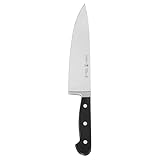
The Henckels Classic 8-inch stands out because it delivers the core strengths of German engineering without the premium price tag. It's fully forged from high-quality stainless steel, which means the blade and handle are formed as one piece rather than stamped separately, giving it superior durability and a seamless transition that resists warping over time. The balance is notably good: the triple-riveted handle sits just heavy enough to let gravity do half the cutting work, which matters when you're prepping vegetables five nights a week. Edge retention is solid; owners report it stays sharp for months with regular honing and hand-washing.
One drawback some owners notice is minor inconsistency in handle finish around the rivets: a few report feeling slight unevenness if you drag your finger across. That's partly a tolerance issue, and it doesn't affect cutting performance. If you compare this directly to chef knives under 50 options that lean on stamped construction, the forged build here is noticeably sturdier. The straight heel takes some getting used for rocking cuts, and the blade is only minimally flexible, which means it's better suited to firm vegetables than delicate slicing.
We'd recommend this knife to anyone learning or upgrading from a discount set. You'll feel the difference between this and a supermarket knife the moment you hold it, and the lifetime warranty means you're not taking much risk. Hand-wash and hone regularly, and it should serve you for years.
Pros
- Stays sharp for months with regular honing
- Full tang forged construction adds durability
- Excellent balance for both chopping and slicing
Cons
- Minor handle finish inconsistencies around rivets
- Straight heel less ideal for rocking cuts
Key features (4)
- Fully forged German stainless steel with seamless blade-to-handle transition
- Triple-riveted handle designed for comfort and control
- Precision-honed edge retains sharpness through regular use
- 8-inch blade length suits most kitchen tasks from vegetables to meat
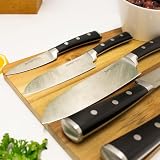
Klaus Meyer's German steel set trades the single-knife focus for breadth: you get an 8-inch chef, carving knife, bread knife, santoku variants, paring knife, steak knives, sharpening steel, and a sturdy wooden block. Everything is forged from X50CrMoV15 high-carbon stainless steel, the same material you find in standalone premium knives, and hardened to 54–56 HRC (Rockwell hardness), which means these blades hold an edge longer than softer stamped alternatives. The wooden block with engraved labels is a nice touch for organization and protecting the blades between uses.
Owners praise the balance and the initial sharpness out of the box: the knives cut vegetables and meat effortlessly when new. However, a couple of reviewers note that edge retention drops off faster than they'd expected, with some finding they need to sharpen after each use once the initial factory edge wears down. This is partly a trade-off of forged construction at this price point; the steel isn't as hard as pricier Japanese alternatives. Where the Klaus Meyer set shines compared to the Legend Cookware single chef knife is variety: you're buying a complete kitchen arsenal rather than relying on one workhorse blade.
We'd choose this if you cook frequently and like having the right knife for each task, or if you're gifting to someone outfitting a kitchen from scratch. Just plan to invest in a decent sharpening stone and accept that you'll hone these more often than premium single knives.
Pros
- Forged X50CrMoV15 steel across all pieces
- 19-piece set covers nearly every cutting task
- Organized wooden block with engraved knife labels
Cons
- Requires frequent sharpening once initial edge dulls
- Some handle inconsistencies reported at lower price point
Key features (4)
- Forged high-carbon stainless steel hardened to 54–56 HRC
- Oil-quenched process increases hardness and corrosion resistance
- Triple-rivet ABS handles provide ergonomic comfort and stability
- Complete set: chef, bread, carving, santoku, paring, steak knives, sharpening steel
Legend Cookware's 8-inch sits a step above entry-level options in both construction and feel. The blade is forged from X50CrMoV15 German steel and hardened to a higher spec than the Henckels, with a polished 16–18° edge angle that favors precision over aggressive rocking. The G10 handle (synthetic material used in professional kitchens and outdoor gear) is grippier than riveted ABS or resin, especially if your hands get wet, and it doesn't harbor bacteria or water the way wood can. The full-tang construction and tapered blade geometry reduce slicing resistance and keep your knuckles safe on the cutting board.
Owners report the knife arrives impressively sharp and maintains that edge through weeks of regular use. The weight (noticeably heavier than budget competitors) gives it momentum for effortless cuts, though some cooks coming from lighter knives may need a day or two to adjust. Compared to the Klaus Meyer set, this single knife is built to higher tolerances and will likely outlast the entire set in terms of edge retention, making it a better investment if you prefer one excellent blade over many adequate ones. The lifetime warranty and gift packaging add to the appeal.
We'd reach for this if you want a step-up German knife without jumping to premium European brands, and especially if you value durability over variety. Hand-wash and hone regularly, and it should be your primary knife for years.
Pros
- Premium G10 handle grips securely, even when wet
- Full-tang forged construction with tapered blade for control
- Maintains sharp edge through extended daily use
Cons
- Heavier than entry-level knives, may feel unwieldy initially
- Higher price point than single-knife alternatives
Key features (4)
- X50CrMoV15 German stainless steel with full-tang forged construction
- Hand-polished 16–18° edge angle for precision slicing and dicing
- Ergonomic black G10 handle with secure, non-slip grip
- Tapered blade geometry reduces cutting resistance and improves control
Berghoff Antigua emphasizes visual appeal alongside cutting performance. Each blade features an etched Damascus steel pattern (the real deal, not printed, as one owner confirmed) which makes these knives look like something worth displaying. The set includes an 8-inch chef, 7-inch santoku, carving knife, paring knife, and comes with a molded wooden case that protects both the blades and your hands. The triple-riveted satin-finish handles have an understated professional look.
The knives are sharp out of the box and hold an edge reasonably well, though with only nine reviews on record, the long-term durability picture is less clear than with higher-volume models. Owners describe the build as solid and the blades as easy to maintain, but one negative review questions whether the Damascus pattern is genuine: a legitimate concern in this price range. The case is a meaningful differentiator compared to the Dalstrong single knife, which ships with just a sheath; if your kitchen is visible to guests or you want to store knives safely, the presentation matters. The set is smaller and less comprehensive than Klaus Meyer (no steak knives or sharpening steel), so it's a middle-ground choice between aesthetics and versatility.
We'd recommend Berghoff if you cook occasionally, value kitchen display, and want knives that pull double duty as decor. Just verify the Damascus pattern in photos before buying, and plan on hand-washing to preserve the finish.
Pros
- Genuine etched Damascus pattern on each blade
- Protective wooden case with dedicated storage slots
- Professional satin finish and triple-riveted handles
Cons
- Limited long-term data due to fewer reviews
- Smaller set than Klaus Meyer with fewer utility knives
Key features (4)
- Stainless steel blades with distinctive etched Damascus pattern
- Triple-riveted ergonomic handles for firm, comfortable grip
- Five-piece set: chef, santoku, carving, paring knives plus case
- Satin finish resists tarnish and complements kitchen display
Dalstrong's Gladiator Elite is the workhorse if you smoke meats, break down whole chickens, or spend an hour straight prepping for a dinner party. It's noticeably heavier than most home knives (328 grams compared to around 230 for the Henckels) which converts to momentum. That weight means you're guiding the blade more than muscling it, making it safer paradoxically, because you're less likely to slip or apply erratic pressure. The full-tang forged German stainless steel is tempered for stain resistance, and the 16–18° edge angle per side is on the steeper end, favoring edge retention over raw sharpness.
Owners consistently praise the blade's durability (several report years of heavy use with minimal dulling) and Dalstrong's customer service gets high marks; one reviewer had a manufacturing flaw replaced quickly with no hassle. The G10 handle and triple-riveted hybrid bolster are comfortable during long sessions, and the tapered blade adds knuckle clearance. The sheath and NSF certification (meaning it meets commercial kitchen standards) round out the package. Compared to the Henckels, Dalstrong sacrifices some maneuverability for raw cutting power; compared to the Legend single knife, they're similar in construction but Dalstrong is heavier and marketed explicitly for heavy work.
We'd pick this if you cook for crowds regularly, work with tougher proteins, or simply prefer a knife that feels substantial and commanding. It's not ideal if you're petite or have wrist strain, though some owners with arthritis found the weight helpful. Hand-wash, hone regularly, and treat it well: it's built to last.
Pros
- Hefty full-tang construction provides cutting momentum
- Edge retention and durability exceed most home-knife standards
- Excellent customer service and NSF certification for professional use
Cons
- Weight may tire smaller hands or those with wrist issues
- Steeper edge angle prioritizes durability over initial sharpness
Key features (4)
- Full-tang forged high-carbon German stainless steel, 56+ HRC hardness
- Hand-polished 16–18° edge per side for edge retention
- Triple-riveted G10 handle with hybrid bolster for sustained control
- Tapered blade geometry reduces slicing resistance and improves safety
How to Choose a German Steel Kitchen Knife
Forged vs. Stamped: Why Construction Matters
German steel knives fall into two categories. Forged blades are heated and hammered into shape, creating a solid piece from tip to handle; stamped blades are cut from sheet steel and welded to a handle. Forged knives cost more upfront but offer better balance, durability, and longevity. Every knife in this lineup is forged, which is why they all perform well: stamped versions would dull faster and feel less stable. If you're shopping elsewhere and see a lower price, check whether it's stamped; that's usually why.
Edge Angle and Hardness: Understanding German Steel Knife Hardness Basics
German knives typically hone at 15–20° angles per side, which balances durability with sharpness. Hardness is measured in Rockwell units (HRC): higher numbers mean longer edge retention but require more frequent honing. German steel generally sits at 54–56 HRC, making it tougher and more forgiving than harder Japanese steel. If you want a knife that stays sharp without constant maintenance, German construction is the safer bet. Check the steel spec (X50CrMoV15 is standard) and hardness range on the product page to compare across brands.
Handle and Weight: Finding Your Comfort Zone
A knife's balance point (where the blade and handle meet) determines whether cutting feels effortless or taxing. Heavier knives like the Dalstrong suit sustained prep work and proteins; lighter knives like the Henckels are better for vegetables and delicate cuts. Handle material also matters: triple-riveted ABS or resin is traditional and affordable. G10 is grippier and more durable if your hands get wet. Consider your hand size and whether you cook for yourself or crowds; that determines whether you want a nimble or commanding knife.
Set vs. Single: Deciding on Variety
A single excellent chef's knife (8 inches) handles 80% of home cooking tasks. A set gives you specialized knives for bread, carving, paring: useful if you cook frequently or enjoy having the right tool for each job. Sets take up more counter or block space and require more maintenance, but they're often better value if you plan to use them. Single knives are lower commitment and typically higher quality per blade. Choose a set if you cook daily and love kitchen variety; choose a single knife if you prefer simplicity and plan to invest in one workhorse.
Maintenance and Sharpening: The Real Time Investment
German steel knives need regular honing (using a honing steel) to maintain edge alignment, not necessarily sharpening. Hand-wash and dry immediately: dishwashers dull blades and can cause rust, even on stainless steel. Every few months or when you notice the edge dulling, sharpening german steel knives on a whetstone or ceramic sharpener keeps them performing. This is less demanding than Japanese steel but more consistent than cheaper alternatives. If you're unwilling to hand-wash and occasionally sharpen, reconsider: a knife is only as good as your willingness to care for it.
Our picks at a glance
1
Best Overall ValueHenckels
2
Best Complete SetKlaus Meyer
3
Best Premium Single KnifeLegend Cookware
4
Best Aesthetic ChoiceBerghoff
5
Best for BBQ and Heavy UseDalstrong
Frequently asked
Can I put German steel knives in the dishwasher?
Technically most are dishwasher-safe, but we don't recommend it. High heat and abrasive detergent dull blades faster and can cause minor corrosion or rust spots on stainless steel over time. Hand-wash with warm soapy water and dry immediately: it takes 30 seconds and extends blade life by months. Once or twice in the dishwasher won't ruin a knife, but make it a habit and you'll notice accelerated dulling.
How often do I need to sharpen a German steel knife?
It depends on use, but most home cooks sharpen every 3–6 months. Before that, use a honing steel every few weeks to realign the edge. You'll know it's time to sharpen when the knife starts tearing or crushing herbs instead of slicing cleanly. A dull knife is actually more dangerous than a sharp one because you apply more pressure and are more likely to slip. Invest in a simple whetstone or ceramic sharpener, learning to sharpen takes practice but saves money and keeps your knife performing.
What's the difference between an 8-inch and a 10-inch chef knife?
An 8-inch blade suits most home cooks and most cutting boards, offering a sweet spot between control and reach. A 10-inch is better if you have large hands, work with bigger ingredients (like a whole roast), or prefer the extra blade length for rocking cuts. If you're unsure, start with 8 inches: it's the most versatile size. You can always add a larger knife later if you find yourself reaching for one regularly.
Why does a German knife cost more than a supermarket knife?
The difference comes down to steel quality, forging process, and quality control. German knives use higher-carbon stainless steel formulations that hold edges longer, and they're forged (heated and shaped) rather than stamped from sheet metal. Forging adds labor and material cost but yields better balance and durability. A $30 supermarket knife will dull within weeks and feel unstable in your hand; a $60–150 German knife will last years and make cooking feel safer and faster. Over time, the better knife pays for itself in reduced frustration and more enjoyable prep.
Is a knife set worth buying, or should I buy knives individually?
If you're starting from scratch and cook frequently, a well-made set is usually better value than buying knives individually. You get more pieces for less money per blade. If you're selective or already own some quality knives, buying a single excellent chef's knife is smarter: you'll use it far more than specialized knives like a carving knife. Consider your cooking frequency and kitchen space. Most home cooks can get by with a single 8-inch chef and one paring knife; everything else is a bonus.