Find the best food processor for peanut butter. Compare top models for smooth, creamy results. Expert reviews of power, capacity, and ease of cleaning.
Ideal for: Home cooks wanting a reliable all-purpose processor that excels at nut butter and other grinding tasks.
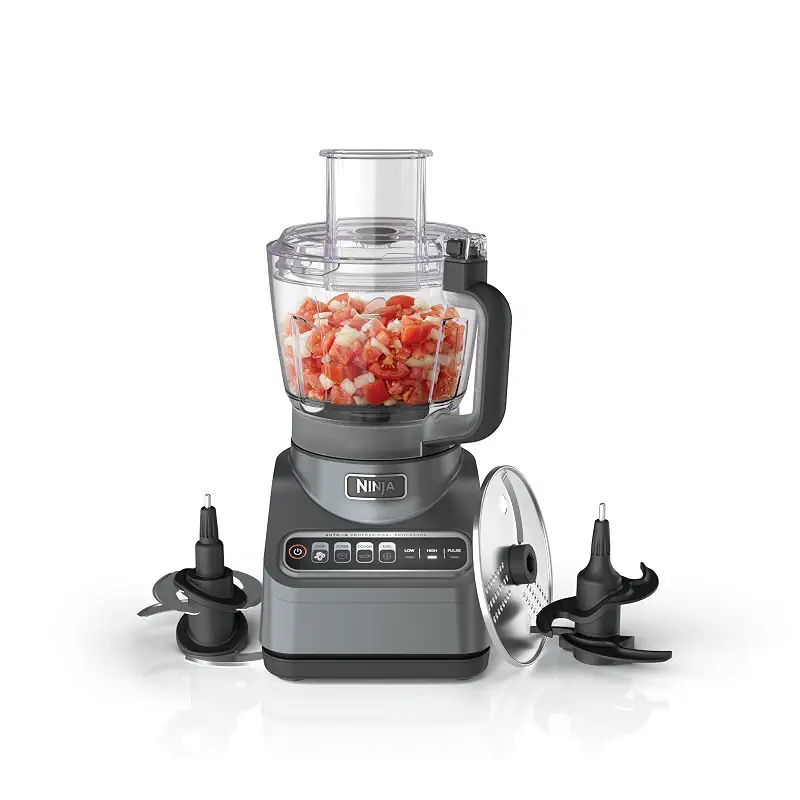
The Ninja Professional Plus stands out for peanut butter making because of its 1000-peak-watt motor: enough raw power to break down roasted peanuts into butter without the machine laboring or overheating. The Auto-iQ presets take guesswork out of the process; you can rely on the pulse function to stop at the right moment. The 9-cup capacity lets you make larger batches in one go, which is practical if you're grinding nuts regularly.
One detail that matters for nut butter: the bowl design. Unlike older food processors with a center shaft hole, this model has a sealed bottom, so oils from grinding peanuts won't leak out during processing. The precision blades handle the transition from chunky to smooth without binding. Owners report it handles frozen strawberries effortlessly, which speaks to how the motor performs under sustained load.
Compared to the Cuisinart 14-cup, this processor is more compact and easier to handle for smaller kitchens, though you trade some bowl size for that convenience. The main caveat is noise: it's a powerful machine and announces itself, which matters if you prefer quiet mornings.
Pros
1000-watt motor handles nut grinding without strain
Sealed bowl design prevents oil leakage during grinding
Ideal for: Cooks who prioritize large-batch capacity and quiet operation over specialized nut-grinding speed.
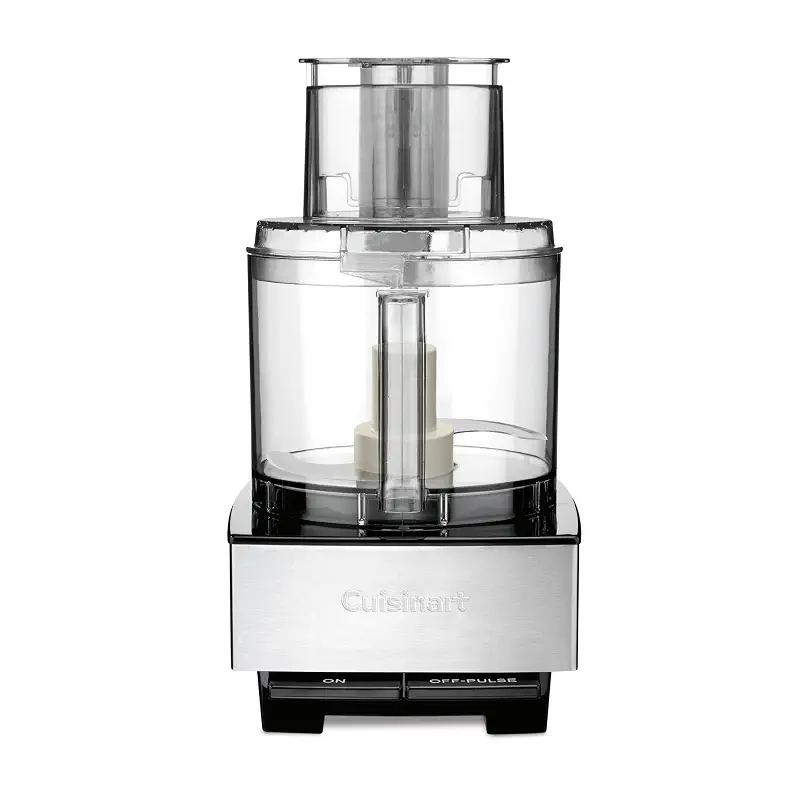
The Cuisinart 14-cup processor is the workhorse of this lineup. Its larger bowl means you can make two or three jars of peanut butter in a single batch, and the motor is robust enough to handle sustained grinding. Owners praise its quiet operation and the heavy-duty feel of the base, which stays planted on the counter without wandering.
For peanut butter specifically, the 720-watt motor is competent but not aggressive: it will get the job done, but grinding takes longer than with the Ninja's 1000-watt engine. One owner noted they prefer a blender for nut butters because it achieves creaminess faster, which hints at this processor's strength being vegetable prep rather than nut grinding. The design is also older-school: the bowl does have a center shaft, which means you need to be careful about overflow if grinding large quantities of nuts.
The trade-off between this and the Ninja Professional Plus is straightforward: choose the Cuisinart if batch size and quiet operation matter more than raw grinding speed. Where the Cuisinart truly shines is in shredding, slicing, and vegetable-heavy meal prep, though that's not your focus here.
Pros
14-cup bowl accommodates two to three batches of peanut butter
Very quiet 720-watt motor compared to other models
Stainless-steel construction feels durable and professional
Excellent shredding and slicing performance for vegetables
Cons
Center-shaft bowl design risks overflow during heavy nut grinding
Smaller motor takes longer to achieve smooth peanut butter texture
Key features
14-cup stainless-steel bowl with classic design
720-watt motor with quiet, steady performance
Stainless-steel chopping blade, slicing, and shredding discs
Extra-large feed tube for whole vegetables and fruits
Ideal for: Busy households wanting a single powerful system for smoothies, blending, and food processing in one footprint.
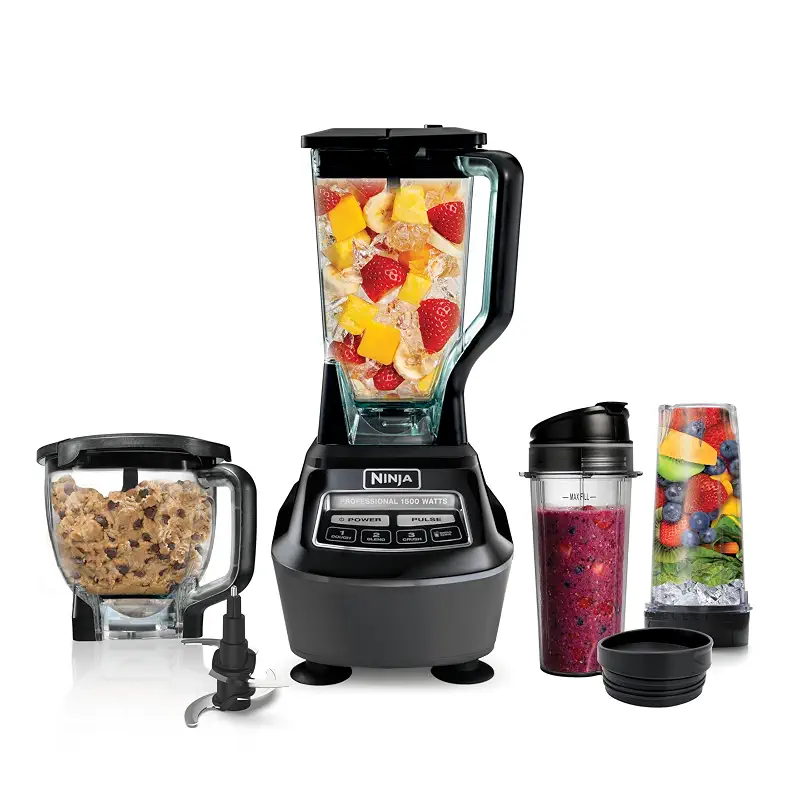
The Ninja Mega Kitchen System is essentially two machines in one: a high-powered blender with a 72-ounce pitcher and an 8-cup food processor bowl. The 1500-watt motor is the most powerful on this list, and owners consistently report it crushes ice to snow and blends frozen ingredients effortlessly. The two 16-ounce single-serve cups add flexibility for daily smoothies.
For peanut butter, the food processor attachment will absolutely work, but you're paying for blender capability you may not use if nut butter is your primary interest. The processor bowl is smaller than the Ninja Professional Plus (8-cup versus 9-cup), so you'll make less per batch. The real appeal here is if you want one system to handle smoothies, soups, sauces, and nut butters all at once. Owners rave about the power and versatility, though noise is a consistent theme: this machine is loud.
Compared to the Cuisinart 7-Cup or the Ganiza, the Mega Kitchen System trades focused food-processing performance for blender dominance. If your kitchen routine centers on smoothies and meal prep, it's worth considering; if you mainly want efficient peanut butter, the smaller Ninja Professional Plus delivers better value.
Pros
1500-watt motor is most powerful for fast nut-to-butter conversion
Dual system eliminates need for separate blender and processor
Two single-serve cups included for quick daily smoothies
Excellent for frozen fruit and ice crushing
Cons
Very loud operation; may disturb household during morning use
Smaller processor bowl than alternatives limits peanut butter batch size
Key features
1500-watt motor base powering blender and processor
72-ounce blender pitcher with Total Crushing Blades
8-cup food processor bowl with chopping and dough blades
Two 16-ounce Nutri Ninja cups with to-go lids included
#4 Pick
Best Compact Option
Cuisinart
Cuisinart 7-Cup Pro Classic Food Processor, 600-Watt Motor, Vegetable Chopper & Blender for Mincing, Dicing, Shredding, Puree & Kneading Dough, DLC-10SYP1, White | 600W motor, minces, dices, shreds, purees and kneads dough
4.5(3,967)
Smaller 7-cup processor with solid 600-watt motor, quieter than larger models, and ideal for singles or couples making occasional nut butter.
Ideal for: Individuals or small households wanting a compact, quiet processor for general prep and occasional nut butter.
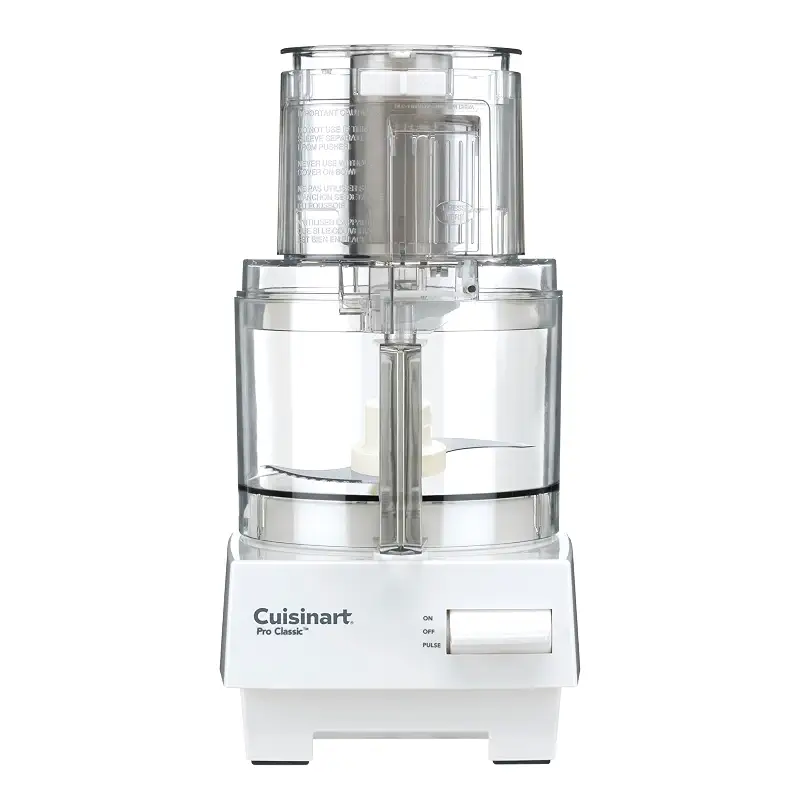
The Cuisinart Pro Classic 7-Cup is the entry point for Cuisinart's flagship line, offering vintage design cues and real build quality in a smaller footprint. At 600 watts, the motor is less aggressive than the Ninja or 14-cup Cuisinart, but it's adequate for grinding peanuts into butter if you're patient with pulsing. The 7-cup capacity works well for one or two jars at a time.
Owners appreciate the quiet operation and the heavy, sturdy base that doesn't shift during use. The stainless-steel blades are sharp, and the motor runs without strain during dough kneading or vegetable chopping. However, one review noted that nut butters aren't this processor's strongest suit: the blender in the same kitchen outpaced it for creaminess and speed. This hints that the 600-watt motor, while fine, isn't optimized for the friction and heat nut grinding demands.
If you're comparing this to the Ganiza, the Cuisinart feels more premium and has a longer warranty (3-year limited, 5-year motor), whereas the Ganiza focuses on value and dual bowls. For peanut butter work specifically, the Ninja Professional Plus at 1000 watts will finish the job noticeably faster, but the Pro Classic is quieter and takes up less counter space.
Pros
Compact 7-cup size fits tight kitchens and stores easily
Very quiet 600-watt motor compared to larger systems
Sturdy stainless-steel design feels premium and long-lasting
Heavy base stays firmly in place during grinding
Cons
600-watt motor requires patience for smooth peanut butter texture
7-cup capacity with stainless-steel chopping blade
Medium slicing and shredding discs included for vegetable prep
Extra-large feed tube accepts whole fruits and vegetables
#5 Pick
Best Budget Option
Ganiza
Ganiza Food Processors with 2 Bowls, 450W Meat Grinder Vegetable Chopper | 2-Speed Electric Food Chopper with 8 Cup Glass & 8 Cup Stainless Steel Bowls -Includes 2 Sets of Blades for Fruits/Meat/Nuts
4.4(7,494)
Dual-bowl 450-watt processor at entry-level value; includes glass and stainless-steel bowls for separate uses, though motor power is modest for sustained nut grinding.
Ideal for: Budget-conscious cooks wanting a functional processor for general prep and occasional nut butter with dual-bowl convenience.
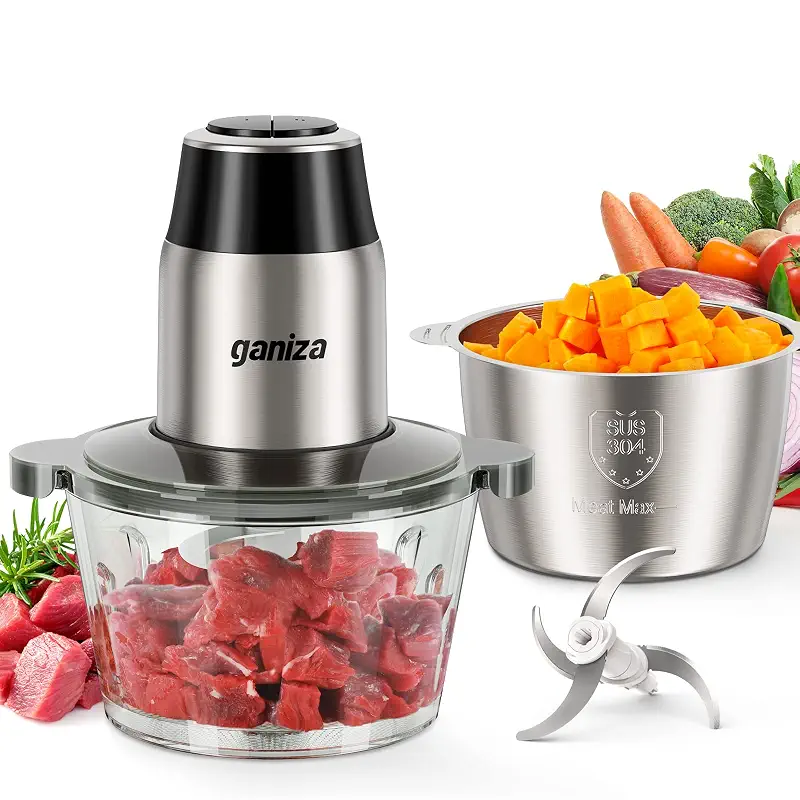
The Ganiza Food Processor stands out for sheer accessories and value. It includes two bowls (glass and stainless steel) and two sets of blades, which means you can keep a meat-grinding setup separate from vegetable prep without washing in between. The 450-watt motor is the lowest on this list, but owners report excellent results grinding meat, which speaks to blade sharpness and design rather than raw watts alone.
For peanut butter, the Ganiza will work, but it requires discipline: pulsing in short 10-15 second bursts rather than letting it run. The motor has overheating protection, which kicks in if you push too hard, so you can't force the job. This is actually a safety feature, not a limitation, since overheating damages motor lifespan. One reviewer who ground a pound of pork in 10 seconds shows the blades are aggressive, but nut butter demands patience with this model.
Compared to the Cuisinart 7-Cup, you lose the premium feel and warranty depth; compared to the Ninja Professional Plus, you sacrifice power and speed. But if your budget is tight and you want a functional processor that can tackle nut grinding occasionally, the Ganiza's dual-bowl setup and sharp blades make it competitive. The non-slip mat and protective blade cases add real utility. If you also work with seeds, note that a top grinder for flaxseed operates on similar grinding principles, so dual-purpose machines appeal to cooks juggling multiple grinding tasks.
Pros
Includes glass and stainless-steel bowls plus two blade sets
Sharp, spring-loaded blades stop immediately when motor disengages
450-watt motor adequate for periodic peanut butter work
Overheating protection ensures safe, sustained use
Cons
Low motor power requires careful pulsing to avoid overheating
Sustained nut grinding slower than 600-watt or higher competitors
Key features
450-watt copper motor with 2-speed control for texture options
Dual 8-cup bowls in glass and stainless steel with separate blade sets
Spring-loaded blades with automatic stopping for safety
Protective cases for blade storage and kitchen safety
How to Choose a Food Processor for Peanut Butter
Four trade-offs that actually matter when matching a food processor for peanut butter to your kitchen.
Motor Power Matters for Nut Grinding
Peanut butter demands sustained motor torque. A 1000-watt motor will grind roasted peanuts to smooth butter in 5-10 minutes; a 450-watt motor may take 20-30 minutes and risk overheating. Watts alone don't tell the whole story (blade design and bowl shape matter too) but as a practical rule, anything under 600 watts requires patience and careful pulsing. For daily or frequent nut butter use, prioritize models with 800 watts or higher.
Bowl Design and Capacity
Sealed bowls without a center shaft are ideal for nut grinding because oils won't leak during processing. A 9-cup capacity lets you make two or three jars per batch; smaller bowls mean more frequent refilling. Consider your household size: a single person benefits from a 7-cup processor, while families making nut butter weekly should aim for 9-14 cups. Thicker, heavier bowls resist cracking under the sustained stress of nut grinding better than thin plastic.
Choosing Processor Size and Power
Start by clarifying your primary use. If peanut butter is your main goal, a dedicated food processor with 800+ watts works best. If you want making peanut butter at home alongside smoothies, soups, and general prep, a larger all-in-one system like the Ninja Mega Kitchen offers flexibility. Smaller kitchens may benefit from compact 7-cup processors that double as storage-friendly countertop fixtures.
Noise and Warranty Considerations
High-power motors are louder; expect sustained noise during grinding. If quiet operation is important, expect to sacrifice speed or pay more for premium models with sound dampening. Warranty depth also varies: Cuisinart offers 3-year limited and 5-year motor coverage, while budget models may offer less. A longer warranty reflects manufacturer confidence in durability, especially important for a machine you'll stress regularly with nut grinding.
Frequently asked
Quick answers to the questions readers ask most.
Can I use a blender instead of a food processor to make peanut butter?
A high-powered blender like a Vitamix can make peanut butter quickly, but food processors are better suited for the task. Blenders heat up faster and their tall, narrow design can cause oils to pool unevenly. Food processors have wider bowls and are designed for sustained grinding without overheating. For regular peanut butter making, a processor is the smarter choice.
How long does it take to make peanut butter in a food processor?
With a 1000-watt processor, expect 5-10 minutes of pulsing. With a 600-800 watt model, plan for 15-20 minutes. Low-power machines (450 watts) can take 30+ minutes and risk overheating. The key is pulsing in 20-30 second bursts rather than running continuously, which prevents overheating and gives you control over texture.
Do I need to roast the peanuts before processing?
Roasted peanuts release oils faster and require less processing time, so they're ideal for food processors. Raw peanuts take longer to break down and stress the motor more. If using raw peanuts, toast them first at 350°F for 10 minutes to jump-start oil release and reduce processor strain.
Will making peanut butter overheat my food processor?
Most quality food processors can handle it if you pulse in short intervals and avoid running continuously. Models with overheating protection (like the Ganiza) automatically shut off if temperature climbs too high: a safety feature, not a flaw. Avoid filling the bowl past the max line; give the motor breaks between pulsing sessions.
What's the difference between chopping and pureeing for peanut butter texture?
Chopping uses short pulses to break peanuts into small pieces; pureeing runs longer to break down cell structure and release oils for a creamy consistency. For peanut butter, you start with chopping (10-15 seconds), then switch to longer pulses or continuous pureeing (20-30 second intervals) as oils emerge and the mixture smooths out. Most processors let you control this by how long you hold the pulse button.