Best Filter for Moccamaster: Paper & Reusable Options
Find the best filter for Moccamaster. Compare official Technivorm paper filters, budget alternatives, and reusable stainless steel options for cleaner, better-tasting coffee.
Ideal for: Daily Moccamaster brewers who prioritize taste purity and don't mind regular reorders.
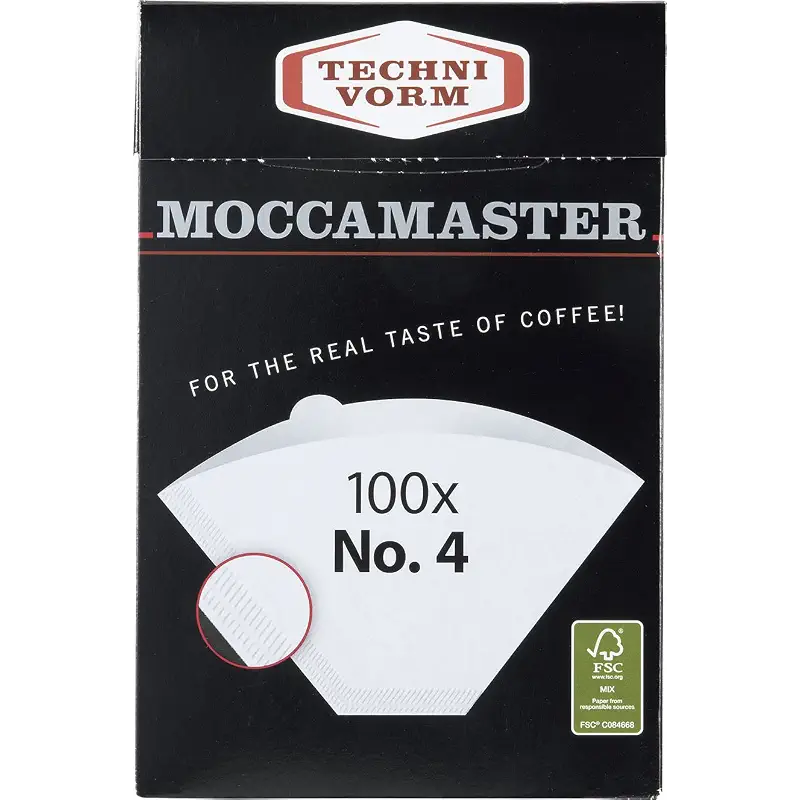
These are the filter Technivorm engineered its machine around. Owners consistently praise the paper quality: it's thin enough to allow water through at the right pace without adding papery flavor, yet sturdy enough not to tear during rinsing or under pressure. The oxygen-based whitening (no bleach, no chemical bonding) is a genuine difference you can taste; buyers who switched back from cheaper alternatives report the coffee tastes noticeably cleaner and lets the bean's character shine.
Where this shines is in consistency. You're not guessing whether a generic #4 will behave the same way next time; these filters are made to identical specs in the Netherlands every time. Owners on subscription frequently note the reliability: they brew the same way week after week. One common buyer tip: pre-wet the filter before adding grounds to flush out any paper particles and awaken the filter's full porosity.
The trade-off is volume. A single box runs out if you brew daily. If you're a casual brewer or don't mind reordering often, this is the path. Heavy daily users often buy in bulk or switch to the multi-pack version to reduce ordering friction.
Ideal for: Heavy daily brewers who want official Technivorm filters without reordering every few weeks.
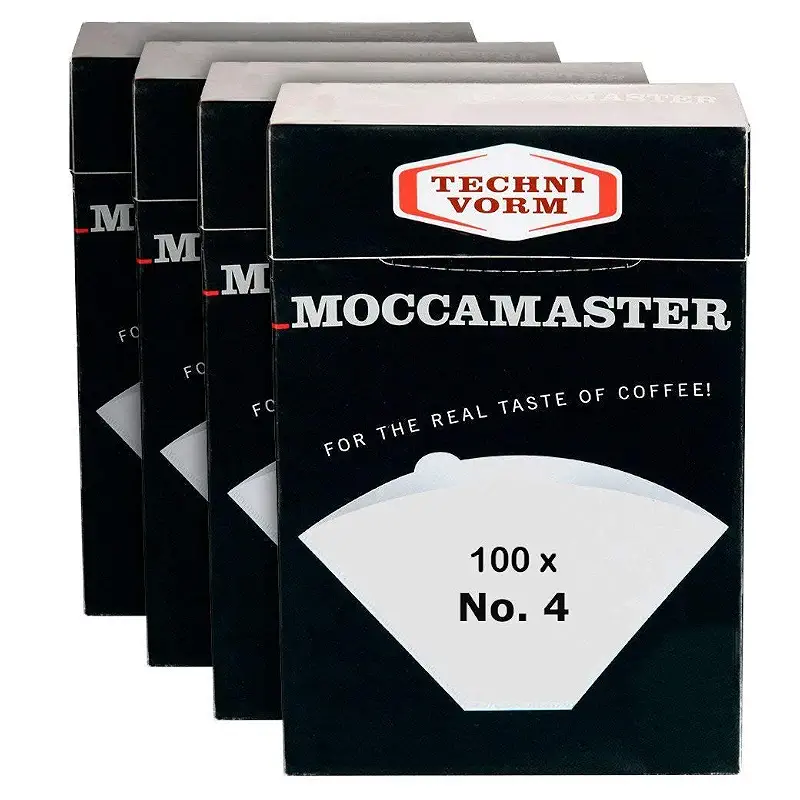
This is the same premium Technivorm #4 filter as the single-box option, just packaged four boxes at once (400 filters total). For anyone brewing three or more cups a day, a single box empties within two weeks; this bulk pack keeps you stocked for months. Owners who use subscribe-and-save appreciate the convenience: set it once and filters arrive on schedule, eliminating the "oh no, I'm out again" moment.
The quality is identical to the single-box version, so all the same flavor and fit advantages apply. The real value here is friction reduction. A few buyers reported partial shipments (only 2 or 3 boxes arriving instead of 4), which is an inventory issue rather than a product flaw, but it's worth noting if you're ordering in bulk. Compared to the reusable stainless steel option, this trades the long-term sustainability angle for simplicity: no rinsing, no sediment concerns, just consistent brewing every morning.
This makes the most sense if you're already convinced on Technivorm's official filters and want to lock in convenience rather than chase single boxes around.
Pros
400 filters per bundle eliminates frequent reorders
Ideal for: Environmentally conscious daily brewers who prefer body-forward coffee and want to eliminate disposable filters.
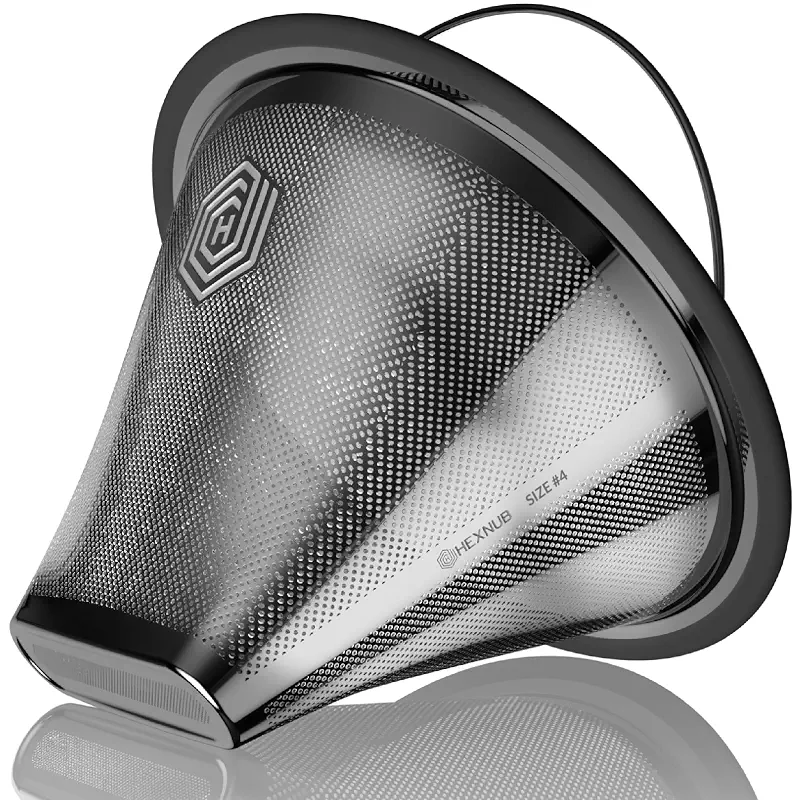
The HEXNUB reusable #4 filter flips the equation entirely: instead of buying new filters constantly, you get one piece of equipment that lasts years. It's made from food-grade 304 stainless steel with a 50-micron mesh: fine enough to catch most sediment yet open enough to let coffee oils through that paper filters trap. This is the real difference owners notice immediately: the cup tastes fuller, richer, with more body than white paper filters deliver. If you've only ever used paper, the first brew with a metal filter can feel surprising: some coffee sediment is normal and many prefer it.
Cleanup is straightforward: tap grounds into compost or trash, rinse under hot water, done. It's dishwasher-safe if you want to deep-clean occasionally. The fit in the Moccamaster basket is precise and stable. Where this diverges from Technivorm's official white filters is the flavor profile: you're trading the paper's bright, clean extraction for a heavier, oil-forward cup. Owners who used cheap paper filters beforehand usually love the upgrade; those already committed to Technivorm's official filters sometimes find the sediment and body a step backward depending on their taste preference.
The upfront cost is higher than buying a year's worth of paper, but break-even happens around month six to eight of daily brewing. If you value sustainability and prefer fuller coffee, this pays for itself quickly.
Pros
Reusable for years, dramatically cuts paper waste over time
Allows coffee oils through for richer, fuller body
Dishwasher-safe and requires only a quick rinse between brews
Cons
Slightly more sediment than paper filters (intentional, but not for all palates)
Higher upfront cost than single-box paper filters
Key features
Premium 304 stainless steel mesh construction
50-micron fine mesh balances filtration with oil flow
Perfect fit for Moccamaster KBGV, KBT, and 18 compatible models
Eco-friendly alternative eliminates ongoing disposable filter purchases
#4 Pick
Best Budget Alternative
brikinte
100 Pcs Coffee Filters #4 for Technivorm Moccamaster Coffee Maker 8-10 Cup | Cone Coffee Filters for Moccamaster KBT KBGV KB, Chlorine-Free Unbleached Coffee Filters, Fine Coffee Ground Filtration
4.9(97)
Affordable unbleached #4 filters work reliably with Moccamaster if you accept occasional fine sediment.
Ideal for: Budget-conscious brewers who brew several cups weekly and can tolerate minor sediment trade-offs.
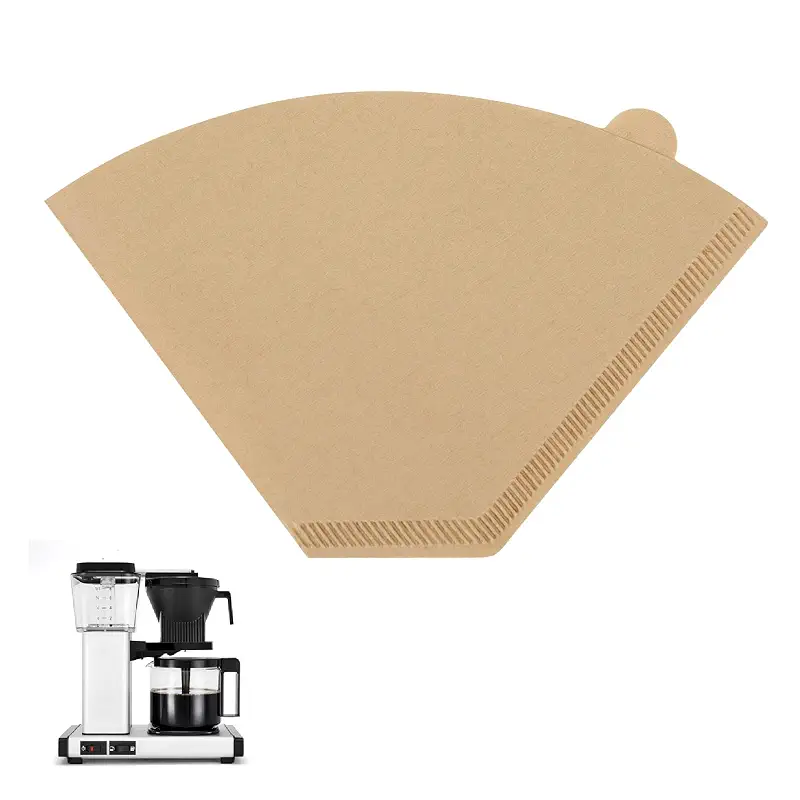
The brikinte filters undercut official Technivorm pricing significantly while maintaining basic functionality. They're unbleached (chlorine-free), made from biodegradable natural paper, and owners report they fit the Moccamaster basket and brew without major issues. For cost-conscious buyers or those making multiple cups daily, the savings add up fast over a year.
The catch: a few owners report occasional fine sediment in the cup or grounds slipping through if the filter isn't folded perfectly before use. This suggests the mesh porosity is slightly less consistent than Technivorm's engineered tolerance. One buyer noted that sometimes grounds escape, making it essential to inspect your fold before brewing. The paper itself is less refined than Technivorm's: slightly thicker and less finely finished. If you're comparing this to the reusable stainless steel filter, the trade-off is clear: brikinte offers cheaper entry-level disposable convenience, while the mesh filter offers long-term sustainability and intentional oil retention.
This is the right pick if your priority is saving money per cup and you're willing to accept that some brews may require a small rinsing step or slight sediment variance. It's not the official match Technivorm tuned for, but it gets the job done for casual brewers.
Pros
Lowest per-filter cost among all options
Unbleached and 100% biodegradable natural paper
Fits Moccamaster basket and works for most brews
Cons
Occasional sediment escape if filter fold isn't perfect
Less consistent porosity than official Technivorm filters
Key features
100 unbleached #4 cone filters per box
Compatible with Moccamaster KBGV, KBT, KB series models
100% biodegradable natural paper construction
Small ears on filter design aid faster, easier opening
#5 Pick
Best in Small Quantities
Technivorm Moccamaster
Technivorm Moccamaster 85022 Moccamaster #4 Paper Filters, White (2)... (Original Version)
4.8(1,061)
Two-pack of official Technivorm filters ideal for testing before committing to bulk or supply gaps.
Ideal for: Light to moderate Moccamaster brewers seeking the official filter in smaller quantities or testing bundle.
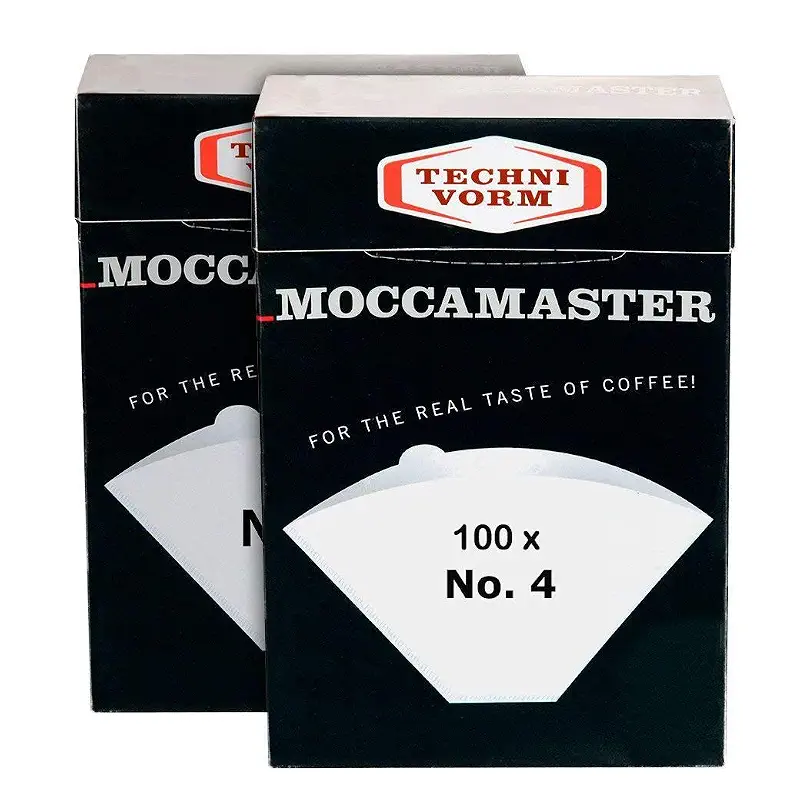
This is the official Technivorm #4 filter in the smallest available quantity: two boxes (200 filters). It's positioned for buyers who want to verify they're using the right size before buying larger quantities, or for light brewers who use a cup or two a few times a week. The quality is identical to the single and four-box bundles: oxygen-based whitening, no bleach, no chemical bonding, perfect Moccamaster engineering fit.
Owners describe these as reliable workhorses: sturdy paper that doesn't tear during rinsing, no papery taste, and consistent brew-to-brew performance. The white versus unbleached question comes up often: these white filters (bleached with oxygen, not chlorine) are Technivorm's recommendation, and buyers who've tried both the white official and unbleached alternatives report the white version allows subtler coffee notes to emerge. One common tip appears in reviews: pre-wetting the filter before adding grounds improves clarity further.
Compared to the brikinte budget option, this trades price certainty for quality assurance. If your kitchen already has a best white coffee maker elsewhere and you're looking to match that quality standard, these official Technivorm filters deliver the same engineering precision. Compared to the reusable HEXNUB filter, you're choosing convenience and taste purity over environmental impact and long-term cost. If you already own a Moccamaster and simply need a small, reliable resupply, this fits the bill without waste.
Pros
Official Technivorm quality in smallest available package
Oxygen-whitened paper delivers clean, pure coffee flavor
Perfect fit and flow rate tuned to Moccamaster engineering
Cons
Only 200 filters per pack; light users only
Still requires regular reordering if usage increases
Key features
Two boxes of Technivorm #4 white paper filters
Bonded without chemicals or glues for taste purity
Natural oxygen-based whitening, no bleach
Made in Netherlands; precisely engineered for Moccamaster compatibility
How to Choose the Right Moccamaster Filter
Four trade-offs that actually matter when matching a filter for moccamaster to your kitchen.
Paper vs. Reusable: Flavor and Sustainability Trade-offs
This is the biggest choice you'll make. Paper versus reusable moccamaster filters serve different priorities. Official Technivorm white paper filters deliver bright, clean extraction: they trap oils and fine sediment, letting you taste the subtlety of lighter roasts. A reusable stainless steel mesh does the opposite: it allows oils through, producing a heavier, fuller cup. Neither is wrong; it depends on your palate and values. If you love light, clean coffee and don't mind buying filters regularly, paper wins. If you prefer body, drink three or more cups daily, and care about waste reduction, reusable pays for itself in six months and stewards the environment for years after.
Official Technivorm vs. Third-Party Filters
The Moccamaster's water temperature and spray pattern were engineered around Technivorm's filter specifications. Official white filters are consistently porosity-matched to that design, meaning brew time, saturation, and extraction stay the same every time. Budget third-party filters cost less but vary slightly in thickness and mesh consistency; you may find occasional sediment or uneven flow. Most brewers won't notice, but if you're comparing to official filters side-by-side, the Technivorm paper delivers more predictable clarity. Buy the official product if precision matters; go third-party if budget is tight and occasional sediment doesn't bother you.
Pack Size and Brewing Frequency
A single box lasts roughly two weeks for a three-cup-per-day household. If you brew daily, choose bulk (four-box packs) or reusable to avoid constant reordering. Light brewers (a few cups weekly) can stick with single boxes or small two-packs. The real math: daily brewers buying single boxes spend more on ordering and shipping than those who commit to bulk upfront. Reusable filters flip this entirely: zero ongoing purchases after year one.
The Pre-wetting Ritual
Many owners mention a simple step that lifts the whole experience: before adding coffee, place a dry filter in the basket, run a cycle with four cups of water through the brewer, then empty the pot. This moccamaster filter replacement steps ritual pre-wets and rinses any loose paper fibers, flushes old water from the machine's reservoir, and readies the filter's full porosity. It takes three minutes and noticeably improves clarity. This habit works with any paper filter (official or third-party) but is especially important if you notice papery taste or want to dial in maximum flavor.
Frequently asked
Quick answers to the questions readers ask most.
Will a #4 filter from another brand work in my Moccamaster?
Many generic #4 cone filters physically fit the basket, but they may not match Technivorm's engineered porosity and flow rate. You'll still brew coffee, but saturation and extraction timing may shift slightly. If a generic filter works acceptably to you, great. But if you notice bitter notes, weak body, or uneven extraction, switching to official Technivorm filters often solves it because they're tuned to the machine's exact spray pattern and temperature curve.
Are unbleached filters better than white filters?
Not necessarily. Technivorm's white filters are bleached using oxygen, not chlorine, and owners report they deliver cleaner coffee with more subtle flavor notes than unbleached alternatives. Unbleached filters work fine and are slightly cheaper, but some coffee drinkers perceive a faint papery or cardboard note. Try both if you're unsure; personal taste varies. For the Moccamaster specifically, the official white filters are the manufacturer's recommendation.
Is a reusable stainless steel filter worth the upfront cost?
If you brew three or more cups daily, yes. A reusable filter pays for itself in six to eight months versus buying paper, and lasts three to five years with minimal maintenance. You also get a richer, more body-forward cup because oils pass through. If you brew once or twice a week, the payback period extends too long: stick with paper. If you value sustainability and prefer fuller coffee, the upfront cost is an investment, not an expense.
Why do some filters let sediment through?
Mesh porosity varies. Official Technivorm white paper filters are finely engineered to trap nearly all fine sediment while maintaining optimal flow. Budget third-party papers and intentional metal filters allow more sediment: some by accident (inconsistent porosity), others by design (metal mesh naturally allows oils and fine particles). Check your filter fold before brewing, and if sediment persists, switch to a higher-quality paper or accept it as part of reusable filter brewing.
How often should I replace a reusable stainless steel filter?
With normal use and proper cleaning, a food-grade 304 stainless steel filter lasts three to five years or longer. Avoid bleach and abrasive scrubbers; a quick rinse or gentle dishwasher cycle is all it needs. If the mesh ever visibly deforms, clogs permanently, or stops flowing normally, it's time to replace. Most owners report years of daily use without degradation.