Ideal for: Home bakers replacing worn hooks, budget-conscious cooks, regular but not heavy users.
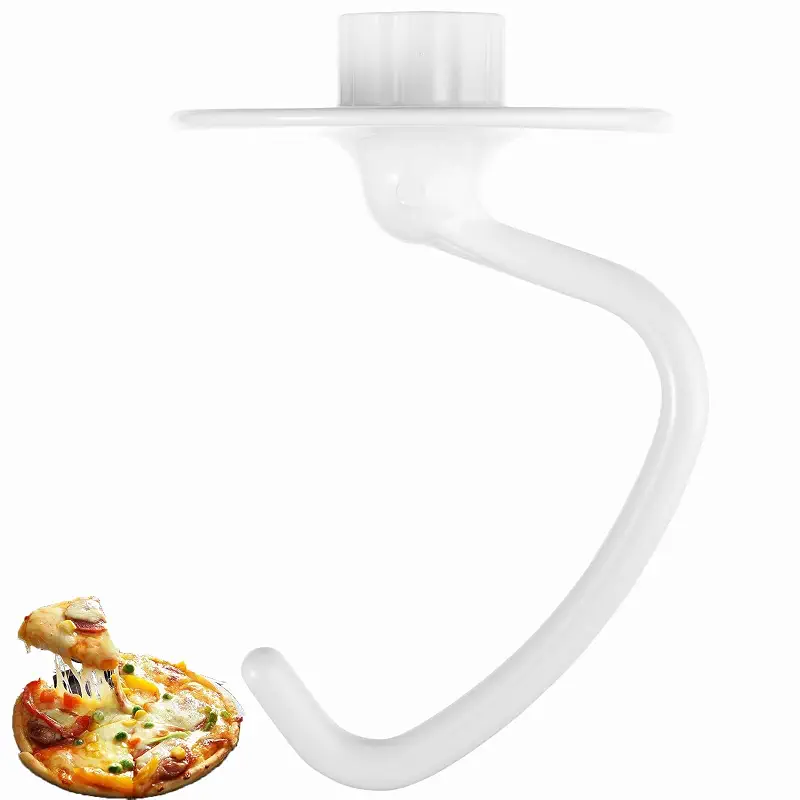
The Abter coated dough hook targets home bakers who want a familiar C-shaped design without spending much. With over 500 reviews and a 4.7-star average, it's clearly struck a chord with budget-conscious users. The nylon coating over aluminum avoids rust, and owners consistently report that it survives dishwasher cycles well: a key durability signal since coated hooks can sometimes chip or wear. This design stays true to the original KitchenAid profile, so the mixing action and bowl contact feel familiar if you're replacing an original hook that's worn out.
The real trade-off here is weight and material density. Reviewers note it's lighter than the original metal hook that came with their older mixers, which some see as a practical concern for heavy dough work. If you knead large batches of pizza or artisan bread regularly, the lighter construction might tire faster under sustained load. However, for typical home baking (single loaves, occasional pizza dough, cookie batches) the Abter performs without drama.
Compared to the QAP stainless steel spiral option, the Abter takes a traditional approach rather than chasing faster kneading times. Choose the Abter if you're replacing a lost or damaged original hook and prefer the familiar C-shape over experimenting with spiral designs, or if your budget is tight and the mixer sees light to moderate use.
Pros
Dishwasher-safe coating holds up through multiple cycles
Lightweight and familiar C-shaped design
Works reliably with standard KitchenAid models
Cost-effective entry point
Cons
Lighter than original hooks, less durable for heavy doughs
Nylon coating may eventually wear with years of use
Key features
Nylon-coated aluminum construction resists oxidation
C-shaped profile matches original hook geometry
Compatible with tilt-head models K45 through KSM180
Dishwasher safe for easy cleanup
#2 Pick
Best Spiral for Active Kneading Pressure
Mttobo
Stainless Steel Spiral Dough Hook for Kitchen Aid 4.5QT / 5QT Tilt-Head Mixers, Dishwasher Safe, Dough Hook Attachment - Efficient Kneading for Bread, Pizza, Pasta, Cookies
4.4(115)
Stainless steel spiral design that pushes dough downward for faster, more even gluten development than C-hooks.
Ideal for: Bakers seeking faster kneading, those tired of dough creep, pizza and bread makers with moderate batch sizes.
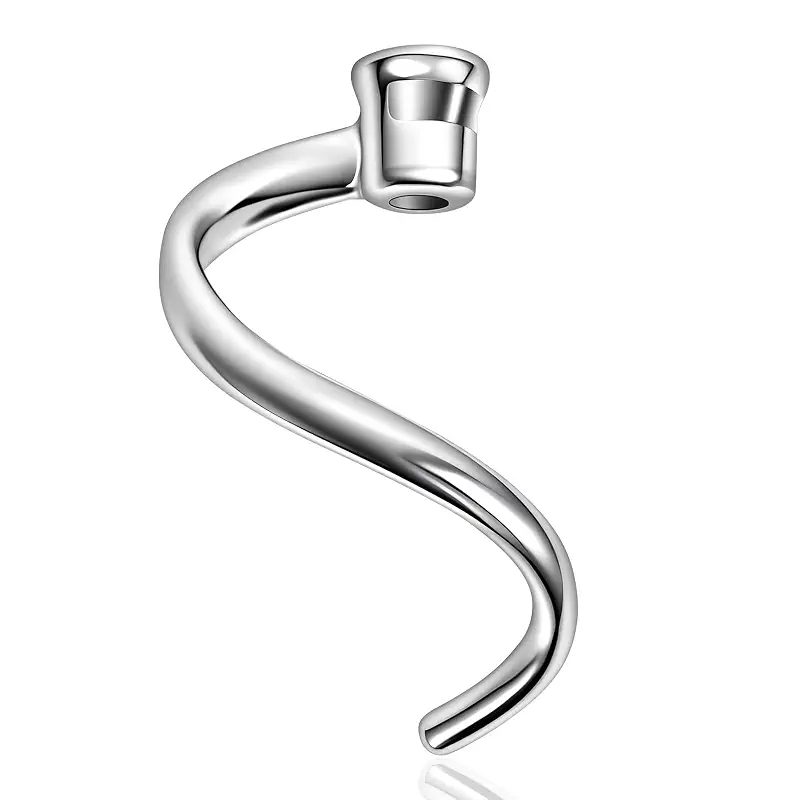
The Mttobo spiral dough hook represents a genuine departure from the original hook shape. Instead of the C-hook's rotate-and-lift motion, the spiral design actively forces dough downward as it turns, creating continuous pressure against the bowl bottom. This approach appeals to bakers who've grown frustrated with the original hook's tendency to let dough climb up the mechanism, a common complaint. The 100% stainless steel construction is noticeably heavier and more resistant to the chipping and peeling issues that plague coated hooks over time.
One critical limitation emerged in the reviews: the spiral's open design leaves the drive mechanism somewhat exposed. A handful of buyers reported dough creeping up and tangling in the power head, which can contaminate dough with grease. This is a genuine design trade-off: the aggressive downward push that makes the spiral effective also increases the risk of dough climbing higher in certain conditions, especially with very wet dough or double batches. The protection that came on other designs is missing here.
If you're comparing this to the Rafbar coated C-hook, you're weighing speed and power against familiarity and safety. The Mttobo wins on kneading efficiency and material durability, but loses on the protective barrier against dough creep. It works best if you're making single, moderately-hydrated batches rather than very wet artisan doughs or pushing maximum bowl capacity.
Pros
Solid stainless steel construction lasts indefinitely
Spiral design delivers faster, more efficient kneading
Significantly reduces dough creep compared to C-hooks
Easy to clean and dishwasher safe
Cons
Open design allows dough to creep into drive mechanism with wet doughs
Lacks protective shield found on other models
Key features
100% stainless steel spiral design with continuous downward pressure
Actively pushes dough down and mixes more efficiently than C-shape
Compatible with 4.5-quart and 5-quart KitchenAid tilt-head models
Rust-resistant and dishwasher safe
#3 Pick
Best Overall: Proven Spiral with Consumer Trust
QAP
QAP Stainless Steel Spiral Dough Hook Fits KitchenAid 4.5 5QT Tilt Head | Fits K45SS KSM150 KN15 KSM90, for efficient bread pizza pasta kneading, easy clean and dishwasher safe
4.6(2,483)
Premium stainless steel spiral that reduces kneading time and eliminates coating issues, backed by nearly 2,500 verified reviews.
Ideal for: Serious home bakers, frequent bread makers, anyone tired of coated hook peeling, sourdough enthusiasts.
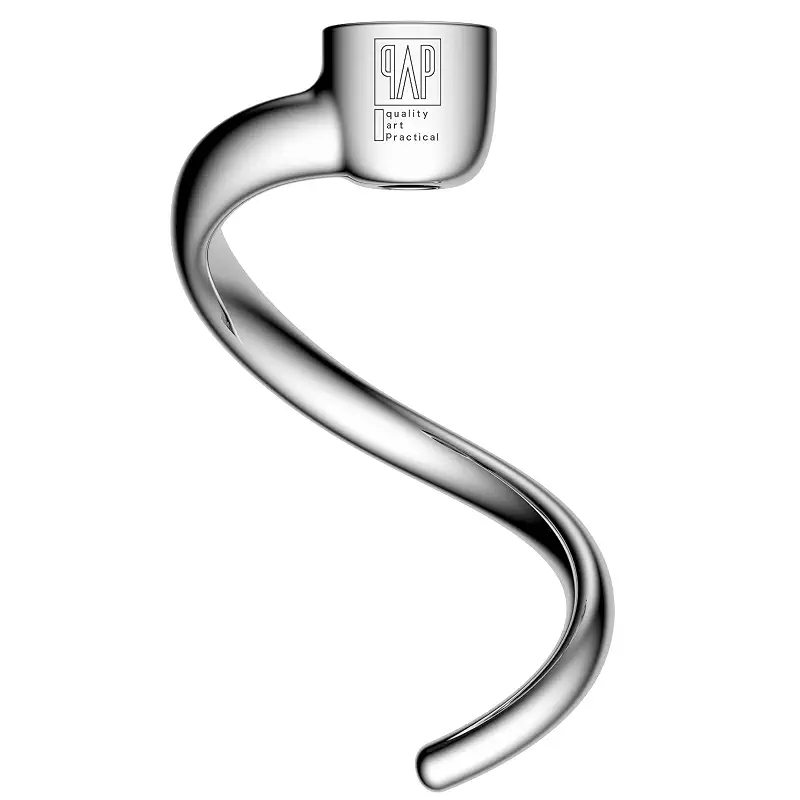
The QAP stainless steel spiral commands attention purely through the volume of positive experience behind it. With nearly 2,500 reviews and a 4.6-star average, this is the most-reviewed option in the lineup, and the feedback tells a consistent story: users see dramatic improvement in kneading speed and gluten development compared to the original C-hook. One detailed review described a 300-gram pizza dough that normally required intervention and manual scraping kneading in half the time with no bowl-scraping needed. That efficiency matters in real kitchens, especially for bakers who make bread or pizza regularly, whether they're using best pizza dough mixers or a simple stand model.
The solid stainless steel eliminates the core complaint about coated hooks, peeling enamel or coating wear. Owners report that QAP's spiral design minimizes dough climbing into the drive mechanism better than some competitors, though heavier batches can still present challenges. The mirror-polished finish also makes cleanup almost effortless since dough releases cleanly. One trade-off worth noting: a small percentage of users with very heavy doughs report the hook riding up the shaft on larger batches, which is a capacity edge case but worth considering if you routinely max out your bowl.
Compared to the Mttobo spiral at a similar price point, QAP appears to have engineered better protection against dough creep into the drive mechanism. The volume of reviews also means you're buying into a product that thousands of home bakers have already vetted across many mixer models and dough types.
Pros
Proven performance across nearly 2,500 verified reviews
Solid stainless steel eliminates peeling or chipping concerns
Spiral design halves kneading time and improves gluten structure
Minimizes dough creep into drive mechanism effectively
Cons
May ride up shaft with very heavy or maximum-capacity doughs
Spiral design represents learning curve from original C-hook
Key features
Solid stainless steel spiral design, rust-resistant and durable
Reduces kneading time significantly compared to original hook
Works with all KitchenAid 4.5-quart and 5-quart tilt-head models
Mirror-polished finish prevents dough sticking and aids cleanup
#4 Pick
Best for Traditional C-Shape Kneading
Rafbar
Stainless Steel Dough Hook Attachment for KitchenAid 4.5QT-5 Quart Bowl Tilt-Head Stand Mixer, Rustproof & Dishwasher Safe, Efficient Kneading for Bread, Pizza, Pasta
4.7(142)
Stainless steel C-hook that preserves the original mixing motion while eliminating coating wear and chipping.
Ideal for: Bakers who prefer traditional C-hook motion, those with older KitchenAid models, users seeking coating-free durability.
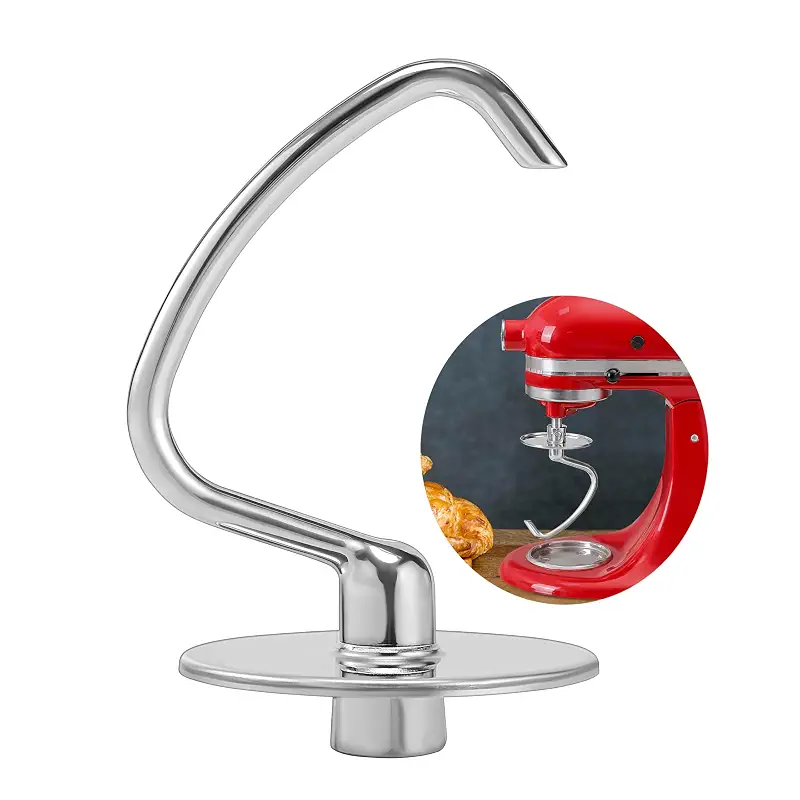
The Rafbar takes the traditional C-shaped hook and upgrades it to solid stainless steel, addressing the fundamental weakness of the original coated design without asking bakers to learn a new spiral technique. This is the pragmatic middle ground: you get the familiar motion and feel of the original hook, but with material that won't peel or chip after years of use. Owners consistently praise the durability and note that it fits without fuss on their Artisan, Classic, and older models.
One practical drawback surfaces in the reviews: the C-shaped top has a small recessed bowl that can trap flour and dough bits, adding a cleaning step that some reviewers found annoying. It's a minor annoyance compared to coating failure, but worth factoring in if you're someone who prioritizes fast cleanup. The stainless steel construction also means the hook doesn't have the protective ridge or shield that some competing designs include, so there's slightly more risk of dough creeping into the drive mechanism during heavier mixing, though this is less pronounced than with the Mttobo spiral.
If you're weighing the Rafbar against the QAP spiral, you're choosing between preserving the original kneading motion (Rafbar) versus adopting a faster, more aggressive spiral (QAP). The Rafbar works best if you've used the original hook for years and want that same feel, or if you're skeptical about whether a spiral will work with your baking style.
Pros
Solid stainless steel eliminates peeling and coating wear
Familiar C-shaped design maintains original mixing motion
Heavy-duty construction lasts through years of regular use
Slightly lighter than older metal original hooks
Cons
Recessed bowl top can collect flour and dough debris during cleaning
No protective ridge against dough creep into drive mechanism
Key features
High-quality stainless steel construction with rust resistance
Traditional C-shaped profile maintains original kneading action
Compatible with KitchenAid Artisan, Classic, and tilt-head models
Mirror-polished surface for easy cleaning and release
#5 Pick
Best Value in Stainless Spiral Design
QAP
QAP Stainless Steel Spiral Dough Hook Fits KitchenAid 4.5 5QT Tilt Head | Fits K45SS KSM150 KN15 KSM90, for efficient bread pizza pasta kneading, easy clean and dishwasher safe
4.6(2,483)
Premium stainless steel spiral that reduces kneading time and eliminates coating issues, backed by nearly 2,500 verified reviews.
Ideal for: Serious home bakers, frequent bread makers, anyone tired of coated hook peeling, sourdough enthusiasts.
The QAP stainless steel spiral commands attention purely through the volume of positive experience behind it. With nearly 2,500 reviews and a 4.6-star average, this is the most-reviewed option in the lineup, and the feedback tells a consistent story: users see dramatic improvement in kneading speed and gluten development compared to the original C-hook. One detailed review described a 300-gram pizza dough that normally required intervention and manual scraping kneading in half the time with no bowl-scraping needed. That efficiency matters in real kitchens, especially for bakers who make bread or pizza regularly.
The solid stainless steel eliminates the core complaint about coated hooks, peeling enamel or coating wear. Owners report that QAP's spiral design minimizes dough climbing into the drive mechanism better than some competitors, though heavier batches can still present challenges. The mirror-polished finish also makes cleanup almost effortless since dough releases cleanly. One trade-off worth noting: a small percentage of users with very heavy doughs report the hook riding up the shaft on larger batches, which is a capacity edge case but worth considering if you routinely max out your bowl.
Compared to the Mttobo spiral at a similar price point, QAP appears to have engineered better protection against dough creep into the drive mechanism. The volume of reviews also means you're buying into a product that thousands of home bakers have already vetted across many mixer models and dough types.
Pros
Proven performance across nearly 2,500 verified reviews
Solid stainless steel eliminates peeling or chipping concerns
Spiral design halves kneading time and improves gluten structure
Minimizes dough creep into drive mechanism effectively
Cons
May ride up shaft with very heavy or maximum-capacity doughs
Spiral design represents learning curve from original C-hook
Key features
Solid stainless steel spiral design, rust-resistant and durable
Reduces kneading time significantly compared to original hook
Works with all KitchenAid 4.5-quart and 5-quart tilt-head models
Mirror-polished finish prevents dough sticking and aids cleanup
How to Choose a KitchenAid Dough Hook Replacement
Four trade-offs that actually matter when matching a dough hook for kitchenaid to your kitchen.
Coated vs. Stainless Steel Design
The original KitchenAid hooks come with a painted or nylon-coated aluminum construction, which tends to chip or peel after years of dishwasher use or heavy kneading. Understanding coated vs stainless steel dough options helps you weigh longevity against cost. Coated hooks are lighter and cheaper upfront, but require careful hand-washing to extend their life. Stainless steel eliminates coating failure entirely, resists rust, and lasts indefinitely, making it the better long-term choice if you bake frequently or plan to own the hook for a decade or more. The trade-off is a slightly higher price and heavier weight, which some users feel provides better feedback during kneading.
C-Hook vs. Spiral Design
The traditional C-shaped hook rotates and lifts dough, relying on the baker's feel and occasional bowl-scraping to ensure even mixing. Spiral hooks, by contrast, push dough downward continuously as they rotate, creating more aggressive kneading action that reduces mixing time and improves gluten development. Spiral designs work brilliantly for pizza and bread doughs, but some users report dough creeping up the drive shaft with very wet or large batches. If you're a sourdough or pizza enthusiast, a spiral likely saves you time and effort. If you prefer the original motion or have a small mixer, a C-shaped stainless steel hook preserves that familiar feeling.
Compatibility and Model Verification
KitchenAid tilt-head models (the angled-bowl design, not bowl-lift) with 4.5-quart and 5-quart capacities accept the same hook shank and fit almost all aftermarket options on this list. Check the bottom of your mixer for the model number (it typically starts with K or KSM) and cross-reference it with the product listings to confirm fit. Older vintage models and smaller 3-quart mixers require different hooks, as do the larger 6-quart and 8-quart bowl-lift models. A few minutes verifying model compatibility prevents ordering the wrong part.
Cleaning and Maintenance Priorities
All modern dough hooks are dishwasher-safe, but stainless steel and polished finishes require less fussing. Coated hooks benefit from hand-washing to avoid accelerating coating wear. Consider using kitchenaid dough hook correctly (mixing on low speed and avoiding double-batch overloads) to extend any hook's life. After kneading, rinse immediately to prevent dough from hardening on the surface. Stainless options practically clean themselves since dough releases easily and doesn't stick to the polished finish.
Frequently asked
Quick answers to the questions readers ask most.
Can I use a stainless steel spiral hook on a KitchenAid mixer with a damaged coated hook?
Yes. All KitchenAid tilt-head mixers with 4.5-quart or 5-quart bowls share the same drive-shaft connection, so you can swap any compatible hook for another. Moving from a coated C-hook to a stainless spiral requires no mechanical adjustment. The spiral may feel more aggressive at first, but your mixer's motor handles it without issue.
Why does my dough creep up the hook and into the drive mechanism?
Dough creep happens most often with very wet doughs (high hydration) or when filling the bowl beyond recommended capacity. It's also more common with C-hooks than spirals, though no hook design eliminates it entirely. To reduce creep, use lower mixer speeds, keep batches at or below the recommended dough weight, and consider a spiral-design hook, which offers better downward pressure to keep dough in the bowl.
Is a stainless steel dough hook worth the extra cost over a coated one?
If you bake bread or pizza more than a few times per month, yes. Coated hooks typically fail within 2 to 5 years of regular use, while stainless steel hooks last decades. You'll buy a coated hook multiple times before a stainless hook ever needs replacing, so the upfront cost difference pays for itself. For occasional bakers, a coated hook works fine if you hand-wash it.
Which hook design kneads dough fastest?
Spiral-design hooks reduce kneading time by approximately 40 to 50% compared to traditional C-hooks, based on owner reports. This is because the spiral pushes dough downward continuously, creating more contact and pressure. If speed matters to you, a spiral hook saves real time during regular baking sessions.
Do I need a special hook for sourdough or pizza dough?
Both types benefit from a spiral design, which kneads these doughs more thoroughly and with less intervention than a C-hook. However, the original C-hook works fine: you'll just spend more time at the mixer and may need to scrape the bowl occasionally. If you make sourdough or pizza regularly, the spiral is a worthwhile upgrade for consistency and convenience.