Ideal for: Starbucks loyalists and those who want café-quality decaf at home.
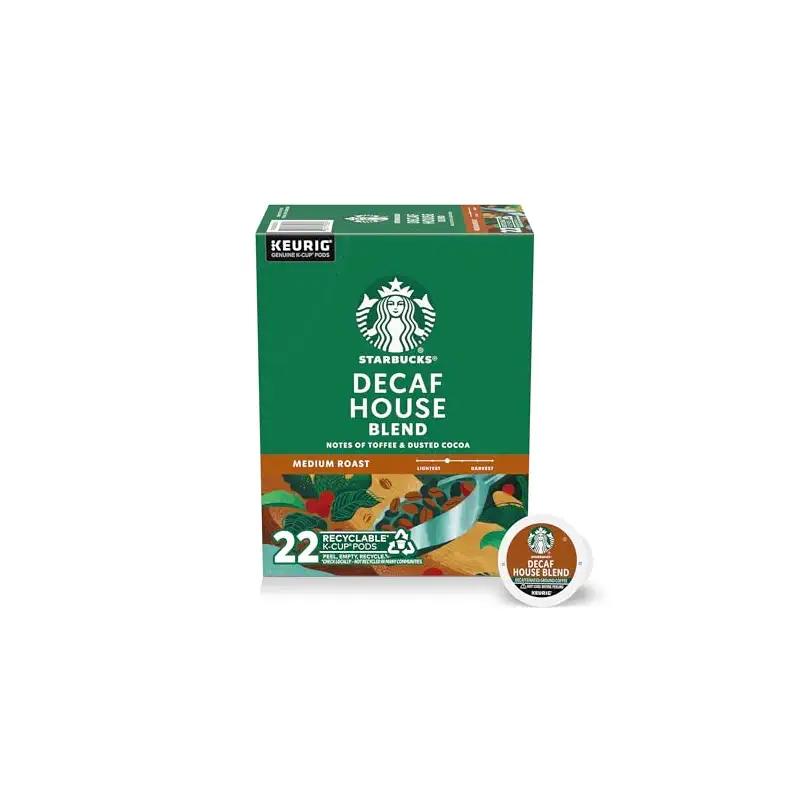
Starbucks Decaf House Blend hits the mark for anyone who wants the brand experience they already know, translated into a decaf pod. The blend balances Latin American beans with subtle notes of toffee and cocoa, which gives it character without heaviness. Buyers consistently mention that this doesn't carry the bitter or chemical aftertaste that haunts many decafs, a quality the top low acid k-cups also prioritize, and the cup feels clean and approachable, whether you brew it black or add cream. The 22-pod box is a smaller count than some rivals, but the higher volume of repeat buyers suggests the taste justifies reaching for it regularly.
One honest note: this isn't the bargain option. Buyers shopping price-per-pod will find cheaper routes. But if you already love Starbucks coffee and need a decaf you'd actually want to drink, this performs far better than stretching your pantry budget. Compared to The Original Donut Shop, which leans bold and nutty, this Starbucks blend is more refined and less diner-style: a choice between premium house coffee and a cozy shop staple.
The pods brew consistently across Keurig models with no reports of leaking or grounds escaping. Fresh taste carries through every cup in the box, which matters when you're opening a new sleeve weeks later.
Pros
Clean flavor with toffee and cocoa notes
No bitter or chemical aftertaste
Brews consistently in all Keurig models
Rich, smooth body despite decaffeination
Cons
Smaller pod count per box than competitors
Premium pricing compared to store brands
Key features
Medium roast blend of 100% Arabica beans
Latin American coffee with toffee and cocoa flavor profile
Works with all Keurig K-Cup pod coffee makers
22 pods per box, individually sealed for freshness
#2 Pick
Best Value
The Original Donut Shop
The Original Donut Shop Decaf Keurig Single-Serve K-Cup Pods, Medium Roast Coffee, 48 Count
4.7(15,108)
The Original Donut Shop delivers bold, full-bodied decaf at a smart price: ideal for households that brew multiple cups daily.
Ideal for: Decaf drinkers who brew daily and want full flavor without paying premium prices.
This is the decaf that converted skeptics. The Original Donut Shop packs more coffee per pod than a standard K-cup, which translates to a richer brew without bitterness. Buyers describe the flavor as nutty and chocolatey with a classic diner-coffee smoothness. What stands out most is the consistency: owners report that cup 48 tastes as fresh as cup one, which matters for value packs. The medium roast sits in a comfortable middle ground: assertive enough to feel like real coffee, mild enough to drink in the evening without regret.
The 48-pod count makes this a logistics win for frequent brewers. Compared to Starbucks K-Cups, which emphasize refined balance, this blend is more straightforward and unpretentious: perfect if you want satisfying decaf without fussing over tasting notes. Where Lifeboost markets low-acid and organic certifications, Donut Shop focuses on flavor-first simplicity. Both camps are valid; this one is for buyers who want great taste, not added claims.
Recyclable pods and Orthodox Union Kosher certification appeal to environmentally minded and observant buyers. The brew compatibility is flawless across Keurig generations, and no leaking has been reported.
Pros
Extra-bold blend with more grounds than regular pods
Smooth, nutty flavor without acidity or bitterness
48-pod box offers strong value for frequent users
Consistent quality across the entire box
Cons
Less premium positioning than specialty brands
May be too bold for those preferring lighter profiles
Key features
Medium roast, extra-bold 100% Arabica coffee blend
48 K-Cup pods per box for bulk convenience
Recyclable pods, Orthodox Union Kosher certified
Compatible with all Keurig K-Cup single-serve brewers
Ideal for: Daily decaf drinkers seeking reliable flavor and value without complexity.
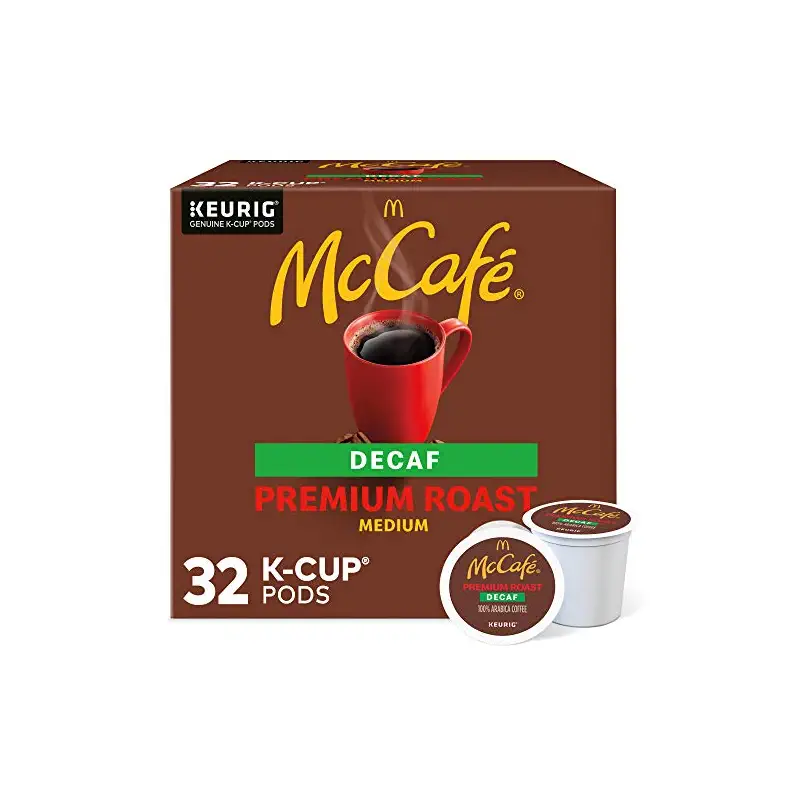
McCafé decaf succeeds by staying uncomplicated: medium roast, Arabica beans, smooth body, clean finish. This is the decaf equivalent of a dependable workhorse. Buyers appreciate that it tastes like coffee rather than a watered-down imitation, and the lack of chemical or metallic aftertaste keeps people coming back. The 32-pod box splits the difference between value packs and premium counts, making it practical for households with a mix of caffeine and decaf drinkers.
Compared to Tim Hortons, which uses Swiss Water processing and markets that as a selling point, McCafé takes a less technical marketing approach but delivers a similar result: smooth decaf without weird tastes. The price point is notably lower than Starbucks and competitive with The Original Donut Shop, though the roast profile is lighter and more accessible for those who find bold blends overwhelming. If you're upgrading from grocery-store instant or seeking a no-fuss daily pod, this hits the sweet spot.
Recyclable pod material (though actual recycling depends on local programs) appeals to environmentally conscious buyers. Quality is consistent pod to pod, and Keurig compatibility is universal.
Pros
Smooth, balanced medium roast with no bitterness
Affordable per-pod cost with 32-pod count
Recyclable pod material supports sustainability
Works flawlessly in all Keurig machines
Cons
Less distinctive flavor profile than specialty brands
May lack boldness for coffee lovers seeking intensity
Key features
Medium roast blend of premium 100% Arabica beans
32 K-Cup pods per box, recyclable material
Expertly roasted in temperature-controlled environment
Ideal for: Buyers prioritizing chemical-free decaffeination and seeking a large supply for regular decaf brewing.
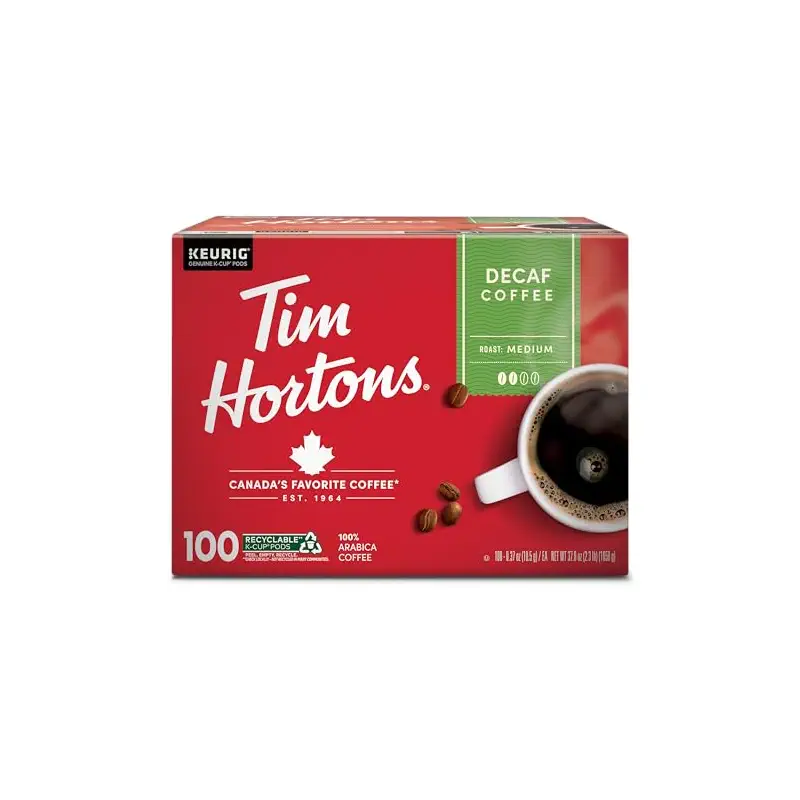
Tim Hortons brings 50+ years of Canadian coffee expertise to a decaf that highlights the Swiss Water process: a chemical-free decaffeination method that preserves flavor better than many alternatives. Buyers consistently report zero chemical aftertaste, which is the hallmark advantage here. The medium roast is balanced and satisfying, brewed from hand-selected 100% Arabica beans. The 100-pod box is the largest count in this lineup, making it genuinely practical for households where decaf is the daily norm rather than an occasional choice.
Where this differs from McCafé is the emphasis on process transparency and the prestige of a long-established Canadian institution. Tim Hortons' focus on the Swiss Water method appeals to buyers concerned about decaffeination chemicals, whereas McCafé takes a simpler approach. Compared to Lifeboost, which adds organic and low-acid claims, Tim Hortons keeps the story straightforward: quality beans, careful roasting, clean processing. One caveat from the reviews: a small number of pods have leaked grounds into the cup, which is rare across this lineup but worth noting if you're sensitive to sediment.
The pod quality and consistency are strong. Fresh coffee taste holds up even on the 100th pod.
Pros
Swiss Water process removes caffeine without chemicals
100-pod box offers the largest bulk supply
Smooth, balanced flavor from hand-selected Arabica beans
No chemical or metallic aftertaste reported
Cons
Occasional ground leakage reported in rare cases
Less distinctive flavor profile than premium brands
Key features
100% Arabica beans decaffeinated using Swiss Water process
100 K-Cup pods per box for bulk supply
Medium roast expertly selected and roasted in-house
Compatible with Keurig single-serve coffee brewers
#5 Pick
Best Specialty Option
Lifeboost
Lifeboost Organic Decaf Coffee K Cups - Low Acid Single Origin Non-GMO Mold Free Decaf Coffee Pods Compatible with Keurig & Keurig 2 - Third Party Tested for Mycotoxins and Pesticides - 10 Count
Ideal for: Health-conscious buyers, acid reflux sufferers, and those prioritizing organic certification over aggressive flavor.
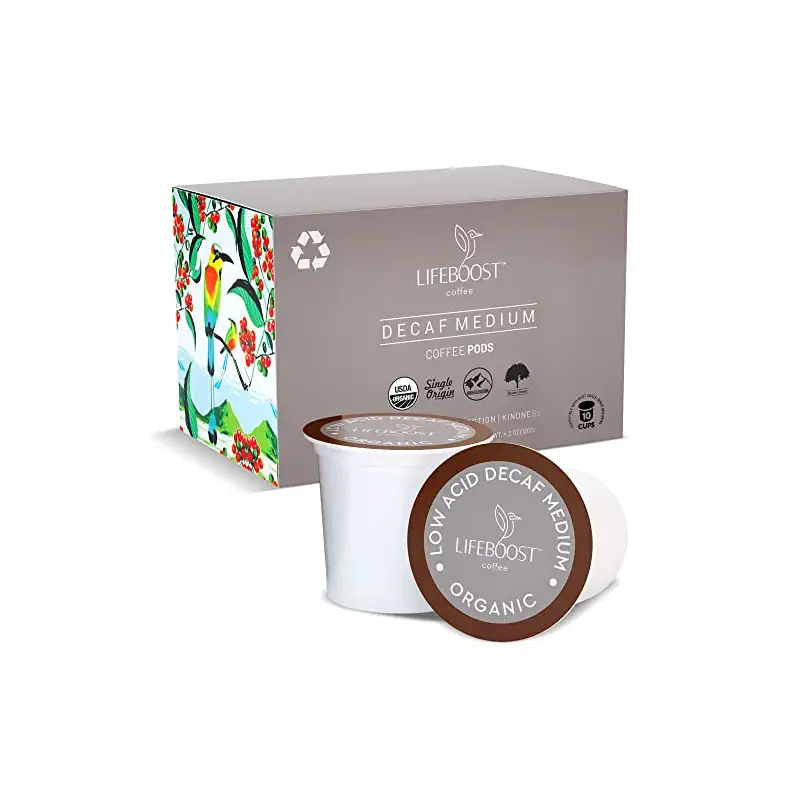
Lifeboost takes a different path than mainstream decaf K-cups. Instead of chasing bold flavor or lowest price, it emphasizes purity: USDA organic certification, third-party testing for mycotoxins and pesticides, low-acid chemistry, and single-origin beans from shade-grown Central American farms. For buyers with acid reflux, sensitive stomachs, or those who prioritize organic and ethical sourcing, these pods deliver peace of mind alongside coffee. The medium roast is mild and gentle rather than aggressive, which suits the low-acid positioning. A 10-pod box is small, but it's meant for trial or supplemental use rather than daily workhorse duty.
This is markedly different from the other four options. Starbucks and Donut Shop chase familiar taste. McCafé and Tim Hortons focus on reliable value and process. Lifeboost bets on certifications and health claims. Reviews are honest: some buyers find the flavor lighter than expected, and the price-per-pod is substantially higher. But for someone managing reflux or seeking mold-free coffee, the trade-off makes sense. The box design and marketing emphasize care, and the 30-day satisfaction guarantee reflects confidence in the product.
Shipping quality has been a pain point in some reviews (damaged packaging during transit) so order carefully and expect to open the box promptly.
Third-party tested for mycotoxins, pesticides, heavy metals
Shade-grown at high elevation in Central America
10 K-Cup pods per box, compatible with Keurig brewers
How to Choose the Best Decaf K-Cups
Four trade-offs that actually matter when matching a decaf k cups review to your kitchen.
Understand Roast Levels and Flavor
All five options here are medium roast, which is the decaf standard for good reason: dark roasts can taste over-extracted and burnt in decaf form, while light roasts may taste thin. Medium roast offers balance. But flavor emphasis varies. Starbucks and Donut Shop bring character (toffee, cocoa, nuttiness), McCafé emphasizes smoothness, Tim Hortons stresses clean processing, and Lifeboost prioritizes mildness for digestion. Think about whether you want your decaf to taste like an indulgent treat or a gentle daily cup. The decaf k-cup roast levels guide can help you dig deeper into how roasting affects decaf chemistry.
Consider Decaffeination Method and Health Factors
Tim Hortons highlights Swiss Water processing, which removes caffeine without chemicals, appealing to those avoiding solvent residue. Lifeboost stresses organic certification and third-party testing for mold and pesticides, making it the pick for buyers with acid reflux or chemical sensitivities. Standard brands like Starbucks and McCafé don't emphasize decaffeination method in marketing but meet safety standards. If you have a sensitive stomach, low stomach acid, or specific health concerns, compare what organic versus conventional k-cups offer and whether certification matters to your purchasing decision.
Pod Count and Supply Planning
Tim Hortons leads with 100 pods, Donut Shop offers 48, Starbucks and McCafé provide 32 and 22 respectively, and Lifeboost has just 10. If you brew decaf daily, bulk supply makes sense economically. If decaf is occasional, smaller boxes prevent staleness. Keep in mind that K-cup freshness matters; a box sitting on the shelf for months will taste older by pod 40 than by pod 5. Heavy brewers save money per pod with larger counts; occasional users may prefer fresher smaller boxes.
Test Keurig Compatibility and Quality Control
All products here work with standard Keurig K-Cup brewers, including older and newer models. The key difference is consistency: some buyers report rare leakage or ground escape, particularly with Tim Hortons. Most pods perform flawlessly. If your machine is finicky or you're sensitive to sediment in the cup, read reviews for your specific Keurig model. Pods from larger manufacturers like Starbucks and McCafé tend to have tighter quality control, while smaller brands like Lifeboost have less volume in customer hands, making patterns harder to assess.
Budget and Value Per Cup
Lifeboost is the most expensive per pod due to certifications. Starbucks is premium but not as high per-pod as Lifeboost. The Original Donut Shop and McCafé offer solid value, especially in bulk. Tim Hortons strikes a middle ground on price while offering the largest supply. If cost per cup matters, calculate the total box price divided by pod count. If health or brand loyalty matters more than price, the premium options justify themselves.
Frequently asked
Quick answers to the questions readers ask most.
Does decaf K-cup coffee taste as good as regular?
Modern decaf K-cups come much closer to regular coffee than they did years ago. The five options here all deliver genuinely satisfying flavor: smooth, balanced, and without watered-down quality. However, decaf is inherently a bit milder than caffeine-bearing coffee because the decaffeination process removes some flavor compounds alongside the caffeine. If you're used to bold espresso or dark roasts, decaf will feel softer. Medium roast decaf, though, can taste like real coffee rather than a compromise.
Why do some decaf K-cups taste like chemicals?
Decaffeination methods vary. Some use chemical solvents (ethyl acetate or methylene chloride) to strip caffeine, and if processing isn't thorough, residue can linger in the final coffee. The Swiss Water process, used by Tim Hortons, avoids synthetic solvents entirely. Water-based methods are gentler but cost more, which is why they show up in specialty products. Buying from reputable brands and checking for decaffeination details helps avoid chemical aftertaste.
Are K-cup pods recyclable?
Many modern K-cup pods are made from recyclable plastic, including those from McCafé and The Original Donut Shop. However, recycling acceptance varies widely by community. Some curbside programs accept them; others require drop-off at special facilities or don't accept them at all. Check your local program before assuming your pods are recyclable. The instruction is usually to peel the lid, empty the grounds, and rinse before placing in recycling.
How long do K-cup pods stay fresh?
K-cup pods are sealed to preserve freshness and typically stay good for 6-12 months from the date printed on the box. Flavor peaks earliest in the shelf life. If you buy in bulk, store pods in a cool, dry place away from direct sunlight and heat. A pod brewed after six months may taste slightly older but should still be safe and drinkable. Rotating stock (using older boxes first) helps ensure you're always brewing fresher pods.
Will decaf K-cups keep me awake?
Decaf K-cups contain roughly 2-10 mg of caffeine per cup, compared to 95-200 mg in regular coffee. For most people, this is negligible and won't disrupt sleep. However, if you're extremely caffeine-sensitive or have sleep disorders, even small amounts may matter. Tim Hortons and other mainstream brands remove the vast majority of caffeine consistently. If you're concerned, test one cup in the evening and observe your sleep pattern; individual sensitivity varies widely.