Best Coffee Beans for Moka Pot: Top Picks for Authentic Espresso
Find the best coffee beans for moka pot brewing. Our guide covers Italian roasts, grind sizes, and bean blends that deliver rich crema and smooth flavor.
Ideal for: Daily moka pot drinkers seeking smooth, balanced flavor with reliable crema.
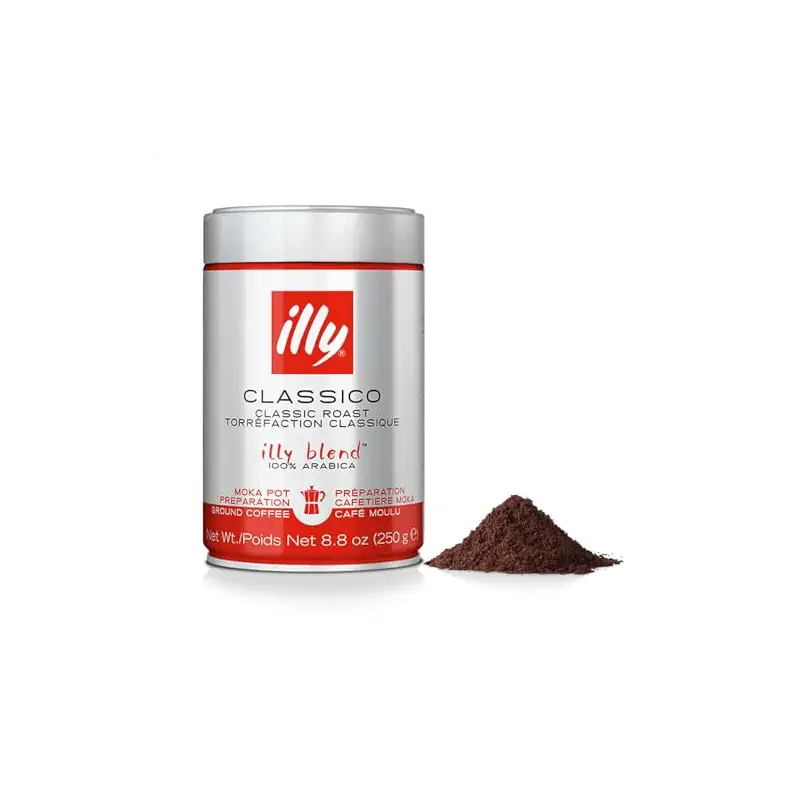
Illy's ground moka coffee has earned a devoted following among stovetop brewers for good reason. Owners consistently report that it produces a smooth, full-bodied cup with a pronounced aroma the moment they open the canister: a sign of fresh, well-roasted beans. The 100% Arabica composition means you get a cleaner, less harsh extraction than some blends, which matters when you're working with the high-pressure environment of a moka pot. The grind appears calibrated for espresso extraction, so it slots into the moka basket without channeling or over-compacting, and the result is reliable crema and balanced flavor across 3-cup, 6-cup, and larger pots.
This is the choice for someone who wants a straightforward, daily-driver coffee that performs consistently without fuss. Owners mention using it for lattes, Americanos, and straight espresso shots: it adapts well. If you're trying a best turkish coffee maker for comparison, you'll notice moka pots demand a finer, more uniform grind than Turkish brewing, and Illy's consistency shines there.
The main trade-off is price relative to entry-level options. Some owners note the flavor is lighter than darker roasts, which is intentional: medium roasts in a moka pot preserve more origin character. If you absolutely need a darker, more aggressive cup, you may prefer something else, but that's a style choice, not a quality issue.
Pros
100% Arabica with clean, balanced flavor profile
Fresh aroma and consistent grind for reliable extraction
Works equally well in 3-cup and 6-cup pots without adjustment
Cons
Higher price than budget-friendly alternatives
Medium roast may feel lighter if you prefer darker, bolder coffee
Key features
Pure Arabica beans roasted to medium for balanced body
Pre-ground espresso fineness optimized for moka pot extraction
Hermetic canister preserving freshness and aroma
Italian roasting tradition with 10,000+ verified buyer reviews
#2 Pick
Best Value
Lavazza
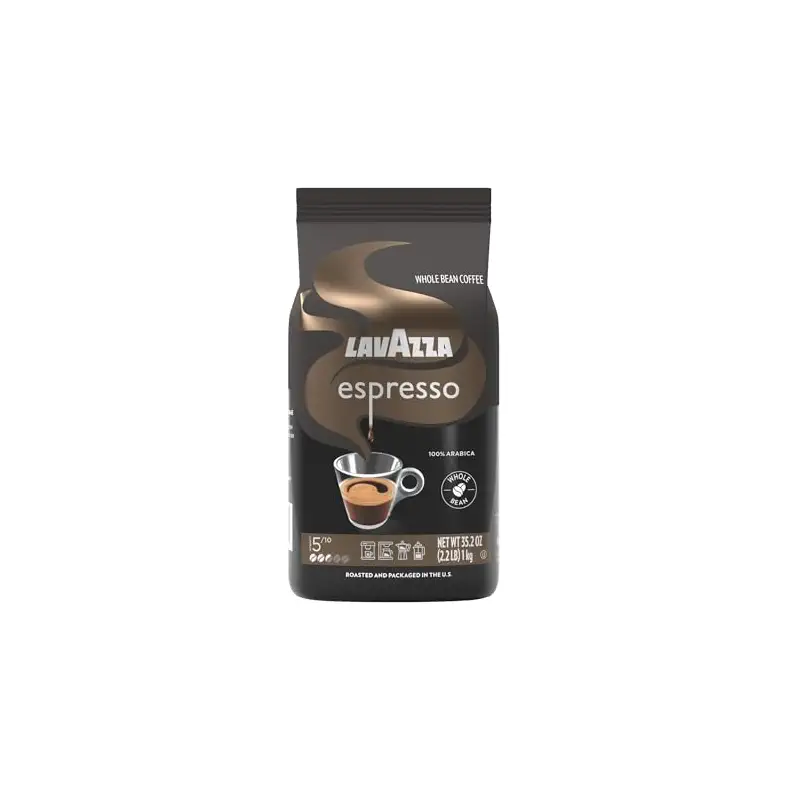
Lavazza Espresso Whole Bean Coffee, Medium Roast, 100% Arabica, 2.2 lb Bag
4.6(24,857)
Whole bean Arabica offering smooth, medium-roast balance in a generous 2.2 lb bag with proven consistency and versatility.
Ideal for: Home brewers with a burr grinder seeking fresh-ground coffee and volume at reasonable cost.
Lavazza's espresso whole beans represent the value sweet spot in this lineup. A 2.2 lb bag delivers weeks of coffee for households that grind fresh, and owners emphasize consistent quality from bag to bag: a trust factor that matters when you're placing repeat orders. The 100% Arabica blend from South and African origins produces a cup with floral and fruit notes alongside a creamy mouthfeel; many describe it as smooth enough for multiple cups without stomach upset, which speaks to how well-balanced the roast truly is.
Where this differs from the illy ground option is that you're grinding whole beans yourself, which means fresher crema potential and the ability to dial in your moka pot grind size guide precision. Owners with electric burr grinders and automatic espresso machines report excellent results, though you'll want a grinder with finer settings to match moka pot requirements. Compared to the Bialetti option, this costs less and comes in a larger format, making it practical for daily use without the premium markup.
The one caveat is that whole-bean freshness depends entirely on your storage and grinding habits. If you grind weekly and seal the bag properly, you'll see full potential. If beans sit open or exposed to light, flavor fades. The bag also ships with a slightly longer roast-to-consumer window than some craft roasters, which is normal for widely distributed Italian brands.
Pros
Whole beans maintain freshness longer than pre-ground
Ideal for: Moka pot owners seeking coffee engineered for stovetop brewing with balanced, bitterless flavor.
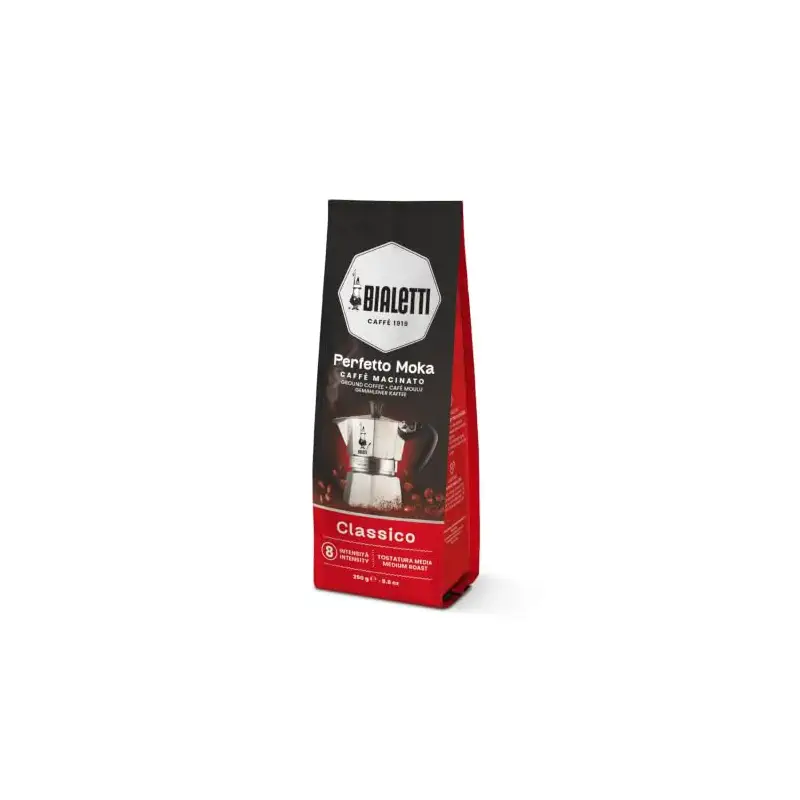
Bialetti's ground moka coffee stands apart because it's designed by the company that invented the moka pot itself. That heritage shapes everything: the roasting duration is deliberately slower to allow aromatics to fully bloom, and the grind is calibrated to the exact pressure and chamber dimensions of a traditional moka maker. Owners consistently report that this coffee produces exceptional crema, a smooth extraction, and a flavor that feels authentically Italian without harsh edges. The 50/50 Arabica-Colombian blend sits between pure Arabica and more robusta-heavy options, giving you body and sweetness without the acidity that can emerge from single-origin beans in high-heat brewing.
This is the choice if you own a Bialetti moka pot and want coffee engineered to work in perfect harmony with it. Even with other stovetop brewers, the grind and roast profile translate well. The 251 g package is smaller than some competitors, which affects value per serving, but owners emphasize the flavor payoff justifies the investment. If you're comparing arabica and robusta comparison beans, Bialetti's balanced split offers the best of both: the clarity of Arabica and the body and crema-boosting properties of a smart Robusta percentage.
The main trade-off is package size and the fact that it's available almost exclusively online. Brick-and-mortar grocery stores rarely stock it, so you're committing to subscription or repeat ordering. Some coffee enthusiasts also note it's slightly stronger than Illy if that matters to your palate.
Pros
Grind and roast profile optimized for moka pot extraction
Ideal for: Bold-coffee enthusiasts with a burr grinder seeking whole beans with deep Neapolitan character.
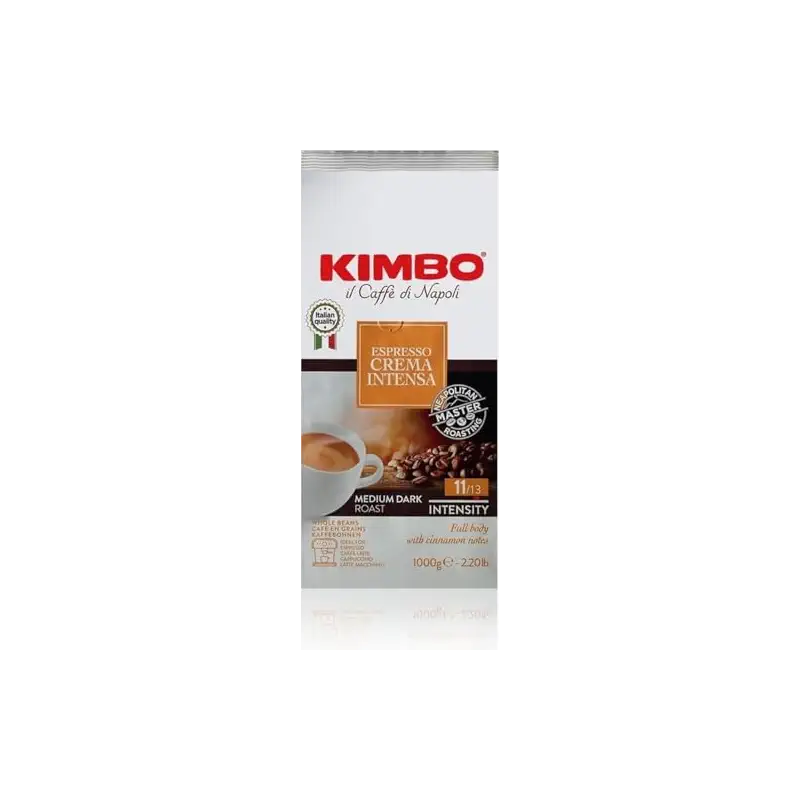
Kimbo Crema Intensa leans toward the darker end of the roast spectrum while staying true to Neapolitan espresso tradition. At intensity 11 out of 13, this is coffee for people who want bold character: you'll taste spice notes like cinnamon and pepper, with undercurrents of chocolate and licorice from a carefully balanced Robusta percentage. Owners rave about the thickness and persistence of the crema, the velvety mouthfeel, and how the medium-dark roast never slides into bitterness. The whole-bean format gives you control over grind fineness, and many report excellent results with both moka pots and automatic espresso machines.
Compared to Lavazza's gentler medium roast, Kimbo is unapologetically bold: it's the choice if you find lighter coffees underwhelming. It's roasted in Naples and imported, which guarantees Italian authenticity but also means longer transit and storage times before arrival. One detailed owner report noted the roast date can be several months prior to purchase, which is typical for imported beans but worth knowing if you prioritize ultra-fresh coffee.
The 2.2 lb whole-bean bag format is generous, and for daily espresso drinkers the value is solid. However, you'll need a burr grinder capable of fine espresso settings. If you're working with a blade grinder or don't already own a quality grinder, this requires an additional investment that the pre-ground competitors don't.
Pros
Medium-dark roast with intense spice and chocolate notes
Thick, persistent crema prized for espresso and lattes
2.2 lb whole-bean bag offers volume and freshness control
Cons
Requires a quality burr grinder for moka pot fineness
Roast date may be several months prior to arrival
Key features
100% Arabica beans roasted medium-dark in Naples, Italy
Intensity 11/13 with bold spice, chocolate, and licorice notes
Whole beans locked in a 2.2 lb sealed bag for freshness
Thick crema and full body ideal for espresso and moka brewing
#5 Pick
Best Premium Specialty Blend
V Vescovi
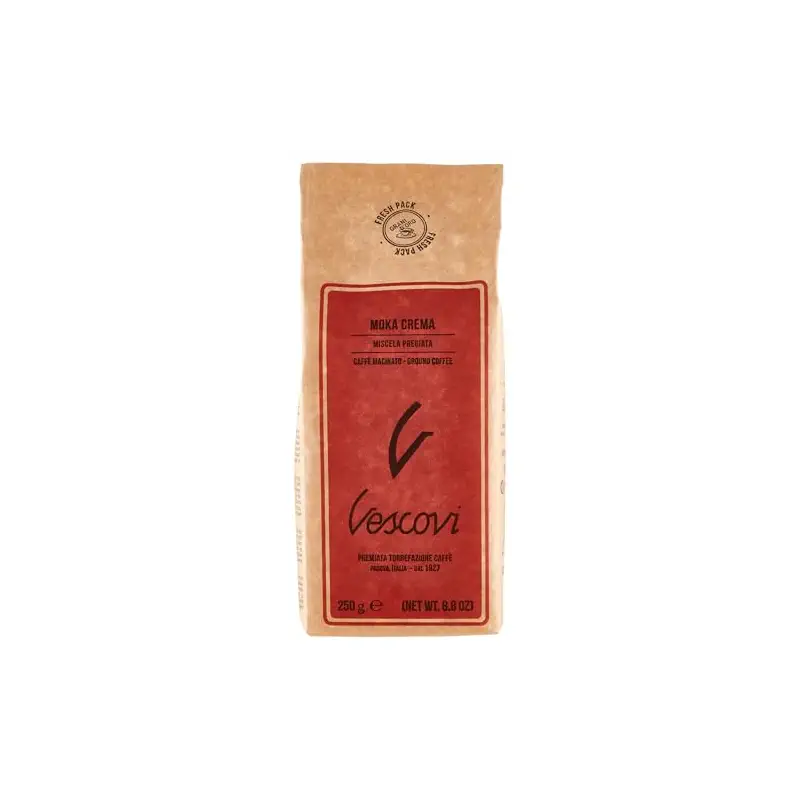
V Vescovi Moka Crema – Premium Italian Ground Espresso – Medium Roast Coffee – For Moka, French Press & Pour Over – 8.8 oz (250g)
4.4(199)
Italian 70% Arabica and 30% Robusta ground blend with 9/10 intensity, caramel sweetness, and smooth finish optimized for moka brewing.
Ideal for: Specialty coffee drinkers seeking a premium pre-ground Italian blend without grinder requirements.
V Vescovi Moka Crema occupies a premium niche with a well-considered 70/30 Arabica-Robusta split that delivers caramel sweetness, smooth texture, and enough body for authentic espresso without the harshness some robusta-heavy blends introduce. At intensity 9/10, it sits between Illy's balanced approachability and Kimbo's boldness, offering owners a sophisticated middle ground. The pre-ground format means no grinder required, and multiple owners emphasize that it produces negligible bitterness in a moka pot: a testament to careful roasting and blending.
This is the choice for someone willing to spend more for a thoughtfully composed blend that's ready to brew immediately. The 8.8 oz package is modest compared to larger bags elsewhere, but buyers report genuine satisfaction with the flavor complexity and the fact it doesn't upset sensitive stomachs the way cheaper or poorly-roasted options might. Where it differs from Bialetti's 50/50 blend is the higher Arabica percentage, which emphasizes brightness and floral character alongside the body and crema that Robusta provides. Compared to Illy's pure Arabica, this blend adds textural richness and intensity.
The trade-off is that the smaller format and premium positioning mean higher per-serving cost. Also, one owner noted that roast dates are typically around one year out, which is acceptable but not as fresh as buying whole beans from a local roaster. If you're committed to moka pot brewing and want a premium pre-ground option that doesn't require a grinder investment, this earns the premium.
Pros
Thoughtful 70/30 Arabica-Robusta blend with caramel sweetness
Pre-ground and ready to brew with no equipment needed
Smooth finish with zero bitterness reported by multiple owners
Cons
Smaller 8.8 oz package with higher per-serving cost
Roast date typically one year from purchase
Key features
70% Arabica and 30% Robusta Italian espresso blend
Medium roast with 9/10 intensity and caramel, spice, sandalwood notes
Pre-ground to espresso fineness for immediate moka pot use
Made in Italy with focus on smooth, balanced body and crema
How to Choose Coffee Beans for Your Moka Pot
Four trade-offs that actually matter when matching a coffee beans for moka pot to your kitchen.
Grind Size and Fineness
Moka pots require a specific grind: finer than drip coffee but not quite as fine as true espresso machine powder. If you buy whole beans, a burr grinder with fine settings is essential; blade grinders produce uneven particles that cause channeling and weak extraction. Pre-ground options let you skip the grinder investment. The moka pot grind size guide shows that consistency matters more than absolute fineness: a uniform medium-fine grind lets water extract evenly without over-compacting or flowing around the coffee. When you're choosing between whole-bean and pre-ground, ask yourself whether you'll grind fresh twice a week or once monthly, because stale grounds lose aroma and body.
Roast Level: Medium vs. Medium-Dark
Most moka pot coffee falls into medium or medium-dark roast categories. Medium roasts (like Illy and Lavazza) preserve more origin character and acidity balance, producing smoother, less bitter cups. Medium-dark options (Kimbo, Bialetti's darker options) emphasize body, crema thickness, and bold spice notes. The choice depends on your palate: light roasts tend to taste thin or acidic in a moka pot's high-heat environment, while very dark roasts can turn harsh. Start with medium if you're unsure; it's the safest entry point for moka brewing. Dark roasts reward you if you already know you like bold coffee.
Arabica vs. Robusta: Bean Composition
An arabica and robusta comparison reveals distinct roles each plays. Arabica beans (100% in Illy and Lavazza) deliver cleaner flavor, floral notes, and less acidity: they're the backbone of specialty coffee. Robusta beans add body, crema thickness, and caffeine punch but can taste earthy or bitter if roasted poorly. Many Italian moka blends split the difference: Bialetti uses 50/50, V Vescovi uses 70/30 Arabica. A small Robusta percentage (10-30%) improves crema and body without muddying flavor. If you're sensitive to bitterness or acidity, lean toward higher Arabica content; if you want thick crema and bold character, accept a higher Robusta percentage from a trusted roaster.
Freshness and Storage
Coffee beans peak within 2-4 weeks of roasting. Pre-ground coffee loses aroma faster once the package opens, so use it within 1-2 weeks for best results. Whole beans stay fresher longer if sealed in an opaque, airtight container away from light and heat. Check roast dates when you can, especially on imported beans that may have spent weeks in transit. Store beans in a cool pantry, not the fridge or freezer (condensation damages flavor). Buy smaller quantities more often rather than stockpiling large bags unless you drink coffee daily.
Frequently asked
Quick answers to the questions readers ask most.
Can I use espresso machine coffee in a moka pot?
Yes, but not all espresso coffee performs identically. Espresso-specific grinds (designed for 9 bars of machine pressure) can work in a moka pot, which generates 1.5-2 bars. The key is adjusting the grind slightly coarser if the moka pot produces a weak, watery stream, or tamp less firmly if it chokes. Pre-ground espresso from trusted Italian brands like Illy or Bialetti is engineered to bridge both brewing methods, so it's your safest bet if you use both tools.
Why does my moka pot coffee taste bitter?
Bitterness in moka brewing usually stems from over-extraction: the grind is too fine, the coffee is tamped too hard, or the heat is too high. Start by using a slightly coarser grind and a lighter hand when filling the basket. Medium roasts naturally taste less harsh than dark roasts; if you're using a very dark coffee, try stepping down to medium-dark. Finally, lower the heat slightly so water moves through the grounds more gently and doesn't scald the flavor compounds.
Should I buy whole beans or pre-ground for moka pot brewing?
Pre-ground saves time and requires no equipment investment; it's ideal if you brew occasionally or don't own a burr grinder. Whole beans deliver fresher aroma and crema if you grind 2-3 times weekly, but they demand a quality burr grinder and discipline about storage. For most home brewers, starting with a trusted pre-ground moka blend (Illy, Bialetti, V Vescovi) is practical. Upgrade to whole beans once you're confident in your brewing and ready to invest in a grinder.
What's the difference between Arabica and Robusta coffee?
Arabica beans produce cleaner, more nuanced flavor with floral and fruit notes; they're 1.2-1.5% caffeine. Robusta beans taste earthier and more bitter, delivering thicker body and better crema, with nearly double the caffeine. Specialty roasters favor Arabica, but traditional Italian espresso and moka blends mix them strategically: a 10-30% Robusta addition boosts crema and body without sacrificing balance. Pure Arabica suits people who dislike bitterness; blends suit those seeking Italian authenticity and visual crema.
How long does a bag of moka coffee stay fresh?
Pre-ground coffee stays optimal for 1-2 weeks after opening; after that, volatile aromatics evaporate and flavor flattens. Whole beans in a sealed bag stay fresh for 2-4 months if stored cool and dark, though peak flavor is within 4 weeks of the roast date. Once you grind whole beans, use them within 24-48 hours for best results. Check roast dates on the package: imported Italian coffee may show roast dates several months prior, which is normal but worth factoring into your freshness expectations.