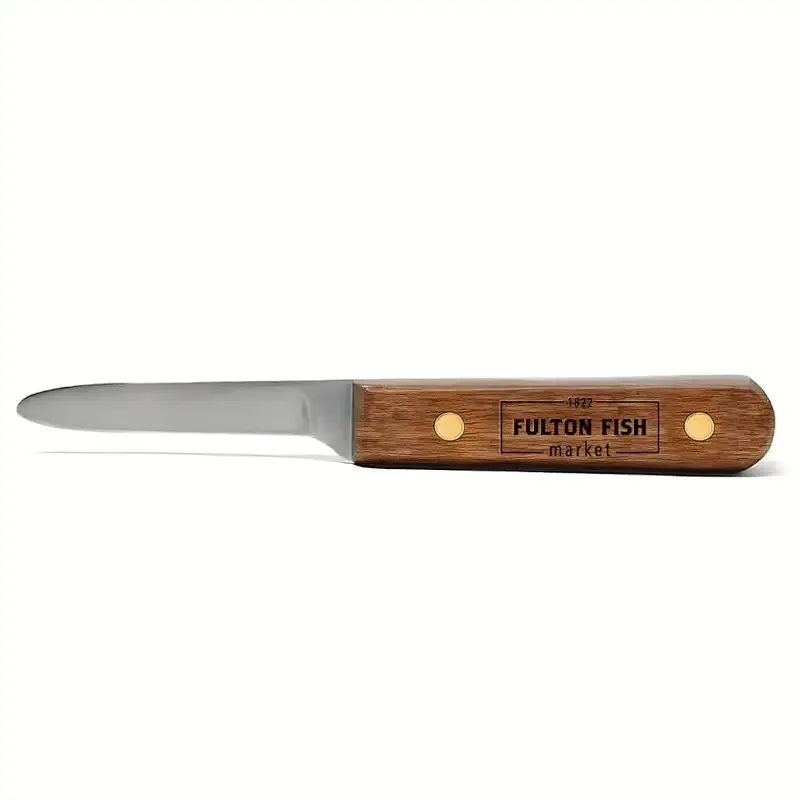
The Fulton Fish Market Heavy Duty Stainless Steel is engineered specifically for the backyard setting where salt spray, ice melt, and outdoor exposure demand a tool that won't rust or pit. The stainless blade offers maximum leverage against tough shells, and the ergonomic handle is designed to keep your grip secure even with wet hands on a crowded picnic table. Owners report it opens shells instantly and feels solid in hand. One buyer mentioned using it for homemade quahog pasta after a day of clamming, and the knife performed reliably in that high-volume workflow.
That said, there's a manufacturing inconsistency worth noting. One reviewer flagged that the blade reads "Made in China" despite marketing language suggesting USA origin, which may matter if country-of-origin matters to you. The heavy stainless construction is more durable for outdoor abuse than thinner blades, but some users prefer the precision of a narrower design for finesse work.
If your clam season means backyard gatherings rather than solo prep in a restaurant kitchen, and you value a tool that survives salty air without maintenance fuss, this is a solid choice. The rubust handle and blade geometry make it forgiving in less-experienced hands.
Pros
Excellent corrosion resistance in coastal air and salty spray
Ergonomic handle designed for wet-hand grip security
Blunt, sturdy blade provides maximum leverage on tough shells
Cons
Manufacturing origin inconsistency with product marketing
Heavier blade design suits leverage over fine shucking control
Key features
Heavy-duty stainless steel blade resists rust and dulling
Ergonomic handle prevents slipping on wet hands
Blunt tip optimized for shell leverage, not delicate cuts
Commercial-grade construction for high-volume use
#2 Pick
Best Traditional Carbon Steel Option
Dexter Outdoors
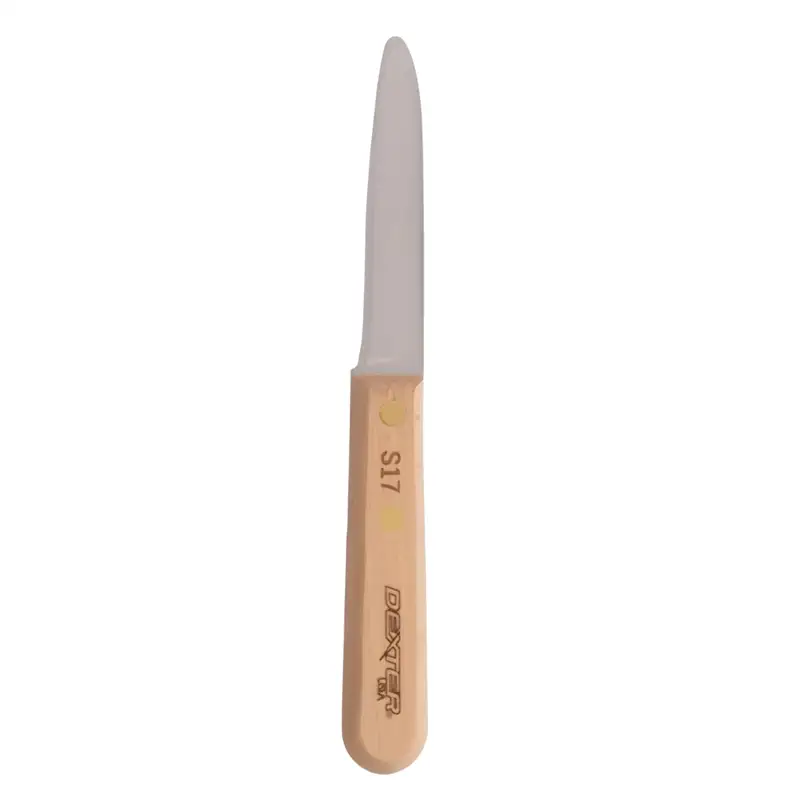
Dexter-Russell 3" Clam Shucking Knife | S17 | Carbon Steel Blade with Riveted Beechwood Handle | Made in USA | Traditional Clam Opener | High-carbon stainless steel clam knife with class wood handle. Made in USA for raw bars, restaurants, and home prep.
4.6(351)
Classic high-carbon blade with wooden handle offers the precision edge-retention and elegant feel that serious clam enthusiasts prefer.
Ideal for: Home cooks, occasional shucking, those who prefer carbon steel and wooden handles.
The Dexter-Russell 3" Clam Shucking Knife carries the heritage of American cutlery in a carbon steel blade paired with traditional beechwood riveted handles. The 3-inch high-carbon blade holds a sharp edge longer than stainless alternatives and flexes just slightly, which several experienced shuckers say is actually desirable for cutting the muscle cleanly without damaging meat. The natural wood handle feels warm in your palm and delivers non-slip security even when wet, and users consistently praise the sturdy construction and crisp out-of-the-box sharpness.
One notable caveat: the title marketing emphasizes carbon steel, but some buyers report receiving stainless steel versions instead, which dulls faster and requires careful reading of product specs. The modern version also has a half-tang rather than the full-tang design some older vintage models featured, so durability expectations should be calibrated accordingly. Compared to the wide-blade Dexter-Russell Sani-Safe options, this narrower blade trades restaurant-speed volume work for precision and touch.
Choose this if you shuck clams occasionally (a few times a year for chowder, say) and value the traditional feel and edge performance of carbon steel. It's a workhorse for home cooks and fishermen who respect their tools.
Pros
High-carbon blade holds sharp edge longer than stainless
Beechwood handle offers natural, warm feel and non-slip grip
Made in the USA with time-tested construction method
Cons
Carbon steel requires hand washing and can confuse spec-conscious buyers
Half-tang design may flex slightly during heavy leverage tasks
Key features
3-inch high-carbon DEXSTEEL blade with optimal edge retention
Riveted beechwood handle provides traditional ergonomic grip
Precision-ground edge designed for littlenecks and cherrystones
Proudly made in the USA for reliability and heritage craftsmanship
#3 Pick
Best Budget Pick
M. E. Heuck, Inc
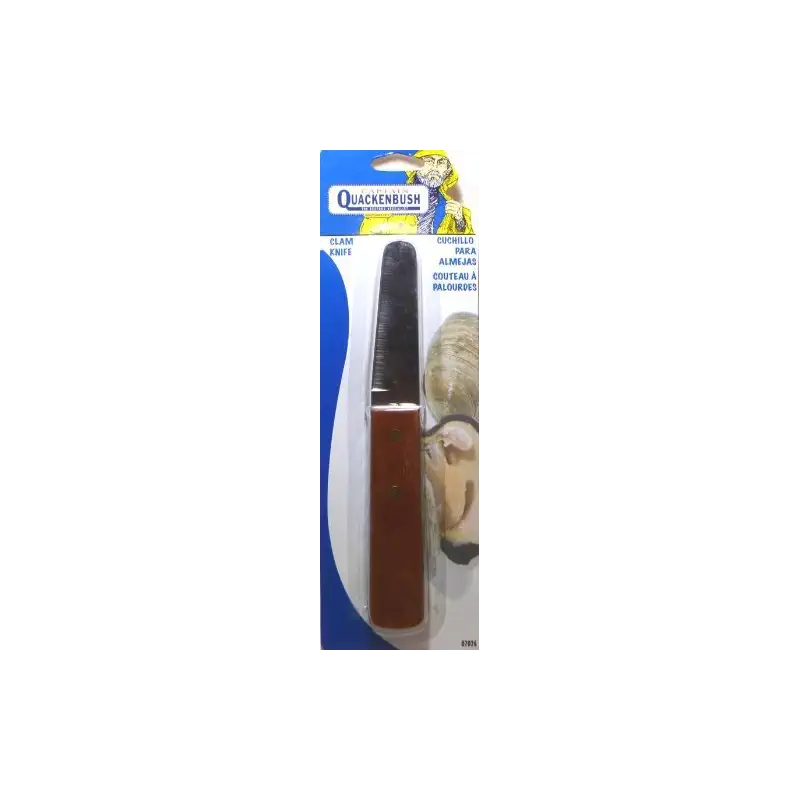
CLAM KNIFE
4.6(21)
Affordable stainless steel blade with solid wooden grip delivers reliable clam opening without premium-tier price tag.
Ideal for: Budget-conscious home cooks, occasional clam shucking, those who prefer wooden handles.
The M.E. Heuck Clam Knife (branded as Captain Quackenbush) offers genuine value for buyers who need a functional tool without spending on brand prestige. The 3.25-inch stainless steel blade sits in the sweet spot between the narrow precision knives and wider commercial models, and the wooden handle provides the non-slip security that plastic handles often struggle with. Buyers report consistent, easy opening of clams and praise the overall build quality and durability relative to cost. One owner mentioned it was a serviceable replacement after losing a previous knife, and another said her husband found it easy to use and very durable.
The downsides are modest but worth noting: it's a straightforward tool without the heritage cachet of Dexter-Russell or the commercial certification of NSF-rated models. Also, top-rack dishwasher safety is listed, but hand washing is recommended to preserve the wooden handle, so you'll want to commit to a little maintenance ritual. Where the wide-blade Sani-Safe option excels in high-volume commercial settings, this model sits comfortably in the home-cook middle ground.
If you shuck clams a handful of times a year and don't want to spend a lot, this is a no-fuss entry point that owners consistently rank as reliable and well-made.
Pros
Affordable price point without sacrificing build quality
Wooden handle provides superior grip and comfort
3.25-inch blade balances precision with accessible leverage
Cons
Lacks heritage brand reputation or commercial certifications
Requires hand washing to preserve wooden handle integrity
Key features
3.25-inch stainless steel blade designed for durability
Wooden handle with non-slip grip for safety and comfort
7.75-inch overall length optimized for efficient handling
Blunt tip reduces injury risk if knife slips during shucking
#4 Pick
Best Wide-Blade Commercial Pick
Dexter-Russell
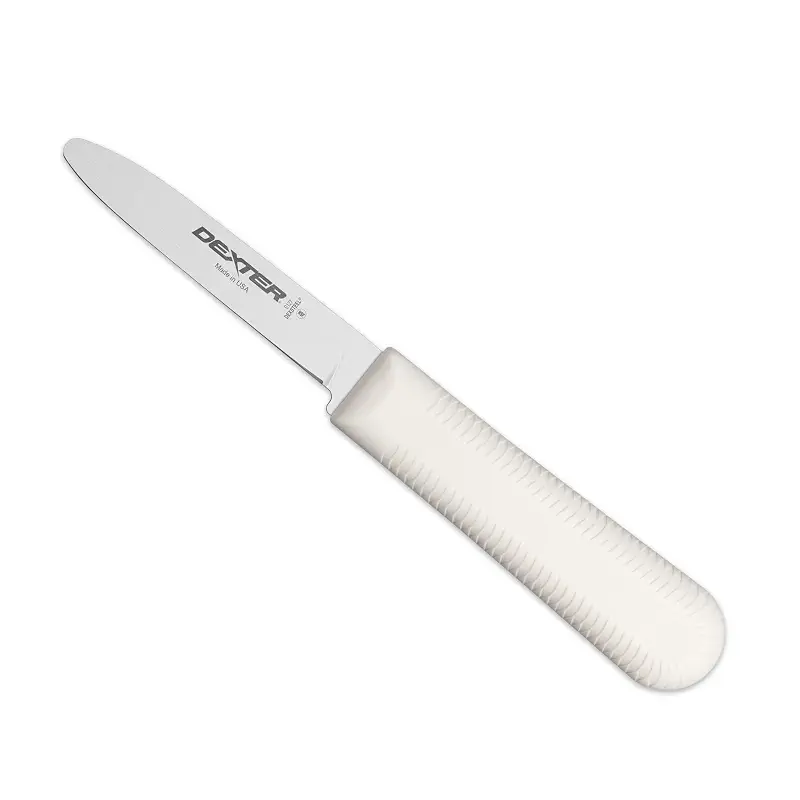
Sani-Safe S119-PCP 3" Wide Clam Knife with Polypropylene Handle
4.8(70)
NSF-certified wide stainless blade with slip-resistant plastic handle dominates high-volume shucking in professional kitchens.
Ideal for: Professional kitchens, seafood restaurants, high-volume home boils, commercial caterers.
The Dexter-Russell Sani-Safe 3" Wide Clam Knife is the working blade you'll see in raw bars, fish markets, and seafood restaurants. The wide high-carbon steel blade provides stiffness and heft that lets you open giant clams with confidence, and the textured polypropylene handle grips securely even when wet and covered in shell debris. Professionals love it, and one self-described professional clam shucker says flatly, "I wouldn't/couldn't use any other clam knife." Users report clean, chip-free openings from littlenecks all the way to oversized specimens, and the blade-to-handle seal is sanitary and tight. The white plastic handle, while it initially feels less fancy than wood, actually shows dirt and signals when cleaning is needed.
The wide blade is an advantage for volume and power but a trade-off for finesse. One buyer noted it's overkill for littlenecks if you like to slice the inside in a single swoop, so there's a learning curve on technique. This model sits apart from the narrow-blade Dexter-Russell option; the wide blade suits high-speed restaurant or boil-house work, while the narrower version excels at precision home shucking.
If you're opening dozens of clams at once or prepping for a catering event, and you want NSF certification and professional durability, this wide blade is the standard.
Pros
Wide blade provides superior stiffness for large, tough clams
NSF certified and made in USA for commercial-kitchen trust
Textured slip-resistant handle excels in wet, salty conditions
Cons
Wider blade less suited to delicate finesse work on littlenecks
White plastic handle shows staining despite easier cleaning
Key features
3-inch wide high-carbon stainless blade for maximum heft
Individually ground and honed edge for consistent performance
Ideal for: Serious home cooks, clam enthusiasts, those committed to mastering clam shucking technique.
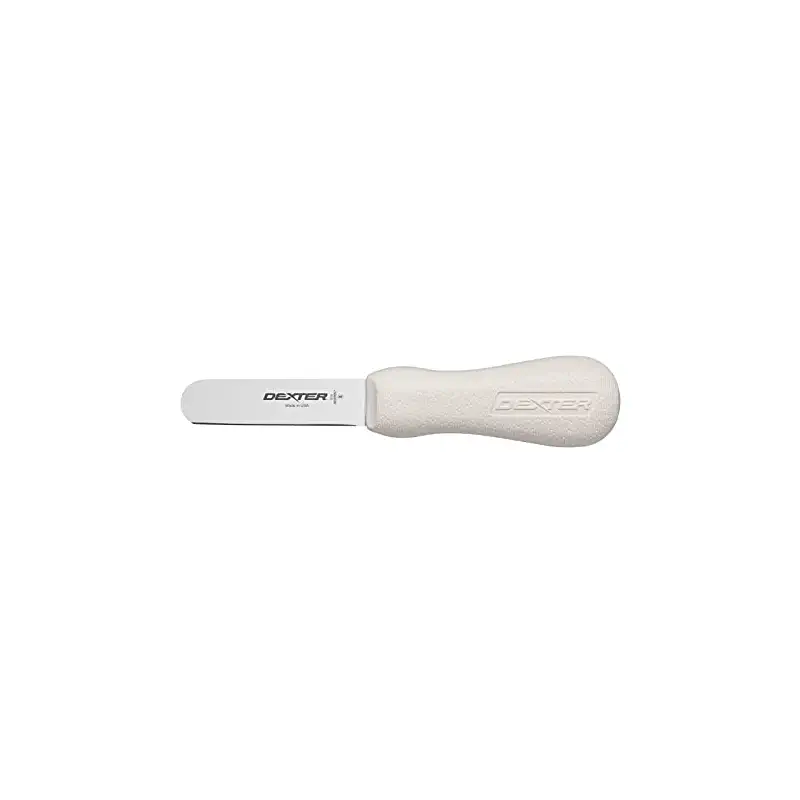
The Dexter-Russell Sani-Safe Narrow Clam Knife is the knife serious clam shuckers reach for when precision and consistency matter. The 3-inch narrow high-carbon stainless blade is thinner and more tapered than the wider commercial model, allowing it to slide into the shell seam cleanly and separate muscle without chipping. One 40-year veteran of the New Jersey shore says it's the only knife in her drawer of alternatives, praising the perfect thickness, taper, and comfort fit, and she's opened tens of thousands of clams. Owners report opening clams at the edges opposite the hinge (a hallmark of skill), maintaining sharpness through dozens of clams without dulling, and never needing to pry from the back when the knife is properly positioned. The textured white handle offers hygienic grip and has a slight ridge that lets you push gently on the blade for comfort.
Compared to the wide-blade Sani-Safe, this narrow version sacrifices leverage-for-bulk power in favor of surgical precision and touch. For large quahogs and extra-tough shells, the wider blade is more forgiving; for littlenecks and frequent home shucking where you want a perfect result every time, this narrow profile shines.
If you're committed to learning proper shucking technique and want the knife professionals and serious enthusiasts trust, this is the choice. It rewards good form and skill development.
Pros
Expertly tapered narrow blade slides cleanly into shell seams
Maintains sharpness through heavy use without frequent sharpening
NSF certified and made in USA with professional kitchen heritage
Cons
Requires proper technique to work effectively on largest clams
Narrower blade less forgiving than wide model for brute-force work
Key features
3-inch narrow high-carbon stainless blade with precise taper
Textured polypropylene handle with ridge for blade-push comfort
Impervious blade-to-handle seal prevents bacterial harboring
NSF certified and proudly made in the USA by Dexter Russell
How to Choose a Clam Knife
Four trade-offs that actually matter when matching a clam knife to your kitchen.
Blade Width and Profile
Clam knives come in two main blade profiles: wide and narrow. A wide blade (like the Sani-Safe 3" Wide) gives you more leverage and heft, making it easier to pop open oversized or particularly tough clams without tiring your hand. A narrow blade (like the Sani-Safe ) slides more cleanly into the seam and lets you separate muscle with surgical precision, protecting the meat and delivering a cleaner result. Wide blades dominate professional kitchens and high-volume shucking events; narrow blades suit home cooks and enthusiasts who shuck less frequently but care about technique. If you're opening two dozen littlenecks for chowder, narrow wins. If you're hosting a clam boil with every size from littleneck to giant quahog, wide gives you insurance.
Handle Material and Grip
Wooden handles (like the Dexter-Russell 3" with beechwood) offer warmth, natural non-slip properties when wet, and a traditional aesthetic that appeals to cooks who respect heritage tools. Plastic handles (like the Sani-Safe polypropylene) are more sanitary, dishwasher-safe, easier to clean, and ideal for high-volume or commercial work. Neither is objectively better; it depends on your use pattern. If you shuck clams a few times a year at home, wood feels better and ages gracefully. If you're in a professional kitchen or running a catering event, plastic's hygiene profile and ease of sanitizing matter more. Consider also that wooden handles require hand washing to preserve finish, while plastic tolerates abuse.
Steel Type and Edge Retention
High-carbon steel (like the Dexter-Russell 3" traditional model) holds a sharper edge longer and develops a patina with use, but requires more care to prevent rust: hand washing and prompt drying are essential. High-carbon stainless (found in most commercial models) splits the difference: it resists rust and dulls more slowly than pure stainless, making it a practical choice for most home cooks. Pure stainless steel offers maximum low-maintenance appeal but dulls faster. If you shuck clams occasionally and don't want to fuss with maintenance, high-carbon stainless is your sweet spot. If you're a purist or have experience managing carbon steel tools, true carbon steel delivers superior edge performance.
Learning the Technique
The knife is only half the equation. A good clam shucking technique guide will teach you the proper hand position and shell-seam entry point, which matters more than blade width for beginners. Most experienced shuckers hold the blade steady and use the hand holding the clam to do the opening work, not the knife hand. This distinction explains why some buyers struggle with narrow blades (they require technique) while professionals swear by them. If you're new to clam shucking, start with a blade that feels comfortable in your grip and practice on littlenecks, which offer a more obvious seam than tightly closed quahogs. A wide blade is more forgiving for learning; a narrow blade rewards proper form as you gain experience.
Budget vs. Professional Grade
Entry-level options (like the M.E. Heuck) cost less and work reliably for occasional use. Mid-range Dexter-Russell models with wooden handles offer heritage quality at a moderate price. Professional NSF-certified knives (like the Sani-Safe series) cost a bit more but are built to survive commercial-kitchen demands and come with certifications that matter in food-service settings. For home cooks shucking clams a handful of times yearly, an entry-level or mid-range knife is more than adequate. For professionals, caterers, or hard-core enthusiasts who shuck frequently, the NSF-certified commercial models justify the step up in durability and performance.
Frequently asked
Quick answers to the questions readers ask most.
What's the difference between a clam knife and an oyster knife?
Clam knives have a shorter, sturdier blade (typically 3 to 3.25 inches) designed to penetrate hard-shell clam seams with leverage. Oyster knives have a shorter, rounder tip and slightly different blade geometry suited to the hinge-opening technique oysters require. While some knives work for both, they're optimized for different shells and techniques. Using the wrong knife type makes shucking harder and increases injury risk.
Do I need to sharpen a clam knife, and how often?
High-carbon and high-carbon stainless blades hold their edge for dozens of clams before dulling noticeably. With proper technique and regular use, many owners report minimal sharpening need over years of ownership. If your knife starts to slip or requires excessive pressure to enter the shell seam, it's time to sharpen. A professional sharpening service or a steel or honing stone works well. How often depends on volume: occasional home cooks might sharpen once yearly; restaurants sharpen weekly.
Can I use a clam knife to open oysters?
Some clam knives can open oysters in a pinch, but they're not ideal. Oyster knives are designed for the hinge-entry technique, while clam knives optimize for seam-sliding. Trying to force a clam knife into an oyster hinge risks slipping, damaging the oyster meat, or cutting your hand. If you shuck both frequently, it's worth owning both specialized knives rather than compromising with one tool.
What safety precautions should I take when shucking clams?
Always wear cut-resistant gloves on the hand holding the clam: a slip is dangerous. Keep the blade tip pointed away from your body. Use a clam-holding towel or glove to anchor the shell. Most importantly, practice proper technique where the knife hand stays relatively still while the clam hand does the work; this minimizes the chance of the blade slipping toward your fingers. Start with littlenecks, which offer clearer seam entry than tight quahogs.
Is a wooden or plastic handle better for clam knives?
Both excel when matched to use case. Wooden handles offer superior non-slip grip when wet and a warmer, more traditional feel: ideal for home cooks who shuck occasionally. Plastic handles are more sanitary, dishwasher-safe, and preferred in commercial kitchens where speed and hygiene protocols matter. Wooden handles require hand washing and prompt drying to prevent warping; plastic handles tolerate rough treatment. Choose based on your kitchen environment and maintenance comfort.