Kitchen & Dining · Small
Best Candle Melting Pot for DIY Candle Makers
Find the best candle melting pot for your craft. Compare electric wax melters and stovetop pots with expert reviews and buying guide.
Affiliate disclosure: As an Amazon Associate I earn from qualifying purchases.
At a glance
1
Best Overall for Small-Batch ProductionLeerie
2
Best Budget Pick for HobbyistsKsedcon
3
Best Manual Stovetop OptionPhinicco
4
Best Premium Option for Bulk ProductionAroparc
5
Best Complete Beginner KitCasaCulina
Detailed reviews
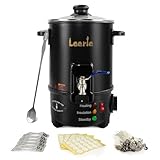
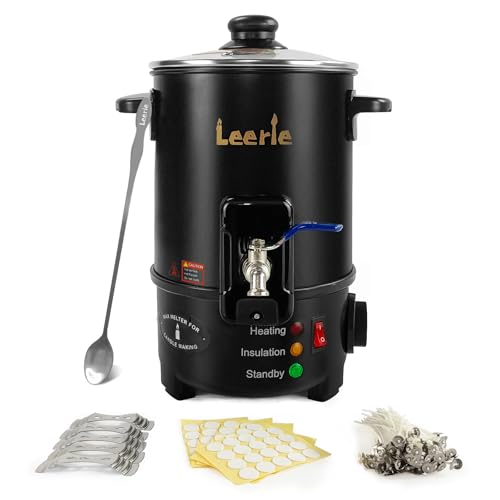
The Leerie M4 lands in that practical middle ground. It gives you serious capacity for hobbyists and weekend makers without the footprint or price tag of industrial equipment. Most owners report that the brass valve spout pours cleanly without the clogging that plagues cheaper plastic designs, and the temperature dial is straightforward enough for beginners to dial in the right heat for soy, paraffin, or beeswax in one go.
What matters in the real world is consistency, and here the reviews split. The majority of owners rave about steady melting and reliable temperature hold. A handful report that the melter struggles to maintain a narrow temperature band, especially once it shifts into insulation mode and the dial becomes unpredictable. If you're particular about hitting exact temps for fragrance oils, you might want to use an external thermometer to double-check.
The M4 kit comes loaded with wicks, holders, and a stirring spoon, so a beginner can unbox and start. The see-through lid is useful for monitoring progress without lifting the cover. One owner noted slight indentations inside the pot where the heating element contacts it, but these are cosmetic and don't affect function. For the price and capacity, we'd steer toward this if you're making medium batches regularly and value speed over micro-precision.
Pros
- Melts 8 lbs wax in 15-25 minutes with dual heating core
- Brass spout eliminates clogs and splashes during pouring
- Includes thermometer, wicks, holders, and stirring spoon
- Large temperature dial easy for beginners to adjust
Cons
- Temperature control can be imprecise, especially in insulation mode
- May require external thermometer for exact heat targeting
Key features (5)
- 650W dual-heating core melts wax quickly and evenly
- Temperature range 50-100°C with large responsive knob
- Brass valve spout designed to prevent clogs and drips
- 8-pound capacity with see-through lid for progress monitoring
- Full beginner kit includes wicks, holders, and spoon
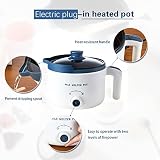
Owners tend to like the Ksedcon melter for a reason. It's genuinely quick to heat, especially on its high setting, and for someone making personal-scale candles or melting wax for wax melts, that speed is a real convenience. The non-stick coating cleans up in seconds with a wipe or quick boil, which sounds minor until you're doing this every week.
The trade-off is capacity. At 1.5 quarts, you're looking at about 3-4 medium candles per melt cycle, not bulk orders. The two-setting dial (low and high) gives you less granular control than adjustable thermostats on pricier models. A few owners reported that the high setting runs hotter than ideal for certain waxes, so many experienced makers dial it back and watch the temperature with an external thermometer. One reviewer also noted the spill guard arrived chipped, though that's an outlier.
Compared to the larger Aroparc model, the Ksedcon sacrifices capacity and precision temperature setting for portability and speed. If your space is tight and you're making candles as an occasional hobby rather than production, this is the smart choice. The kit comes with everything you need to start, making it genuinely beginner-friendly.
Pros
- Heats wax in as little as 8 minutes on high setting
- Non-stick interior wipes clean in seconds
- Compact size fits small kitchens and tight storage
- Includes thermometer, wooden spoon, and glass lid
Cons
- 1.5-quart capacity limits batch size to 3-4 candles per melt
- Two-setting dial offers less precise temperature control than dial-turn models
Key features (5)
- 1.5-quart capacity with non-stick interior coating
- 300-600W power heats wax in under 8 minutes
- Two heat settings with glass lid for safe monitoring
- Drip-free pouring spout prevents spillage and mess
- Kit includes thermometer, wooden stirrer, and user manual
The Phinicco takes a different philosophy from electric melters. You heat it on your stovetop (gas or electric, or induction if you use it on low), which gives you total control over the temperature as you watch the wax. No thermostat dial to decipher, no heating element to worry about. Many candle makers prefer this approach because they can dial in the exact heat they want in real time, especially useful for specialty waxes like beeswax that need careful temperature management.
The stainless steel construction is genuinely robust, and the handle stays cool to the touch thanks to its plastic grip design. One owner noted that the interior has a gray surface residue that wipes off but can be annoying. More importantly, a few reviewers mentioned that the pour spout is less pronounced than photos suggest, which means wax can drip down the side if you're not deliberate with your pour. You're trading the convenience of a dedicated electric spout for the flexibility and tactile control of manual heating.
Unlike electric melters, this requires active attention while heating, so it's best for makers who don't mind staying present during the melt cycle. Where the Ksedcon prioritizes speed and passive heating, the Phinicco appeals to anyone who wants direct control and doesn't mind the extra few minutes to heat wax on a stovetop. If you already have a double boiler setup and want to upgrade to a dedicated pitcher, this bridges that gap nicely.
Pros
- High-quality 304 stainless steel resists rust and temperature damage
- Stovetop heating gives total temperature control in real time
- Large heat-resistant handle stays cool throughout use
- Holds 44 ounces, supporting 2.3 pounds of wax per batch
Cons
- Pour spout is less defined than photos suggest, risking wax drips
- Requires active stovetop monitoring, not passive heating
Key features (5)
- 304 stainless steel pitcher with 44-ounce capacity
- Heat-resistant plastic handle stays cool during heating
- Works on gas, electric, and induction stovetops
- Smooth-pouring spout designed for controlled flow
- Includes 6.8-inch stir spoon for mixing wax and additives
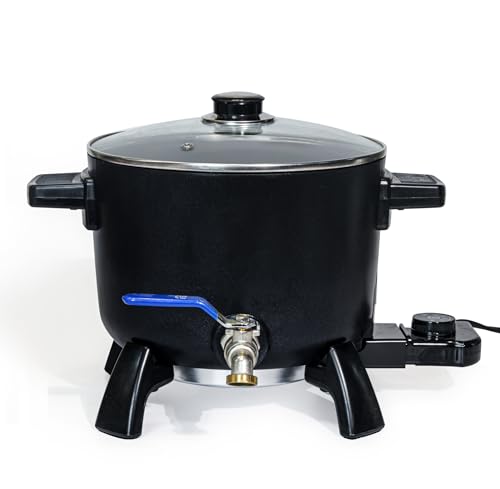
The Aroparc is built for makers who have moved beyond hobbyist volumes. An 11-pound capacity means you can batch-melt larger quantities of soy, paraffin, beeswax, or coconut wax without refilling every 30 minutes, a real timesaver if you're filling multiple orders or running weekend markets. The stainless steel ball valve with copper core is engineered to flow wax smoothly, and owners consistently report fewer clogs than cheaper plastic spout designs.
Temperature control spans 50-120°C, which covers the melt points of most wax types. The furnace holds a set temperature automatically, cycling on and off to stay consistent. That said, several experienced makers note that the dial is hard to read and doesn't always match the actual wax temperature inside the pot. Many suggest using an external thermometer and accepting that you'll need to tweak the dial slightly from where the markings suggest. One reviewer also mentioned that residual wax can collect at the valve base, requiring a heat gun to unclog it before the last pours.
This model is heavier and takes up more counter space than compact options like the Ksedcon. If you're making candles as a serious hobby or running a small production operation, the capacity and durability justify the investment. For occasional makers, the Aroparc is oversized. Compared to the Leerie M4, the Aroparc trades speed for volume: it melts larger batches in a similar timeframe, so you get more candles per session at the cost of a bigger appliance footprint.
Pros
- 6-quart capacity holds 11 pounds of wax for bulk batches
- Stainless steel ball valve with copper core minimizes clogs
- Adjustable temperature 50-120°C meets all major wax types
- Auto-cycle heating maintains consistent set temperature
Cons
- Dial markings don't always match actual wax temperature accurately
- Wax residue at valve base may require heat gun to clear before final pours
Key features (5)
- 6-quart capacity melts up to 11 pounds of wax per batch
- Stainless steel construction with high-efficiency heating furnace
- Temperature range 50-120°C with free dial adjustment
- Stainless steel ball valve with copper core for smooth pouring
- Fast 15-minute melt time for full tanks of soy flakes
The CasaCulina takes the "everything included" approach further than most kits. You get the pot, hot plate, anti-scalding mat, wicks, holders, and spoon all together, so a first-time maker doesn't have to hunt down accessories separately. The hot plate has five adjustable levels and a power indicator light that turns off when your set temperature is reached, which is user-friendly feedback. The 900ml pot is stainless steel with internal measurement marks, handy for controlling wax weight without a scale.
The major caveat is that this setup is genuinely small-scale. At 32 ounces, you're making one or two candles per melt cycle, perfect for learning but limiting if you ever want to ramp up production. The base gets very hot during use, and the anti-scalding mat has a low heat tolerance (below 80°C), so you'll need to let the hot plate cool between uses before setting it on the mat. One reviewer reported the hot plate burned through to damage, though this appears to be an outlier related to heat mismanagement.
The kit's real strength is lowering the barrier to entry. There's no confusion about what to buy or how to assemble it; everything works together. Compared to standalone melters like the Ksedcon, the CasaCulina's integrated hot plate feels more like a hobby craft kit than a serious appliance. If you're on a tight budget, live in a small apartment, or just want to test whether candlemaking is for you, the beginner-friendly bundle makes sense. Once you're confident in the hobby, you'll likely graduate to a larger, more durable melter.
Pros
- All-in-one kit eliminates confusion about what to purchase
- 500W hot plate heats quickly with 5 adjustable levels
- Stainless steel pot has internal measurement marks for precise wax amounts
- Anti-scalding mat and full set of wicks and holders included
Cons
- 32-ounce capacity makes only one to two candles per melt session
- Hot plate base gets extremely hot; mat has low heat tolerance
Key features (5)
- 900ml stainless steel candle pouring pot with measurement marks
- 500W electric hot plate with 5 heat levels and indicator light
- Anti-scalding silicone mat protects surfaces during heating
- Includes 20 candle wicks, 10 wooden wick holders, and stirring spoon
- Compact design suitable for small kitchens, dorms, and travel
How to Choose a Candle Melting Pot
Capacity and Production Scale
Match the pot's size to how many candles you realistically make per session. A 1.5-quart melter (Ksedcon) suits hobbyists making 3-4 candles at a time. If you're filling weekend market orders or working with a regular friend group, a 6-quart melter (Aroparc) or 8-pound melter (Leerie M4) pays for itself in time savings. Small kits like the CasaCulina work for testing the hobby, but you'll outgrow them fast if you're serious about production. Think about your actual workflow, not your fantasy workflow.
Temperature Control and Precision
Different wax types require different pour temperatures. Paraffin and soy have different sweet spots, and fragrance oils need the right heat to bond properly. Electric melters with adjustable dials (Aroparc, Leerie M4) give you flexibility but rely on your ability to dial the right setting: many makers use an external thermometer alongside the dial. The electric versus stovetop comparison shows that stovetop heating (Phinicco) lets you watch and adjust in real time, while completely automated models require trust in their thermostat. Beginners often do better with a model that includes an external thermometer in the kit.
Spout Design and Pouring Experience
Cheap plastic spouts clog, drip, and frustrate you midway through a pour. Brass or stainless steel valves (Leerie M4, Aroparc) perform noticeably better and hold up longer. A poorly designed or undersized spout forces you to tilt the pot at odd angles, risking spills. Look for reviews that mention actual pouring experience, not just marketing claims. Some melters include a non-stick interior, which is nice but not essential if you're willing to boil water to clean the pot afterward. A candle wick trimmer is equally important for finishing your candles, so as you invest in melting equipment, don't overlook the best candle wick trimmer for clean burns and even melting.
Heating Method and Active Monitoring
Electric melters (Leerie, Ksedcon, Aroparc, CasaCulina) heat passively once you set the dial: you can step away briefly, though it's wise to check periodically. Stovetop pots (Phinicco) require you to stay present and watch the heat, giving you more control but less convenience. The melting wax safely guide covers temperature management in detail, but the key trade-off is: do you prefer passive convenience, or do you want tactile control? Most makers with limited kitchen space lean toward electric because it reduces stovetop clutter and frees up burners.
Build Quality and Long-Term Durability
Stainless steel construction outlasts plastic or aluminum, especially for repeated heating cycles. Brass and copper components resist corrosion better than cheap metals that tarnish or pit. Read reviews that mention how the melter performed after weeks or months of use, not just the first batch. Some owners report that budget models develop heating inconsistencies over time, while quality brands hold up to hundreds of batches. If candle making becomes part of your routine, investing in durability saves money and frustration long-term.
Our picks at a glance
1
Best Overall for Small-Batch ProductionLeerie
2
Best Budget Pick for HobbyistsKsedcon
3
Best Manual Stovetop OptionPhinicco
4
Best Premium Option for Bulk ProductionAroparc
5
Best Complete Beginner KitCasaCulina
Frequently asked
Can I use any wax type in a candle melting pot?
Most electric melters handle soy, paraffin, beeswax, coconut, and blended waxes without issues. The key is respecting each wax's melt point. Paraffin typically melts around 170°F, while soy wax melts lower. Beeswax requires higher heat. Check your wax manufacturer's recommended pour temperature and dial your melter accordingly. Some specialty waxes like gel wax need extra care, so read the wax label before melting.
How long does it take to melt a full pot of wax?
Compact electric melters (Ksedcon, CasaCulina) heat in 8-15 minutes depending on wax type and amount. Larger melters (Leerie M4, Aroparc) typically melt full loads in 15-25 minutes. Stovetop pots vary widely depending on your burner heat. Many makers preheat the melter before adding wax to speed up the process. The inclusion of a thermometer in most kits helps you confirm when wax reaches pouring temperature without guessing.
Do I need an external thermometer if the melter has temperature controls?
It's strongly recommended, especially for dials and manual heat settings. Many owners report that marked temperatures don't always match the actual wax heat inside the pot. An inexpensive instant-read or digital thermometer takes the guesswork out and helps you hit the ideal pour temperature for scent bonding and smooth results. Several melter kits include thermometers for this reason.
What's the difference between a dedicated melter and melting wax on a stovetop?
Dedicated electric melters maintain steady heat without direct flame, are easier to clean, and free up your stovetop. Stovetop pots (like the Phinicco) give you real-time temperature control and work well if you already have kitchen space. Historically, many makers used double boilers on stovetops, but dedicated melters are faster, safer, and take the guesswork out of indirect heating. Choose based on your available space and comfort level.
How do I prevent wax residue and clogs in the spout?
Brass and stainless steel spouts resist clogs better than plastic. If residue collects at the valve, let the melter cool slightly and use a heat gun to soften the wax before the final pours. Some makers apply a thin coating of cooking spray to the spout before use to reduce sticking. Cleaning immediately after use with rubbing alcohol or boiling water prevents buildup. A melter with a large, well-designed spout (not undersized) minimizes drips and clogs naturally.