Kitchen & Dining · Gadgets
Best Cake Tester for Accurate Doneness Testing
Find the best cake tester for your kitchen. Compare top-rated stainless steel cake testers with expert guidance on what makes a tester work.
Affiliate disclosure: As an Amazon Associate I earn from qualifying purchases.
At a glance
2
Best for Professional Kitchen UseRSVP International
3
Best with Protective CoverChef Craft
4
Best Budget Option with CoverFarberware
5
Most for Professional KitchensAteco
Detailed reviews
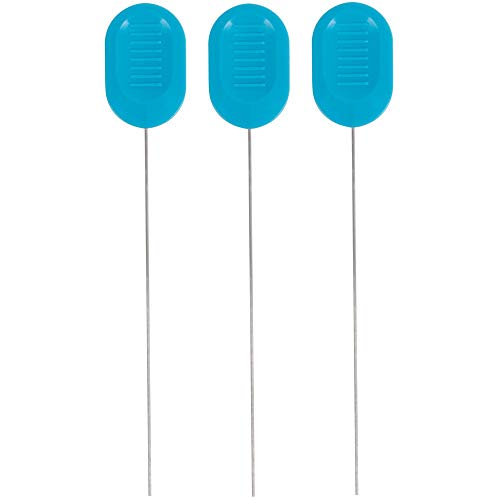
The Ateco three-pack stands out because it solves a real kitchen problem: cake testers disappear. Staff borrow them, they vanish into the back of a drawer, or they get left at a friend's house. Having three means you can afford to keep one at work, one at home, and one as backup without worrying about the cost. Owners consistently praise the thicker plastic handle end, which makes these testers easy to spot among other utensils and comfortable to grip even with floured or wet fingers.
The wire itself is appropriately thin for testing cakes without leaving obvious holes, yet stiff enough that it won't bend during normal use. We'd reach for this set first if you bake regularly and want reliability without premium pricing. What sets it apart from single-tester options is the sheer practicality of the three-pack for any kitchen where tools tend to wander.
The main trade-off is that you get no cover or protective case, so the testers need to be stored carefully in a drawer to avoid snagging. Compared to the Farberware model with its included cover, you'll need to find your own storage solution or accept the minor risk of a bent tester.
Pros
- Three testers means backups when one goes missing
- Thick handle end visible and easy to grip
- Affordable for stainless steel quality
- Suitable for testing potatoes, fish, and other foods
Cons
- No protective cover included for storage
- Shorter than some alternatives at 7 inches
Key features (4)
- Stainless steel wire with molded plastic handle for durability
- Three-pack set reduces replacement costs and supply worry
- 7-inch length reaches into standard-height cakes easily
- Works for testing vegetables, proteins, and pastries beyond cakes
The RSVP International Endurance tester caters to anyone working with deep cakes, stacked layers, or tall loaves. At 11 inches, it penetrates thick batters without forcing your hand into the oven, and the flat handle marked 'Cake Tester' leaves no doubt what you're grabbing in a busy kitchen. The 18/8 stainless steel construction is noticeably more substantial than budget alternatives, and reviews from professional bakers confirm it resists bending during the repetitive testing that comes with running a bakery or catering operation.
One reviewer, who clearly has high standards, noted that the stainless steel doesn't retain odors or moisture like wood implements, and it wipes clean immediately without needing a full wash. That practical advantage matters when you're moving quickly between tasks. The wider handle also provides better grip than wire-thin alternatives, reducing hand fatigue during long baking days.
The one documented drawback came from a single owner who reported the tester breaking at the solder joint immediately upon gentle hand washing, suggesting occasional quality-control failures. That's rare given the overall review pattern, but it's worth noting if you plan to hand-wash rather than rely on dishwasher cleaning.
Pros
- 11-inch length reaches deepest cakes without risk
- Flat handle with clear labeling prevents drawer confusion
- Substantial 18/8 stainless steel resists bending and warping
- Dishwasher safe and cleans without retaining odors
Cons
- Thicker wire may leave slightly more visible marks in some cakes
- Single tester means no backup if it's lost or misplaced
Key features (4)
- 11-inch stainless steel wire extends well into deep layer cakes
- Marked flat handle aids identification in crowded drawers
- 18/8 stainless steel construction for professional durability
- Longer length keeps fingers safely away from hot oven racks
Chef Craft hits a practical middle ground: a single tester that comes with a plastic cover, so it stays clean in your utensil drawer and you're less likely to bend it by accident. The soft rubber grip is noticeably comfortable compared to basic plastic handles, and the 6-inch length handles most standard-height cakes without being so short that you struggle to reach the center. A pastry chef noted in their review that the sturdier metal pick (thicker than typical cheap versions) combined with the protective case makes this far less likely to disappear from a kitchen than loose testers tend to be.
What stands out is that the design acknowledges how testers actually get lost or damaged in real kitchens. The cover keeps it visible and protected, and the slightly thicker wire gives you confidence it won't bend mid-test. This is the tester we'd recommend if you've had cheaper versions vanish or deform, and you want something that will stay functional for years without needing a replacement.
Compared to the Ateco three-pack, you're getting fewer testers but with the added protection of a cover, which some bakers prefer. The RSVP Professional is longer, which matters if you test tall cakes; this one is more compact and portable.
Pros
- Includes protective plastic cover for safe storage
- Soft rubber grip more comfortable than plain plastic
- Stainless steel wire thicker than budget alternatives
- 6-inch length balances reach with compact storage
Cons
- Single tester means you need a backup elsewhere if it's lost
- Cover must be removed before each use
Key features (4)
- Soft rubber grip handle for comfortable, secure hold
- 6-inch stainless steel wire wire ideal for standard cake heights
- Protective plastic cover keeps it clean and prevents bending
- Dishwasher safe for quick cleanup after use
Farberware's Baker's Advantage tester offers the same smart cover-and-handle combo as Chef Craft but at a lower price point. The soft grip handle is comfortable during use, and the included cover solves the drawer-visibility problem that plagues loose testers. At 6 inches, it reaches into most home cakes without excessive length, and the stainless steel wire is thin enough to avoid leaving obvious baking damage while remaining stiff enough for reliable testing.
Buyers love that this tester comes with a protective case, which seems like a small detail but dramatically increases the chance you'll find it when you need it next. One baker mentioned the cover keeps the tester safe in a utensil drawer filled with sharp implements, and the soft handle reduces the risk of the tester scratching other tools. The comparison to using toothpicks is consistent across reviews, with owners noting how much easier this tool makes checking deeper cakes and loaves.
The trade-off versus the Chef Craft model is negligible in functionality; both offer similar 6-inch length and cover protection. If budget is your primary concern and you only need one tester, the Farberware delivers solid value. Where the Ateco three-pack gives you quantity, this gives you protection and an approachable entry price.
Pros
- Entry-level price for a covered stainless steel tester
- Soft grip handle comfortable to use and hold
- Included protective cover prevents bending and loss
- Works equally well for testing breads, muffins, and vegetables
Cons
- Shorter 6-inch length may not reach the deepest layered cakes
- Single tester offers no backup supply
Key features (4)
- 6-inch stainless steel wire ideal for standard home baking
- Soft grip plastic handle for safe, comfortable control
- Protective cover keeps tester clean and prevents damage
- Dishwasher safe and easy to clean after testing
Professional chefs and culinary students gravitate toward this Ateco six-pack because the thin, sharp probe is precise enough for checking doneness on fish and proteins without leaving visible marks on the finished dish. Unlike thicker testers, this wire can puncture and inspect protein doneness with minimal visual evidence, which matters on a plated dish in a restaurant setting. A trained chef noted they keep one of these on their person at all times, and the six-pack means losing one to a wash cycle or a pocket adventure doesn't leave the kitchen without a backup.
The 6-inch length is standard, and the plastic handle provides grip without bulk. The real advantage here is quantity and the industry-standard reputation. Professional kitchens gravitate toward Ateco because these testers work consistently and, at the price per unit in a multi-pack, cost less to replace than fussing with a single expensive tool. One owner who purchased for restaurant use reported the testers last a long time with natural use, though they do bend easily if caught in the washing machine or dropped hard.
Compared to the single RSVP Professional tester, this sacrifices length and individual durability for sheer volume and the thin-wire precision chefs value. If you run a bakery or catering operation and need multiple testers scattered throughout your workspace, the six-pack makes financial sense and acknowledges that tools in busy kitchens sometimes don't come home.
Pros
- Six-pack ensures multiple testers throughout the kitchen
- Thin wire leaves minimal marks on plated proteins and finished dishes
- Industry-standard choice among professional culinary kitchens
- Affordable per-unit cost in multi-pack format
Cons
- Thin wire bends more easily if accidentally caught in wash cycle
- No protective cover with this pack
Key features (4)
- Six testers in one pack for multiple kitchen stations
- 6-inch stainless steel wire with thin, precise probe
- Plastic handle for grip without weight or bulk
- Industry standard for professional bakeries and restaurant kitchens
How to Choose the Right Cake Tester
Length Matters for Your Cake Height
The first decision is how deep your typical cakes or breads go. A standard 6-inch tester works for most home cakes and muffins, but if you regularly make layered cakes, loaves, or deep bundt cakes, an 11-inch tester like the RSVP Professional reaches the center without forcing your hand over the oven edge. Using a cake tester correctly requires you to insert it into the thickest part of the cake and withdraw it cleanly; if your tester is too short, you'll struggle to reach the middle and may test only the edges. For breadmaking, especially with tall loaves, length becomes more important.
Wire Thickness: Precision vs. Durability
Thinner wires (like those in the Ateco six-pack) pierce delicate foods and leave minimal marks, which matters if you're plating a protein or protecting the appearance of a finished cake. Thicker wires (like the RSVP Professional) bend less during normal use and provide sturdier testing for taller cakes, though they may leave slightly more visible punctures. For home baking where appearance of a small hole doesn't matter, a thicker wire often means longer tool life and fewer replacements.
Single vs. Multi-Pack: Think About Loss and Use Frequency
Testers disappear. Staff borrow them, they get misplaced in crowers, or they slip into pockets and vanish at the laundry. If you bake frequently or run a kitchen where multiple people test foods, a three-pack or six-pack costs less per unit and ensures backup supply. Single testers with protective covers make sense if you bake occasionally and want your one tool to stay visible and safe in your drawer. Consider whether you're willing to hunt for a tester each time you need one, or whether having multiple testers within reach justifies the upfront cost.
Handle Design and Storage Protection
A soft grip handle reduces hand fatigue during repeated testing and provides safety if your hands are damp or floured. Plastic or silicone covers keep testers clean and prevent them from bending in crowded drawers; they also make it easier to spot a tester in your utensil pile. If you have a busy kitchen, the protective cover payoff is high. If your drawer is organized and you rarely misplace tools, a covered tester might be unnecessary. For professional use, cake tester alternatives compared to single bare testers reveal that quantity and accessibility matter more than individual protection.
Our picks at a glance
2
Best for Professional Kitchen UseRSVP International
3
Best with Protective CoverChef Craft
4
Best Budget Option with CoverFarberware
5
Most for Professional KitchensAteco
Frequently asked
Can I use a cake tester for anything besides cakes?
Yes. Owners report using cake testers to check doneness on boiled and roasted potatoes, baked fish, proteins, and vegetables without leaving visible damage. The thin wire probe is ideal for checking temperature or texture of food in the oven or on the stovetop. Professional chefs use them as kitchen multi-tools because the precision is superior to toothpicks and the thin probe doesn't deform delicate foods.
What's the difference between a cake tester and a toothpick or skewer?
Toothpicks splinter, break, and sometimes leave wood fragments in food. Wooden skewers are thicker and create larger holes. A metal cake tester is reusable, doesn't splinter, cleans easily, and the thin stainless steel wire leaves minimal marks while providing reliable feedback on doneness. Once you switch from toothpicks to a proper tester, owners consistently report they never go back.
Are cake testers dishwasher safe?
All the testers in this lineup are labeled dishwasher safe. That said, some owners prefer hand washing because it takes only seconds, prevents the rare chance of a solder joint separating in the dishwasher, and keeps the tester in sight rather than lost in the silverware basket. Hand washing also extends the life of any protective cover.
How do I know when a cake is actually done using a tester?
Insert the tester into the center of the cake and withdraw it slowly. If it comes out clean or with only a few moist crumbs clinging to it, the cake is done. If batter or wet crumbs coat the tester, the cake needs more time. Some bakers prefer a few moist crumbs for extra tenderness; the tester lets you control that choice precisely.
Will a cake tester leave a visible hole in my finished cake?
A thin-wire tester leaves a barely noticeable puncture, especially if you test in an area that will be frosted or decorated. The mark is far less obvious than a toothpick would leave. For plated or unfrosted cakes where appearance matters, test in a spot you plan to frost or hide. Professional testers with very thin wires (like the Ateco six-pack) minimize marking even more.